You’re at a party, a networking event, or perhaps even just a casual gathering. Someone poses a question, or a topic arises that you’re unfamiliar with. A sudden, cold dread washes over you. Your palms begin to sweat, your heart races, and a primal urge to shrink, to disappear, takes hold. You have experienced the potent, often debilitating, psychology of the fear of looking stupid. This isn’t just a fleeting moment of embarrassment; it’s a deep-seated anxiety that can influence your decisions, stifle your growth, and keep you playing small. Let’s delve into the intricate workings of this common human fear.
Fear, in its most basic form, is a survival mechanism. For our ancient ancestors, being ostracized from the group could mean death. A foolish mistake, a perceived lack of competence, or an inability to contribute could lead to banishment.
Social Cohesion and Survival
In the primordial savanna, cooperation was paramount. The individual who consistently made poor judgments, misunderstood social cues, or demonstrated a lack of practical skills was a liability. This individual was less likely to find a mate, less likely to be protected from predators, and less likely to receive a share of the hunt’s bounty.
- The Cost of Incompetence: Think about it. If you were part of a hunting party and one member repeatedly misjudged distances, spooked the prey, or couldn’t tie a useful knot, you’d quickly deem them unreliable. This unreliability translated to a threat to the group’s survival, and therefore, to your own.
- The Importance of Group Acceptance: Belonging was everything. The approval of the tribe meant safety, sustenance, and the opportunity to pass on your genes. Anything that jeopardized that acceptance, such as appearing foolish or incapable, was naturally avoided. This ingrained this fear deep within our collective psyche.
The Modern Echoes of Primal Fears
While we no longer face immediate physical threats from group exclusion, the psychological mechanisms remain remarkably similar. Our modern social structures, though vastly different in their physical manifestations, still rely on a sense of belonging and competence.
- Reputational Capital: In today’s society, our reputation is our currency. It influences our career prospects, our social standing, and even our romantic opportunities. Appearing incompetent can damage this valuable capital, leading to missed promotions, social isolation, and a general feeling of inadequacy.
- The Social Hierarchy: We often subconsciously navigate social hierarchies. Whether it’s in the workplace, within a friend group, or even online, there are perceived levels of knowledge, intelligence, and social grace. The fear of looking stupid is often a fear of falling to a lower rung on these perceived ladders.
The fear of looking stupid is a common psychological phenomenon that can significantly impact an individual’s confidence and social interactions. For those interested in exploring this topic further, an insightful article can be found at Unplugged Psych, which delves into the underlying causes of this fear and offers strategies for overcoming it. Understanding the psychology behind this fear can empower individuals to navigate social situations with greater ease and self-assurance.
Unpacking the Core Beliefs Fueling This Fear
At the heart of the fear of looking stupid lie deeply ingrained beliefs about ourselves and the world around us. These beliefs, often formed in childhood, dictate how we interpret social situations and our own perceived failures.
The “I Must Be Perfect” Imperative
This belief is perhaps the most pervasive. It’s the idea that you must always have the right answer, always know what to say, and always perform flawlessly. Any deviation from this perfect ideal is seen as a catastrophic failure.
- The Weight of Expectation: This can stem from parental expectations, societal pressures, or even self-imposed standards that are impossibly high. You might believe that anything less than perfection is unacceptable, not only to others but, more importantly, to yourself.
- The All-or-Nothing Mentality: This perfectionism often manifests as an all-or-nothing thinking pattern. If you can’t do it perfectly, you feel like you can’t do it at all. This leads to procrastination, avoidance, and a reluctance to even try things where there’s a risk of imperfection.
The “My Worth is Tied to My Intelligence” Fallacy
Many of us unconsciously equate our intelligence and knowledge with our intrinsic worth as human beings. If we don’t know something, or if we make a mistake, we internalize it as a reflection of our fundamental inadequacy.
- The Intelligence as Identity Trap: You might believe that your value is directly proportional to how smart you appear. This can make you feel vulnerable and exposed when faced with situations where your knowledge is limited. It’s as if your entire identity is under scrutiny.
- The “Stupid” Label as a Brand: Once someone is labeled “stupid,” it can feel like an indelible mark. This fear is about preventing that label from ever being applied, even if it means sacrificing opportunities for learning and growth.
The “Others Are Constantly Judging Me” Projection
This is a powerful cognitive distortion where you assume that everyone else is hyper-aware of your perceived flaws and is actively judging you for them. In reality, most people are far more preoccupied with their own thoughts and insecurities.
- The Spotlight Effect: You believe that you are constantly under a spotlight, with every misstep magnified. This isn’t true; the spotlight you perceive is largely a figment of your own anxiety.
- Mind Reading as a Default: You engage in mind-reading, assuming you know what others are thinking, and invariably, you assume they are thinking negative thoughts about you. This creates a self-fulfilling prophecy of anxiety.
The Manifestations of This Fear in Your Life
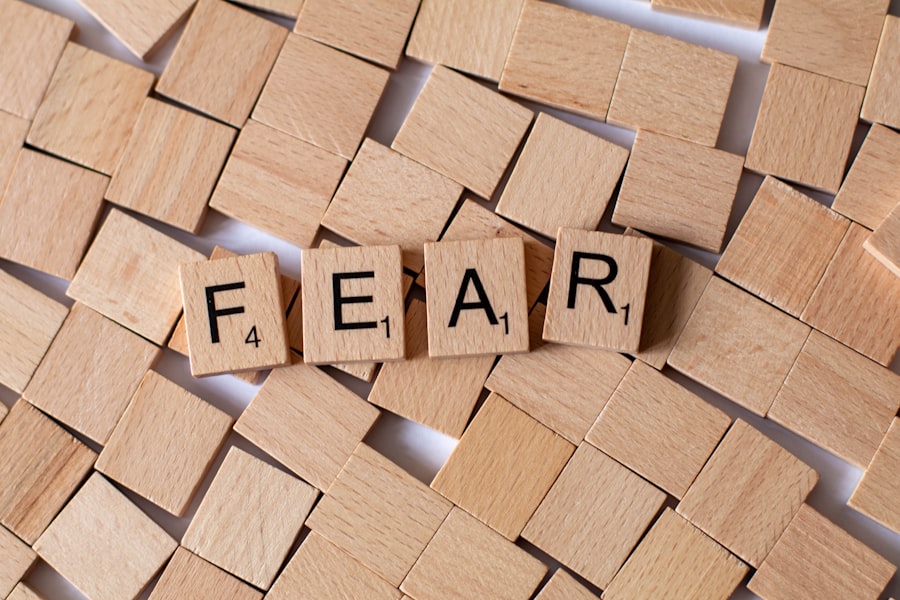
The fear of looking stupid isn’t an abstract concept; it has tangible, often negative, impacts on your daily life. Recognizing these manifestations is the first step to overcoming them.
Avoiding New Experiences and Learning Opportunities
Perhaps the most significant impact of this fear is your tendency to shy away from anything that involves stepping outside your comfort zone or venturing into unfamiliar territory.
- The “Better Safe Than Sorry” Syndrome: You might opt for familiar tasks and conversations, even if they are uninspiring, rather than risk the potential embarrassment of asking a “dumb” question or admitting you don’t understand. This limits your exposure to new ideas and skills.
- Procrastination as a Defense Mechanism: The fear of not knowing how to do something can lead to chronic procrastination. You might put off starting a new project or learning a new skill because the initial uncertainty feels too daunting.
- Skipping Out on Growth: By avoiding new experiences, you’re essentially closing the door on personal and professional growth. Every time you don’t ask a question in a meeting, you miss a chance to learn. Every time you don’t try a new hobby, you miss an opportunity to discover a hidden talent.
Stifling Your Voice and Opinions
When you’re afraid of looking stupid, your voice tends to shrink. You become hesitant to share your thoughts, ask clarifying questions, or even offer a dissenting opinion, for fear of being perceived as ignorant or ill-informed.
- The Silence of Self-Censorship: You censor yourself before you even speak. You rehearse potential questions and answers in your head, often discarding perfectly valid inquiries because you fear they might reveal a gap in your knowledge.
- Conformity as the Path of Least Resistance: To avoid standing out and potentially being wrong, you might adopt the prevailing opinion, even if it doesn’t align with your own beliefs. This can lead to a sense of inauthenticity and a lack of genuine engagement.
- Missed Opportunities for Contribution: In group settings, your valuable insights and unique perspectives are lost. You might have the solution to a problem, or a novel approach, but the fear of appearing foolish prevents you from sharing it.
Damaging Relationships and Connections
While the fear is often rooted in how others perceive us, ironically, it can also hinder our ability to form deep and authentic connections with those same people.
- Surface-Level Interactions: When you’re constantly guarding yourself against appearing stupid, your interactions can remain superficial. You avoid vulnerability and the deeper conversations that build genuine intimacy.
- Misunderstandings and Unresolved Issues: If you’re afraid to ask for clarification when you don’t understand something, misunderstandings can fester. This can lead to resentment and communication breakdowns in both personal and professional relationships.
- The Perception of Aloofness: Ironically, by being so guarded, you might come across as aloof or uninterested, which can push people away rather than draw them in.
Strategies for Overcoming the Fear of Looking Stupid

The good news is that the fear of looking stupid is not an immutable trait. It’s a learned pattern of thinking and behaving that can be challenged and ultimately overcome. It requires conscious effort and a willingness to embrace vulnerability.
Reframe Your Definition of “Smart”
One of the most effective ways to combat this fear is to broaden your definition of intelligence and success. It’s not just about knowing all the answers; it’s about the process of learning, adapting, and growing.
- Embrace the Learner’s Mindset: Shift your focus from being perceived as knowledgeable to being perceived as curious and willing to learn. A genuine desire to understand is far more impressive and valuable than feigned omniscience.
- Intelligence as a Spectrum, Not a Binary: Recognize that intelligence is multifaceted. There are different types of intelligence (emotional, practical, creative, etc.), and everyone possesses strengths in various areas. You don’t need to be an expert in everything.
- Value the Process of Discovery: Appreciate the journey of learning, the exploration, the experimentation, and even the inevitable mistakes along the way. These are all integral parts of intellectual growth.
Cultivate Self-Compassion and Accept Imperfection
The harsh inner critic is often the loudest voice fueling the fear of looking stupid. Learning to be kind to yourself is crucial.
- Talk to Yourself Like a Friend: Imagine a friend made a mistake or didn’t know something. Would you berate them harshly? Probably not. Offer yourself the same grace and understanding.
- Acknowledge Your Humanity: Everyone makes mistakes. It’s part of the human experience. Embracing this imperfection can be incredibly liberating. It frees you from the pressure of unattainable perfection.
- Practice Self-Forgiveness: When you do stumble, don’t dwell on it. Acknowledge it, learn from it, and then let it go. Holding onto past “failures” only perpetuates the fear.
Embrace Vulnerability and Practice Stepping Outside Your Comfort Zone
The only way to truly diminish the fear is to confront it, not by eradicating the possibility of looking foolish, but by learning to tolerate and even embrace it.
- Start Small: Begin with low-stakes situations. Ask a clarifying question in a casual conversation, admit you don’t know a pop culture reference, or try a new hobby where perfection isn’t expected.
- The Power of “I Don’t Know, But I Want to Learn”: This is a powerful and universally accepted phrase. It shows humility, a willingness to engage, and a desire for growth.
- Share Your Struggles (Strategically): In trusted relationships, sharing your insecurities and the times you’ve felt foolish can actually deepen connections. It shows authenticity and makes you relatable.
- Seek Feedback Constructively: When you do receive feedback, even if it points out an error, try to view it as an opportunity for improvement rather than a personal attack. Ask clarifying questions to understand fully.
The fear of looking stupid is a common psychological phenomenon that can significantly impact social interactions and personal confidence. Many individuals struggle with this fear, often leading to anxiety in situations where they feel judged or evaluated. A related article that delves deeper into this topic is available on Unplugged Psych, where you can explore various strategies to overcome this fear and enhance your self-esteem. For more insights, you can read the article here. Understanding the roots of this fear can empower individuals to navigate social situations with greater ease and confidence.
Building Resilience: When Fear Strikes
| Psychological Aspect | Impact |
|---|---|
| Fear of Failure | Can lead to avoidance of new challenges and opportunities |
| Social Anxiety | May result in reluctance to speak up in social situations |
| Low Self-Esteem | Linked to a fear of looking stupid in front of others |
| Perfectionism | Driven by a fear of making mistakes and being judged |
Even with the best strategies, there will be moments when the fear of looking stupid resurfaces. Building resilience means having tools to manage these moments effectively.
Cognitive Reappraisal Techniques
When that familiar wave of dread hits, it’s time to consciously reframe your thoughts.
- Challenge Your Assumptions: Ask yourself: “Is it truly that bad to not know this?” “What is the actual worst-case scenario?” Often, your imagined catastrophe is far more dramatic than reality.
- Focus on the Present Moment: The fear often conjures up hypothetical future embarrassments. Bring yourself back to the here and now. What is happening right now? What can you do right now?
- The “So What?” Test: After a perceived blunder, ask yourself, “So what?” Will this truly matter in a week, a month, a year? Often, the answer is a resounding “no.”
Behavioral Strategies for Immediate Relief
Sometimes, you need immediate action to interrupt the fear response.
- Take a Deep Breath: This simple physiological act can calm your nervous system and create space for more rational thought. Inhale deeply through your nose, hold for a moment, and exhale slowly through your mouth.
- Grounding Techniques: Focus on your senses. What do you see, hear, smell, taste, and feel? This can pull you out of your anxious thoughts and into the present reality.
- Physical Movement: A quick walk, a stretch, or even just shaking out your limbs can release nervous energy and help you regain a sense of control.
- Acknowledge the Feeling, Then Move On: Sometimes, simply saying to yourself, “Okay, I’m feeling anxious about looking stupid right now,” can reduce its power. Then, consciously decide to proceed despite the feeling.
The Long-Term Goal: Freedom from the Shackles
Ultimately, the goal isn’t to never feel a twinge of apprehension, but to prevent that apprehension from dictating your actions and limiting your life. It’s about achieving a state where the possibility of looking stupid is no longer a paralyzing threat, but merely a minor inconvenience. It’s about freeing yourself to learn, to grow, to connect authentically, and to live a more courageous and fulfilling life. You have the power to rewrite the script, to replace the fear with curiosity, and to embrace the beautiful messiness of being human.

You’re Not Trying to Be Perfect. You’re Trying to Be Safe.
FAQs
What is the fear of looking stupid in psychology?
The fear of looking stupid, also known as social anxiety or fear of embarrassment, is a psychological condition characterized by an intense fear of being judged, criticized, or humiliated in social situations.
What are the symptoms of the fear of looking stupid?
Symptoms of the fear of looking stupid may include excessive self-consciousness, avoidance of social situations, physical symptoms such as sweating or trembling, and negative thoughts about oneself.
What causes the fear of looking stupid?
The fear of looking stupid can be caused by a combination of genetic, environmental, and psychological factors. Traumatic experiences, low self-esteem, and a fear of rejection or failure can contribute to the development of this fear.
How is the fear of looking stupid treated in psychology?
Treatment for the fear of looking stupid may include cognitive-behavioral therapy (CBT), exposure therapy, and medication. These approaches aim to help individuals challenge and change their negative thought patterns and gradually confront their fears in a controlled manner.
Can the fear of looking stupid be overcome?
Yes, with the right treatment and support, individuals with the fear of looking stupid can learn to manage their anxiety and build confidence in social situations. It may take time and effort, but overcoming this fear is possible.