You wake up. The alarm blares, a harsh jolt from slumber. Your first decision of the day: hit snooze or swing your legs out of bed? It’s a seemingly trivial choice, yet it’s a microcosm of the vast, intricate landscape of your everyday decision-making. From the moment your eyes flutter open, you are bombarded with choices, each one shaping the trajectory of your day, your week, and ultimately, your life. You might not always be aware of it, but your brain is a powerful decision-making engine, constantly processing information, weighing options, and nudging you towards a particular course of action. This article will delve into the fascinating psychology behind how you make these everyday decisions, exploring the cognitive biases, emotional influences, and environmental factors that shape your choices.
At the heart of your decision-making lies a complex interplay between two fundamental cognitive processes: rational thought and intuitive judgment. You often imagine yourself as a purely logical being, meticulously weighing pros and cons. However, the reality is far more nuanced. Your brain is remarkably adept at employing shortcuts and relying on gut feelings, especially when faced with the sheer volume of decisions you encounter daily.
System 1: The Fast and Frugal Intuitive Engine
Your intuitive mind, often referred to as System 1 thinking, is your brain’s default mode. It’s fast, automatic, and often driven by emotions and past experiences. Think about the last time you instinctively dodged an object that came flying towards you. That wasn’t a deliberated, step-by-step calculation; it was a rapid, almost unconscious response.
Heuristics: Your Mental Shortcuts
System 1 heavily relies on heuristics, which are mental shortcuts or rules of thumb that allow you to make decisions quickly and efficiently. While often helpful, these shortcuts can also lead to predictable errors in judgment, a concept we’ll explore further.
The Availability Heuristic: What Comes to Mind First
This heuristic makes you overestimate the likelihood of events that are easily recalled from memory. If you recently heard a news report about a plane crash, you might feel more anxious about flying, even though statistically, car travel is far more dangerous. Your mind readily accesses the vivid imagery of the plane crash, making it seem more probable.
The Representativeness Heuristic: Judging by Stereotypes
This heuristic involves judging the probability of an event based on how well it matches a stereotype or prototype. If you meet someone who is quiet, wears glasses, and enjoys reading, you might automatically assume they are a librarian. This ignores the vast diversity of individuals who might fit those descriptions but have entirely different professions.
Affect Heuristic: Letting Your Feelings Guide You
Your emotions play a significant role in System 1 thinking. You often make decisions based on how you feel about a particular option, rather than a purely rational assessment. If a product has a sleek, attractive design and is advertised with upbeat music, you might be more inclined to purchase it, even if a less aesthetically pleasing competitor offers superior functionality or value.
System 2: The Slow and Deliberate Analytical Processor
In contrast to System 1, your System 2 thinking is slow, effortful, and analytical. This is the part of your brain you engage when you’re trying to solve a complex math problem, plan a detailed itinerary, or critically evaluate an argument. It requires conscious attention and cognitive resources.
Logical Reasoning and Deliberation
When you consciously weigh the pros and cons of a major purchase, like a new car, you are engaging your System 2. You might research different models, compare prices, read reviews, and consider your budget. This methodical approach aims to arrive at the most optimal decision based on available information.
Overcoming Cognitive Biases
While System 1 is prone to biases, System 2 offers the potential to identify and mitigate these cognitive shortcuts. By consciously engaging in critical thinking and seeking out objective information, you can challenge your initial intuitive responses and make more informed choices. However, System 2 is inherently lazy, and you often default to System 1 unless there’s a strong incentive to exert mental effort.
In exploring the psychology of everyday decision-making, one insightful article to consider is found at Unplugged Psychology, which delves into the cognitive biases that influence our choices. This resource provides a comprehensive overview of how factors such as emotions, social pressures, and heuristics shape our daily decisions, offering valuable insights for anyone looking to understand the underlying mechanisms of their thought processes.
The Pervasive Influence of Cognitive Biases
You might believe you are an objective observer of reality, making decisions based on pure logic. However, your brain is riddled with systematic errors in thinking, known as cognitive biases. These biases are not necessarily a sign of low intelligence; rather, they are often evolutionary adaptations that helped our ancestors make quick decisions in uncertain environments. The challenge for you today is to recognize these biases and learn how to counteract their influence.
Confirmation Bias: Seeking What You Already Believe
This is the tendency to search for, interpret, favor, and recall information in a way that confirms your existing beliefs or hypotheses. If you believe a particular political candidate is untrustworthy, you will likely pay more attention to news articles and social media posts that highlight their perceived flaws, while downplaying or ignoring information that portrays them in a positive light.
Echo Chambers and Filter Bubbles
The digital age has exacerbated confirmation bias. Social media algorithms often create “echo chambers” and “filter bubbles” where you are primarily exposed to information and opinions that align with your own. This reinforces your existing beliefs and makes it harder to encounter alternative perspectives.
Anchoring Bias: The Power of the First Piece of Information
This bias describes your tendency to rely too heavily on the first piece of information offered (the “anchor”) when making decisions. This anchor can influence subsequent judgments, even if it’s arbitrary. When negotiating a salary, the initial offer you receive can heavily influence your perception of what is fair, regardless of your actual worth.
Price Negotiations and Bargaining
In sales and marketing, anchoring is a common tactic. A car salesman might first present you with a very high sticker price, making the subsequent discounted price seem like a fantastic deal, even if it’s still above market value.
Framing Effects: How You See It Matters
The way information is presented or “framed” can significantly influence your decisions, even if the underlying options are identical. If you are told a medical procedure has a “90% survival rate,” you are likely to feel more confident about it than if you are told it has a “10% mortality rate,” despite both statements conveying the same statistical outcome.
Marketing and Public Health Campaigns
Advertisers and public health officials often utilize framing to encourage desired behaviors. A campaign promoting healthy eating might focus on the positive benefits of nutritious foods, while a campaign warning about the dangers of smoking might emphasize the devastating consequences.
The Emotional Undercurrent of Your Choices

You might aspire to be a purely rational decision-maker, but your emotions are powerful drivers of your choices, often working in tandem with or even overriding your logical faculties. Ignoring the role of emotions in decision-making is like trying to navigate without a compass.
The Role of Fear and Anxiety
Fear is a primal emotion that can strongly influence your decisions, often leading to risk aversion. If you are overly fearful of failure, you might avoid taking on new challenges or pursuing ambitious goals, even if the potential rewards are significant.
The Status Quo Bias
Fear of the unknown often contributes to the status quo bias, which is your preference for the current state of affairs. You might stick with a job you dislike or a relationship that isn’t fulfilling simply because the prospect of change feels too daunting.
The Influence of Happiness and Desire
Positive emotions, such as happiness and desire, can also steer your decisions. When you feel good, you might be more inclined to be optimistic, take risks, and spend money. Conversely, a lack of immediate gratification can make you more patient and willing to delay rewards.
Impulse Buying and Instant Gratification
The allure of instant gratification, often fueled by desire, can lead to impulsive decisions, particularly with purchases. The immediate pleasure of acquiring a new item can outweigh the long-term consequences of overspending.
Regret Aversion: The Fear of Making the Wrong Choice
You have a strong desire to avoid future regret. This can lead you to make conservative choices or to overthink decisions, fearing that you might later wish you had chosen differently. This can paralyze you and prevent you from making any decision at all.
Decision Paralysis
When faced with too many options or the fear of making the “wrong” choice, you can experience decision paralysis, where you are unable to commit to any course of action. This is often driven by the desire to avoid the potential pain of future regret.
The Environment’s Subtle, Yet Powerful, Impact
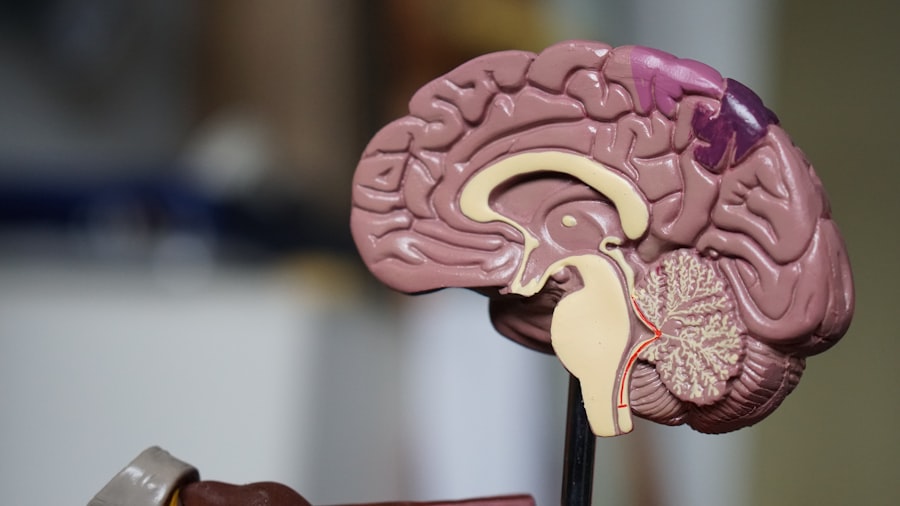
Your decisions are not made in a vacuum. The environment in which you make choices, from the physical surroundings to the social context, exerts a significant influence on your behavior. These environmental cues can subtly nudge you in one direction or another without you even realizing it.
Nudging: Steering Behavior Through Subtle Cues
Nudging, a concept popularized by behavioral economists, refers to small, subtle changes in the environment that can influence people’s choices in predictable ways. These nudges are designed to make desired behaviors easier and more likely without restricting freedom of choice.
Default Options: The Power of Inertia
One of the most effective nudges is the strategic use of default options. If enrolling in a retirement savings plan is the default, with employees having to actively opt-out, participation rates are significantly higher than if they have to actively opt-in. Your inherent tendency to stick with the default option is a powerful force.
Choice Architecture: Designing for Better Decisions
Choice architecture involves the design of different ways in which choices can be presented to consumers, and the impact of that presentation on decision-making. For example, placing healthy food options at eye level in a cafeteria makes them more appealing and thus more likely to be chosen.
Social Influence: The Impact of Others
You are a social creature, and the behavior and opinions of those around you profoundly influence your decisions. This can be both a positive and a negative force.
Conformity: The Desire to Fit In
The desire to conform to group norms and expectations is a powerful motivator. You might adopt certain fashion trends, express particular political views, or even engage in risky behaviors simply because it’s what your peers are doing.
Social Proof: When Everyone Else is Doing It
Social proof is the phenomenon where you are more likely to do something if you see others doing it. This is why testimonials and celebrity endorsements are so effective in marketing. If many people are using a product, you assume it must be good.
In exploring the psychology of everyday decision making, one can gain valuable insights from various resources that delve into the intricacies of our choices. For instance, an informative article on the Unplugged Psychology website discusses how cognitive biases influence our daily decisions and the ways we can become more aware of these patterns. You can read more about this fascinating topic in the article here, which offers practical tips for improving decision-making skills in everyday life.
Improving Your Everyday Decision-Making
| Psychology of Everyday Decision Making | Metrics |
|---|---|
| Decision Fatigue | Number of decisions made in a day |
| Anchoring | Impact on initial decision in subsequent choices |
| Availability Heuristic | Frequency of recent events influencing decision making |
| Status Quo Bias | Resistance to change in decision making |
| Confirmation Bias | Prevalence in seeking information that confirms existing beliefs |
Recognizing the psychological forces at play is the first step towards making more effective decisions. The good news is that you can actively cultivate better decision-making habits and mitigate the impact of biases.
Cultivating Self-Awareness: Knowing Your Biases
The most crucial step is to develop self-awareness regarding your own cognitive biases and emotional tendencies. Regularly reflecting on your decisions, questioning your initial gut reactions, and seeking feedback from trusted sources can help you identify recurring patterns of flawed thinking.
Journaling and Reflection
Keeping a decision journal where you record your choices, the rationale behind them, and the eventual outcomes can be an incredibly insightful practice. This allows you to identify your personal biases and learn from your past mistakes.
Seeking Diverse Perspectives
Actively seeking out opinions and information from individuals with different backgrounds, beliefs, and experiences can help challenge your own assumptions and broaden your understanding of a situation.
Practicing Mindfulness and Emotional Regulation
Mindfulness involves paying attention to the present moment without judgment. By being more aware of your emotional state, you can better distinguish between an emotional reaction and a rational assessment, allowing you to respond more thoughtfully.
Taking a Pause Before Deciding
When faced with an important decision, especially one that elicits strong emotions, try to pause. Give yourself some time to cool down and think more clearly before committing to a course of action.
Developing a Decision-Making Framework
For significant decisions, consider developing a structured framework. This could involve listing potential options, identifying the pros and cons of each, assessing the potential risks and rewards, and considering the long-term implications.
The Four Ps: Purpose, Possibilities, Probabilities, and Payoffs
A simple framework could involve asking yourself: What is the Purpose of this decision? What are the Possibilities? What are the Probabilities of each outcome? And what are the Payoffs associated with each?
Your life is a continuous stream of decisions, from the mundane to the monumental. By understanding the intricate psychology that underpins your choices, you can begin to navigate this complex landscape with greater awareness and intention. You have the power to train your brain, mitigate the influence of biases, and make choices that align more closely with your goals and values. The journey to becoming a more effective decision-maker is an ongoing one, but with conscious effort and self-awareness, you can significantly improve the quality of your choices, one everyday decision at a time.

Why Tiny Decisions Feel So Serious
FAQs
What is the psychology of everyday decision making?
The psychology of everyday decision making refers to the study of how individuals make choices in their daily lives, considering factors such as cognitive processes, emotions, and social influences.
What are some factors that influence everyday decision making?
Some factors that influence everyday decision making include cognitive biases, emotions, social norms, past experiences, and the availability of information.
How do cognitive biases affect everyday decision making?
Cognitive biases, such as confirmation bias and anchoring bias, can lead individuals to make decisions that are not entirely rational or based on objective information. These biases can influence how information is processed and ultimately impact decision making.
What role do emotions play in everyday decision making?
Emotions can significantly impact everyday decision making by influencing the evaluation of options, risk perception, and the ultimate choice made. Positive or negative emotions can lead to different decision outcomes.
How can understanding the psychology of everyday decision making be beneficial?
Understanding the psychology of everyday decision making can help individuals make more informed choices, recognize and mitigate cognitive biases, and improve decision-making processes in various aspects of life, such as personal relationships, work, and financial decisions.