
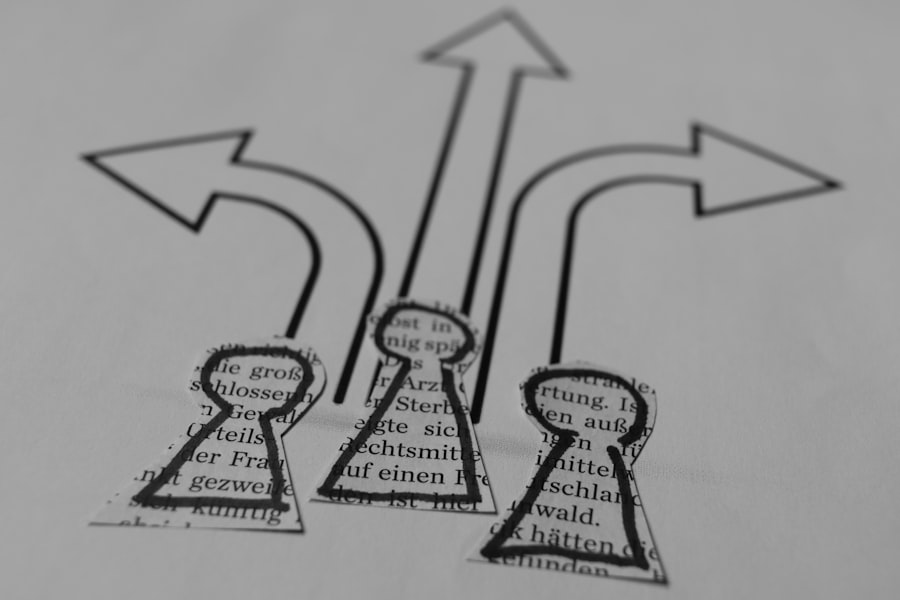
You stand at a crossroads. Not a dramatic, life-altering, cliffhanger of a crossroads, but the mundane, everyday variety. Should you try that new coffee shop, or stick with your usual? Click on that enticing link, or resist the urge? Pick the blue shirt, or the grey one? These seemingly small choices, multiplied by hundreds each day, can leave you feeling drained, overwhelmed, and surprisingly anxious. This, my friend, is the burden of decision stakes, and it’s time you learned to lighten that load.
You’ve likely heard the term “decision fatigue.” It’s the idea that your willpower, your capacity to make good choices, is a finite resource that depletes with each decision you make. But what fuels this fatigue? It’s not just the sheer volume of choices; it’s the perceived stakes attached to each one.
The “What If” Spiral
Every decision, no matter how trivial, carries a whisper of “what if.” What if the new coffee shop has terrible coffee and you waste your precious morning caffeine intake? What if that link leads to a time-wasting rabbit hole, stealing valuable minutes from your workday? What if the blue shirt clashes with your mood, leading to a subtle but persistent feeling of unease? You might not consciously articulate these worries, but your brain is constantly, quietly calculating probabilities and potential negative outcomes. This mental calculus, especially for minor decisions, is what inflates the stakes and contributes to that weary feeling.
The Illusion of Control and Optimization
We live in a culture that champions efficiency and optimization. We’re told to make the “best” choice, to maximize our outcomes. This pressure to always choose optimally, even for something as simple as what to eat for lunch, can create unnecessary stress. You feel like you should know the perfect, most beneficial option, and any deviation feels like a failure. This is an illusion. For most of your daily decisions, there isn’t a single “perfect” answer, and striving for one is a recipe for anxiety. The stakes are artificially inflated because you’ve convinced yourself that making the “wrong” minor choice has significant repercussions.
The Weight of Habit and Inertia
Sometimes, the stakes feel high simply because breaking a habit feels like a big deal. Sticking with your usual coffee shop, for instance, is comfortable. It’s known, it’s predictable. Trying something new requires stepping outside that comfort zone, and that in itself can feel like a decision with higher stakes. The effort involved in changing a routine, even a small one, can feel disproportionate to the perceived reward, leading you to avoid the change and thus overemphasize the “risk” of deviating.
In today’s fast-paced world, making decisions can often feel overwhelming, but there are effective strategies to lower the stakes and simplify the process. One insightful article that explores this topic is available at Unplugged Psych, where you can find practical tips on how to approach decision-making with a clearer mindset. By understanding the psychological aspects behind our choices, we can reduce anxiety and enhance our ability to make confident decisions.
Strategies for Lowering Decision Stakes: A Practical Toolkit
Now that you understand why these small choices can feel so daunting, let’s equip you with the tools to dismantle this unnecessary burden. The goal here isn’t to eliminate decision-making entirely – that’s impossible – but to systematically reduce the perceived importance of those everyday choices.
Pre-Decision Protocols: Setting the Stage for Simplicity
Before you even face a choice, you can establish systems that simplify your decision-making process. Think of these as pre-emptive strikes against decision overload.
Establish Defaults and Routines: The Power of Automation
This is perhaps the most powerful strategy. Identify recurring decisions that drain your mental energy and automate them.
Wardrobe Choices: The Uniform Approach
Why spend ten minutes each morning deciding what to wear? Consider a minimalist wardrobe or even a version of the “uniform” approach many successful people adopt. If you have a few go-to outfits that are comfortable and appropriate for your daily activities, you eliminate a significant chunk of decision-making. This doesn’t mean you can’t have variety; it means you curate your options. Have a few pairs of versatile pants, a handful of comfortable shirts, and a couple of go-to jackets. You’ll be surprised how much mental space this frees up.
Meal Planning: Eliminating the “What’s for Dinner?” Dread
The nightly question of what to eat can be a major source of stress. Implement a simple meal plan for the week. It doesn’t have to be gourmet. A few recurring simple meals you enjoy, interspersed with new recipes you want to try, can make a huge difference. Batch cooking on a Sunday can also alleviate daily decisions about preparation. When you know what you’re having for lunch or dinner, the decision is already made.
Morning Rituals: Streamlining Your Start
Your morning sets the tone for your day. Create a consistent morning routine that minimizes decisions. This could involve having your workout clothes laid out the night before, a pre-selected breakfast option, or a designated time for checking emails. The fewer spontaneous choices you have to make before your brain is fully awake, the better.
Set Decision Limits: The “Rule of Three”
For certain types of choices, consciously limit your options. Instead of browsing endlessly through online retailers, for example, set a “rule of three.” Look at only three items and make your decision based on those. This prevents you from getting lost in a sea of choices and reduces the perceived stakes by focusing your attention.
Making decisions can often feel overwhelming, especially when the stakes are high. To help alleviate some of this pressure, you might find it beneficial to explore strategies that can lower the stakes of your choices. For instance, a related article discusses practical techniques to simplify decision-making processes and reduce anxiety. You can read more about these helpful strategies in this insightful piece found here. By implementing these approaches, you can approach your decisions with greater confidence and clarity.
During-Decision Tactics: Making the Choice Easier
When you do encounter a decision, there are ways to make the process itself less taxing.
The “Good Enough” Principle: Embracing Imperfection
This is crucial. For the vast majority of your daily decisions, “good enough” is indeed good enough. Stop striving for perfection. The coffee from your usual shop might not be artisanal, but it’s perfectly adequate for your needs. The link you click might not be a life-changing discovery, but it’s likely harmless. Embracing the “good enough” principle liberates you from the pressure of making the absolute “best” choice, lowering the stakes considerably.
Timeboxing Decisions: Setting a Timer for Choices
For decisions that feel particularly sticky, set a time limit. If you find yourself agonizing over a purchase or a small task, give yourself five minutes. When the timer goes off, make a decision based on the information you have. This prevents you from spiraling into analysis paralysis and reinforces the idea that even a quick decision is often sufficient.
Eliminating Non-Essential Options: Decluttering Your Decision Space
Just as you declutter your physical space, you can declutter your decision space. This means consciously removing options that don’t truly serve you or add value. If you find yourself constantly regretting trying certain types of food, stop buying them. If a particular social media platform consistently makes you feel anxious, unfollow accounts or even delete the app. By actively reducing the number of potential choices you are presented with, you naturally lower the stakes.
Post-Decision Strategies: Reinforcing Your Success
Once a decision is made, your work isn’t done. How you handle the aftermath can reinforce your efforts to lower decision stakes.
The Power of Acceptance: Letting Go of Regret
Once you’ve made a decision, accept it. Resist the urge to second-guess yourself. This is where the “what if” spiral can creep back in. Remind yourself that you made the best choice you could with the information available at the time. Dwelling on hypothetical alternatives only serves to increase the perceived stakes of the original decision and breeds future anxiety.
Re-evaluating Past Decisions: A Learning Opportunity, Not a Torture Chamber
It’s natural to occasionally look back and think, “Maybe I should have done X.” But frame this as a learning opportunity, not a cause for self-recrimination. What did you learn from that experience that can inform future choices? Did it highlight a pattern of indecisiveness? Did it show you that the outcome wasn’t as dire as you feared? Use it as data, not as ammunition for regret.
Celebrating Small Wins: Acknowledging Your Progress
Acknowledge when you successfully navigate a decision without excessive stress. Did you try a new route to work and it was fine? Did you pick a lunch option quickly and enjoy it? These small wins are important. They reinforce your ability to make decisions with lower stakes and build confidence for future choices.
The “Future You” Perspective: Long-Term Vision
When faced with a decision, ask yourself: “What will Future You think of this choice?” This isn’t about making the perfect choice, but about making a choice that Future You won’t regret or be overly burdened by. For example, choosing to go to the gym instead of binge-watching TV might be a small struggle in the moment, but Future You will likely be grateful for the health benefits and the sense of accomplishment. This shifts the focus from immediate gratification and potential minor discomfort to a more sustainable, less anxiety-inducing outcome.
Contextualizing Choices: Understanding the True Impact
Not all decisions are created equal. The key to reducing decision stakes is learning to differentiate between choices that truly matter and those that are largely inconsequential.
Identifying High-Stakes vs. Low-Stakes Decisions: A Mental Filter
This requires conscious effort. Develop a mental filter to categorize your decisions.
- High-Stakes: These are decisions with significant long-term consequences, impacting your finances, health, relationships, or career trajectory. Examples include choosing a university, deciding to get married, making a major investment, or accepting a job offer.
- Low-Stakes: These are decisions with minimal to no long-term impact. They are often about immediate comfort, preference, or routine. Examples include what to wear on a casual day, which route to take to the grocery store, or what to watch on streaming.
By consciously applying this filter, you can allocate your mental energy to the decisions that truly warrant it, effectively lowering the stakes for everything else.
The Pareto Principle in Decision-Making: The 80/20 Rule
Consider the Pareto Principle (the 80/20 rule) in your decision-making. It suggests that roughly 80% of your outcomes come from 20% of your efforts. Apply this to your choices. Identify the 20% of decisions that will have the most significant impact on your life and focus your mental energy there. For the remaining 80% of decisions, aim for “good enough” and move on. This mindset shift is incredibly liberating and drastically reduces the perceived stakes of the majority of your daily choices.
Cultivating a Mindset of Non-Attachment: Detaching from Outcomes
Ultimately, reducing decision stakes is about cultivating a certain mindset. It’s about learning to detach yourself from the absolute necessity of a specific outcome.
Practicing Mindfulness: Being Present in the Moment
Mindfulness is about being fully present in the current moment without judgment. When you’re consciously aware of your surroundings and your internal state, you’re less likely to get caught up in hypothetical scenarios or future anxieties. This can help you observe your decision-making process with a calmer, more objective perspective, naturally lowering the stakes of each individual choice.
Embracing Uncertainty: The Inevitability of the Unknown
Life is inherently uncertain. Every decision you make involves stepping into the unknown to some degree. Instead of fearing this uncertainty, try to embrace it. Understand that you cannot control every outcome. By accepting this inherent uncertainty, you reduce the pressure to make the “perfect” choice and thus lower the perceived stakes.
Focusing on Process Over Outcome: The Journey Matters
Shift your focus from the desired outcome to the process of making the decision. Are you gathering information reasonably? Are you considering your options thoughtfully (but not obsessively)? Is your decision aligned with your values? When you prioritize a sound decision-making process, you become less attached to any single outcome, thereby lowering the stakes.
By implementing these strategies, you can begin to dismantle the unnecessary weight of everyday decisions. You’ll find yourself with more mental energy, less anxiety, and a greater capacity to focus on the choices that truly shape your life. So, the next time you’re faced with a seemingly daunting choice, remember: you have the power to lower the stakes. Your future, less-drained self will thank you.

Why Tiny Decisions Feel So Serious
FAQs
What are some strategies for lowering the stakes of decisions?
Some strategies for lowering the stakes of decisions include breaking the decision into smaller parts, seeking input from others, reframing the decision as an experiment, and considering the worst-case scenario.
How can seeking input from others help lower the stakes of a decision?
Seeking input from others can help lower the stakes of a decision by providing different perspectives and insights, which can help in making a more informed and less stressful decision.
Why is reframing a decision as an experiment helpful in lowering the stakes?
Reframing a decision as an experiment can lower the stakes by shifting the focus from the potential negative outcomes to the opportunity for learning and growth, reducing the fear and pressure associated with the decision.
What role does considering the worst-case scenario play in lowering the stakes of a decision?
Considering the worst-case scenario can help lower the stakes of a decision by providing a realistic perspective on the potential outcomes, which can reduce the fear and anxiety associated with making the decision.
How can breaking a decision into smaller parts help lower the stakes?
Breaking a decision into smaller parts can lower the stakes by making the decision more manageable and less overwhelming, allowing for a step-by-step approach that reduces the pressure and stress associated with the decision.