
You often find yourself caught in the whirlwind of external demands. The constant ping of notifications, the insistent hum of societal expectations, the chorus of opinions from friends, family, and even strangers online – it can feel like a relentless tide. In this cacophony, one voice often gets lost: your own. This isn’t a weakness, but a common human experience. The ability to discern and honor your inner voice is a profound journey, a skill that requires cultivation, patience, and a willingness to quiet the noise and truly listen. This article is your guide to embarking on that journey, helping you to find your inner compass and navigate life with greater clarity and authenticity.
Before you can learn to listen, it’s crucial to understand what your inner voice actually is. It’s not a booming pronouncement from the heavens, nor is it a constant stream of perfectly formed thoughts. Instead, your inner voice is a subtle, multifaceted aspect of your being that holds your genuine desires, intuitions, needs, and values. It’s the quiet knowing that arises when you’re truly present, the gentle nudge that steers you towards what feels right, and the deep-seated wisdom that has been accumulating throughout your life experiences.
The Difference Between Ego and Intuition
One of the most common confusions when trying to access your inner voice is mistaking the insistent chatter of your ego for genuine intuition. Your ego is your sense of self, your identity, and it’s often driven by fear, the need for validation, and a desire to fit in or control. It thrives on external approval and can create anxieties around perceived failures or inadequacies. Your intuition, on the other hand, is your innate, inherent wisdom. It bypasses the analytical mind and taps into a deeper understanding of situations and yourself. It’s often characterized by a sense of calm certainty, a feeling of rightness, or a visceral gut feeling. Learning to differentiate these two is foundational to trusting what you hear.
Recognizing Egoic Patterns
Pay attention to the thoughts that arise when you’re faced with a decision. Does the thought come with a sense of urgency, dread, or a desperate need for a specific outcome? Does it focus on what others will think? Does it involve a lot of “shoulds” and “musts”? These are often hallmarks of the ego speaking. It might tell you to pursue a career path because it’s prestigious, even if it doesn’t align with your passions, or to stay in a relationship out of fear of being alone, despite a lack of genuine connection. The ego’s voice is often loud, insistent, and fear-based.
Cultivating Intuitive Signals
Intuition often manifests more subtly. It might be a fleeting feeling of peace when considering a particular option, a gut feeling that something isn’t quite right without a clear logical reason, or a spontaneous creative idea that feels deeply resonant. It can also be a sense of knowing that bypasses conscious analysis. Journaling your feelings and experiences, especially after making decisions, can help you identify recurring patterns of intuitive nudges and how they contrasted with ego-driven fears. Practices like meditation and mindfulness are incredibly effective in quieting the mental chatter and allowing these subtler intuitive signals to surface.
Your Inner Voice as a Compass
Think of your inner voice as your personal compass. It’s the internal guide that points you towards your true north, the direction that is most aligned with your authentic self. In a world that constantly bombards you with external directions and expectations, having this internal compass is essential for navigating life with purpose and integrity. It’s not about making choices that are always easy or popular, but about making choices that are true to who you are meant to be.
Aligning with Your Values
Your core values are the fundamental beliefs that guide your life. They are the principles you hold dear and that influence your decisions and actions. Your inner voice is intimately connected to these values. When you act in alignment with your values, you feel a sense of inner harmony and contentment. When you deviate, you’ll likely experience dissonance, guilt, or a feeling of being off-kilter. Learning to identify your core values is a crucial step in understanding what your inner voice is trying to communicate.
Honoring Your Desires and Needs
Beyond your values, your inner voice also speaks to your deepest desires and unmet needs. These aren’t necessarily superficial wants, but rather the fundamental things that nourish your soul and contribute to your well-being. It might be a need for more creative expression, a longing for deeper connection, a desire for stillness, or a yearning for personal growth. Suppressing these needs and desires for the sake of external pressures is a sure way to silence your inner voice. Listening to it means acknowledging and, where possible, addressing these fundamental aspects of yourself.
If you’re interested in exploring the concept of self-listening further, you might find the article on the Unplugged Psych website particularly insightful. It delves into techniques and practices that can enhance your ability to tune into your inner voice and understand your emotions better. To read more about this topic, visit Unplugged Psych for valuable resources and guidance.
Creating Space for Self-Reflection
The most significant obstacle to hearing your inner voice is often a lack of dedicated space for quiet introspection. You are constantly reacting to the external world, leaving little room for internal exploration. Creating intentional pockets of stillness in your life is not a luxury; it’s a necessity for reconnecting with yourself.
The Power of Solitude
Solitude is distinct from loneliness. Loneliness is a painful feeling of isolation, while solitude is a chosen state of being alone that allows for introspection and rejuvenation. It’s in these moments of undisturbed company with yourself that your inner voice can begin to emerge from the background noise of your daily life. Even short periods of solitude can be incredibly impactful.
Embracing Unscheduled Time
In our highly scheduled lives, it’s easy to view unscheduled time as an opportunity to fill with more activities. Instead, try to view these gaps as invitations to simply be. Resist the urge to immediately reach for your phone or to plan the next task. Allow yourself the freedom to just sit, observe, and notice what arises within you. This might feel uncomfortable at first, especially if you’re accustomed to constant stimulation, but it’s in this discomfort that growth often occurs.
Finding Sanctuary in Nature
Nature has a remarkable ability to soothe the mind and connect you to something larger than yourself. Spending time outdoors, whether it’s a walk in the park, a hike in the mountains, or simply sitting by a body of water, can create a profound sense of peace and clarity. The natural rhythms of the earth can help to quiet your internal chatter and amplify the subtler frequencies of your inner voice. Observe the details, breathe deeply, and allow the tranquility of your surroundings to seep into your being.
Mindfulness and Meditation Practices
Mindfulness and meditation are ancient practices that have been scientifically proven to enhance self-awareness and reduce stress. They are powerful tools for training your attention and developing the ability to observe your thoughts and feelings without judgment, which is crucial for discerning your inner voice.
Simple Breathing Exercises
Begin with the most fundamental aspect of mindfulness: your breath. Find a comfortable seated position, close your eyes, and simply focus your attention on the sensation of your breath entering and leaving your body. When your mind wanders (and it will), gently guide your attention back to your breath without self-criticism. Even five minutes of focused breathing each day can begin to build your capacity for self-awareness.
Guided Meditations for Inner Listening
Numerous guided meditations are available online and through apps, specifically designed to help you connect with your inner voice or cultivate intuition. These meditations often involve visualizations or prompts that encourage you to pay attention to your bodily sensations and inner feelings. Experiment with different types of guided meditations to find what resonates best with you.
Developing Intuitive Awareness
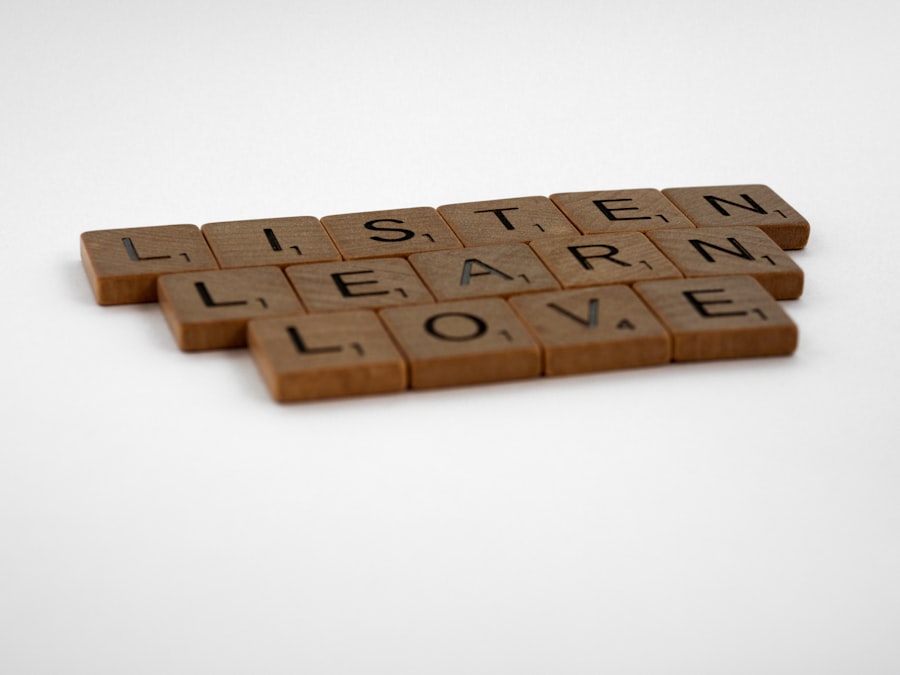
Developing your intuitive awareness is akin to strengthening a muscle. The more you consciously engage with it, the more responsive and reliable it becomes. This means actively seeking out opportunities to practice listening to your gut feelings and observing the outcomes.
Trusting Your Gut Feelings
Your gut feeling is often the first indication that your intuition is speaking. It’s a physical sensation, a visceral knowing that can arise in your stomach or chest. Learning to pay attention to these sensations and to trust them, even when they contradict logical reasoning, is a significant step in developing your intuitive awareness.
Recognizing Physical Cues
As you practice mindfulness, you’ll begin to notice subtle physical cues that accompany your intuition. You might experience a lightness or warmth when something feels right, or a tightness or heaviness when something feels wrong. These are not just random sensations; they are energetic indicators that your body is communicating something important to you. Journaling these physical experiences alongside your thoughts can help you to build a vocabulary of your intuition.
Practicing Non-Judgmental Observation
When you experience a gut feeling, resist the urge to immediately analyze or dismiss it. Instead, try to observe it with curiosity and non-judgment. Ask yourself: “What is this feeling telling me?” “Where do I feel this in my body?” The more you practice this detached observation, the easier it will become to interpret the messages your intuition is sending.
Learning to Heed Inner Guidance
Once you start to recognize your intuitive signals, the next step is to learn to act on them. This often requires courage, as it might mean going against the advice of others or stepping outside of your comfort zone.
Small Steps and Experimentation
You don’t need to make drastic life changes to practice heeding your inner guidance. Start with small, low-stakes decisions. For example, if you have two options for lunch, and one feels slightly more appealing for no apparent reason, choose that one. Notice how you feel afterwards. This experimentation builds confidence and teaches you to trust the process.
Reflecting on Past Experiences
Look back at times when you either followed your intuition or ignored it. What were the outcomes? When you followed your gut, how did it feel? When you chose to override it, what were the consequences? Regularly reflecting on these experiences will reinforce the value of your inner guidance and help you to learn from both successes and perceived failures.
Overcoming Barriers to Self-Trust

There are often deeply ingrained patterns and beliefs that prevent you from truly trusting yourself and your inner voice. Recognizing and actively working to dismantle these barriers is a crucial part of the process.
Releasing the Need for External Validation
For many, a significant barrier to self-trust is the deeply ingrained need for approval from others. Your inner voice offers a different kind of validation – one that comes from within. Learning to detach your sense of self-worth from external opinions is liberating.
Identifying Your People-Pleasing Tendencies
Are you someone who often says “yes” when you really want to say “no”? Do you find yourself constantly seeking the approval of friends, family, or colleagues? Recognizing these people-pleasing tendencies is the first step to disentangling your needs from the perceived needs of others. Your inner voice will often whisper the opposite of what you believe others want, and learning to honor that whisper is key.
Setting Healthy Boundaries
Setting boundaries is not about being selfish; it’s about self-preservation and respecting your own energy and needs. When you set clear boundaries, you are honoring your inner voice by communicating what you are and are not willing to accept. This can be challenging, especially at first, but it is essential for protecting your inner space and fostering self-trust.
Challenging Self-Doubt and Limiting Beliefs
Self-doubt is the antithesis of self-trust. It’s the inner critic that tells you you’re not good enough, not smart enough, or not capable enough. These limiting beliefs often stem from past experiences or societal conditioning, and they can drown out your inner voice.
Deconstructing Negative Self-Talk
Become a conscious observer of your internal dialogue. When you catch yourself engaging in negative self-talk, pause and question the validity of those thoughts. Are they based on facts or assumptions? What would you say to a friend who was experiencing similar self-doubt? Practicing compassionate self-talk can begin to dismantle these ingrained patterns.
Embracing Imperfection and Growth
The pursuit of perfection is a common source of self-doubt. Your inner voice doesn’t demand perfection; it guides you towards growth and authenticity. Embrace the fact that you will make mistakes, and view them as opportunities for learning rather than failures. This shift in perspective can significantly reduce the fear that fuels self-doubt.
Learning to listen to yourself is an essential skill for personal growth and self-awareness. It allows you to connect with your inner thoughts and feelings, leading to better decision-making and emotional well-being. For those looking to deepen their understanding of this practice, a related article can provide valuable insights and techniques. You can explore more about this topic in the article found here, which offers practical advice on how to cultivate the habit of self-listening.
Integrating Your Inner Voice into Daily Life
| Metrics | Data |
|---|---|
| Self-reflection | Regularly take time to reflect on your thoughts and feelings |
| Mindfulness | Practice being present and aware of your emotions and physical sensations |
| Journaling | Write down your thoughts and experiences to gain insight into your inner voice |
| Seeking solitude | Find quiet time alone to listen to your inner thoughts and feelings |
| Therapy or counseling | Consider seeking professional help to explore and understand your inner self |
The ultimate goal is not just to find your inner voice, but to integrate its wisdom into the fabric of your daily existence. This means making conscious choices that reflect what you hear from within, even when it’s challenging.
Making Decisions Aligned with Your True Self
Your inner voice is your ultimate authority when it comes to making decisions, both big and small. When you learn to tap into it consistently, your choices will become more aligned with your authentic desires and values.
The Art of Conscious Decision-Making
Before making any significant decision, take a pause. Ask yourself: “What does my gut tell me?” “What feels most aligned with my values?” “What would my highest self do in this situation?” Don’t just rely on logic; allow your intuition to weigh in. If there’s a discrepancy between your logical thoughts and your intuitive feelings, explore that difference. Often, the intuitive message is the more profound one.
Navigating Relationships Authentically
In relationships, it can be tempting to conform to expectations or suppress your own needs to maintain harmony. Your inner voice can guide you in communicating your truth respectfully and setting healthy boundaries, leading to more authentic and fulfilling connections. Being true to yourself in relationships allows for genuine intimacy to blossom.
Trusting Your Intuition in Uncertain Times
Life is filled with uncertainty. It’s during these times of ambiguity that your inner voice can be your most valuable guide. When the path ahead is unclear, your intuition can offer a sense of direction and peace.
Letting Go of the Need for Certainty
The human desire for certainty is strong, but it can also be a trap. Your inner voice often operates in the realm of the unknown, offering guidance when logical answers are unavailable. Practice letting go of the need to have everything figured out and instead, trust that you have the inner wisdom to navigate whatever comes your way.
Embracing Your Personal Journey
Ultimately, finding and listening to your inner voice is a deeply personal journey. It’s about cultivating a profound connection with yourself, learning to trust your own wisdom, and living a life that is authentically your own. Be patient with yourself, celebrate small victories, and know that with consistent practice, you can transform the cacophony of the external world into a symphony of inner clarity and purpose. Your inner voice is always there, waiting to be heard. It’s time to truly listen.

Why You Don’t Feel Like Yourself Anymore
FAQs
What does it mean to “listen to yourself”?
Listening to yourself means paying attention to your own thoughts, feelings, and needs. It involves self-awareness and being in tune with your inner voice.
Why is it important to listen to yourself?
Listening to yourself is important for making decisions that align with your values and goals. It can also help you manage stress, improve relationships, and enhance overall well-being.
How can I improve my ability to listen to myself?
Improving your ability to listen to yourself can be done through practices such as mindfulness, journaling, and self-reflection. It’s also important to prioritize self-care and set boundaries.
What are the benefits of listening to yourself?
The benefits of listening to yourself include increased self-awareness, better decision-making, improved mental and emotional health, and a stronger sense of authenticity and confidence.
What are some common barriers to listening to yourself?
Common barriers to listening to yourself include self-doubt, external pressures, fear of judgment, and a lack of self-care. It’s important to recognize and address these barriers in order to cultivate a stronger connection with yourself.