
Your nervous system is a marvel of biological engineering, a constant hum of activity that keeps you alive and interacting with the world. But sometimes, that hum can turn into a piercing siren, leaving you feeling perpetually on edge, hypervigilant, and exhausted. You might find yourself reacting to minor stressors as if they were existential threats, your heart pounding, your muscles tensing, and your mind racing. This isn’t a personal failing; it’s your nervous system doing what it’s designed to do, albeit perhaps a little too enthusiastically. Understanding why your nervous system is always on alert is the first step to regaining a sense of calm and control.
At its core, your nervous system is wired for survival. Eons of evolution have instilled in it a primal directive: protect you from harm. This fundamental programming dictates that potential threats, even ambiguous ones, should be met with immediate and robust responses. Imagine your ancient ancestors encountering a rustling in the bushes. Was it a predator? A harmless animal? The safest course of action was always to assume the worst. This led to the development of a highly sensitive threat detection system.
The Amygdala: Your Brain’s Smoke Detector
Consider the amygdala, a small, almond-shaped structure deep within your brain. It’s the primary hub for processing emotions, particularly fear. Think of it as your brain’s smoke detector. When it senses even a wisp of potential danger – a sudden loud noise, an unexpected email from your boss, a perceived slight from a friend – it triggers an alarm. This alarm doesn’t necessarily require conscious thought. The amygdala can initiate responses before your conscious mind even registers what’s happening. This is why you might jump out of your skin at a dropped object before you even know what it was.
The Fight-or-Flight Response: A Biological Imperative
When the amygdala sounds the alarm, it activates the body’s fight-or-flight response, a cascade of physiological changes designed to prepare you to either confront a threat or escape it. This involves the sympathetic nervous system, part of your autonomic nervous system that operates largely without conscious control.
Hormonal Havoc: The Adrenaline and Cortisol Rush
The sympathetic nervous system stimulates the release of stress hormones, most notably adrenaline (epinephrine) and cortisol. Adrenaline provides an immediate burst of energy, increasing your heart rate, blood pressure, and respiration. It diverts blood flow away from non-essential functions like digestion and towards your muscles, preparing them for action. Cortisol, while longer-lasting, also plays a crucial role. It mobilizes energy stores, suppresses inflammation (which can be detrimental in an immediate crisis), and heightens alertness. While incredibly useful for surviving genuine emergencies, a constantly triggered system means these hormones are present in your bloodstream far more often than they should be, leading to a host of negative consequences.
Physical Manifestations: A Body on High Alert
The physical symptoms of this activation are often undeniable. You might experience:
- Rapid heart rate and palpitations: Your heart beats faster to pump more blood to your muscles.
- Increased breathing rate and shortness of breath: You take in more oxygen to fuel your body.
- Muscle tension and restlessness: Your muscles are primed for action, leading to a feeling of being wired.
- Shakiness or trembling: A result of the surge in adrenaline.
- Sweating: Your body’s way of cooling down during exertion.
- Digestive upset: Blood is diverted away from the digestive system, leading to nausea or stomach cramps.
- Headaches and dizziness: Changes in blood pressure and oxygen levels can contribute to these.
- Sleep disturbances: Your alerted nervous system makes it difficult to relax and fall asleep.
The Role of the Prefrontal Cortex: The Slowed-Down Thinker
While the amygdala is the rapid responder, the prefrontal cortex (PFC) is responsible for higher-level cognitive functions, including reasoning, decision-making, and impulse control. In a calm state, the PFC can help regulate the amygdala’s responses, assessing threats more rationally and preventing overreactions. However, chronic stress and constant alerts can impair the PFC’s functioning. When your nervous system is perpetually on edge, the amygdala often hijacks the brain’s resources, leaving the PFC struggling to catch up and exert control. This means you might find yourself acting impulsively or struggling to think clearly when you’re under stress.
If you often find yourself feeling like your nervous system is always on alert, it may be helpful to explore the factors contributing to this heightened state of awareness. Stress, anxiety, and even certain lifestyle choices can play a significant role in keeping your body in a constant state of readiness. For a deeper understanding of these dynamics and strategies for finding balance, you can read more in this insightful article on the topic at Unplugged Psychology.
Modern Life: A Smorgasbord of Stressors
The survival mechanisms hardwired into your nervous system were developed for a world vastly different from the one you inhabit today. While our ancestors faced concrete, immediate dangers like predators and environmental catastrophes, modern life presents a more insidious, chronic, and often abstract array of stressors. Your nervous system, designed for acute threats, struggles to differentiate between a saber-toothed tiger and a looming work deadline.
Information Overload: The 24/7 News Cycle and Social Media
You live in an age of unprecedented information access. News feeds, social media notifications, and constant connectivity inundate you with information, much of which is negative or anxiety-provoking. Studies have shown that even passively consuming negative news can trigger a stress response. The sheer volume of information can overwhelm your cognitive capacity, making it difficult to filter out the truly important from the noise.
The Digital Alarm Bell: Notifications and Social Media Triggers
Every “ding” from your phone is a potential digital alarm bell. Social media, while offering connection, can also be a breeding ground for comparison, envy, and FOMO (fear of missing out), all of which can trigger anxiety and stress. You might find yourself compulsively checking notifications, a behavior driven by the underlying need to stay informed and avoid perceived social exclusion, but which keeps your nervous system in a perpetual state of readiness.
Demands of the Modern Workplace: Productivity Pressure and Burnout
The expectations of the modern workplace can be relentless. You’re often expected to be constantly available, productive, and innovative. Deadlines loom, projects pile up, and the fear of falling behind or losing your job can keep your nervous system in a constant state of heightened alert. This can lead to burnout, a state of emotional, physical, and mental exhaustion caused by prolonged or excessive stress.
The “Always On” Culture: Blurring Boundaries Between Work and Life
The lines between work and personal life have become increasingly blurred, especially with the rise of remote work. You might find yourself answering emails at all hours, taking calls during family dinner, or thinking about work even when you’re supposed to be relaxing. This “always on” culture deprives your nervous system of much-needed downtime and recovery periods.
Social and Financial Pressures: The Invisible Threats
Beyond the immediate pressures of work and information, the subtle yet persistent anxieties of social validation and financial security can also keep your nervous system on high alert. The pressure to maintain a certain lifestyle, to be successful, or to fit into societal norms can create a constant undercurrent of stress. Financial worries, whether it’s paying bills, saving for retirement, or dealing with unexpected expenses, are potent and enduring stressors that can keep your system primed for potential future scarcity.
The Comparison Trap: Social Media’s Illusion of Perfect Lives
Social media often presents a curated highlight reel of others’ lives, making it easy to fall into the comparison trap. You might see perfectly sculpted bodies, exotic vacations, and seemingly effortless success, leading to feelings of inadequacy and further fueling your stress response. This constant comparison can make you feel like you’re perpetually falling short, even if the reality is far more nuanced.
Past Experiences: The Lingering Echoes of Trauma

Your nervous system doesn’t just react to present dangers; it also remembers past ones. Traumatic experiences, whether they were physical, emotional, or psychological, can leave a lasting imprint on your nervous system, making it more sensitive and prone to hypervigilance. This is particularly true for Adverse Childhood Experiences (ACEs), which can have profound and long-lasting effects on development and stress response.
Trauma and the Brain: Rewiring for Survival
When you experience trauma, your brain can undergo significant changes. The amygdala can become overactive, making you more susceptible to fear and anxiety. The hippocampus, which is crucial for memory formation and regulation, can shrink, making it difficult to distinguish between past threats and present safety. This can lead to a condition known as Post-Traumatic Stress Disorder (PTSD), where individuals experience flashbacks, nightmares, and intense anxiety in response to triggers that remind them of their trauma.
Triggers: Unconscious Reminders of Past Pain
Traumatic memories are not simply cognitive facts; they are deeply encoded in your nervous system. Certain sights, sounds, smells, or even emotional states can act as triggers, unconsciously bringing you back to the experience of the trauma. When triggered, your nervous system essentially “replays” the survival response, even if the current environment is safe. This can manifest as sudden panic attacks, intense fear, or a feeling of impending doom.
Attachment Styles and Early Life Experiences: Setting the Foundation
Your early life experiences, particularly your relationships with primary caregivers, play a crucial role in shaping your attachment style and your nervous system’s capacity for regulation. Secure attachment, fostered through consistent and responsive caregiving, teaches a child that the world is generally safe and that they can rely on others for comfort. Insecure attachment, on the other hand, can lead to a nervous system that is more easily dysregulated and prone to anxiety or avoidance.
Inconsistent Caregiving: A Predictably Unpredictable World
If your early environment was characterized by inconsistent caregiving, you may have learned to be constantly on guard, anticipating the next shift in mood or availability of your caregiver. This fosters a sense of unpredictability and a need to be hyper-aware of subtle cues, which can carry forward into adulthood, making you more attuned to potential threats in your environment.
Unresolved Grief and Loss: The Weight of Unprocessed Emotion
Grief and loss, when not adequately processed, can become a persistent burden on your nervous system. The emotional turmoil, the sense of disorientation, and the sheer weight of sadness can keep your system in a state of elevated alert, as if it’s still searching for what was lost or trying to make sense of the absence. This can manifest as a general feeling of unease, irritability, or a pervasive sense of sadness that impacts your ability to relax.
Genetic Predisposition: The Biological Blueprint for Sensitivity
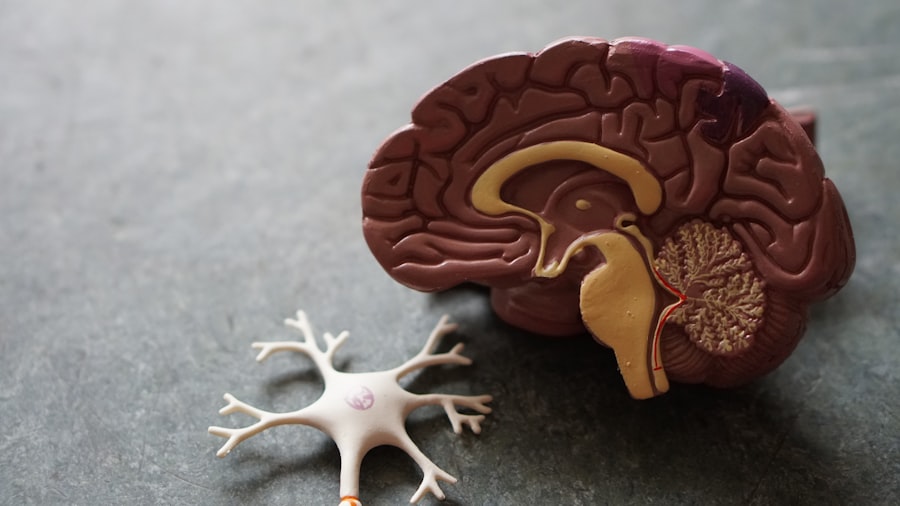
While environmental factors play a significant role, you cannot ignore the influence of your genetic makeup. Some individuals are born with a nervous system that is inherently more sensitive and reactive than others. This genetic predisposition can make you more susceptible to developing anxiety disorders and can mean that you experience stress responses more intensely and for longer durations.
The Neurotransmitter Connection: Building Blocks of Brain Communication
Your nervous system relies on a complex interplay of neurotransmitters, chemical messengers that transmit signals between nerve cells. Variations in genes that control the production, transport, and reception of neurotransmitters like serotonin, dopamine, and norepinephrine can influence your mood, anxiety levels, and stress responses. If you have a genetic variation that affects the reuptake of serotonin, for example, it might mean that serotonin stays in the synapse for longer, potentially leading to increased feelings of anxiety or depression.
Serotonin and Anxiety: A Delicate Balance
Serotonin, often called the “feel-good” neurotransmitter, plays a vital role in regulating mood, sleep, and appetite. Inadequate serotonin levels are often associated with anxiety and depression. Genetic variations can affect how efficiently your body produces or utilizes serotonin, potentially predisposing you to a more anxious temperament.
Temperament and Personality: Innate Tendencies
Your temperament, the innate behavioral and emotional style that is evident from early in life, is influenced by genetics. Some individuals are naturally more cautious, sensitive, or prone to negative emotions, while others are more easygoing and optimistic. If your innate temperament leans towards higher levels of neuroticism or introversion, you might be more prone to experiencing heightened arousal and a greater perception of threat.
The “Highly Sensitive Person” (HSP) Trait: A Different Way of Processing
The concept of the “Highly Sensitive Person” (HSP) describes individuals who are more sensitive to sensory input, emotional subtleties, and the environment. This heightened sensitivity is believed to have a biological basis, meaning that their nervous systems process information more deeply and thoroughly. While not a disorder, this trait can lead to feeling easily overwhelmed, stressed, or on edge if not managed with awareness and self-care.
Family History of Mental Health Conditions: The Intergenerational Link
If mental health conditions like anxiety, depression, or PTSD run in your family, you may have a higher genetic risk of experiencing similar challenges. This doesn’t mean you’re destined to suffer, but it does indicate a greater biological vulnerability that can interact with your environment and experiences. Understanding this family history can empower you to be more proactive in assessing your own mental well-being and seeking support if needed.
If you often find that your nervous system is always on alert, you might find it helpful to explore the insights shared in a related article on stress and anxiety management. Understanding the underlying causes of this heightened state can be crucial for finding effective coping strategies. For more information on how to manage these feelings and promote relaxation, you can read more in this informative piece on Unplugged Psych.
The Cycle of Stress: How Being On Alert Fuels More Alertness
| Factors | Impact on Nervous System |
|---|---|
| Chronic stress | Triggers the release of stress hormones, keeping the nervous system in a constant state of alert |
| Anxiety | Causes the nervous system to be hyperactive, leading to constant alertness and heightened sensitivity |
| Trauma | Can result in hypervigilance and a heightened startle response, keeping the nervous system on high alert |
| Lack of sleep | Disrupts the balance of neurotransmitters and hormones, leading to an overactive nervous system |
It’s a vicious cycle: the more your nervous system is on alert, the more it becomes wired to stay that way. This creates a feedback loop where perceived threats, actual or imagined, trigger stress responses that, in turn, lower your threshold for future stress. Breaking this cycle requires a conscious effort to interrupt the automatic responses and retrain your nervous system to find a calmer equilibrium.
Chronic Stress and Neuroplasticity: The Brain Adapts
Your brain is remarkably adaptable, a phenomenon known as neuroplasticity. Unfortunately, chronic stress can lead to maladaptive neuroplastic changes. If your brain is consistently bombarded with stress signals, it can become more efficient at detecting and responding to them. This means that what was once a minor stressor can become a significant trigger over time. Your neural pathways become “hardened” for vigilance.
Sensitization: When the Alarm Stays On
Consider the process of sensitization. In the context of stress, it means that your nervous system becomes more reactive to stimuli that were previously neutral or only mildly arousing. Imagine a fire alarm that is a bit too sensitive – it goes off at the slightest puff of smoke. Your nervous system can become like that, interpreting ambiguous signals as urgent threats. This can lead to a constant state of anxiety, making it difficult to relax or feel safe.
The Impact on Bodily Systems: A Systemic Strain
When your nervous system is perpetually on alert, it impacts your entire body. The constant surge of stress hormones can disrupt your immune system, making you more susceptible to illness. It can affect your digestion, your sleep patterns, your cardiovascular health, and even your reproductive system. This systemic strain contributes to the exhaustion and feeling of being overwhelmed that often accompanies a hypervigilant state.
The Gut-Brain Connection: A Two-Way Street of Stress
The connection between your gut and your brain is profound. When your nervous system is stressed, it can negatively impact your gut microbiome and digestive function, leading to issues like irritable bowel syndrome (IBS) or increased gut permeability. Conversely, an unhealthy gut can send signals back to your brain, exacerbating anxiety and stress. This creates a bidirectional feedback loop that can be challenging to break.
The Vicious Cycle of Avoidance: Staying Stuck in Alert
To cope with the discomfort of being on alert, you might engage in avoidance behaviors. You might avoid social situations, challenging tasks, or even places that trigger your anxiety. While this may offer temporary relief, it reinforces the idea that these situations are dangerous and prevents your nervous system from learning that they are, in fact, safe. This perpetuates the cycle, keeping you stuck in a state of hypervigilance and limiting your life experiences.
The Betrayal of Your Own Body: Feeling Out of Control
When your nervous system is constantly misfiring, it can feel like your own body is betraying you. You might feel a profound lack of control over your thoughts, emotions, and physical reactions. This sense of powerlessness can, in itself, be a significant source of stress, further fueling the alert state. Reclaiming a sense of agency and understanding the biological underpinnings of these responses is crucial for breaking free.
In conclusion, understanding why your nervous system is always on alert is a journey of self-compassion and scientific inquiry. It’s recognizing that your body’s responses, while sometimes overwhelming, are rooted in a deep evolutionary imperative for survival. By learning about the intricate workings of your brain, the impact of modern life, the echoes of your past, your genetic blueprint, and the self-perpetuating nature of stress, you gain invaluable insights into your own internal landscape. This knowledge is not to induce fear, but to empower you with the understanding needed to begin the process of calming your system, retraining your responses, and ultimately, reclaiming a greater sense of peace and well-being.

Why You Think Everyone’s Bad Mood Is Your Fault
FAQs
1. What is the nervous system?
The nervous system is a complex network of nerves and cells that carry messages to and from the brain and spinal cord to various parts of the body. It is responsible for controlling and coordinating all body functions.
2. Why does the nervous system always seem to be on alert?
The nervous system can be on constant alert due to various factors such as chronic stress, anxiety, trauma, or certain medical conditions. This can lead to a state of heightened sensitivity and reactivity in the nervous system.
3. What are the symptoms of an overactive nervous system?
Symptoms of an overactive nervous system can include increased heart rate, rapid breathing, muscle tension, sweating, digestive issues, and difficulty concentrating. It can also lead to feelings of restlessness, irritability, and hypervigilance.
4. How can an overactive nervous system impact overall health?
An overactive nervous system can have a significant impact on overall health, leading to increased risk of chronic conditions such as high blood pressure, heart disease, digestive disorders, and mental health issues like anxiety and depression. It can also impair immune function and disrupt sleep patterns.
5. What are some strategies to calm an overactive nervous system?
Strategies to calm an overactive nervous system include practicing relaxation techniques such as deep breathing, meditation, yoga, and progressive muscle relaxation. Engaging in regular physical activity, getting adequate sleep, and seeking support from a mental health professional can also help in managing an overactive nervous system.