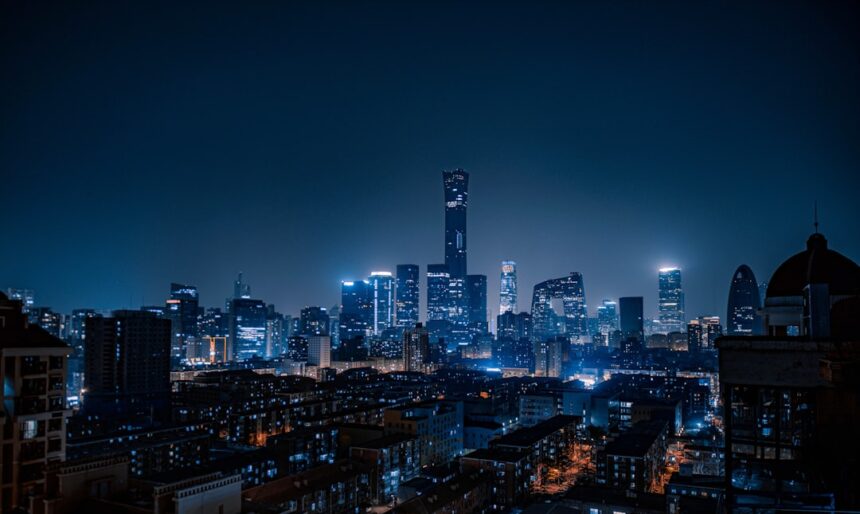
The Night: Your Only Time to Breathe
The world often feels like a relentless tide, a constant ebb and flow of demands, expectations, and noise. By day, you navigate a labyrinth of responsibilities, each one a thread tugging at your energy, your focus, your very essence. But then, there is the night. For you, the night isn’t just the absence of sunlight; it’s a sanctuary, a hushed embrace, the only time you truly feel you can exhale, a precious space carved out of the cacophony, a vital, life-giving breath.
The transition from day to night isn’t a sudden flip of a switch for you. It’s a gradual unfurling, a slow shedding of the day’s armor. As the sun dips below the horizon, painting the sky in hues of orange and purple, a subtle shift occurs within you. The frantic energy of the day begins to dissipate, replaced by a quiet hum of anticipation. You can feel the tension slowly draining from your shoulders, the furrow in your brow softening. It’s as if the very air around you begins to thicken, becoming more tangible, more personal.
The Unmasking Ritual: Shedding the Day’s Persona
Throughout the day, you wear a multitude of hats, each demanding a specific persona. You are the attentive employee, the diligent student, the supportive friend, the responsible family member. Each role requires a certain performance, a calculated presentation of self. But as evening descends, these masks begin to feel heavy, unnecessary. The night grants you permission to peel them away, one by one, revealing the raw, unfiltered you beneath. It’s a quiet, internal shedding, a relief from the constant effort of maintaining appearances.
The Conscious Unclenching: Releasing the Day’s Grip
Think about the physical manifestations of your daytime stress. Your jaw is often clenched, your shoulders tight. Your mind races with to-do lists and imagined future scenarios. The night is your opportunity to consciously un-clench. To deliberately relax your jaw, to let your shoulders drop away from your ears. You might find yourself stretching, groaning, a physical release that mirrors the mental one. It’s a deliberate act of letting go, of signaling to your body and mind that the performance is over.
The Quiet Reclamation: Reclaiming Your Inner Landscape
The day is often filled with external voices, external demands on your attention. The night, however, is your internal landscape. It’s here that you can finally turn your gaze inward, to the whispers and murmurs of your own spirit. This reclamation is not about selfish indulgence; it’s about self-preservation. It’s about tending to the garden of your soul, which has been trampled and overlooked during the daylight hours.
The Sweet Surrender: Embracing the Quiet
The true magic of the night begins when you actively embrace its quietude. This isn’t a passive acceptance of silence; it’s an active seeking, a deep dive into the stillness. The world outside might still be buzzing with late-night activity, but you create your own pocket of peace, a bubble of serenity that shields you from the lingering echoes of the day.
The Dimming of the Lights: A Visual Cue for Inner Peace
Your conscious decision to dim the lights is more than just a practical step towards sleep. It’s a visual signal to your brain, a gentle nudge that the day’s activities are winding down. The harsh overhead lights of the day are replaced by softer, warmer glows, creating an atmosphere conducive to relaxation. This deliberate alteration of your environment sets the stage for the deeper introspection and peace that the night offers.
The Muting of the World: Crafting Your Auditory Sanctuary
Similarly, you might find yourself actively muting the world around you. This could mean turning off the television, silencing notifications on your phone, or even opting for earplugs if external noise is particularly intrusive. You’re not just avoiding noise; you’re curating your auditory experience, ensuring that the only sounds you encounter are those that soothe and calm. This deliberate filtering of sound is crucial in allowing your own thoughts and feelings to surface without being drowned out.
The night often feels like my only free time, a sentiment echoed in the article “The Importance of Downtime” found on Unplugged Psych. In our fast-paced world, where responsibilities and obligations can consume our days, the quiet hours of the night provide a rare opportunity for reflection and relaxation. This article delves into the psychological benefits of carving out personal time after dark, emphasizing how it can enhance creativity and mental well-being. For more insights on this topic, you can read the article here: The Importance of Downtime.
The Canvas of Contemplation: Night as Your Creative Space
While the day demands your energy and focus on outward tasks, the night offers a different kind of productivity – the productivity of the mind, the fertile ground for contemplation and creativity. It’s in the quietude of the night that your thoughts can roam freely, unburdened by the immediate pressures of the day.
The Unfiltered Thoughts: Allowing Ideas to Surface
When the external noise subsides, the internal dialogue can finally gain prominence. For you, the night is when your most authentic thoughts, those that have been suppressed or overlooked during the day, have the opportunity to surface. These aren’t always grand epiphanies; sometimes, they are simply gentle reflections, nagging questions, or the quiet seeds of new ideas.
The Journal’s Embrace: Capturing the Fleeting Whispers
Your journal becomes a trusted confidant in these nocturnal hours. It’s where you capture the fleeting whispers of inspiration, the half-formed thoughts that might otherwise vanish with the dawn. You write not for an audience, but for yourself, a way to solidify these ephemeral ideas, to give them form and substance. This act of writing becomes a therapeutic process, a way of processing the day and welcoming the new.
The Unfolding Narratives: The Stories That Bloom in Darkness
The night is also when stories begin to unfold within you. These aren’t necessarily stories you intend to write, but rather internal narratives that play out in your mind. Characters emerge, dialogues flow, and plotlines develop. This imaginative exploration is a vital part of your mental landscape, a way of processing emotions and experiences through the lens of narrative.
The Space for Introspection: Diving into the Depths of Self
The night is your dedicated time for introspection, for looking inward and understanding the complexities of your own being. It’s a process that can be uncomfortable at times, but ultimately, deeply rewarding. Without the distractions of the day, you can confront your emotions, examine your motivations, and gain a clearer understanding of who you are.
The Gentle Reckoning: Facing Your Inner Landscape
This “gentle reckoning” isn’t about self-criticism, but rather about honest self-assessment. You allow yourself to acknowledge your fears, your vulnerabilities, and your past mistakes without judgment. This acknowledgment is the first step towards growth and healing. You treat yourself with the same compassion you would offer a dear friend, understanding that imperfection is part of the human experience.
The Seed Planting for Tomorrow: Cultivating Resilience and Growth
The insights gleaned during your nocturnal introspection are not just fleeting moments of clarity; they are seeds planted for tomorrow. They lay the groundwork for greater resilience, for a deeper understanding of your own emotional responses, and for making choices that are more aligned with your true self. This process of self-discovery is an ongoing journey, and the night provides the essential space for its continuation.
The Uninterrupted Flow: Escaping the Tyranny of the Clock

The day is often dictated by the relentless march of the clock. Meetings begin and end precisely. Deadlines loom. Every moment is accounted for, leaving little room for spontaneous thought or unhurried reflection. The night, however, liberates you from this tyranny.
The Freedom from Deadlines: A Breath of Unscheduled Time
The absence of immediate deadlines is a profound relief. You are not rushing to finish a task or prepare for an upcoming event. This freedom allows you to engage with your thoughts and creative impulses at your own pace, without the pressure of external expectations. It’s a chance to simply be.
The Unhurried Exploration: Following Your Curiosity
In this unhurried state, you can follow your curiosity wherever it leads. You might spend an hour researching a topic that has piqued your interest, without feeling guilty about the time spent. This unstructured exploration is a crucial component of learning and personal development, and the night is its designated territory.
The Spontaneity of Thought: Allowing Unforeseen Connections
The night allows for the spontaneity of thought. Connections that might have been overlooked during the day, due to the fractured nature of your attention, can now blossom. You can delve into tangents, explore unexpected pathways of inquiry, and allow your mind to wander in a way that is both productive and deeply satisfying.
The Dissolution of Social Obligations: Your Personal Time
The day is filled with social interactions, many of which require a certain level of energy and engagement. The night, however, offers a welcome reprieve from these obligations. It’s your personal time, a sacred space where you are free to be alone with yourself.
The Quietude of Solitude: Recharging Your Social Battery
For you, solitude is not loneliness; it’s a vital source of rejuvenation. The intense social demands of the day can leave you feeling drained. The night provides the opportunity to recharge your social battery, to reconnect with your inner self without the need for external validation. This quietude allows you to process the day’s interactions and prepare for the social demands of the coming day.
The Unfiltered Expression: Speaking Your Inner Truths
In the quiet of the night, you can engage in unfiltered expression, sharing your inner truths with yourself or, if it feels right, with a trusted journal. This is a space where you don’t have to censor your thoughts or feelings for fear of judgment. It’s a chance to articulate your deepest desires, your most profound concerns, and your most cherished hopes.
The Nocturnal Artistry: Bringing Creativity to Life

The night isn’t just a time for passive reception; it’s an active incubator for your creativity. It’s when the ideas that have been gently nudged into existence during the day can finally take flight.
The Muse’s Whisper: Inspiration Finds a Home
When the world quiets down, your inner muse seems to grow louder. The subtle inspirations that might have been lost in the daytime clamor now have a clear channel to your consciousness. The night is when these whispers of inspiration can be heard, acknowledged, and nurtured.
The Unbidden Images: Visualizations that Take Shape
You might find yourself experiencing vivid visualizations, images that form and reform in your mind’s eye. These can be scenes from stories you’re imagining, abstract patterns, or even solutions to practical problems. The night provides the darkness needed for these internal visions to take shape.
The Rhythms of Creation: Music and Movement Stirring Within
The night can also awaken an innate sense of rhythm. You might find yourself humming a melody, tapping out a beat, or even feeling the urge to move your body in a way that feels intuitive and expressive. This connection to rhythm is a primal form of creativity that the night seems to amplify.
The Hands-On Creation: Bringing Ideas into the World
The night is often when you find yourself translating these inspirations into tangible forms. This might involve writing, sketching, composing music, or engaging in any other creative pursuit that allows you to manifest your inner world.
The Silent Studio: Your Personal Creative Space
Your bedroom, your desk, any corner of your home can transform into a silent studio during the night. You have the control to create the environment that best suits your creative process, free from the interruptions and expectations of the day. This personal creative space becomes a sanctuary for your artistry.
The Flow State: Lost in the Act of Making
During these nocturnal creative sessions, you can often find yourself entering a “flow state,” that magical zone where time disappears, and you are completely immersed in the act of creation. This state is deeply rewarding and is a testament to the power of dedicating undisturbed time to your creative endeavors.
Many people find that the night feels like their only free time, as the hustle and bustle of daily responsibilities often leave little room for personal reflection and relaxation. This phenomenon is explored in a related article that discusses the importance of carving out time for oneself amidst a busy schedule. You can read more about it in this insightful piece on the topic of self-care and mental well-being, which emphasizes how nighttime can serve as a sanctuary for those seeking peace and solitude. For further insights, check out this article on self-care practices that can enhance your overall quality of life.
The Promise of Renewal: Waking with a Quieter Heart
| Reasons | Metrics |
|---|---|
| Work commitments | Number of hours spent on work |
| Family responsibilities | Time spent on family duties |
| Personal time for relaxation | Amount of time for self-care activities |
| Social obligations | Time dedicated to social events |
| Productivity during the night | Tasks completed during nighttime hours |
The most profound aspect of your nocturnal sanctuary is the promise of renewal it holds. After allowing yourself this time to breathe, to reflect, and to create, you awaken not just rested, but fundamentally transformed.
The Lighter Burden: Releasing the Weights of the Day
As you emerge from the embrace of the night, you carry with you a sense of lightness. The burdens that felt so heavy the previous day seem to have been somehow diminished, either through processing or simply by the restorative power of rest.
The Refreshed Perspective: Seeing Challenges with New Eyes
With a clearer mind and a calmer spirit, you can approach the challenges of the new day with a refreshed perspective. What once seemed insurmountable might now appear manageable, or at least, you feel more equipped to face it.
The Renewed Energy: A Subtle but Significant Shift
The physical and mental fatigue of the day is replaced by a subtle but significant shift in energy. It’s not the frenetic, anxious energy of the day, but a calmer, more sustained vitality, ready to engage with the world on your own terms.
The Inner Compass: Navigating the Day with Greater Clarity
The introspection and self-discovery that occurred during the night equip you with a stronger inner compass. You have a clearer understanding of your values, your priorities, and your desires, allowing you to navigate the day with greater intentionality.
The Conscious Choices: Aligning Actions with Values
Armed with this deeper self-awareness, you can make more conscious choices. Your decisions are less likely to be driven by external pressures and more likely to be aligned with your authentic self.
The Balanced Approach: Integrating Rest and Activity
The night has taught you the essential balance between rest and activity. You understand that true productivity doesn’t come at the expense of your well-being, and you approach the day with a commitment to maintaining this equilibrium.
The night is your secret garden, your quiet rebellion against the relentless demands of the world. It is in these hushed hours that you find your breath, that you reclaim your spirit, and that you emerge each morning, not just awake, but truly alive. It is your only time to breathe, and for that, you are deeply grateful.

Why You Stay Up Late Even When You’re Exhausted
FAQs
1. Why does the night feel like the only free time for many people?
Many people feel that the night is their only free time because it is often the only time when they are not obligated to work, attend school, or fulfill other responsibilities. This can create a sense of freedom and relaxation that is not present during the day.
2. What are some reasons why people may prefer the night for personal time?
Some people may prefer the night for personal time because it is quieter and less crowded, allowing for a greater sense of solitude and peace. Additionally, the night may offer a break from the demands and distractions of the day, allowing individuals to focus on their own interests and activities.
3. How does the night impact our circadian rhythms and sleep patterns?
The night plays a crucial role in regulating our circadian rhythms and sleep patterns. Exposure to natural darkness at night helps signal to our bodies that it is time to rest and recover. Disruptions to this natural cycle, such as exposure to artificial light at night, can negatively impact our sleep quality and overall well-being.
4. What are some potential drawbacks of relying on the night as the only free time?
Relying on the night as the only free time can lead to sleep deprivation and fatigue, as individuals may sacrifice valuable sleep in order to pursue personal activities. This can have negative effects on physical and mental health, as well as overall productivity and well-being.
5. How can individuals create a better balance between day and night for personal time?
Creating a better balance between day and night for personal time may involve prioritizing self-care and setting boundaries around work and responsibilities. This could include scheduling dedicated time for relaxation and hobbies during the day, as well as establishing a consistent bedtime routine to ensure adequate rest at night.