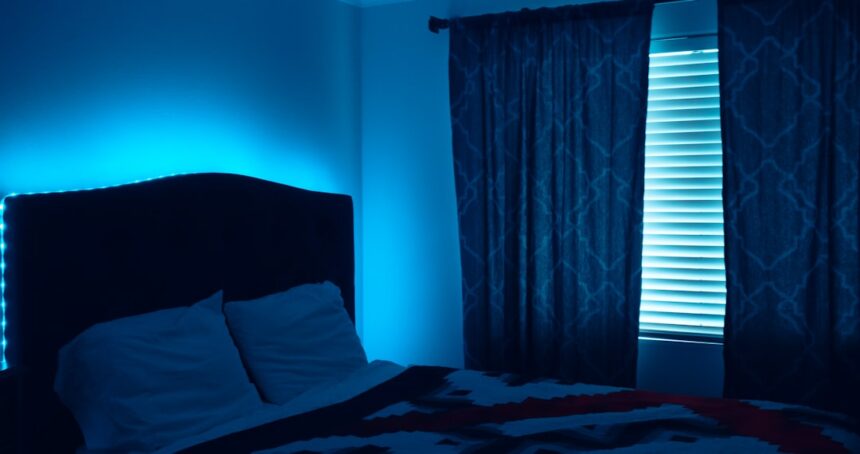
You stare at the ceiling. The numbers on your clock, a glowworm against the inky blackness, mock you with their glacial crawl. 11:47 PM. You should be asleep. Your eyelids feel like lead weights, your body screams for rest, and yet, here you are. Awake. Staring. Feeling the familiar, gnawing dread that comes with the realization that bedtime, that supposed haven of peace, has somehow morphed into a monumental chore.
It doesn’t make sense, does it? You’ve spent your day rushing, striving, making it through deadlines and social obligations. The very thing your body craves, the reset button, the sweet oblivion of sleep, feels like the last thing you want to do. It’s a perverse twist of fate, a cruel joke played by your own mind and body. Why does getting to bed feel like a battle you’re destined to lose, night after night?
This isn’t just about you being a night owl. This is about a deeper, more profound resistance. It’s about the quiet whispers of your subconscious, the lingering anxieties of the day, and the sometimes overwhelming allure of the world that exists after the lights go out. Let’s delve into the labyrinth of your bedtime blues, and perhaps, just perhaps, find a way to reclaim your evenings.
You’re a creature of habit, but not always the good kind. In a world where you often feel passive, beholden to schedules and the demands of others, your waking hours can feel like a constant surrender. Then, as the day winds down, a peculiar sense of agency emerges. Bedtime, paradoxically, becomes the last bastion of your perceived control.
The Illusion of “Just One More Thing”
This is where the insidious nature of bedtime blues truly takes root. You’ve completed your responsibilities, and now, the world is officially yours. The television beckons with its endless stream of entertainment, your phone buzzes with notifications, promising connection and distraction. These aren’t necessarily nefarious activities in themselves, but when they become the last thing you choose to do before sleep, they become potent tools of avoidance.
The Endless Scroll: A Digital Siren Song
Your phone is a black hole of personal time. You tell yourself you’ll just check your notifications, scroll through your feed for a few minutes. An hour later, you’re deep down a rabbit hole of influencer drama, obscure historical facts, or cat videos. Each click, each swipe, is a micro-decision, a tiny assertion of your freedom. You are choosing to delay sleep, and in that moment, that feels like power. But it’s a power that drains you, leaving you more exhausted and less fulfilled. The dopamine hits are fleeting, and the underlying unease remains.
The Magnetic Pull of Media Consumption
Similarly, that show you’re binge-watching isn’t just entertainment; it’s an escape. It’s a world where you don’t have to confront the quiet hum of your own thoughts or the gentle pressure to wind down. You are actively choosing to engage with a narrative, to be transported to another reality, rather than facing the stark reality of your own impending slumber. Each episode, each scene, is a bookmark in your resistance to sleep. You’re not just watching; you’re deliberately postponing the inevitable.
The Fear of the Unoccupied Mind
When the distractions fade, and the silence settles, what’s left? You. And sometimes, the prospect of being alone with your own thoughts is far more terrifying than any late-night scroll session. Bedtime is when the day’s worries, the unspoken anxieties, and the looming uncertainties of tomorrow often come out to play.
The Replay Button: Dwelling on the Day’s Events
Did you say the wrong thing in that meeting? Did you miss an important detail in your child’s school project? Your mind, in its tireless pursuit of perfection or its ingrained tendency to ruminate, can seize upon these moments and replay them endlessly. The quiet of the night offers no external stimulus to break the cycle, making it fertile ground for self-criticism and regret. This replay isn’t productive; it’s a form of mental torture that makes drifting off feel like admitting defeat.
The Looming Spectre of Tomorrow’s Challenges
It’s not just the past that can haunt your sleepless nights; the future is often a significant contributor. You anticipate the demands of the next day, the potential problems, the sheer effort required to navigate another round of responsibilities. This looming dread can make you feel like you’re actively avoiding the preparation for that future by delaying sleep. You might think, “If I go to sleep now, I’ll just have to wake up and face it sooner.” It’s a flawed logic, but a powerful one in the moment.
Many people often find that bedtime feels like a chore, leading to struggles with sleep and relaxation. This phenomenon can be attributed to various factors, including stress, screen time, and an irregular sleep schedule. For a deeper understanding of the psychological aspects behind this issue, you can explore the article on Unplugged Psych, which discusses the impact of modern life on our sleep patterns and offers practical tips for creating a more restful bedtime routine. To read more, visit Unplugged Psych.
The Physical Betrayal: When Your Body Says “No” to Rest
Sometimes, the battle for sleep isn’t just psychological; it’s a physiological rebellion. Your body, for reasons that can feel completely inexplicable, simply refuses to cooperate with the simple act of falling asleep.
The Wired But Tired Paradox
You feel utterly exhausted, your limbs heavy, your eyelids drooping. Yet, when you lie down and attempt to sleep, your mind races. Your heart might beat a little faster, your muscles might feel tense. It’s as if your body has been flooded with adrenaline, even though you haven’t engaged in any strenuous activity. This isn’t a sign of insomnia necessarily; it’s often a manifestation of stress and a dysregulated nervous system.
The Adrenal Surge: Fighting an Invisible Enemy
The constant drip of stress hormones throughout the day can leave your system in a perpetual state of alert. When you finally try to relax, your body mistakenly interprets this stillness as a potential danger, triggering a fight-or-flight response. This “wired but tired” feeling is your sympathetic nervous system still humming along, preventing your parasympathetic nervous system from kicking in and signaling to your body that it’s safe to rest and repair. It’s as if your body is still in a “meeting,” even though the “meeting” is over.
The Muscle Memory of Tension
Over time, you can develop a physical habit of holding tension. Your shoulders might be perpetually hunched, your jaw clenched, your stomach tight. This physical tension acts as a constant internal alarm system, making it difficult for your body to truly relax and enter the deep state of rest required for sleep. You might not even be consciously aware of it, but your body is holding onto the echoes of the day’s stressors.
The Digestive Dilemma: A Stomach that Won’t Settle
Your gut and your brain are intricately connected. When you’re stressed or anxious, your digestive system can often bear the brunt of it. This can manifest in a variety of uncomfortable ways that actively prevent you from finding comfort in bed.
The Restless Gut: Bloating and Discomfort
Eating too close to bedtime, or consuming foods that are difficult to digest, can lead to bloating, gas, and general abdominal discomfort. This physical unease makes it impossible to find a comfortable position, and the constant awareness of your churning stomach keeps your mind from entering a state of relaxation. You might tell yourself you’re just “too full,” but it’s often the underlying stress contributing to this digestive distress.
The Urge to Relieve: A Midnight Expedition
For some, the bedtime blues manifest as a compelling urge to use the restroom, even when there’s no physiological need. This can be another manifestation of anxiety. Your nervous system, on high alert, can trigger a false signal, sending you on a frustrating midnight expedition that disrupts your sleep cycle. Each interruption further compounds the problem, making you feel like sleep is an elusive prize.
The Allure of the Forbidden: Why the Night Feels More Appealing

Beyond the immediate resistance, there’s an almost magnetic pull to the hours after darkness falls. The night holds a special kind of magic, and it’s often more appealing than the mundane task of succumbing to sleep.
The Veil of Anonymity: Freedom from Judgment
The night offers a cloak of anonymity that the daytime rarely affords. When the world is asleep, you are free from the constant pressures of societal expectations, the need to perform, and the potential for judgment. This can feel like a liberation, a space where you can finally exhale.
The “Me Time” Myth: Reclaiming Lost Hours
You’ve worked hard all day, and the night often feels like the only time you truly have for yourself. This perceived scarcity of personal time can lead you to prioritize activities that feel more engaging and rewarding in the moment, even if they come at the expense of sleep. You might tell yourself you deserve this time, and while you do, the timing is often detrimental to your well-being. This “me time” becomes an addiction to self-indulgence, a way to feel like you’re finally getting what you’re owed.
The Escape from Obligation: A Temporary Haven
During the day, your time is often dictated by appointments, deadlines, and the needs of others. The night, however, seems to offer a temporary reprieve. It’s a space where you can finally dictate your own agenda, and often, that agenda involves activities that are more stimulating and immediately gratifying than the quiet act of sleeping. You are essentially delaying the inevitable by choosing the path of least resistance in the moment, the path that offers immediate satisfaction.
The Creative Spark: Inspiration in the Quiet
For some, the quiet solitude of the night is a muse. The absence of external noise and distractions can allow creative thoughts to flow more freely, leading to a burst of inspiration. This can make the idea of interrupting that creative flow by going to sleep feel like a true loss.
The Muse of Midnight: Ideas Born in Darkness
When the world goes quiet, your inner monologue can become louder, more vibrant. This can be a powerful time for brainstorming, writing, or simply letting your imagination run wild. The ideas that emerge during these quiet hours can feel precious, and the thought of losing them to sleep can be a significant barrier to slumber. You might feel a surge of energy and purpose, making the prospect of sleep seem dull by comparison.
The Artist’s Dilemma: Sleep vs. Creation
For many creative individuals, there’s a constant tension between the need for rest and the urge to create. The fleeting nature of inspiration can make it feel like a missed opportunity if not acted upon immediately. This can lead to a cycle of late nights and then groggy mornings, where creativity is stifled by exhaustion. You might romanticize the idea of the “suffering artist” who thrives on deprivation, but in reality, a well-rested mind is a more productive and inspired mind.
The Broken Ritual: When the Path to Sleep is Lost

Our lives are often structured by rituals, the comforting routines that guide us through our days and nights. When these rituals are disrupted or corrupted, the path to sleep can become a bewildering maze.
The Erosion of a Healthy Sleep Routine
In our fast-paced world, dedicated sleep routines often fall by the wayside. What once might have been a calming sequence of activities leading to bed has been replaced by a haphazard, often technology-driven, transition.
The Disappearing Wind-Down: A Digital Takeover
The concept of a “wind-down routine” feels like a relic of a bygone era for many. Instead of a gradual transition, we often go from the high stimulation of screens and work directly to the stark darkness of our bedrooms. This abrupt shift leaves your brain still buzzing and your body expecting more activity. The ritual of preparing for sleep, which once signaled to your body that it was time to relax, has been replaced by the immediate demands of the digital world.
The “Just Five More Minutes” Fallacy: A Slippery Slope
This is the quintessential bedtime blues trap. You tell yourself you’ll just check one more email, read one more article, or watch one more clip. But what starts as “just five minutes” can easily stretch into an hour or more. This constant negotiation with yourself erodes any sense of a consistent bedtime, making it harder and harder to establish a regular sleep pattern. Each time you give in to the “just one more minute,” you reinforce the idea that sleep is an optional activity, not a biological necessity.
The Blurring Lines: Work, Life, and Sleep Colliding
The boundaries between our professional and personal lives have become increasingly blurred, especially with the rise of remote work. This can have a profound impact on our ability to switch off and prepare for sleep.
The Always-On Culture: The Office in Your Bedroom
For many, the line between work and home has dissolved. Your laptop might be on your bedside table, your work emails accessible at all hours. This constant proximity to work can make it difficult to mentally disengage, as the lingering presence of your profession continuously pulls you back. Even when you’re physically in bed, your mind might still be racing with thoughts of projects and deadlines.
The Unfinished Business: The Dread of Re-entry
When you finally do manage to fall asleep, the idea of the unfinished tasks awaiting you the next morning can be a source of anxiety that pulls you awake prematurely. This isn’t about not wanting to sleep; it’s about the dread of having to face the work that awaits you. The cycle perpetuates itself, making the entire prospect of sleep feel like a stepping stone to more tasks rather than a reward in itself.
Many people find that their bedtime routine often feels like a chore, leading to a struggle to wind down at the end of the day. This feeling can stem from various factors, including stress, screen time, and the pressures of daily life. For a deeper understanding of why bedtime can become a source of anxiety rather than relaxation, you might find it helpful to read this insightful article on the topic. It explores the psychological aspects of bedtime and offers practical tips for creating a more peaceful nighttime routine. You can check it out here.
The Unseen Enemy: Underlying Factors Contributing to Bedtime Blues
| Reasons Why Bedtime Feels Like a Chore |
|---|
| 1. Difficulty falling asleep |
| 2. Feeling restless or anxious |
| 3. Overthinking and worrying |
| 4. Discomfort or pain |
| 5. Not feeling ready to end the day |
Sometimes, the resistance to sleep is an echo of deeper, less obvious issues. Understanding these underlying factors can be the key to unlocking a more peaceful bedtime.
The Shadow of Anxiety and Stress
As we’ve touched upon, anxiety and stress are major culprits behind bedtime blues. They create a physiology of alertness that is directly opposed to the relaxation needed for sleep.
The Hypervigilance Trap: Always on Alert
Anxiety can manifest as a state of hypervigilance, where your nervous system is constantly scanning for threats, even when none are present. This makes it incredibly difficult to relax and drift off. Your body is essentially in a perpetual state of “on guard,” and sleep feels like a dangerous vulnerability. This is why a racing heart or shallow breathing can accompany your attempts to sleep.
The Cognitive Load: Mental Exhaustion Without Physical Release
You might feel mentally drained by the end of the day, yet physically wired. This is a common sign that your cognitive load has been too high, and your brain hasn’t had a chance to process and release the information it’s been holding onto. This mental exhaustion, without the physical release of true rest, makes sleep feel like an impossible feat. You’re mentally spent, but your body is still running on fumes.
The Impact of Lifestyle Choices
The choices you make throughout the day can have a significant domino effect on your sleep quality and your willingness to engage with bedtime.
The Caffeinated Conundrum: Fueling the Fire
Your love for that afternoon latte or evening cup of tea might be costing you precious sleep. Caffeine is a stimulant, and its effects can linger for hours, making it harder to fall asleep. Even if you think you can “sleep it off,” the underlying chemical interference with your natural sleep-wake cycle is often present. You might be actively sabotaging your own efforts to wind down.
The Sedentary Cycle: The Paradox of Inactivity
While it might seem counterintuitive, a lack of physical activity during the day can actually make it harder to sleep at night. Regular exercise can help regulate your sleep-wake cycle and reduce stress hormones. When you’re sedentary for most of the day, your body doesn’t get the physical cues it needs to feel naturally tired. This can lead to restless nights and a general aversion to the stillness of sleep. You’re not experiencing the natural fatigue that signals it’s time to rest.
Reclaiming Your Evenings: Strategies for a Softer Landing
The good news is that your bedtime blues don’t have to be a permanent fixture. By understanding the underlying causes, you can begin to implement strategies that foster a more peaceful and inviting transition to sleep.
Cultivating a Mindful Wind-Down Routine
Think of your wind-down routine not as an obligation, but as an act of self-care. It’s about creating a deliberate transition from the demands of the day to the sanctuary of sleep.
The Digital Detox: Unplugging for Peace
Designate a specific time each evening, ideally at least an hour before bed, to put away all screens. This includes your phone, tablet, and laptop. The blue light emitted from these devices can interfere with melatonin production, the hormone that signals to your body that it’s time to sleep. Instead, opt for activities that are calming and screen-free.
The Soothing Rituals: Comfort in Consistency
Create a series of calming activities that you perform consistently each night. This could include a warm bath, reading a physical book, gentle stretching, or listening to relaxing music. The key is to create a sequence that signals to your brain and body that it’s time to prepare for sleep. The predictability of the ritual itself becomes a comfort, reducing anxiety about the unknown of sleep.
Re-framing Your Relationship with Rest
Your perception of sleep plays a significant role in your willingness to embrace it. Shifting your mindset can have a profound impact.
The Power of Presence: Embracing the Quiet
Instead of viewing bedtime as a chore or an end to your day, try to see it as an opportunity for renewal. Practice mindfulness and focus on the present moment. When you lie down, take a few deep breaths and acknowledge any thoughts or feelings that arise without judgment. The goal isn’t to eliminate thoughts, but to observe them and let them pass, like clouds drifting across the sky.
The Sleep as a Superpower: Embracing Its Benefits
Educate yourself about the incredible benefits of quality sleep. It’s not just about feeling less tired; it’s about improved cognitive function, enhanced mood, a stronger immune system, and greater resilience to stress. When you understand how crucial sleep is for your overall well-being, the prospect of getting to bed becomes less of a chore and more of a wise investment in yourself. See sleep not as a passive state, but as an active, essential process for thriving.
Your bedtime blues are a complex phenomenon, a testament to the intricate interplay of your mind, body, and lifestyle. By acknowledging the reasons behind your resistance, and by consciously implementing nurturing habits, you can begin to dismantle the barriers that stand between you and a restful night. It’s a journey, not a destination, but with patience and self-compassion, you can transform bedtime from a dreaded chore into a welcome embrace of tranquility. It’s time to give yourself the gift of sleep, not as a punishment, but as a reward.

Why You Stay Up Late Even When You’re Exhausted
FAQs
1. Why does bedtime feel like a chore?
Bedtime can feel like a chore for various reasons, including feeling tired or not wanting to stop an enjoyable activity. Additionally, stress or anxiety can make it difficult to relax and prepare for sleep.
2. How can bedtime be made less of a chore?
Creating a relaxing bedtime routine, such as reading a book or taking a warm bath, can help make bedtime feel less like a chore. It’s also important to establish a consistent sleep schedule and create a comfortable sleep environment.
3. What impact does technology have on bedtime feeling like a chore?
Using technology, such as smartphones or tablets, before bedtime can disrupt the body’s natural sleep-wake cycle and make it harder to fall asleep. The blue light emitted from screens can also interfere with the production of melatonin, a hormone that regulates sleep.
4. How does physical activity affect bedtime feeling like a chore?
Regular physical activity can help improve sleep quality and make bedtime feel less like a chore. Engaging in exercise during the day can help reduce stress and anxiety, making it easier to relax and prepare for sleep at night.
5. What role does diet play in bedtime feeling like a chore?
Consuming heavy or spicy meals close to bedtime can make it uncomfortable to lie down and can lead to indigestion, making bedtime feel like a chore. It’s best to avoid large meals and caffeine in the hours leading up to bedtime to promote better sleep.