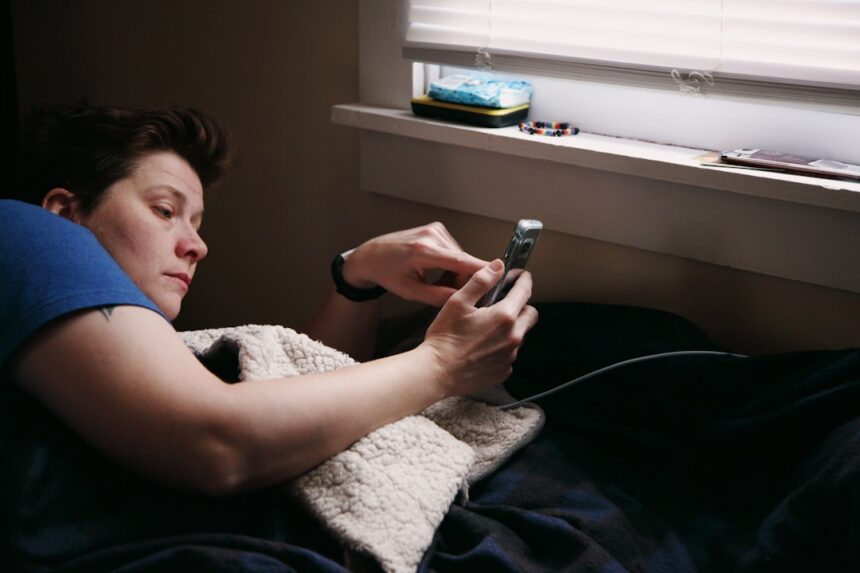
You’re scrolling. It’s late. Way past when you told yourself you’d be asleep. That glowing rectangle in your hand is an extension of your consciousness, a portal to endless updates, fleeting gossip, and the curated highlights of other people’s lives. You tell yourself it’s just a few more minutes, just one more post. But those few minutes stretch into an hour, then two. And you’re left staring at the ceiling, the blue light of your phone imprinted on your retinas, wondering why you’re so tired.
Your relationship with social media is more than just a habit; it’s a pervasive force shaping many aspects of your daily existence, and perhaps none more profoundly than your sleep. You might dismiss it as a minor inconvenience, a price you pay for staying connected. But the cumulative effect of late-night scrolling, constant notifications, and the mental gymnastics of online engagement is a direct assault on the restorative power of sleep. The digital oasis you seek can easily become a desert of sleepless nights, leaving you feeling drained, unfocused, and irritable. This article delves into the intricate ways social media chips away at your sleep quality, offering insights and strategies to reclaim your rest.
You’ve heard it before: blue light is bad for sleep. But do you truly understand why? This isn’t some abstract scientific concept; it’s a physiological mechanism that directly interferes with your body’s natural sleep-wake cycle, your circadian rhythm.
Unraveling the Melatonin Mystery
Your body, like a finely tuned orchestra, operates on an internal clock, and this clock is heavily influenced by light. As darkness falls, your brain begins to produce melatonin, a hormone that signals to your body that it’s time to wind down and prepare for sleep. This is your body’s natural sleep cue, the gentle nudge towards slumber.
The Illusion of Daylight
Social media platforms, with their bright, often stark interfaces, emit significant amounts of blue light. This blue light is particularly adept at tricking your brain into believing it’s still daytime. When you’re bathed in this artificial light, especially in the hours leading up to bedtime, your brain interprets it as sunlight. Consequently, it suppresses the production of melatonin. You’re essentially telling your body to stay awake when it should be preparing for rest. This delay in melatonin release can make it incredibly difficult to fall asleep, even when you’re exhausted. Think of it as trying to catch a train that’s running late – the later you’re ready, the more likely you are to miss it.
The Chronological Confusion: Late-Night Engagement and Sleep Onset Latency
You know you should be winding down, but there’s always “one more thing” to check. This late-night engagement with social media isn’t just about the blue light; it’s about the entire experience of being online.
The Endless Scroll and the Slippery Slope of Time
The design of social media is inherently addictive. The infinite scroll, the algorithmically curated content designed to keep you engaged, the constant pursuit of novel stimuli – it all conspires to make time seem to warp. You sit down to check a notification for a few minutes, and suddenly an hour has vanished. This displacement of sleep time is a direct and undeniable impact. You’re not just losing sleep; you’re actively choosing to delay it, sacrificing precious hours of rest for digital engagement. This isn’t a passive loss; it’s an active choice that has real consequences.
The Stimulation Overload: A Brain That Won’t Switch Off
Beyond the blue light, the content you consume on social media can be incredibly stimulating. Exciting news, controversial debates, emotionally charged posts, even just the rapid-fire nature of interactions – all of this keeps your brain in an aroused state. This is the opposite of what you need for sleep. Your brain should be transitioning from active processing to relaxed rest. Instead, you’re feeding it a constant stream of information and stimuli that keep it buzzing. This mental hyperarousal makes it incredibly difficult to quiet your thoughts and drift off into sleep. You might lie in bed, your mind racing with conversations you had online, arguments you observed, or simply random thoughts triggered by your scrolling.
Recent studies have shown that the use of social media can significantly impact sleep quality, leading to issues such as insomnia and disrupted sleep patterns. For a deeper understanding of this topic, you can explore the article on Unplugged Psychology, which discusses the various ways social media influences our sleep habits and offers tips for managing screen time before bed. To read more, visit this article.
The Emotional Toll: Anxiety, FOMO, and the Sleep Stealers
Social media isn’t just about passive consumption; it’s a breeding ground for emotions, both positive and negative. And the negative emotions, in particular, can be significant sleep disruptors.
The Specter of FOMO (Fear of Missing Out)
You see your friends enjoying a night out, your colleagues celebrating an achievement, or strangers on exotic vacations. This constant barrage of others’ experiences can trigger a powerful sense of FOMO. You begin to feel like you’re missing out, that your own life is somehow less exciting or fulfilling.
The Comparison Trap and Its Sleepless Aftermath
This feeling of inadequacy, fueled by endless comparisons to curated online personas, can lead to heightened anxiety. You might find yourself obsessing over what others are doing, leading to a restless mind that struggles to find peace. This anxiety can manifest as racing thoughts, a tightening in your chest, and an inability to relax, all of which are detrimental to falling asleep. You might stay up later, scrolling through more posts, hoping to find something that alleviates this feeling, only to exacerbate the problem.
The Echo Chamber of Anxiety and the Pressure to Perform
Social media often creates an environment where you feel pressure to present a certain version of yourself. You curate your posts, carefully selecting photos and captions to project an image of happiness, success, and engagement. This constant need to perform can be emotionally taxing.
The Anxiety of the Online Persona
The desire for validation – likes, comments, shares – can become a source of stress. You might worry about how your posts will be received, experience anxiety if a post doesn’t get the engagement you expected, or feel competitive with others online. This anxiety can bleed into your offline life, making it difficult to switch off and relax. The worries about your online performance can then follow you to bed, keeping your mind occupied and preventing restful sleep.
The Amplification of Negative News and Personal Worries
Social media also has a tendency to amplify negative news and personal worries. You might be exposed to distressing events, political turmoil, or the personal struggles of people you know. While it’s important to be informed, constant exposure to negativity can be overwhelming and increase your overall anxiety levels, making sleep an even more elusive commodity.
The Interruption Cycle: Notifications and the Fragmentation of Rest
Think about how many times your phone buzzes or pings throughout the day. Now, imagine that happening at night. The impact of notifications on your sleep is far more significant than you might realize.
The Phantom Buzz and the Hypervigilant Brain
Our brains become accustomed to the reward system of notifications. Even a subtle vibration or a flashing light can trigger a release of dopamine, a neurotransmitter associated with pleasure and reward. This creates a habit loop, where you feel compelled to check your phone every time it alerts you.
The Pavlovian Response to Alerts
Over time, your brain develops a Pavlovian response. You hear a notification sound, and your attention is immediately drawn to your phone. This is true even if you’re in a deep sleep. The interruption, however brief, can pull you out of a crucial sleep stage, particularly REM sleep, which is vital for cognitive function and emotional regulation. Waking up multiple times a night, even if you quickly drift back to sleep, prevents you from achieving consolidated, restorative sleep.
The Fragmented Sleep Experience: Quality Over Quantity
You might think that if you’re only waking up for a few seconds, it’s not a big deal. But the cumulative effect of these micro-awakenings is detrimental to your sleep quality.
The Disruption of Sleep Architecture
Sleep is not a monolithic state; it occurs in cycles, with different stages offering distinct benefits. These stages include light sleep, deep sleep (slow-wave sleep), and REM sleep. Each stage plays a crucial role in physical and mental restoration. When your sleep is frequently interrupted by notifications, these cycles are disrupted. You may spend less time in deep sleep, which is essential for physical repair and growth, and less time in REM sleep, which is vital for memory consolidation and emotional processing. This leads to fragmented sleep, where you might get enough hours of sleep, but the quality of that sleep is significantly compromised. You wake up feeling groggy, tired, and less mentally sharp, even after a seemingly full night in bed.
The Anticipation of Interruption
Even if your phone is on silent, the mere knowledge that you might receive a notification can create a sense of unease and vigilance. You might lie in bed, subconsciously waiting for the next buzz, making it harder to fully relax and let go into sleep.
The Cognitive Load: Pre-Sleep Engagement and the Warring Mind
Your brain needs to transition from the active, engaging world of social media to the quiet, receptive state required for sleep. This transition is often the most challenging part of your nightly routine.
The Mental Gymnastics of Online Interactions
Social media is an active engagement. You’re not just passively watching a movie; you’re reacting, commenting, debating, and processing information. This mental exertion, especially in the hours before bed, can leave your brain in an overstimulated state.
The Lingering Thoughts and Unfinished Business
After a day filled with online interactions, your mind can be a whirlwind of thoughts. You might be replaying conversations, strategizing your next post, or grappling with information you encountered. This “cognitive residue” makes it difficult to clear your mind and transition into sleep. It’s like trying to read a book with a thousand unanswered questions swirling in your head – a truly impossible task.
The Paradox of Information Overload Before Sleep
You might think that reading articles or watching educational videos on social media is a productive use of your time before bed. However, for your sleep, it can be the opposite.
The Stimulation Seeker: Brain’s Resistance to Quiet
Your brain, accustomed to the rapid-fire stimulation of social media, finds it challenging to shift gears to a state of quiet contemplation. Even “informative” content can be cognitively demanding, keeping your brain actively processing rather than winding down. This is particularly true if the content is complex, emotionally charged, or requires deep processing. You might feel like you’re learning or being productive, but in reality, you’re hindering your body’s natural ability to prepare for sleep.
The Unresolved Issues and the Overthinking Loop
Social media often exposes you to unresolved issues, whether it’s a personal conflict with a friend, a societal problem, or a lingering professional concern. If you engage with these topics right before bed, your mind can get stuck in an overthinking loop, replaying scenarios and trying to find solutions without the benefit of a rested mind. This mental rumination is a direct impediment to falling asleep.
Recent studies have highlighted the significant impact of social media usage on sleep quality, revealing that excessive screen time before bed can lead to difficulties in falling asleep and reduced overall restfulness. For those interested in exploring this topic further, an insightful article can be found at Unplugged Psych, which delves into the psychological effects of digital distractions on our nightly routines. Understanding these connections can help individuals make more informed choices about their social media habits and improve their sleep health.
Reclaiming Your Sleep: Strategies to Break Free from the Social Media Grip
“`html
| Age Group | Hours of Sleep | Frequency of Social Media Use |
|---|---|---|
| Teens (13-18) | 6-9 hours | Multiple times a day |
| Youth (19-29) | 7-9 hours | Before bed and upon waking |
| Adults (30+) | 7-8 hours | Occasional use during the day |
“`
Acknowledging the impact is the first step, but taking action is what truly makes a difference. It’s about developing healthier habits and setting boundaries to protect your precious sleep.
The Digital Sunset: Establishing a Pre-Sleep Routine
Just as you have routines for your mornings, creating a dedicated “digital sunset” before bed can signal to your brain that it’s time to wind down.
The 60-Minute Rule: Unplugging for Peace
Aim to put away all your electronic devices, including your phone, at least an hour before you plan to go to sleep. This creates a buffer zone, allowing your brain to cease its engagement with the digital world and begin its transition to a more relaxed state. During this hour, engage in calming activities.
Reinvigorating Your Evenings: Reading, Meditation, and Gentle Activities
Replace your scrolling time with activities that promote relaxation. This could include reading a physical book (without a backlight), taking a warm bath, listening to calming music or podcasts, gentle stretching, or practicing mindfulness meditation. These activities help to quiet your mind and prepare your body for sleep.
The Notification Lockdown: Taming the Digital Tyrant
The constant barrage of notifications is a major sleep disruptor. Taking control of them is crucial.
The Power of “Do Not Disturb”: Or Selective Silencing
Utilize your phone’s “Do Not Disturb” feature. You can often set it to only allow calls from specific contacts during your sleep hours, ensuring that truly urgent matters are not missed while minimizing unnecessary interruptions. Explore the settings for individual apps to silence notifications for social media during your designated sleep times.
The Notification Diet: Auditing and Eliminating Unnecessary Alerts
Go through your app notification settings. Be ruthless. Do you really need to be alerted every time someone likes a photo on Instagram, or is that just an invitation to get pulled back into the digital vortex? Turn off non-essential notifications and curate a more peaceful digital environment.
Mindful Engagement and Digital Detoxes: Conscious Consumption
It’s not about complete abstinence, but about a more conscious and controlled relationship with social media.
The Intentional Scroll: Setting Time Limits and Purpose
When you do use social media, do so with intention. Set a timer for your scrolling sessions. Decide beforehand what you want to see or do, and once the timer is up, gracefully disengage. Avoid aimless scrolling that leads you down rabbit holes.
The Scheduled Breaks: Embracing Digital Detoxes
Regularly schedule digital detoxes. This could be a full day on the weekend, or even just a few hours each day where you commit to being completely offline. These breaks allow your mind to reset and reduce the mental clutter that social media can create. You might be surprised by how much more present and rested you feel after a period of digital abstinence.
You are in control of your digital habits, and more importantly, you are in control of your sleep. By understanding the subtle yet powerful ways social media impacts your rest, you can implement strategies to create a healthier, more sleep-conducive relationship with your devices. Your mind and body will thank you for it, and you’ll wake up feeling more energized, focused, and ready to embrace the day ahead, free from the lingering shadows of sleepless nights.

Why You Stay Up Late Even When You’re Exhausted
FAQs
1. How does social media affect sleep?
Social media can affect sleep in several ways, including by exposing users to stimulating content that can make it difficult to wind down before bed, by disrupting sleep patterns through late-night usage, and by contributing to feelings of anxiety or FOMO (fear of missing out) that can interfere with relaxation and rest.
2. What are the negative effects of using social media before bed?
Using social media before bed can have negative effects on sleep, including reducing the overall amount of sleep obtained, disrupting the quality of sleep, and contributing to feelings of fatigue and irritability the next day. The blue light emitted by screens can also interfere with the body’s natural sleep-wake cycle.
3. How can social media usage be managed to improve sleep quality?
To improve sleep quality, it can be helpful to establish a “digital curfew” by avoiding social media and other screens for at least an hour before bed. Additionally, setting boundaries around social media usage, such as limiting overall screen time and avoiding engaging with stimulating or stressful content, can also support better sleep.
4. What are some tips for reducing the impact of social media on sleep?
Some tips for reducing the impact of social media on sleep include turning off notifications before bed, creating a relaxing bedtime routine that does not involve screens, and using features such as “do not disturb” mode to minimize disruptions during the night. It can also be helpful to establish a consistent sleep schedule.
5. Are there any studies that show the link between social media and sleep disturbances?
Yes, there have been numerous studies that have shown a link between social media usage and sleep disturbances. Research has found that higher social media use is associated with increased sleep problems, including difficulty falling asleep, shorter sleep duration, and poorer sleep quality.