
You know that feeling, right? The one where the day is finally over, the tasks are done, and you should be winding down for sleep. But instead, you find yourself scrolling through endless social media feeds, binge-watching just one more episode, losing yourself in a video game, or diving headfirst into a captivating book. You know you’ll regret it in the morning, but there’s this irresistible pull, this fierce commitment to reclaiming a slice of your day, even if it means sacrificing precious sleep. Welcome to the world of revenge bedtime procrastination. It’s a phenomenon that’s increasingly being recognized, and it’s likely you’ve experienced it, perhaps even labeled it as a bad habit. But understanding it is the first step to breaking free from its cycle.
You might have heard it called “sleepless revenge” or simply “staying up too late.” However, the term “revenge bedtime procrastination” (RBP) offers a more nuanced understanding of why you’re doing it. It’s not just about being unable to fall asleep; it’s a conscious decision to delay sleep in favor of leisure activities, particularly when you feel your daytime has been dominated by obligations and a lack of personal time.
The “Revenge” Element: Reclaiming Your Time
The “revenge” in RBP isn’t about anger towards anyone in particular, but rather a silent rebellion against the perceived injustices of your daily life. Think about it: are your days packed with work, chores, family responsibilities, or other commitments that leave you feeling drained and with little to no time for yourself? This feeling of having your day dictated by external demands can lead to a deep-seated need to carve out a space that is entirely your own. When the day ends, and the demands finally cease, you feel an overwhelming urge to take back control. This reclaiming of time, even at the expense of sleep, feels like a form of compensation for the hours spent fulfilling others’ needs or ticking off your to-do list.
The “Bedtime Procrastination” Element: The Conscious Delay
The “procrastination” aspect highlights the behavioral component. You’re not necessarily having trouble initiating sleep, but rather actively choosing to postpone it. You know you should be in bed. You might even feel tired. Yet, you deliberately engage in activities that keep you awake, convinced that this time is too valuable to waste on sleep. This is where the mental gymnastics often occur: “Just one more video,” “I’ll go to bed after this chapter,” “I deserve this little bit of relaxation.” The emphasis is on the choice to stay awake and the subsequent delay of sleep.
It’s Not Laziness, It’s a Coping Mechanism
It’s crucial to differentiate RBP from simple laziness. Laziness often implies a lack of motivation to perform necessary tasks. Revenge bedtime procrastination, on the other hand, is often driven by a strong desire for personal fulfillment and a coping mechanism for stress or a lack of autonomy. You want to sleep, but the perceived need for self-care and personal enjoyment through leisure activities outweighs the immediate need for rest. It’s a way of asserting your individuality and asserting your right to leisure when it feels like it’s been denied to you throughout the day.
The Modern-Day Phenomenon: Connecting RBP to Our Lives
In our hyper-connected, always-on world, RBP has become increasingly prevalent. The lines between work and personal life are often blurred, and the expectation to be constantly available can be exhausting. This makes the evenings, when the pressures of the day subside, an even more precious commodity. The rise of readily available entertainment – streaming services, social media, gaming – provides endless avenues for this nocturnal rebellion, making it easier than ever to get caught in the RBP cycle.
To gain a deeper understanding of revenge bedtime procrastination, you may find it helpful to explore the article available on Unplugged Psych, which delves into the psychological factors behind this phenomenon and offers practical strategies to manage it. You can read more about it by visiting this link: Unplugged Psych. This resource provides valuable insights that can help you address the challenges of balancing personal time and sleep.
The Roots of Your Late-Night Habits: Why You’re Doing This
Understanding the underlying causes of revenge bedtime procrastination is key to addressing it. It’s rarely about a simple lack of willpower. Instead, it often stems from a complex interplay of psychological and societal factors. Delving into these roots can bring clarity and compassion to your late-night activities.
The Overwhelm of Daily Life: The Full Calendar
Take a moment to honestly assess your typical day. Is it a constant barrage of demands? Do you juggle a demanding job, family caregiving, household chores, social obligations, and perhaps even personal projects? When your waking hours are consumed by responsibilities, and there’s little room for spontaneous personal time or activities you genuinely enjoy, a sense of deprivation can build. This feeling of being all-consumed by obligations is a primary driver of RBP. You feel you earn this time, and sacrificing it for sleep feels like another form of losing out.
Work Stress and the Elusive Work-Life Balance
For many, work is the biggest culprit. Long hours, demanding projects, and the pressure to perform can leave you feeling mentally and emotionally depleted. The struggle to achieve a healthy work-life balance means that your personal time is constantly under threat. When you finally escape the demands of your job, the last thing you want is to immediately succumb to tasks like preparing for the next day, making it feel like the cycle never ends.
Family Responsibilities and Caregiving Demands
If you’re a parent, caregiver, or have significant family obligations, your days can be relentlessly demanding. The needs of others often come first, leaving you with minimal opportunities for self-care or personal pursuits. This constant prioritization of others can lead to a deep yearning for moments where you are solely in control and can cater to your own desires.
The “Always On” Culture and Digital Demands
We live in an era of constant connectivity. The expectation to be reachable, to respond to emails and messages promptly, and to stay updated on social media can erode personal boundaries. The digital world offers an endless stream of stimulation and engagement, making it easy to lose track of time and to feel compelled to stay connected, even when you know you should be resting.
The Need for Autonomy and Control: Being the Master of Your Own Time
Beyond the sheer volume of demands, there’s a psychological need for autonomy – the feeling that you are in charge of your own life and choices. When your days are dictated by external forces, your evenings can become the only time you feel truly free to make decisions that are solely for your own benefit and pleasure.
Asserting Your Independence
The act of staying up late can be a subtle, almost unconscious, way of asserting your independence. It’s a declaration, even if only to yourself, that you have the power to choose how you spend your time, even if it goes against societal norms or what’s considered “responsible.”
The Illusion of Uninterrupted Bliss
Leisure activities, when pursued during these late-night hours, often feel more precious and less interrupted. You can immerse yourself in a book, a game, or a show without the nagging feeling that you should be doing something else. This uninterrupted enjoyment is a powerful draw, especially after a day filled with constant interruptions and demands.
Escapism and Stress Relief: A Temporary Respite
For many, RBP serves as a form of escapism from the stresses and anxieties of daily life. The chosen leisure activities provide a temporary mental break, allowing you to disconnect from worries and immerse yourself in something enjoyable.
Mental Vacation from Responsibilities
When you’re faced with a mountain of tasks or difficult situations, engaging in a captivating activity can feel like a mental vacation. It offers a temporary reprieve, allowing your mind to relax and recharge, even if that recharge comes at the expense of sleep.
Emotional Regulation Through Distraction
Sometimes, late-night activities are a way of managing difficult emotions. Scrolling through social media might offer a distraction from feelings of loneliness or inadequacy. Binge-watching a show can provide a comforting escape from the pressures of reality.
The Toll on Your Well-being: The Hidden Costs of Revenge
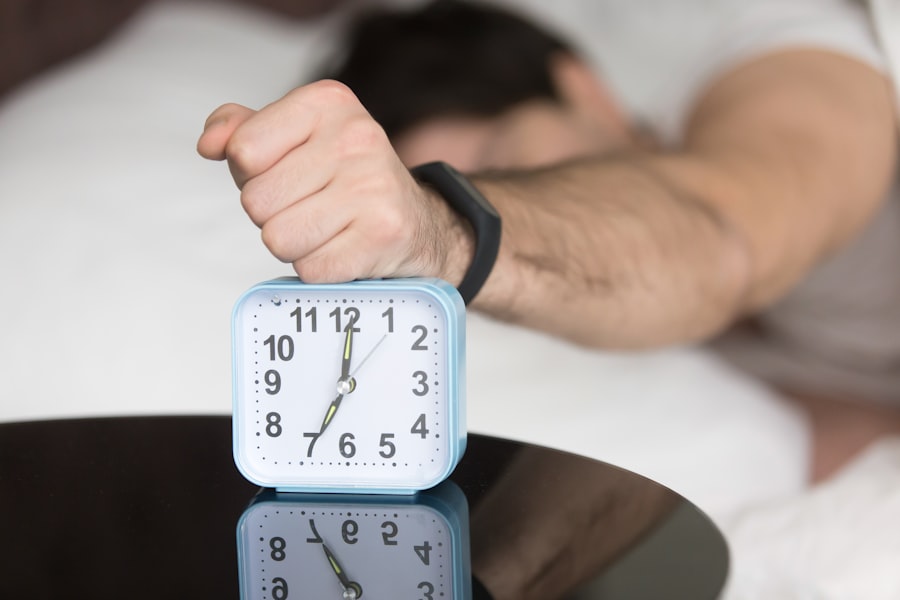
While RBP might offer temporary satisfaction, the long-term consequences can be significant and impact various aspects of your physical and mental well-being. Recognizing these costs is vital for motivating change.
The Obvious: Sleep Deprivation and Its Ripple Effects
The most immediate and direct consequence of RBP is, of course, sleep deprivation. Sacrificing sleep night after night has a cascade of negative effects that can undermine your overall health and functioning.
Impaired Cognitive Function: Brain Fog and Reduced Performance
When you don’t get enough sleep, your brain simply cannot function at its best. This can manifest as difficulty concentrating, forgetfulness, impaired decision-making, and a general feeling of mental fogginess. This reduction in cognitive capacity can impact your performance at work or school, your ability to learn, and even your creativity.
Weakened Immune System: Increased Susceptibility to Illness
Chronic sleep deprivation weakens your immune system, making you more vulnerable to colds, flu, and other infections. Your body needs sleep to repair and regenerate, and when that process is consistently disrupted, your defenses are lowered.
Mood Swings and Emotional Volatility
Lack of sleep can significantly impact your mood. You might find yourself more irritable, prone to mood swings, and less able to manage stress. Feelings of anxiety and even depression can be exacerbated by chronic sleep deprivation.
Physical Health Risks: Beyond the Obvious
The impact of insufficient sleep extends beyond immediate symptoms. Long-term sleep deprivation has been linked to an increased risk of serious health problems, including heart disease, diabetes, obesity, and stroke. It disrupts hormonal balance, affects metabolism, and can contribute to chronic inflammation.
The Insidious: The Cycle of Guilt and Shame
Beyond the physical toll, RBP can create a significant emotional burden. The constant battle between your desire for leisure and the knowledge that you’re harming yourself can lead to a vicious cycle of guilt and shame.
The “I Should Be Sleeping” Internal Dialogue
As you’re engaged in your late-night activity, there’s often an internal voice, a nagging reminder that you should be asleep. This continuous self-criticism can taint the enjoyment of your leisure time, turning what should be a relaxing activity into a source of anxiety.
The Morning After Regret: A Familiar Feeling
Waking up feeling groggy, exhausted, and already behind schedule is a common RBP experience. This regret can fuel feelings of self-loathing, making it harder to break the cycle. You might vow to go to bed early the next night, only to find yourself falling back into the same pattern.
The Erosion of Self-Esteem
When you repeatedly fail to uphold your own resolutions or feel controlled by your habits, it can erode your self-esteem. You might start to question your ability to manage your own behavior, leading to a sense of powerlessness.
The Paradoxical Effect on Productivity and Well-being
Ironically, the very pursuit of reclaiming time through RBP can ultimately diminish your overall productivity and well-being. The hours you gain at night are often less productive due to fatigue, and the subsequent exhaustion throughout the day can make you less efficient and less able to enjoy your responsibilities or free time.
The Diminishing Returns of Tiredness
Engaging in demanding tasks or difficult conversations when you’re sleep-deprived is a recipe for disaster. Your ability to think clearly, communicate effectively, and troubleshoot problems is significantly impaired, leading to more mistakes and a longer time to complete tasks.
The Loss of Morning Productivity
For many, the morning hours are their most productive. By delaying sleep, you’re essentially stealing from your own peak performance window, further hindering your ability to get things done.
Breaking the Cycle: Strategies for Reclaiming Your Sleep
Recognizing the problem is the first step, but breaking free from revenge bedtime procrastination requires conscious effort and the implementation of strategic changes. It’s a journey, and there will be ups and downs, but with the right approach, you can reclaim your sleep and your well-being.
Establishing a Consistent Sleep Schedule: The Foundation of Good Sleep
The cornerstone of healthy sleep habits is consistency. This means going to bed and waking up around the same time every day, even on weekends, as much as possible. This helps regulate your body’s natural sleep-wake cycle, also known as your circadian rhythm.
The Power of Routine: Signaling to Your Body It’s Time to Wind Down
Creating a consistent bedtime routine is crucial. This pre-sleep ritual signals to your body that it’s time to start winding down. Think of it as a gentle transition from the active day to a state of rest. The activities should be calming and enjoyable, helping to reduce stress and prepare you for sleep.
Weekend vs. Weekday Sleep: Minimizing the “Social Jet Lag”
While it’s tempting to sleep in on weekends, significant deviations can disrupt your circadian rhythm, leading to “social jet lag.” This phenomenon can make it harder to fall asleep on Sunday night and wake up on Monday morning, perpetuating the cycle of tiredness. Aim for no more than an hour or two difference between your weekend and weekday wake-up times.
The Importance of a Wake-Up Time: More Than Just an Alarm
While going to bed at a consistent time is important, establishing a consistent wake-up time is arguably even more critical. This naturally helps regulate your sleep drive and ensures you get enough sleep over a 24-hour period.
Creating a Sleep Sanctuary: Optimizing Your Bedroom Environment
Your bedroom should be a haven for sleep, a place where your brain associates with rest and relaxation. Minimizing distractions and optimizing your environment can make a significant difference in your ability to fall and stay asleep.
Darkness is Key: Blocking Out Light
Even small amounts of light can interfere with melatonin production, the hormone that regulates sleep. Invest in blackout curtains, wear an eye mask if necessary, and ensure any electronic devices in your room have dim or turned-off lights.
Temperature Matters: The Cool Embrace of Sleep
Most people sleep best in a cool environment. Aim for a bedroom temperature between 60-67°F (15-19°C). Experiment to find what feels most comfortable for you.
Noise Reduction: Silencing the Distractions
Excessive noise can disrupt sleep. Consider using earplugs, a white noise machine, or a fan to create a consistent, soothing soundscape that masks disruptive noises.
Comfort and Coziness: Your Mattress and Bedding
Ensure your mattress and pillows are comfortable and supportive. Invest in breathable bedding that helps regulate your body temperature. Your bed should be a place you look forward to sinking into.
Re-evaluating Your Daytime Habits: Addressing the Root Causes
Breaking RBP isn’t just about what happens at night; it’s also about addressing what’s happening during your day. Identifying and mitigating the stressors that drive your need for late-night “revenge” is crucial for lasting change.
Time Management Techniques: Finding Your “Me Time”
If your days are packed, explore effective time management strategies. This might involve prioritizing tasks, learning to say no, delegating when possible, and consciously scheduling in small pockets of “me time” throughout the day. Even 15-20 minutes of uninterrupted personal time can make a significant difference.
Stress Reduction Practices: Building Resilience
Incorporate stress-reducing techniques into your daily routine. This could include mindfulness meditation, deep breathing exercises, yoga, spending time in nature, or engaging in hobbies you enjoy. Building resilience to stress will reduce your reliance on late-night escapism.
Setting Boundaries: Protecting Your Personal Time
Learn to set firm boundaries between your work and personal life. This might involve establishing clear working hours, turning off work notifications during non-work times, and communicating your needs to others. Protecting your personal time during the day can reduce the urge to “get it back” at night.
Mindful Engagement with Technology: Taming the Digital Beast
The allure of screens is a major contributor to RBP. Learning to manage your technology use, especially in the hours before bed, is essential.
The Blue Light Effect: Disrupting Melatonin Production
The blue light emitted from electronic devices can suppress melatonin production, making it harder to fall asleep. Aim to put away screens at least an hour before bedtime.
Intentional Social Media Use: Avoiding the Endless Scroll
Scrolling mindlessly through social media can be a huge time sink. Set specific times for social media use and be intentional about what you’re consuming. Consider unfollowing accounts that trigger feelings of inadequacy or FOMO.
Digital Detox: Taking Regular Breaks
Consider implementing short digital detox periods throughout your day. This can help you reconnect with the present moment and reduce the constant pull of digital engagement.
Revenge bedtime procrastination is a phenomenon where individuals delay sleep to reclaim personal time, often sacrificing rest for leisure activities. To gain a deeper insight into this behavior and its psychological implications, you might find it helpful to read a related article that explores the underlying causes and potential solutions. This article offers valuable perspectives on how to manage your time more effectively and prioritize sleep without feeling deprived of personal enjoyment. For more information, you can check out this insightful piece here.
The Path Forward: Cultivating a Healthier Relationship with Sleep and Leisure
| Category | Definition |
|---|---|
| Term | Understanding Revenge Bedtime Procrastination |
| Definition | It refers to the act of staying up late at night to reclaim the time that was lost during the day due to work or other commitments, and to have some personal time. |
| Impact | Can lead to sleep deprivation and affect overall well-being. |
| Causes | Feeling of lack of control over one’s own time, desire for leisure time, and need for relaxation. |
Breaking free from revenge bedtime procrastination is not about eliminating leisure or fun from your life. It’s about finding a healthy balance where you can enjoy your downtime without sacrificing your essential need for sleep and overall well-being.
Shifting Your Mindset: From “Revenge” to “Recharge”
The fundamental shift required is to move from a mindset of “revenge” to one of “recharge.” Instead of viewing your late-night hours as a way to lash out at a demanding day, aim to see them as an opportunity for genuine rest and rejuvenation. This reframe can significantly alter your behavior.
Reconceptualizing Sleep: Not a Luxury, But a Necessity
Start to view sleep not as a luxury that you might indulge in if time permits, but as a fundamental biological necessity that underpins all aspects of your health and functioning. When you prioritize sleep as a vital component of self-care, your choices around bedtime will naturally shift.
Embracing Rest as Productive: The Power of Restoration
Understand that rest is not idleness; it is an active and essential process that allows your mind and body to recover and prepare for the challenges ahead. A well-rested you is a more productive, creative, and resilient you.
Reintroducing Healthy Pleasures: Finding Joy Without the Guilt
The goal isn’t to eliminate the activities you enjoy, but to integrate them into your life in a way that doesn’t infringe on your sleep. This might involve finding new times for these activities or making them shorter and more focused.
Scheduling “Me Time” During the Day: Small Wins, Big Impact
As mentioned earlier, consciously scheduling small blocks of “me time” throughout the day can significantly reduce the urge to reclaim it through late-night procrastination. This allows you to enjoy your leisure activities without the pressure of making up for lost time.
Mindful Leisure: Savoring the Moment
When you do engage in leisure activities, practice mindful engagement. Be fully present in the activity, savoring the enjoyment without the nagging guilt of knowing you should be sleeping. This can make even shorter periods of leisure more fulfilling.
Exploring New Hobbies and Interests: Beyond the Screen
Consider exploring hobbies and interests that don’t involve screens or prolonged periods of inactivity before bed. This could include gentle exercise, creative pursuits, spending time with loved ones, or learning a new skill.
Seeking Support: You Don’t Have to Do This Alone
While self-help strategies are powerful, there are times when professional support can be invaluable in overcoming persistent RBP.
Talking to a Therapist or Counselor: Unpacking Deeper Issues
If your RBP is deeply intertwined with stress, anxiety, depression, or a pervasive sense of dissatisfaction with your life, speaking with a therapist or counselor can be extremely beneficial. They can help you identify underlying issues and develop coping mechanisms.
Exploring Sleep Specialists: Addressing Underlying Sleep Disorders
In some cases, RBP might be exacerbated by or even mask an underlying sleep disorder. If you consistently struggle with sleep despite implementing healthy habits, consulting a sleep specialist might be necessary.
The Long Game: Patience and Self-Compassion
Breaking a deeply ingrained habit like revenge bedtime procrastination takes time and effort. There will be setbacks, days when you fall back into old patterns. The key is to approach this journey with patience and self-compassion.
Don’t Beat Yourself Up: Learning from Slip-ups
Instead of berating yourself after a night of RBP, try to identify what triggered the behavior and what you can do differently next time. Each slip-up is a learning opportunity, not a failure.
Celebrate Small Victories: Acknowledging Progress
Be sure to acknowledge and celebrate your successes, no matter how small. Did you go to bed 30 minutes earlier than usual? Did you resist the urge to scroll for an extra hour? These are all steps in the right direction.
Revenge bedtime procrastination is a common, and often understandable, response to the demands of modern life. By understanding its roots, recognizing its costs, and implementing proactive strategies, you can break free from its cycle, reclaim your sleep, and cultivate a healthier, more balanced relationship with both your leisure time and your well-being. Your nights – and your days – will thank you for it.

Why You Stay Up Late Even When You’re Exhausted
FAQs
What is revenge bedtime procrastination?
Revenge bedtime procrastination refers to the act of staying up late at night to reclaim the time that was lost during the day due to work, chores, or other responsibilities. It is a phenomenon where individuals sacrifice sleep in order to have some personal time for leisure activities.
What are the causes of revenge bedtime procrastination?
Revenge bedtime procrastination can be caused by a variety of factors, including a lack of work-life balance, feelings of being overwhelmed by responsibilities, and a desire for autonomy and relaxation after a long day.
What are the potential consequences of revenge bedtime procrastination?
The consequences of revenge bedtime procrastination can include sleep deprivation, fatigue, decreased productivity, and negative impacts on physical and mental health. Chronic sleep deprivation can lead to a variety of health issues, including increased risk of heart disease, diabetes, and obesity.
How can individuals address revenge bedtime procrastination?
To address revenge bedtime procrastination, individuals can prioritize time management, establish a consistent bedtime routine, and set boundaries for work and personal time. It is also important to recognize the importance of self-care and the need for adequate rest.
What are some tips for improving sleep habits and avoiding revenge bedtime procrastination?
Some tips for improving sleep habits and avoiding revenge bedtime procrastination include creating a relaxing bedtime routine, limiting screen time before bed, avoiding caffeine and heavy meals close to bedtime, and creating a comfortable sleep environment. Additionally, practicing stress-reducing activities such as meditation or yoga can help promote better sleep.