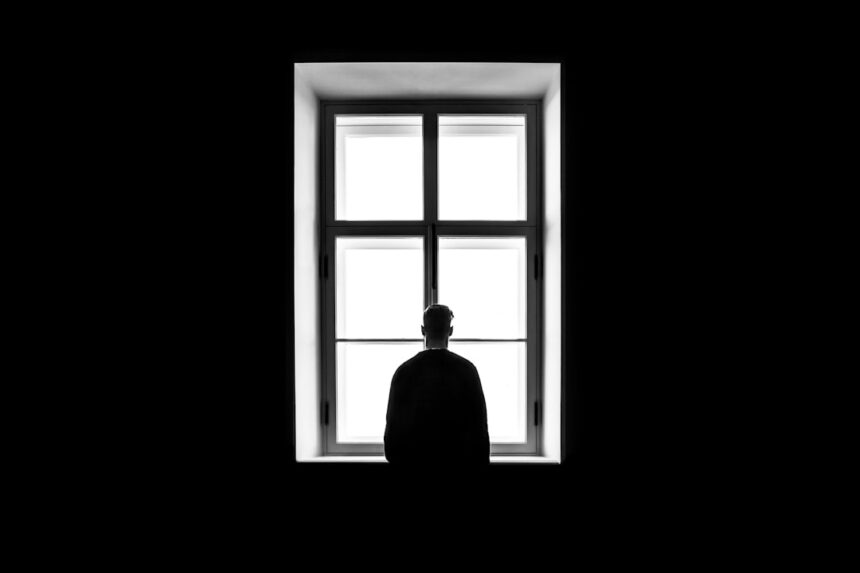
You’re familiar with that creeping sensation, aren’t you? The one that surfaces when your schedule suddenly clears, when the to-do list is surprisingly short, or when you simply have a quiet evening stretching ahead. It’s not the exciting anticipation of free time, but a subtle hum of unease, a prickling of the skin that whispers, “This stillness is wrong.” This, my friend, is idle anxiety, and it’s a surprisingly common phenomenon in our perpetually busy lives.
For many of us, productivity has become synonymous with worth. You’ve likely internalized the message that every moment should be optimized, every spare minute filled with purpose, or at least the appearance of it. This constant drive to do something – to achieve, to create, to improve – creates a powerful undercurrent of pressure. When you’re not actively engaged in a task that can be measured or validated, a subtle panic can set in.
The Culture of Constant Motion
Think about it: your phone buzzes, offering endless streams of information, entertainment, and potential distractions. Social media feeds are curated highlight reels of others’ accomplishments and adventures, implicitly suggesting that your own downtime is a missed opportunity. Workplace environments often reward visible busyness, fostering a culture where even scheduled breaks can feel like slacking off. This cultural conditioning makes it difficult to simply be without feeling a pang of guilt or inadequacy. You’ve been trained to see idleness not as rest or a chance for reflection, but as a deficit.
The “What Ifs” of Unoccupied Time
When your mind isn’t occupied with a direct task, it often drifts to less productive, more anxious avenues. The absence of external grounding can lead to a fertile ground for hypothetical anxieties to sprout. “What if I’m forgetting something important?” your mind might race. “What if this is the only chance I’ll have to get ahead?” or even, “What if I’m not good enough when I’m not actively proving myself?” These questions, fueled by the lack of immediate distraction, can quickly escalate into a full-blown sense of unease. You find yourself scanning for looming threats or past failures, simply because there’s nothing else demanding your attention.
Redefining “Busy”
The concept of being “busy” has been distorted. It often gets conflated with being productive, when in reality, you can be busy without being truly productive. You might be endlessly scrolling through emails or organizing your desk for the tenth time, keeping yourself occupied but not necessarily moving forward on meaningful goals. This form of “busywork” can ironically mask underlying anxieties, providing a superficial sense of control and purpose. Idle anxiety, however, exposes the hollowness of this manufactured busyness, demanding a more genuine engagement with yourself and your time. You start to question if the constant rush is truly serving you, or if it’s simply a way to avoid confronting deeper feelings.
Feeling anxious when you have nothing to do is a common experience that many people face, often stemming from a fear of idleness or a lack of purpose. If you’re interested in exploring this topic further, you might find the article on Unplugged Psych insightful. It delves into the psychological reasons behind such feelings and offers strategies for managing anxiety during downtime. You can read more about it by visiting this link: Unplugged Psych.
The Roots of Idle Anxiety: Where Does It Come From?
Understanding the genesis of your idle anxiety is crucial for dismantling its hold over you. It’s rarely a sudden development but rather a collection of deeply ingrained patterns and beliefs that have taken root over time.
Early Experiences and Conditioning
Consider your childhood. Were you praised for being diligent and accomplishing tasks? Were moments of quiet or unstructured play met with encouragement, or were you nudged towards more “purposeful” activities? Early experiences can shape your perception of rest and productivity. If you learned that attention and validation were primarily awarded for your achievements, then stillness might inherently feel like a lack of love or acceptance. You might have inadvertently internalized the idea that your value is directly tied to your output, making downtime feel like a disconnect from your own self-worth.
Underlying Fear of Inadequacy
At its core, idle anxiety often stems from a fear of not being enough. When you’re not actively demonstrating your skills, knowledge, or efforts, the quiet can provide a breeding ground for self-doubt to flourish. You might worry that without external validation, your inherent inadequacies will be exposed. This fear can manifest as a constant need to be proving yourself, even when there’s no specific demand. You could be comparing yourself to others you perceive as more accomplished, and in the absence of your own current achievements, those comparisons can sting.
The Illusion of Control
In a chaotic world, tasks and goals can offer a sense of control. They provide a clear path, a defined objective, and a tangible sense of progress. When that structure is removed, and you’re left with unstructured time, the illusion of control can dissipate. This can be unsettling, leaving you feeling adrift or vulnerable. You might be anxious because you feel less in command of your environment and your own life. The predictability of a set to-do list can be comforting, and its absence can feel like a loss of agency.
Unprocessed Emotions and Thoughts
Sometimes, idle time is the only time your mind can access suppressed emotions or unresolved thoughts. If you’ve been running on adrenaline and constant activity, you might have been inadvertently avoiding dealing with deeper issues. When the distractions fade, these buried feelings can surface, creating a sense of discomfort and anxiety. You could be experiencing a manifestation of stress that you’ve been successfully outrunning until now. This can be a crucial signal that certain aspects of your inner world require your attention.
Recognizing the Symptoms of Idle Anxiety

You might be experiencing idle anxiety without even realizing it. It often masquerades as restlessness, but there are distinct indicators to look out for.
Physical Manifestations
Idle anxiety isn’t purely a mental construct; it can manifest physically. You might notice increased heart rate, a tensing of your shoulders, a feeling of unease in your stomach, or a general feeling of jitteriness. You might feel restless, unable to settle into a comfortable position, even when you’re physically tired. These are your body’s subtle signals that something is amiss, even if your mind can’t pinpoint the exact cause.
Mental and Emotional Discomfort
Beyond the physical, you’ll likely experience a range of mental and emotional symptoms. This includes racing thoughts, an inability to focus on present experiences, a feeling of emptiness, irritability, or a pervasive sense of dread. You might find yourself constantly checking your phone, not necessarily to engage, but simply to fill the void. A sense of boredom can quickly morph into a feeling of deep dissatisfaction with yourself and your situation.
Avoidance Behaviors
When faced with idle time, you might find yourself actively seeking distractions, even if they’re not truly enjoyable or fulfilling. This could involve excessive social media scrolling, binge-watching television shows, engaging in compulsive online shopping, or even picking unnecessary fights with loved ones. The goal is simply to avoid the discomfort of being alone with your thoughts and feelings. You’re using these activities as a buffer against the anxiety.
Difficulty Relaxing
Even when you have the opportunity for genuine rest and relaxation, you might find yourself struggling to switch off. The mental chatter continues, making it impossible to truly unwind. This can lead to feelings of frustration, as you’re not able to enjoy the down time that you theoretically have. You might be physically present, but mentally you’re still on high alert, scanning for perceived threats or unmet obligations.
Strategies for Navigating Idle Anxiety

The good news is that you don’t have to remain a prisoner to idle anxiety. By understanding its origins and recognizing its manifestations, you can begin to develop effective strategies for navigating these moments of stillness.
Embrace Mindfulness and Self-Awareness
The cornerstone of overcoming idle anxiety is cultivating mindfulness. This involves paying attention to your thoughts, feelings, and bodily sensations in the present moment without judgment. When you feel the familiar prickle of anxiety arise, rather than immediately trying to push it away or distract yourself, try to observe it. Ask yourself: “What am I feeling right now? What thoughts are passing through my mind?” This practice helps you deconstruct the anxiety, realizing that it’s a temporary state rather than a monolithic problem. You begin to see the anxious thoughts as just that – thoughts – and not necessarily reflections of reality.
Reframe Your Definition of Productivity
It’s time to challenge the notion that productivity is solely about tangible output. True productivity also encompasses activities that nourish your mind, body, and soul. This includes rest, reflection, creative exploration, spending time in nature, or connecting with loved ones. When you start to view these activities as essential components of a well-lived life, rather than mere periods of inactivity, the pressure to be constantly “doing” diminishes. You begin to understand that refueling yourself is a productive act in itself, allowing you to be more effective when you are engaged in tasks.
Schedule Intentional Downtime
Just as you schedule important meetings or appointments, consciously schedule periods of downtime. This sounds counterintuitive, but it can be incredibly effective. Treat these blocks of time as sacred, and resist the urge to fill them with “busywork.” Use this time for activities that genuinely bring you joy or peace, whether it’s reading for pleasure, listening to music, meditating, or simply sitting and observing your surroundings. By intentionally carving out this space, you grant yourself permission to simply be.
Develop Healthy Coping Mechanisms
Instead of relying on avoidance behaviors, develop healthy ways to manage your anxiety when it arises. This could include journaling, engaging in light physical activity like walking or stretching, practicing deep breathing exercises, or listening to calming music. Experiment with different techniques to discover what works best for you. The goal is to equip yourself with tools that allow you to process your emotions constructively, rather than suppressing them.
Feeling anxious when you have nothing to do is a common experience that many people face. This sensation often stems from a fear of idleness or a lack of purpose, which can trigger feelings of unease. If you’re curious to explore this topic further, you might find it helpful to read an insightful article on the subject. It discusses various strategies to manage anxiety during downtime and emphasizes the importance of self-reflection. You can check it out here: Unplugged Psych. Understanding these feelings can lead to healthier coping mechanisms and a more balanced approach to leisure time.
Moving Towards a More Peaceful Relationship with Stillness
| Reasons for feeling anxious when having nothing to do |
|---|
| 1. Overthinking about the future |
| 2. Feeling unproductive or lazy |
| 3. Lack of purpose or direction |
| 4. Fear of missing out on opportunities |
| 5. Inability to relax and enjoy downtime |
Overcoming idle anxiety isn’t about eliminating it entirely, but about developing a more peaceful and accepting relationship with moments of stillness. It’s a journey of self-discovery and reframing your internal narrative.
Cultivating Self-Compassion
Be kind to yourself throughout this process. You’ve likely spent years conditioning yourself to fear idle time. Shifting that pattern takes time and patience. When you experience a setback or find yourself falling back into old habits, acknowledge it without judgment and gently redirect yourself. You are learning a new way of being, and that’s a significant undertaking.
Embracing the “Boring”
There’s a certain beauty and peace to be found in what we might perceive as “boring” activities. Learning to enjoy simple pleasures – watching clouds drift by, observing the details of a plant, or simply being present in a quiet moment – can be incredibly restorative. Embrace the stillness, even when it feels unfamiliar or uncomfortable. You might discover a richness in these moments that you never anticipated.
Reconnecting with Your Inner World
Idle anxiety is often a sign that you’ve been disconnected from your inner world. By embracing stillness, you create an opportunity to reconnect. Listen to your intuition, explore your values, and understand your needs. This inward focus can lead to a deeper sense of self-awareness and authenticity, diminishing the reliance on external validation and the fear of not being enough. You begin to understand that your worth is inherent, not contingent on your output.
The Ongoing Practice
Remember that managing idle anxiety is an ongoing practice, not a destination. There will be days when the unease resurfaces, and that’s perfectly okay. The key is to respond with awareness and self-compassion, using the tools you’ve developed to navigate these moments. With consistent effort, you can transform your relationship with downtime, moving from a place of anxiety to one of peace, presence, and genuine contentment. You learn to see those quiet moments not as voids to be filled, but as opportunities for growth, reflection, and replenishment.

Why You Can’t Relax (Even When There’s Nothing Wrong)
FAQs
1. What is anxiety and why do people experience it?
Anxiety is a natural response to stress or a perceived threat. It can manifest as feelings of worry, fear, or unease. People may experience anxiety when they have nothing to do due to a lack of distraction from their thoughts or feelings of uncertainty about the future.
2. How does having nothing to do contribute to feelings of anxiety?
Having nothing to do can lead to overthinking and rumination, which can exacerbate feelings of anxiety. Without a distraction or task to focus on, individuals may become more aware of their internal thoughts and feelings, leading to increased anxiety.
3. What are some common symptoms of anxiety when having nothing to do?
Common symptoms of anxiety when having nothing to do may include restlessness, irritability, difficulty concentrating, muscle tension, and a sense of impending doom or danger. These symptoms can vary in intensity and duration.
4. How can individuals manage anxiety when they have nothing to do?
Managing anxiety when having nothing to do can involve engaging in relaxation techniques such as deep breathing, mindfulness meditation, or progressive muscle relaxation. Engaging in hobbies, physical activity, or seeking social support can also help alleviate feelings of anxiety.
5. When should someone seek professional help for anxiety related to having nothing to do?
If feelings of anxiety significantly interfere with daily functioning, persist for an extended period, or lead to thoughts of self-harm or suicide, it is important to seek professional help. A mental health professional can provide support, guidance, and appropriate treatment for managing anxiety.