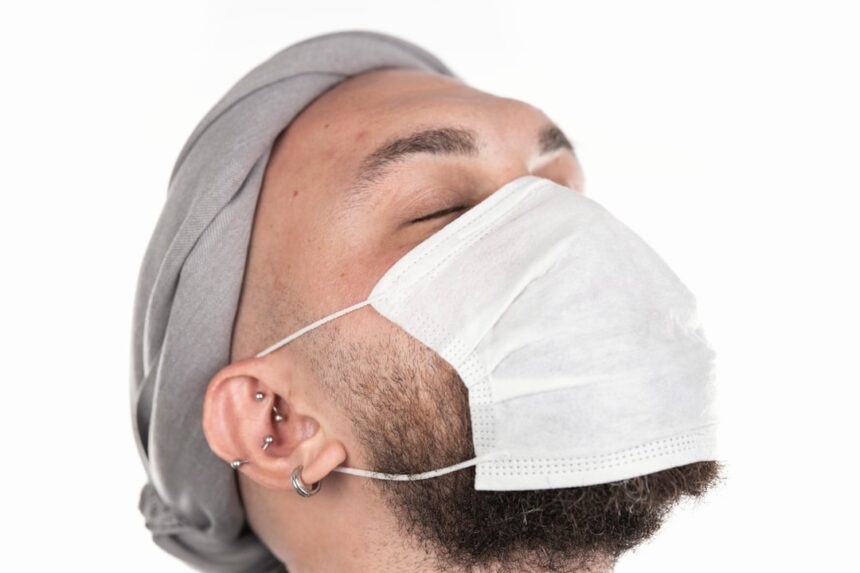
You wear a mask. You know you do. Every human does. It’s a simple, irrefutable fact of existence, a fundamental aspect of navigating the complex currents of social interaction. It’s the carefully constructed facade you present to the world, a curated version of yourself designed to elicit specific reactions, to project an image, to survive. But here’s the unavoidable truth: that mask, no matter how artfully crafted, how diligently maintained, will always, eventually, slip.
The Genesis of the Facade: Early Imprints and Learned Behavior
From your earliest consciousness, you began constructing this persona. Observe the child, unburdened by significant societal pressure. Even then, there are glimmers. A toddler might feign a cry to gain attention, a flicker of strategic manipulation that foreshadows the larger dance to come. As you grow, the world begins to teach you explicitly and implicitly what is acceptable, what is desirable, and what is to be hidden. Your parents, your teachers, your peers – they all contribute to the blueprint of the mask. You learn to smile when you’re not happy, to agree when you disagree, to suppress a flush of embarrassment or the surge of anger. This isn’t inherently malicious; it’s adaptive.
The Imperative of Social Cohesion
Consider the sheer necessity of this protective layering. Without it, raw, unadulterated expression would likely lead to social chaos. Imagine a world where every candid thought, every fleeting emotion, was broadcast without filter. It would be a relentless assault, a constant state of friction. Your mask, therefore, serves as a vital lubricant, smoothing the rough edges of your inner self to allow for smoother interactions. It’s an unspoken agreement, a societal contract that requires you to present a certain level of civility, a degree of predictability, and an avoidance of behaviors that disrupt collective harmony.
Internalized Norms and External Expectations
The pressure to conform, to fit in, is a powerful sculptor of your outward presentation. You internalize societal norms, the unwritten rules that govern behavior, and begin to police yourself. You learn what constitutes “good” behavior, what makes you likable, and what marks you for disapproval. This internalization is so deep that often, you’re not consciously aware of the mechanisms at play. You simply do what you believe is expected, what will earn you approval, or at the very least, avoid condemnation. The mask becomes second nature, a responsive reflex rather than a deliberate act.
The concept of the human mask slipping often refers to the idea that individuals may present a facade to the world, but their true selves eventually emerge, revealing deeper emotions and vulnerabilities. This phenomenon is explored in greater detail in the article found at Unplugged Psychology, where the complexities of human behavior and the psychological underpinnings of our social masks are examined. Understanding why the human mask slips can provide valuable insights into our interactions and relationships, highlighting the importance of authenticity in a world that often encourages pretense.
The Cracks Appear: Involuntary Disclosures and Unconscious Leaks
The struggle to maintain a flawless presentation is, by its very nature, an uphill battle against your own inherent humanity. Your emotions, your instincts, your unvarnished opinions – they are persistent. They don’t simply vanish because you decide to hide them. They seek an outlet, a crack in the carefully constructed edifice.
The Expressive Power of Nonverbal Communication
Your body, far more than you might realize, betrays your inner state. The subtlest of twitches, the minute shifts in posture, the involuntary dilation of pupils, the almost imperceptible tightening of a jaw – these are the whispers of your true feelings. You can control your words, your facial expressions to a degree, but the vast lexicon of nonverbal cues is far more difficult to command. A well-practiced smile might not reach your eyes. A confident stance can be undermined by fidgeting thumbs. These are not decisions you make; they are automatic responses that bypass your conscious control.
Micro-expressions: Fleeting Windows into the Soul
These are the most telling. Micro-expressions are involuntary facial expressions that flash across a person’s face for a fraction of a second, revealing a genuine emotion that the person is trying to suppress. Anger, fear, disgust, sadness, happiness, surprise, contempt – they all have distinct facial signatures. You might consciously suppress an expression of anger, but a fleeting grimace, a tightening around the nostrils, can betray your true feelings for a moment before your practiced composure reasserts itself. These are impossible to truly hide, even for the most skilled poker player.
Subtleties of Body Language
Beyond the fleeting micro-expressions, your body’s general disposition speaks volumes. When you’re engaged and interested, your body leans forward. When you’re bored or disengaged, you might slouch, or your gaze will drift. The unconscious mirroring of others’ body language, a sign of rapport, can also reveal your underlying sentiments. Your hands might clench when you feel threatened, your breathing might shallow when you’re anxious, or your shoulders might subtly slump when you’re feeling defeated. These are the physical manifestations of your internal landscape.
The Weight of Fatigue and Stress
The mask, like any artificial construct, requires energy to maintain. When you are tired, depleted, or under significant stress, your capacity for self-policing diminishes. The carefully constructed walls begin to crumble. Your usual filters become less effective. Irritability surfaces more readily. Patience wears thin. The polite responses you habitually deploy are replaced by sharper, more direct pronouncements. What you might otherwise adeptly conceal, you now struggle to suppress. This isn’t a failing; it’s a natural consequence of exceeding your reserves.
The Erosion of Cognitive Control
When exhausted, your executive functions – the cognitive processes responsible for planning, decision-making, and self-control – are compromised. These are the very functions that enable you to manage your emotions and suppress inappropriate responses. This cognitive weariness makes it exponentially harder to maintain the facade. You become more susceptible to impulsive actions and less adept at strategic social performance.
Stress as a Catalyst for Authenticity
Under profound stress, the survival instincts can override the more nuanced demands of social decorum. Your priorities shift. What once seemed vital – maintaining a perfect appearance – becomes secondary to immediate needs or emotional release. This can lead to the surfacing of raw, unvarnished reactions that were previously held tightly in check. It’s during these moments of extreme pressure that you often see the most authentic, and sometimes startling, versions of individuals.
Moments of Genuine Vulnerability: When the Guard Fails
There are specific circumstances that amplify the likelihood of your mask slipping. These are moments when the usual barriers are lowered, and the raw edges of your true self are exposed, intentionally or not.
Intimacy and Trust: The Erosion of Pretense
In relationships characterized by deep intimacy and unwavering trust, the need for a mask begins to wane. With individuals you feel truly safe with, the energy expenditure required to maintain a façade feels unnecessary, even burdensome. You allow yourself to be more unguarded, to reveal your flaws, your insecurities, and your less-than-perfect thoughts. This isn’t a conscious decision to abandon the mask entirely, but rather a gradual relaxation of its grip, a willingness to be seen more fully.
The Comfort of Being Unseen
The space created by profound trust allows for a degree of vulnerability that is often absent in other social interactions. You can confess fears, voice doubts, and express a range of emotions without the fear of judgment or negative repercussions. This authentic sharing deepens the bond and further erodes the necessity for pretense within that specific relationship.
The Unspoken Permission to Be Imperfect
In these intimate circles, there’s an unspoken permission to err, to be less than perfectly composed. The people who genuinely care about you often see beyond the occasional slip-up and appreciate the genuine connection that undresses the layers of social artifice. This acceptance can be a powerful antidote to the constant pressure of maintaining a flawless exterior.
The Seduction of Shared Experience and Strong Emotion
Moments of intense shared experience, whether joy, sorrow, or even collective outrage, can dissolve the boundaries between individuals and momentarily dismantle their carefully erected defenses. A shared laugh that erupts uncontrollably, a collective gasp of shock, or a unified surge of anger – these powerful emotional currents can override individual attempts at restraint.
Collective Euphoria and Shared Grief
In moments of profound collective joy or sorrow, the boundaries of individual pretense blur. Witness a stadium erupting in cheers after a victory, or a community mourning a shared loss. In these instances, the emotional energy is so potent that individual masks become inconsequential. The shared experience creates a temporary unity, where individual expressions are amplified and echoed, rather than suppressed.
The Power of the In-Group Dynamic
When you are part of a cohesive group, particularly one that shares common experiences or beliefs, the pressure to conform to the group’s norms can lead to a shedding of individual masks within that context. This can feel liberating, as you are embraced for your authentic self as defined by the group’s standards. However, this can also lead to a different kind of performance, one tailored to the expectations of that specific in-group.
The Inevitable Revelation: Triggers and Unforeseen Circumstances
Despite your best efforts, there are specific catalysts that almost guarantee the mask will falter, revealing a glimpse of the individual beneath. These are often unexpected, forcing a reaction that bypasses your usual defenses.
The Force of Surprise and Shock
Sudden, unexpected events are potent disruptors of your carefully maintained composure. Imagine receiving unexpected news, witnessing an accident, or being startled by a sudden noise. In these moments, your instantaneous, unthinking reaction is often the most genuine. The surprise bypasses your cognitive filters, and what you see or feel in that split second is your unadulterated response.
The Primal Urge of Astonishment
Surprise triggers a primal, almost reflexive reaction. Your eyes widen, your mouth might fall open, your breathing might hitch. These are physical manifestations of your brain processing an unexpected stimulus, a process that is too rapid and too deeply ingrained to be easily controlled.
The Absence of Time for Rehearsal
In moments of shock, there is simply no time to consciously construct a response. You are caught off guard, and your immediate, unvarnished reaction is what emerges. This is why eyewitness accounts of traumatic events can be so raw and powerful, reflecting genuine, unmediated emotion.
The Power of Provocation and Direct Confrontation
When directly challenged, insulted, or confronted, your instinct for self-preservation or defense can override your desire to maintain a placid exterior. The aggressive push necessitates a reactive pull, and often, this pull involves revealing a less polished, more combative aspect of yourself.
The Triggering of Defensive Mechanisms
Direct confrontation often activates your innate defensive mechanisms. This can manifest as anger, indignation, or a defiant stance. The perceived threat to your persona or your principles can lead to an immediate shedding of niceties in favor of a more assertive, and less veiled, response.
The Erosion of Social Grace Under Pressure
When your emotional equilibrium is significantly disturbed by a direct and aggressive challenge, your capacity for maintaining social graces can be severely tested. The urge to retaliate or defend yourself can push aside the carefully practiced behaviors that usually govern your interactions.
The concept of the human mask slipping is a fascinating exploration of our true selves and the facades we maintain in society. Many people struggle with the pressure to conform, leading to moments where their authentic emotions and thoughts break through. For a deeper understanding of this phenomenon, you might find it interesting to read an article that delves into the psychological aspects of identity and authenticity. You can explore more about this topic in the article found here.
The Long-Term Cost of the Unavoidable Slip
The slipping of the mask is not merely an occasional inconvenience; it has deeper, more complex consequences for you as an individual. While it can, at times, lead to more authentic connections, the constant effort to maintain the facade, and the inevitable slips, take a toll.
The Weariness of Perpetual Performance
The constant effort of maintaining a facade is exhausting. It’s a form of perpetual performance, requiring constant vigilance and energy expenditure. You are perpetually “on,” regulating your thoughts, your actions, and your expressions to fit a predetermined mold. This sustained effort can lead to profound mental and emotional fatigue.
The Drain on Cognitive Resources
As mentioned earlier, maintaining the mask requires significant cognitive resources. The constant self-monitoring and social perception involved are demanding. Over time, this can lead to burnout, reduced concentration, and a general feeling of depletion.
The Risk of Emotional Detachment
When you consistently suppress your true emotions, you risk becoming detached from them. The lines between your authentic self and the persona you project can blur, leading to a sense of emotional numbness or a disconnect from your own feelings. This can be a protective mechanism that ultimately isolates you.
The Paradox of Authenticity and Social Acceptance
The very act of maintaining a mask is rooted in a desire for social acceptance. Yet, the slips and revelations, while sometimes leading to deeper connection, also carry the inherent risk of rejection. This creates a fundamental paradox: the effort to be accepted often necessitates a degree of inauthenticity, while true authenticity carries the risk of not being accepted.
The Fear of Judgment and Condemnation
The underlying fear that drives the need for a mask is often the fear of being judged, criticized, or ostracized. You worry that if your true self is revealed, it will be found wanting. This fear can be a powerful motivator, reinforcing the need for a flawless presentation.
The Elusive Nature of True Belonging
Genuine belonging, the feeling of being truly accepted and valued for who you are, is often predicated on the ability to be vulnerable and authentic. However, the very act of hiding parts of yourself, of wearing a mask, can impede the development of these deep, meaningful connections. You may find yourself surrounded by people, yet feeling profoundly alone.
You will continue to wear a mask, for it is a fundamental human compulsion. Your social world depends on it, and your own psychological well-being, in many ways, is shaped by its presence. But understanding that it will inevitably slip, that there will be moments of vulnerability and unvarnished revelation, is not a cause for despair. It is, instead, an invitation to a deeper understanding of yourself and the complex, often contradictory, nature of human connection. The slips are not failures; they are simply reminders of the raw, untamed humanity that lies beneath the polished surface.
FAQs
1. What does it mean when the human mask slips?
When the human mask slips, it refers to the moment when a person’s true emotions, intentions, or personality are revealed, often contradicting the facade they present to the world.
2. Why do people wear a “mask” in social situations?
People wear a “mask” in social situations to conform to societal expectations, hide their true feelings, or protect themselves from judgment or vulnerability.
3. What are some common reasons for the human mask to slip?
The human mask may slip due to stress, fatigue, intense emotions, or when a person is unable to maintain their facade in a particular situation.
4. How can the human mask slipping impact relationships and interactions?
When the human mask slips, it can lead to a breakdown in trust, misunderstandings, or conflict in relationships and interactions as the true feelings or intentions of the person are revealed.
5. Can the human mask slipping be a positive thing?
The human mask slipping can be a positive thing as it allows for authentic and genuine connections, promotes honesty, and provides an opportunity for personal growth and self-awareness.