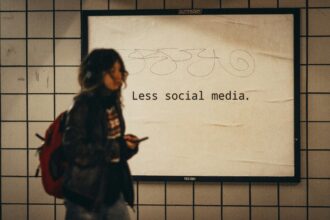
You stand at a precipice, the wind of external validation whipping around you. It whispers promises of acceptance, of belonging, of a curated perfection that gleams under artificial lights. This is the crossroads where you might be tempted to trade, not for tangible riches, but for something far more precious and, ultimately, far more destructive: your soul, exchanged for a meticulously crafted persona.
You feel the magnetic pull, don’t you? The desire to be seen, admired, even envied. This isn’t a new phenomenon. Humans have always sought ways to present themselves favorably to the world. But in the hyper-connected, digitally saturated landscape of today, this impulse has morphed into something more potent, more insidious. You see the curated lives flash across your screens – the effortless success, the picturesque relationships, the unwavering confidence. It’s a siren song, beckoning you towards a manufactured ideal.
Defining the Persona: More Than Just a Facade
It’s crucial to understand what we’re discussing. A persona, in this context, isn’t simply a matter of putting your best foot forward. It’s the adoption of a carefully constructed identity, divorced from the messy, authentic reality of who you are. It’s building a character, complete with a backstory, a set of performative behaviors, and a carefully managed public image, all designed to elicit a specific, positive reaction from others. This isn’t about subtle self-improvement; it’s about a wholesale re-invention.
The Erosion of Authenticity: A Gradual Undoing
The danger lies in the slow, almost imperceptible erosion of your true self. Each curated post, each carefully worded comment, each strategically omitted detail, chips away at the bedrock of your authenticity. You begin to self-censor, anticipating the judgment of your audience. Your spontaneous reactions become measured, your genuine emotions suppressed in favor of the persona’s projected composure. This isn’t a conscious decision you make in a single moment, but a series of small compromises that, over time, build an impenetrable wall between you and your authentic core.
The Pressure to Conform: The Tyranny of the Audience
Your audience, whether it’s a handful of acquaintances or millions of online followers, becomes your de facto ruler. Their perceived expectations dictate your actions, your words, and even your thoughts. You find yourself constantly checking, adjusting, and refining your persona to meet these unspoken demands. This relentless performance becomes exhausting, a constant tightrope walk where the fear of falling is ever-present. The freedom to simply be – to make mistakes, to feel awkward, to express imperfect emotions – is lost amidst the pressure to maintain the flawless illusion.
In exploring the profound implications of trading one’s soul for a crafted persona, it is essential to consider the insights presented in the article found at Unplugged Psychology. This piece delves into the psychological dangers of sacrificing authenticity for societal acceptance, highlighting how such a trade can lead to a disconnection from one’s true self and emotional turmoil. By examining the consequences of this phenomenon, readers can gain a deeper understanding of the importance of maintaining genuine identity in a world that often values superficial appearances over true character.
The Invisible Cracks: The Cost of the Performance
The persona might gleam on the surface, but beneath, unseen by many, cracks begin to form. This is where the true peril manifests, not in external condemnation, but in internal fracturing. The energy and effort required to maintain this artificial self are immense, and this energy is being diverted from more vital aspects of your life.
The Draining of Vitality: The Exhaustion of Constant Performance
Think about the sheer mental and emotional toll of maintaining a consistent, unblemished facade. Every interaction becomes a performance review. Every digital footprint is scrutinized. You’re not just living; you’re directing, producing, and starring in your own perpetual play, with yourself as both the actor and the harshest critic. This constant vigilance drains your emotional reserves. You find yourself tired, not from physical exertion, but from the relentless mental gymnastics of being someone you are not. This exhaustion can bleed into all areas of your life, diminishing your capacity for joy, creativity, and genuine connection.
The Illusion of Connection: Superficial Bonds and Unmet Needs
One of the most tragic ironies of clinging to a persona is the sense of profound loneliness it often engenders. You might amass a large following, receive countless likes and comments, and yet feel utterly isolated. These interactions are with the persona, not with you. People are responding to the carefully constructed image, not the vulnerable, imperfect human being underneath. This creates a chasm between the superficial interactions you experience and the deep, authentic connections you crave. Your genuine emotional needs remain unmet, leaving you feeling hollow despite the outward appearance of popularity.
The Stunted Growth of the Self: Stagnation and the Fear of Authenticity
When you present a perfected version of yourself, you effectively shut down opportunities for genuine growth. Learning often comes from mistakes, from facing challenges, and from the messy process of figuring things out. If your persona is one of effortless mastery, you deny yourself the valuable lessons that come from grappling with difficulty. You become afraid to expose your weaknesses, to ask for help, or to admit you don’t have all the answers. This fear can lead to a profound stagnation of the self, where you remain perpetually on the surface, never delving into the depths of your potential.
The Unraveling Threads: When the Persona Begins to Fray
The edifice you’ve so painstakingly constructed is not immutable. External pressures, internal fatigue, and the very nature of reality will eventually challenge the integrity of your persona, revealing the fragile foundations upon which it was built.
The Inevitable Slip-Ups: Moments of Vulnerability Exposed
Even the most skilled performers have moments where the mask slips. A misspoken word, an unguarded expression, an unexpected encounter with someone who knows the “real” you – these are the fissures that can allow light, and sometimes unwelcome truth, to seep through. These moments can be terrifying precisely because they expose the artifice. The fear of judgment intensifies, as you anticipate the fallout from this perceived imperfection.
The Inner Critic’s Victory: Self-Doubt and Insecurity Amplified
Your internal critic, the one that has been whispering doubts all along, finds ammunition in these slip-ups. The persona, designed to deflect all criticism, now becomes the subject of amplified self-recrimination. You berate yourself for not being perfect, for not being able to maintain the illusion. This internal monologue can be far more devastating than any external commentary, chipping away at your self-esteem and reinforcing the belief that you are fundamentally flawed and unworthy of genuine acceptance.
The Loss of Control: The Anxiety of Unpredictability
The persona offers a semblance of control over how you are perceived. However, life is inherently unpredictable. When unexpected events occur – personal losses, professional setbacks, health crises – the meticulously crafted persona can feel woefully inadequate. You might find yourself unable to respond in a way that aligns with the image you’ve cultivated. This loss of control can trigger intense anxiety, as you grapple with the realization that your curated world is not as stable as you believed.
The Price Tag: A Soul Demanded
The trading of your soul for a persona isn’t a transaction made at a market stall. It’s a slow, often unconscious surrender of your essential self. The price is steep, and the payment is extracted gradually, leaving you with less of who you truly are. This isn’t about judgment or condemnation; it’s about recognizing a dangerous path and understanding its devastating consequences.
The Diminishment of Inner Joy: A Life Lived at Arm’s Length
When you dedicate yourself to the maintenance of a persona, you are essentially participating in a form of self-estrangement. The genuine joys of life – the spontaneous laughter, the quiet moments of contentment, the fierce passion for something true – become muted. Your emotional landscape shrinks, as you prioritize the performance over genuine feeling. You learn to present a happy facade even when you are unhappy, to project confidence when you are terrified. This constant emotional dissonance creates a hollowness, a sense that you are experiencing life from a distance, always observing rather than fully participating.
The Erosion of Moral Compass: Compromising Principles for Perception
The desire to maintain a favorable persona can lead to subtle, and sometimes not-so-subtle, compromises of your core values. You might find yourself agreeing with opinions you don’t hold, suppressing your true beliefs to avoid alienating your audience, or even engaging in minor deceptions to maintain the illusion of perfection. This gradual erosion of your moral compass is a dangerous consequence of prioritizing image over integrity. Each compromise, however small, further distances you from the person you wish to be.
The Ultimate Isolation: A Self-Imposed Prison
When you invest so heavily in a persona, you are, in essence, creating a self-imposed prison. You are the warden and the inmate, meticulously guarding the boundaries of your fabricated identity. The outside world, with its potential for genuine connection and acceptance, remains at a distance. You may have many acquaintances, but few true confidantes. The fear of being discovered, of having the carefully constructed illusion shattered, keeps you isolated within your own carefully curated reality.
In today’s digital age, the allure of crafting a perfect online persona can often lead individuals to compromise their true selves, a theme explored in a thought-provoking article on the dangers of trading your soul for a persona. This article delves into the psychological ramifications of such choices and highlights the importance of authenticity in a world driven by social media. For further insights, you can read more about this topic in the article found here.
Reclaiming the Self: The Path Back from the Precipice
| Persona | Danger |
|---|---|
| Loss of Authenticity | Trading your soul for a persona can lead to a loss of authenticity as you may feel disconnected from your true self. |
| Mental Health Issues | It can lead to mental health issues such as anxiety, depression, and identity crisis as you struggle to maintain the facade of the persona. |
| Relationship Strain | Trading your soul for a persona can strain your relationships as people may feel that they are not interacting with the real you. |
| Lack of Fulfillment | It can lead to a lack of fulfillment as you may constantly seek validation and approval from others while neglecting your true desires and passions. |
The realization that you’ve been trading your soul for a persona can be a frightening one. But it is also the first step towards reclaiming yourself. The journey back might be challenging, but it is infinitely more rewarding than continuing down the path of artifice.
The Courage to Be Imperfect: Embracing the Messiness of Being Human
The antidote to the persona is authenticity. This requires the courage to be imperfect. It means allowing yourself to be seen, not as the polished version you’ve presented, but as the flawed, complex, and evolving human being you are. This involves relinquishing the need for constant validation and understanding that true acceptance comes from embracing your vulnerabilities. It’s about finding peace in the knowledge that you are enough, just as you are, with all your strengths and weaknesses.
The Practice of Self-Compassion: Nurturing Your Inner Being
As you begin to shed the persona, you might experience a wave of shame and regret. This is where self-compassion becomes essential. Treat yourself with the same kindness and understanding you would offer a dear friend who is struggling. Acknowledge the difficult journey you’ve been on and forgive yourself for the choices you’ve made in pursuit of acceptance. Nurture your inner being, attending to your genuine needs and desires, rather than those dictated by an external audience.
The Pursuit of Genuine Connection: Building Bridges, Not Walls
The ultimate goal is to cultivate genuine connections. This means investing time and energy in relationships where you can be your authentic self, and where others can do the same. It’s about sharing your true thoughts and feelings, even when it’s uncomfortable, and being a safe space for others to do the same. These connections are the antidote to the isolation that the persona breeds, offering the warmth and belonging that only authentic human interaction can provide.
The precipice is still there, but now you see it differently. It’s not a place of temptation, but a reminder of the path you’ve navigated. The wind of external validation still blows, but you are learning to stand firm, grounded in the unshakable truth of your own being. The soul you once considered a commodity to be traded is now recognized as your most precious possession, one that cannot be bought, sold, or replicated. It is yours, and yours alone, to cherish and to live by.
FAQs
What is the danger of trading your soul for a persona?
The danger of trading your soul for a persona is that you may lose touch with your true self and become disconnected from your authentic feelings and values. This can lead to feelings of emptiness, dissatisfaction, and a lack of fulfillment in life.
How does trading your soul for a persona impact mental health?
Trading your soul for a persona can have a negative impact on mental health. It can lead to feelings of anxiety, depression, and a sense of disconnection from oneself. It can also contribute to a lack of self-esteem and self-worth.
What are some signs that someone may be trading their soul for a persona?
Some signs that someone may be trading their soul for a persona include a constant need for external validation, a lack of authenticity in their interactions with others, and a tendency to prioritize image and appearance over genuine connection and relationships.
How can someone avoid trading their soul for a persona?
To avoid trading their soul for a persona, individuals can focus on self-reflection, self-awareness, and cultivating a strong sense of their own values and beliefs. It’s important to prioritize authenticity and genuine connections with others, and to be mindful of the impact of societal pressures and expectations.
What are the long-term consequences of trading your soul for a persona?
The long-term consequences of trading your soul for a persona can include a deep sense of dissatisfaction and emptiness, as well as a lack of fulfillment in life. It can also lead to difficulties in forming genuine connections with others and a persistent feeling of disconnection from oneself.