
You navigate the world, a complex tapestry of individual experiences. Within this vast network, your actions, seemingly small and perhaps even insignificant at times, weave threads of connection and impact. You have the power to choose the texture of these threads, to mend tears or to create new ones. This is the essence of selfless acts: treating the world with kindness.
Kindness, at its core, is not about grand gestures or dramatic sacrifices. It begins with the subtle yet potent tool at your disposal: your words. You possess the ability to uplift, to encourage, and to validate, or conversely, to wound, to dismiss, and to discourage. The choice rests with you in every interaction.
The Ripple Effect of Empathy
When you pause to consider another person’s perspective, to genuinely attempt to understand their feelings and motivations, you unlock a powerful form of empathy. This act of stepping outside your own immediate concerns allows you to connect on a deeper level.
Active Listening as a Foundation
True listening is not merely waiting for your turn to speak. It involves paying attention, not just to the words spoken, but to the unspoken emotions and nuances behind them. You can practice active listening by maintaining eye contact, nodding in acknowledgment, and paraphrasing what you hear to ensure comprehension. This demonstrates respect and a genuine interest in the other person’s experience.
Validation, Not Agreement
Validating someone’s feelings does not necessitate agreeing with their viewpoint or their actions. It simply means acknowledging that their emotions are real and understandable from their perspective. Phrases like “I can see why you would feel that way” or “That sounds incredibly frustrating” can go a long way in making someone feel heard and understood. You are not condoning, you are acknowledging.
The Impact of Encouragement
In a world that can often feel relentlessly critical, your words of encouragement can be a lifeline. A simple “You’ve got this,” or “I believe in you,” spoken with sincerity, can bolster someone’s confidence and motivate them to persevere through challenges.
Recognizing Effort, Not Just Outcome
It is easy to praise success, but true kindness lies in recognizing and appreciating effort. You can acknowledge the hard work someone has put in, even if the desired outcome has not yet been achieved. This fosters resilience and a growth mindset, encouraging them to continue striving without the fear of immediate judgment.
Offering Hope in Difficult Times
When someone is struggling, your words can either contribute to their darkness or offer a glimmer of hope. You can choose to focus on solutions, on positive attributes, or simply offer a companionable silence that says, “You are not alone.” This requires a delicate balance and a genuine desire to offer solace.
In a world often driven by self-interest, the concept of altruism shines brightly, reminding us that some individuals choose to treat the world with kindness and compassion without expecting anything in return. This idea is beautifully explored in the article found at Unplugged Psychology, which delves into the psychological benefits of selfless acts and how they contribute to a more harmonious society. By understanding the motivations behind such behavior, we can foster a culture that values generosity and empathy, ultimately enriching our collective experience.
Acts of Service: Beyond the Obligation
Beyond your verbal interactions, your actions speak volumes. Selfless acts of service involve contributing your time, energy, and resources to benefit others, often without expectation of reward. These are the practical manifestations of your desire to make a positive difference.
The Quiet Contribution of Practical Help
Often, acts of service are not the headline-grabbing events, but the quiet, consistent contributions that make a tangible difference in someone’s life. This could be as simple as helping a neighbor carry groceries, offering to drive a friend to an appointment, or volunteering your skills for a local cause.
Recognizing and Responding to Needs
Being attentive to the needs around you is the first step. You might notice a colleague struggling with a deadline, an elderly neighbor needing assistance with yard work, or a community organization seeking volunteers. You have the capacity to assess these situations and to decide how you can offer meaningful support.
The Value of Your Time and Skills
Your time is a valuable commodity. Dedicating even a portion of it to helping others can have a profound impact. Similarly, identifying your unique skills and offering them where they are most needed can be incredibly effective. Whether you are a skilled baker, a tech whiz, or an excellent organizer, your talents can be a powerful force for good.
Community Building Through Shared Effort
When you engage in acts of service as part of a group or community, you foster a sense of collective purpose and belonging. Working together towards a common goal strengthens bonds and creates a more supportive environment for everyone.
Supporting Local Initiatives
Many communities have local organizations and initiatives that are making a difference. Contributing to these efforts, whether through donations, volunteering, or raising awareness, strengthens the fabric of your local society. You become an active participant in building a better environment for yourself and those around you.
Mentorship and Guidance
Sharing your knowledge and experience with others, particularly younger generations or those new to a field, is a profound act of service. Mentorship provides guidance, encourages development, and fosters a sense of continuity and support within a profession or community. You have the potential to shape future endeavors through your wisdom.
The Generosity of Spirit: Giving Without Expectation
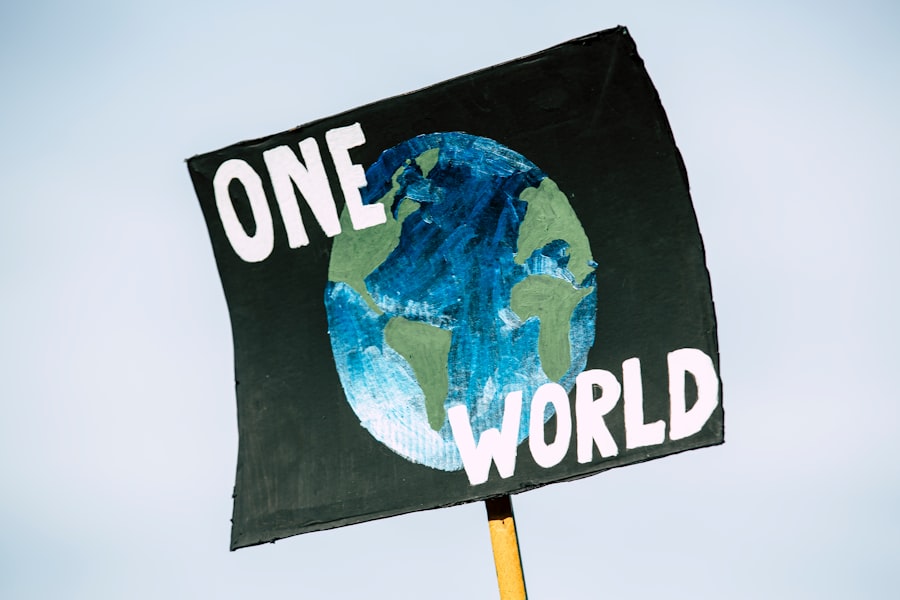
Generosity is not solely about material possessions; it is also about an open and giving spirit. It is the willingness to share your emotional energy, your compassion, and your understanding freely, without the implicit or explicit expectation of something in return.
Emotional Availability and Support
In your interactions, you can offer the invaluable gift of emotional availability. This means being present for others when they are experiencing joy, sorrow, or any other emotion. You can provide a listening ear, a comforting presence, or simply a non-judgmental space for them to process their feelings.
Being a Safe Haven
Creating an environment where others feel safe to be vulnerable is a powerful act of kindness. This may involve refraining from gossip, avoiding judgmental pronouncements, and offering unqualified acceptance. Your presence can be a source of stability and reassurance for those navigating difficult emotional landscapes.
Celebrating the Successes of Others
Envy and comparison can be corrosive. Choosing to genuinely celebrate the achievements of others, without reservation or a sense of competition, demonstrates a profound generosity of spirit. Your authentic joy for their accomplishments can amplify their happiness and strengthen your connection.
Forgiveness as a Liberating Force
Holding onto grudges and resentment can be an immense burden. The act of offering forgiveness, to yourself and to others, is a profound act of selflessness. It frees you from the emotional chains of the past and allows you to move forward with a lighter heart. This is not about condoning harmful behavior, but about releasing yourself from its grip.
Understanding the Complexity of Human Error
Recognizing that everyone makes mistakes, including yourself, is crucial for practicing forgiveness. People operate with different levels of understanding, experience, and emotional regulation. When you approach situations with this understanding, it becomes easier to extend grace.
Releasing the Weight of Bitterness
Bitterness is a poison that primarily harms the one who harbors it. When you choose to forgive, you are choosing to release yourself from that corrosive emotion, allowing yourself to experience peace and to engage with the world more positively. You are reclaiming your emotional well-being.
Cultivating Inner Kindness: The Source of Outer Action

Your external acts of kindness are intrinsically linked to your internal state. To consistently treat the world with kindness, you must first cultivate that kindness within yourself. This involves self-awareness, self-compassion, and a commitment to personal growth.
The Practice of Self-Compassion
You are often your harshest critic. Practicing self-compassion means extending the same kindness, understanding, and acceptance to yourself that you would readily offer to a friend. This involves acknowledging your imperfections, understanding your struggles, and treating yourself with gentleness.
Recognizing Shared Humanity in Flaws
Your perceived flaws and mistakes are not unique to you. They are part of the shared human experience. When you can embrace this understanding, it becomes easier to forgive yourself and to recognize that imperfection does not diminish your worth.
Nurturing Your Own Well-being
You cannot pour from an empty cup. Prioritizing your own physical, mental, and emotional health is not selfish; it is a prerequisite for effectively extending kindness to others. This might involve ensuring adequate rest, engaging in activities you enjoy, and setting healthy boundaries.
Mindfulness and Present Moment Awareness
Mindfulness is the practice of paying attention to the present moment without judgment. It allows you to become more aware of your thoughts, feelings, and the world around you. This heightened awareness can help you to respond to situations with greater intention and less reactivity.
Observing Your Thoughts Without Attachment
Through mindfulness, you learn to observe your thoughts as passing clouds, rather than definitive truths. This detachment allows you to recognize negative thought patterns and to choose more constructive responses. You are not your thoughts; you are the observer of your thoughts.
Responding Rather Than Reacting
When you are fully present, you are less likely to be swept away by impulsive reactions. You can pause, assess the situation, and choose a thoughtful and kind response, rather than a knee-jerk emotional reaction. This conscious choice is a hallmark of intentional living.
In a world often driven by self-interest, the way someone treats the environment and those around them can reveal profound truths about their character. A recent article explores the concept of altruism and how individuals can make a significant impact without expecting anything in return. This perspective encourages us to reflect on our own actions and the legacy we leave behind. For more insights on this topic, you can read the article here.
The Long-Term Impact: Building a Kinder World
| Aspect | Metric |
|---|---|
| Kindness | Acts of compassion towards others |
| Generosity | Sharing resources without expecting anything in return |
| Empathy | Understanding and caring for the feelings of others |
| Respect | Treating others with dignity and consideration |
| Environmental Consciousness | Actions taken to protect and preserve the environment |
Your consistent acts of kindness, however small they may seem individually, accumulate over time to create a profound and lasting impact. You contribute to a collective shift, influencing the atmosphere and the interactions within your sphere of influence.
Inspiring Others Through Example
Your actions serve as a powerful form of inspiration. When people witness your consistent kindness, it can encourage them to adopt similar behaviors. You become a living embodiment of the change you wish to see in the world.
The Contagion of Positive Behavior
Kindness, much like negativity, can be contagious. Your positive actions can create a cascade effect, encouraging those around you to engage in similar acts, thus propagating a more positive and supportive environment. You become a catalyst for good.
Fostering a Culture of Compassion
By consistently demonstrating kindness, you contribute to the development of a culture where compassion is valued and practiced. This creates a more humane and understanding society, one that is more resilient and supportive for all its members.
Leaving a Legacy of Goodness
Ultimately, the legacy you leave behind is not measured by material possessions, but by the positive impact you have had on the lives of others. Your selfless acts, your consistent kindness, and your genuine desire to contribute to the well-being of the world are what truly define your lasting influence. You have the power to shape not only your present experience but also the future of those you touch.
FAQs
What does it mean to treat the world with nothing to gain?
Treating the world with nothing to gain means acting in a selfless manner, without expecting any personal benefit or reward in return. It involves showing kindness, compassion, and empathy towards others and the environment without seeking any form of personal gain.
What are some examples of treating the world with nothing to gain?
Examples of treating the world with nothing to gain include volunteering for charitable causes, helping those in need, advocating for environmental conservation, and promoting social justice without expecting any personal benefit or recognition.
How does treating the world with nothing to gain impact society and the environment?
Treating the world with nothing to gain can have a positive impact on society and the environment by fostering a sense of community, promoting equality and justice, and contributing to the well-being of others and the planet. It can inspire others to act selflessly and create a ripple effect of positive change.
What motivates individuals to treat the world with nothing to gain?
Individuals may be motivated to treat the world with nothing to gain by their intrinsic values, moral beliefs, and a genuine desire to make a positive difference in the world. They may also be inspired by empathy and a sense of responsibility towards others and the environment.
How can individuals cultivate a mindset of treating the world with nothing to gain?
Individuals can cultivate a mindset of treating the world with nothing to gain by practicing empathy, kindness, and generosity in their daily interactions, seeking opportunities to help others and contribute to the well-being of the planet, and aligning their actions with their values and principles.