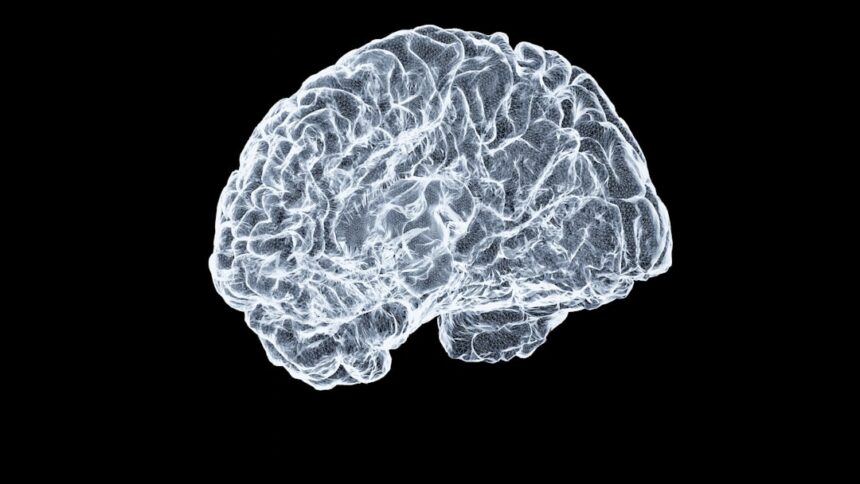
You often find yourself in situations where you need to make a decision, to act, or to refrain from acting. At the core of these everyday choices lies a fundamental neural mechanism: the brain’s approach system. This system, intricately wired, governs your motivation to seek out rewards, approach desired stimuli, and pursue goals. Understanding its workings offers a profound insight into your behavior, especially when power dynamics come into play. Power, more than just a social construct, exerts a tangible influence on this fundamental system, shaping how you perceive, pursue, and ultimately, achieve or fail to achieve your objectives.
Your brain is a marvel of adaptive engineering, with complex circuits dedicated to navigating the world and ensuring your survival and well-being. The approach system is one of the most critical of these. It’s not a single entity but rather a distributed network of interconnected regions responsible for generating desire, anticipation, and the drive to move towards something.
Dopamine and the Reward Pathway
At the heart of your approach system lies the mesolimbic dopamine pathway. This network, originating in the ventral tegmental area (VTA) of the midbrain and projecting to areas like the nucleus accumbens and the prefrontal cortex, is crucial for processing reward and motivation.
Dopamine as a Signal of What’s to Come
It’s important to dispel a common misconception: dopamine isn’t solely about pleasure. While it’s certainly involved in hedonic experience, its primary role in the approach system is as a salience and prediction error signal. When presented with something potentially rewarding, or anticipating a reward, dopamine neurons fire. This firing isn’t just signaling that something good is happening; it’s signaling that this is something you should pay attention to and approach.
The Role of Expectation
The anticipation of a reward triggers a surge in dopamine. This surge amplifies your motivation to engage in behaviors that are likely to lead to that reward. If you expect a delicious meal, a raise, or a promotion, your dopamine system primes you to actively pursue these outcomes. The more uncertain or unexpected the reward, the stronger the dopamine signal can be, further driving your approach behavior.
The Amygdala’s Influence
While the dopamine system drives the “go” signal, other brain regions contribute to the nuances of approach. The amygdala, a small almond-shaped structure deep within your temporal lobes, plays a significant role in processing emotions, particularly fear and pleasure, and in assigning emotional significance to stimuli.
Emotional Tagging of Stimuli
The amygdala acts as an emotional highlighter. It attaches emotional value to objects, people, and situations. When something is perceived as potentially rewarding or desirable, the amygdala contributes to a positive emotional valence, strengthening the impetus to approach. Conversely, if something is associated with danger or aversion, the amygdala signals the need for avoidance, effectively shutting down approach.
Learning and Association
Through learning, the amygdala helps you associate certain stimuli with positive or negative outcomes. If you’ve had positive experiences approaching a particular restaurant, your amygdala will have created a positive association, making you more likely to approach it again in the future. This associative learning is fundamental to how your approach system guides your behavior over time.
Research has shown that the experience of power can significantly activate the brain’s approach system, leading to increased motivation and goal-directed behavior. A related article that delves deeper into this topic is available at Unplugged Psychology, where the nuances of how power influences cognitive processes and emotional responses are explored. For more insights, you can read the article here: Unplugged Psychology.
Power’s Impact on the Approach System
Now, consider the introduction of power into the equation. Power, defined as the ability to influence or control the behavior of others, even against their resistance, has a profound and demonstrable impact on your brain’s approach system. When you gain power, or perceive yourself as powerful, your neural circuitry shifts, altering your motivational landscape.
The Amplification of Reward Sensitivity
One of the most consistent findings in power research is its effect on reward sensitivity. Individuals in positions of power often exhibit heightened responsiveness to rewards. This isn’t necessarily about greed; it’s about a recalibration of your internal reward system.
Increased Dopamine Release
Studies have shown that perceived power can lead to increased dopamine release in response to cues associated with reward. This means that the mere anticipation of achieving something positive, whether it’s a financial gain, a social victory, or the successful completion of a challenging task, can trigger a more robust dopamine response in powerful individuals. This amplified signal translates to a stronger urge to pursue and obtain those rewards.
Seeking Novelty and Risk
With increased reward sensitivity comes a greater propensity to seek out novelty and engage in risk-taking behaviors. The potential for reward associated with novel experiences or ventures becomes more alluring. This can be beneficial in driving innovation and progress, but it also carries the risk of impulsive or ill-considered actions if not tempered by other cognitive functions.
Broadening of Perspective and Focus
Paradoxically, power can also lead to a broadening of perspective, at least initially. When you feel powerful, you often gain a greater sense of agency and control over your environment. This can manifest as a more outward focus, a greater awareness of opportunities, and a willingness to consider a wider range of possibilities.
Enhanced Goal Orientation
Your approach system, fueled by the amplified reward signals, becomes more intensely focused on goal achievement. When you are in a position of power, your goals often become more expansive. You are less likely to be constrained by immediate limitations and more inclined to aim for larger, more ambitious outcomes. This enhanced goal orientation is a direct consequence of the way power influences your motivational circuitry.
Increased Activation of Prefrontal Cortex
While the reward pathways are highly active, the prefrontal cortex, responsible for executive functions like planning, decision-making, and impulse control, also plays a role. Power can lead to increased activation in certain areas of the prefrontal cortex, particularly those associated with self-regulation and goal pursuit. This allows for more effective planning and execution of actions aligned with your intensified motivation.
The Darker Side: Power and Impulsivity
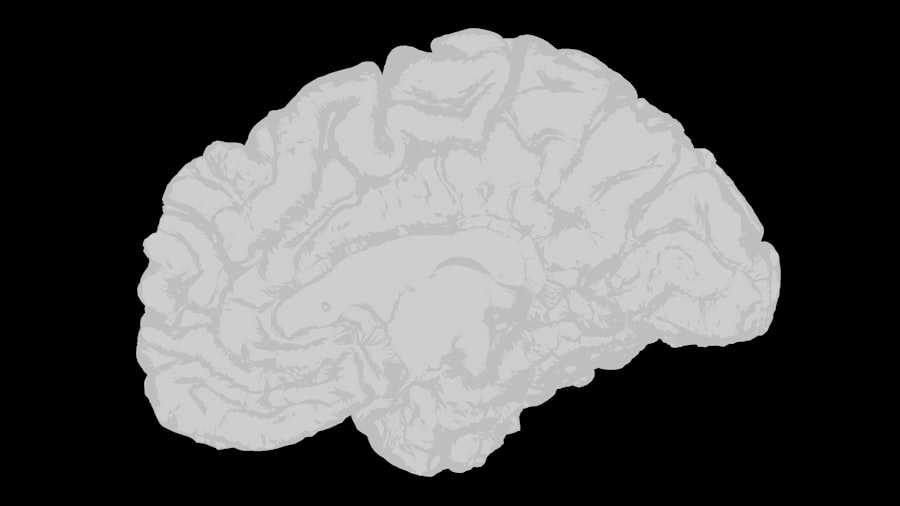
While power can unlock potential and drive achievement, it also carries significant risks. The same neural mechanisms that enhance reward sensitivity and broaden perspective can, under certain conditions, lead to impulsivity and a diminished capacity for self-control.
Reduced Sensitivity to Negative Consequences
A critical aspect of how power affects your approach system is its potential to diminish your sensitivity to negative outcomes. When you are accustomed to having your way and experiencing success, you may become less attuned to the potential downsides of your actions. The anticipation of reward can outweigh concerns about risk.
Attentional Biases
Powerful individuals may develop attentional biases, paying less attention to warnings, criticism, or negative feedback. The positive feedback loop of success and reward can create a blind spot for potential failures. This selective attention can lead to a failure to adequately assess risks and consequences, making impulsive decisions more likely.
Diminished Amygdala Reactivity to Threat
Research suggests that power can lead to reduced reactivity in the amygdala to threat cues. This means that the neural alarm system that typically signals danger and prompts caution may be less sensitive in powerful individuals. This lowered threat sensitivity, coupled with heightened reward sensitivity, creates a potent combination that can result in increased impulsivity and a disregard for potential negative ramifications.
The “Go-No Go” Task and Inhibition
Neuropsychological tasks, such as the “go-no go” task, are designed to measure inhibitory control. In these tasks, participants must respond to a “go” signal but withhold their response to a “no go” signal. Studies have shown that individuals in powerful positions often perform worse on these tasks, indicating a reduced ability to inhibit their responses. This deficit in inhibition is directly linked to the altered functioning of your approach system under the influence of power.
The Role of the Orbitofrontal Cortex
The orbitofrontal cortex (OFC) plays a crucial role in evaluating the emotional value of stimuli and regulating behavior based on those evaluations, including inhibiting inappropriate responses. Power can influence the functioning of the OFC, potentially leading to a diminished capacity for risk assessment and a greater tendency towards impulsive choices.
The Influence of Winning and Losing
The experience of winning and losing significantly impacts your approach system, and this is amplified by power. When you are powerful and accustomed to winning, a single loss can be a particularly jarring experience, potentially leading to disproportionate emotional reactions and impulsive attempts to regain control or achieve victory.
Escalation of Commitment
The desire to regain a perceived loss or to reassert dominance can lead to an escalation of commitment, where individuals invest more resources into a failing endeavor. This is a manifestation of the approach system stubbornly pursuing a goal, even when the evidence suggests a different course of action would be more prudent.
Reward Deprivation and Aversion
Conversely, the experience of deprivation or significant loss can also trigger strong reactions. The disruption of expected rewards can lead to frustration and a heightened drive to restore the previous state. In powerful individuals, this can manifest as an aggressive pursuit of what they believe is rightfully theirs.
Power and the Social Landscape

Your approach system doesn’t operate in a vacuum. Its influence is deeply intertwined with your social interactions and perceptions within a hierarchical structure. Power fundamentally alters how you engage with others and how you are perceived.
Increased Self-Confidence and Optimism
When you feel powerful, your self-confidence often increases, and you tend to exhibit a more optimistic outlook. This is partly a consequence of the positive feedback loop created by success and reward. This optimism can fuel further approach behaviors, leading to ambitious endeavors.
The “Winner’s Glow”
This pervasive sense of confidence and positivity can be referred to as the “winner’s glow.” It’s a psychological state that reinforces the belief in your capabilities and further primes your approach system for future successes. The more you succeed, the more you are inclined to approach opportunities with greater assurance.
Reduced Social Anxiety
Power can also reduce social anxiety. When you perceive yourself as having influence, you may feel less concerned about social judgment or rejection. This decreased apprehension allows for more uninhibited approach behaviors in social settings, leading to greater assertiveness and a willingness to take the lead.
Social Dominance and Approach Behaviors
In social hierarchies, power is often associated with dominance. Your approach system is intricately linked to these dominance behaviors. Powerful individuals are more likely to initiate social interactions, express their opinions forcefully, and engage in assertive communication.
Initiating Contact and Assertiveness
Your approach system drives you to seek out what you desire, and in a social context, this includes social connection, influence, and recognition. Powerful individuals, with their amplified reward sensitivity, are more inclined to initiate these interactions, to put themselves forward, and to assert their presence.
Territoriality and Resource Acquisition
Power can also manifest as increased territoriality and a stronger drive to acquire and protect resources, both tangible and intangible. Your approach system, incentivized by the potential for greater reward and control, can lead you to defend your “turf” and to actively seek out opportunities to expand your influence and holdings.
Research has shown that power can significantly activate the brain’s approach system, influencing our behavior and decision-making processes. This phenomenon is explored in greater detail in a related article that discusses the psychological effects of power dynamics on cognition and emotion. For those interested in understanding how power shapes our neural responses, you can read more about it in this insightful piece on the topic found here.
The Neurological Underpinnings of Power Dynamics
| Metrics | Activation Level |
|---|---|
| Dopamine release | High |
| Motivation | Increased |
| Reward anticipation | Elevated |
| Attention focus | Heightened |
The complex interplay between power and your brain’s approach system is rooted in specific neural changes and pathway modulations. Understanding these biological underpinnings provides a scientific basis for observed behavioral shifts.
Hormonal Influences: Testosterone and Cortisol
Beyond neural circuits, hormones play a significant role in mediating the effects of power. Testosterone, often associated with aggression and dominance, has been linked to increased reward seeking and a greater propensity for risk. In contrast, cortisol, the stress hormone, can play a more complex role, sometimes dampening approach behaviors when perceived as a threat.
Testosterone and Approach Motivation
Higher levels of testosterone are often correlated with a more pronounced activation of the mesolimbic dopamine pathway and a greater willingness to pursue rewards. This hormonal influence can therefore amplify the effects of power on your approach system, leading to more vigorous and ambitious pursuits.
Cortisol and Performance
While prolonged high cortisol levels can be detrimental, acute increases can mobilize resources for demanding tasks. In the context of power, the body’s hormonal response to perceived challenges or opportunities can subtly influence how your approach system is engaged, balancing risk and reward.
Neurotransmitter Modulation
The primary neurotransmitters involved in the approach system are subject to modulation by the experience of power. Dopamine, as discussed, is key, but other neurotransmitters also contribute to the complex symphony of brain activity.
Serotonin and Risk Aversion
Serotonin, a neurotransmitter involved in mood regulation and impulse control, can influence risk aversion. Changes in serotonin levels under conditions of power can contribute to the observed shifts in inhibitory control and decision-making processes.
Norepinephrine and Arousal
Norepinephrine, associated with alertness and arousal, can also be influenced by power. This can sharpen focus and enhance readiness to act, further facilitating approach behaviors in response to perceived opportunities.
The Prefrontal Cortex’s Balancing Act
The prefrontal cortex, with its executive functions, acts as a crucial moderator of the approach system’s impulses. Power’s impact on this region is central to understanding both the benefits and drawbacks of its influence.
Executive Control and Inhibition
The ability of the prefrontal cortex to exert executive control is vital for regulating the heightened reward sensitivity and potential impulsivity that power can engender. When this control is compromised, the approach system can become more readily hijacked by immediate desires or opportunities, leading to less considered actions.
Decision-Making Under Uncertainty
Power can alter how you process information and make decisions, particularly under conditions of uncertainty. The prefrontal cortex’s capacity to weigh probabilities, consider long-term consequences, and adjust strategies becomes paramount in navigating these situations effectively for powerful individuals.
Navigating the Power-Approach Dynamic
Understanding the intricate relationship between power and your brain’s approach system is not merely an academic exercise. It provides invaluable tools for self-awareness and for navigating your own ambitions and influence more effectively.
Cultivating Self-Awareness and Metacognition
The first step in managing the influence of power on your approach system is developing robust self-awareness. This involves metacognition – thinking about your own thinking processes.
Recognizing Biases and Triggers
Actively identify the situations and internal states that trigger heightened approach tendencies or diminished inhibition. Are you more prone to impulsive decisions after a success? Do you overlook negative feedback when you feel in control? Recognizing these patterns is key to intervening before they lead to detrimental outcomes.
Mindfulness and Present Moment Awareness
Practices like mindfulness can help anchor you in the present moment, providing an opportunity to assess your motivations and potential actions before they are driven by unchecked approach impulses. This conscious pause allows for a more deliberate and considered response.
Ethical Leadership and Balanced Decision-Making
For those in positions of power, this understanding is particularly critical for ethical leadership. The amplified reward sensitivity and potential for impulsivity necessitate a conscious effort to maintain balance and ethical considerations.
Seeking Diverse Perspectives
Actively solicit input from individuals with different viewpoints and levels of power. This can help counterbalance potential blind spots and attentional biases that may arise from your own heightened drive.
Implementing Safeguards and Checks
Establish formal processes and checks and balances within your decision-making framework. This can include requiring multiple approvals for significant decisions or implementing pre-defined criteria for evaluating risks and rewards.
The Future of Power and Neuroscience Research
The ongoing exploration of power’s impact on the brain, particularly its effect on the approach system, promises to yield even deeper insights. As our understanding grows, we can anticipate more targeted interventions and strategies for harnessing the positive aspects of power while mitigating its inherent risks.
Personalized Interventions
Future research may lead to personalized interventions tailored to individual neural profiles, helping individuals manage the influence of power on their decision-making and motivational systems.
Societal Implications
Ultimately, a deeper comprehension of power and the brain can inform the design of more equitable and effective social structures, influencing how we allocate power, reward achievement, and foster responsible leadership across all levels of society.
FAQs
What is the brain approach system?
The brain approach system is a network of brain regions that are activated when an individual is pursuing rewards or goals. This system is involved in motivation, goal-directed behavior, and the experience of pleasure.
How does power activate the brain approach system?
Research has shown that when individuals feel powerful, their brain approach system becomes more active. This activation is linked to increased motivation, goal pursuit, and a greater willingness to take risks in order to achieve desired outcomes.
What are the effects of power on the brain approach system?
Feeling powerful can lead to increased activity in the brain approach system, which in turn can enhance motivation, goal-directed behavior, and the pursuit of rewards. This can result in greater confidence, assertiveness, and a willingness to take on challenges.
Can power activation of the brain approach system have negative effects?
While power activation of the brain approach system can lead to increased motivation and goal pursuit, it can also lead to risk-taking behavior and a reduced sensitivity to the needs and perspectives of others. This can potentially result in negative consequences for both the individual and those around them.
How can an understanding of power and the brain approach system be applied in real life?
Understanding how power activates the brain approach system can be useful in various contexts, such as leadership, motivation, and goal-setting. By recognizing the impact of power on the brain, individuals and organizations can better understand and manage the effects of power dynamics on behavior and decision-making.