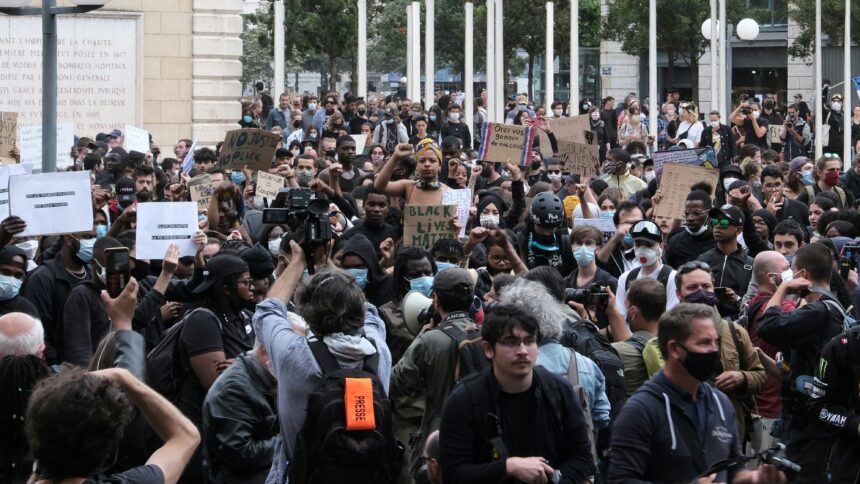
You’ve been there. Maybe not in the grand, sweeping narratives of history books, but in the quiet corners of your own life, in the hushed whispers of your community. You’ve witnessed an injustice, a violation of what you believed to be right, and a tremor, a visceral surge, has coursed through you. It’s a reaction that bypasses intellect, that bypasses polite discourse. It’s the body’s primal scream, the gut’s unflinching verdict. This is the survivor’s visceral reaction to injustice, a raw nerve exposed, a fundamental affront to one’s very being.
Echoes of Harm
Survivors of injustice often experience a profound visceral reaction that can manifest in various emotional and psychological ways. This response is not only a natural human reaction but also a crucial aspect of the healing process. For a deeper understanding of how these reactions can impact survivors and the importance of addressing them, you can explore the article on this topic at Unplugged Psychology. This resource provides valuable insights into the emotional landscape of those who have faced injustice and offers strategies for coping and recovery.
The Initial Shockwave
You remember the moment. It wasn’t a gentle nudge; it was a punch, an unexpected blow that knocked the breath from your lungs. The world shifted, or at least, your perception of it did. A fundamental assumption you held – about fairness, about the inherent goodness of people, about the order of things – shattered. This initial shock is not an intellectual realization; it’s a physical disorientation, a sudden feeling of being untethered. Your senses might sharpen, sounds become too loud, sights too stark. You feel a sudden chill, regardless of the ambient temperature, a coldness that radiates from your core. This is the body preparing for battle, or flight, or simply trying to comprehend the incomprehensible.
The Disbelief Factor
Your mind might struggle to process what has occurred. This isn’t a scenario you’ve rehearsed, a problem you’ve trained for. “This can’t be happening,” you might think, the words foreign in your own head. This disbelief is not a sign of weakness, but a testament to the violation. You’re grappling with the dissonance between the world you understood and the harsh reality that has been thrust upon you. It’s a mental buffering, a desperate attempt to reconcile the unacceptable.
The Physical Manifestations
Beyond the mental fog, your body orchestrates its own symphony of distress. Your heart pounds against your ribs, a frantic drummer. Your stomach churns, a knot tightening with each passing second. You might feel a tremor in your hands, a subtle shaking that betrays your inner turmoil. This isn’t a conscious decision; it’s an autonomic response, your physiology reacting to perceived threat. You might experience shortness of breath, a tightness in your chest that makes it difficult to draw a full, calming breath. It’s the body’s immediate, unfiltered communication of harm.
The Weight of the Wound
The Gnawing Discomfort
Once the initial shock subsides, a heavier, more insidious feeling takes root. It’s the gnawing discomfort of recognizing the permanent alteration to your landscape. The injustice isn’t a fleeting moment; it has left a mark, a stain that you can feel seeping into the fabric of your existence. This feeling isn’t always loud; it’s persistent, a low-grade hum of unease that accompanies you throughout your day. You find yourself replaying the events, picking at the edges of the wound, trying to understand how it happened, how it could have been prevented.
The Betrayal Deepens
The visceral reaction often transcends the immediate act of injustice. It involves a profound sense of betrayal. If the injustice came from someone you trusted, or from an institution designed to protect you, the wound cuts deeper. You feel a profound sense of being let down, of your faith being misplaced. This betrayal isn’t just an emotional pain; it’s a physical manifestation of broken trust. You might feel a hollowness in your chest, where that trust once resided.
The Loss of Innocence
For many, an injustice marks a significant loss of innocence. You begin to see the world with different eyes, eyes that are now attuned to the shadows, to the potential for harm. This isn’t about becoming cynical, but about reality asserting itself with unforgiving force. You might realize that the protective bubble you once inhabited has been irrevocably breached. This awareness can feel like a heavy cloak, weighing you down and altering your gait.
Survivors of injustice often experience a profound visceral reaction that can shape their healing journey, as explored in a related article on the psychological impacts of trauma. This response can manifest in various ways, influencing their emotional well-being and interactions with the world around them. Understanding these reactions is crucial for both survivors and those who support them, as it can foster empathy and facilitate recovery. For more insights on this topic, you can read the article here.
The Unspoken Language of Rage
The Heat Beneath the Skin
Beneath the surface of shock and discomfort, a different energy begins to simmer. It’s the heat of rage, a sensation that radiates from your core and spreads outwards. This isn’t necessarily overt anger with shouting and accusations, though that can certainly manifest. It’s a potent, internal fire, a burning conviction that what happened was wrong, and that it should not stand. You feel a physical tension, a tightness in your muscles, as if your body is coiled and ready to spring.
The Primal Urge to Resist
This rage often fuels a primal urge to resist. It’s a deep-seated instinct to push back, to reject the violation, to reclaim what has been taken. You might find yourself clenching your fists, grinding your teeth, or feeling an overwhelming desire to confront the source of the injustice, to demand accountability. This urge is not about calculated strategy; it’s a raw, unadulterated impulse to assert your right to exist without being harmed.
The Physical Manifestations of Fury
Your body becomes a vessel for this fury. Your face might flush, your breathing becomes shallow and rapid. You might feel a tremor that is no longer of shock, but of sheer, unadulterated power. Your voice, if you speak, might be deeper, more resonant, carrying an edge that wasn’t there before. This is the body speaking its own truth, a truth forged in the fires of righteous indignation. You might notice a heightened sensitivity to perceived slights, as if your internal alarm system is now permanently on high alert.
The Lingering Shadow of Fear
The Re-emergence of Vulnerability
Even as rage burns, a shadow of fear can linger. The experience of injustice, especially a significant one, can reawaken a profound sense of vulnerability. You realize that you are not invincible, that your safety and well-being can be compromised. This fear isn’t always a rational calculation of future threats; it’s an embodied memory of being exposed, of being hurt. You might find yourself feeling jumpy, startled by sudden noises, or experiencing a general sense of unease, even in seemingly safe environments.
The Constant Vigilance
This lingering fear can lead to a state of constant vigilance. Your senses remain heightened, not with the sharp focus of shock, but with a more generalized alertness. You scan your surroundings, searching for potential threats, a subconscious habit born from the experience of harm. This vigilance can be exhausting, a drain on your mental and physical reserves. It’s the body’s attempt to maintain a fortress, to prevent another breach.
The Physical Manifestations of Anxiety
The physical manifestations of this persistent fear can include a racing heart that returns without warning, a knot in your stomach that never truly dissipates, or clammy hands. You might experience difficulty sleeping, your mind replaying scenarios, or waking up with a jolt to a perceived danger. This is the body’s ongoing processing of trauma, its attempt to reconcile the past with the present and the uncertain future. It’s a quiet, insidious battle waged within your own physiology.
The Unseen Scars and the Path Forward
The Weight of the Experience
You carry the weight of your experiences. The visceral reactions to injustice are not fleeting emotional outbursts; they are deeply etched into your being. The shock, the rage, the fear – these leave unseen scars that shape your perception, your interactions, and your very sense of self. It’s a constant, subtle hum, a reminder of what you have endured. This weight isn’t always negative; it can also be a source of profound resilience and understanding.
The Reclaiming of Dignity
The path forward from such experiences is not a simple one. It involves a gradual, often arduous, process of reclaiming your dignity, your sense of agency, and your belief in the possibility of a just world. This reclaiming is rarely a sudden epiphany; it’s a series of small victories, of regaining control in areas of your life that were once dominated by the injustice. It involves learning to trust again, both yourself and others, a process that requires immense courage.
The Embodied Knowledge
You possess an embodied knowledge now, a deep understanding of the fragility of trust and the harsh realities that can exist beneath the veneer of civility. This knowledge is not something you can easily articulate in a boardroom or a polite conversation. It’s a visceral certainty, a knowing in your bones that informs your decisions and your interactions. You have learned, in the most profound way possible, about the cost of injustice. Your reactions, though sometimes uncomfortable, are a testament to your enduring humanity.
FAQs
What is a visceral reaction to injustice in survivors?
A visceral reaction to injustice in survivors refers to the intense emotional and physical response experienced by individuals who have been victims of injustice or trauma. This reaction can manifest as anger, fear, anxiety, and a sense of powerlessness.
What are some common symptoms of a visceral reaction to injustice in survivors?
Common symptoms of a visceral reaction to injustice in survivors may include heightened anxiety, hypervigilance, flashbacks, nightmares, difficulty concentrating, irritability, and physical symptoms such as rapid heartbeat, sweating, and trembling.
How does a visceral reaction to injustice impact survivors’ daily lives?
A visceral reaction to injustice can significantly impact survivors’ daily lives, leading to difficulties in relationships, work, and overall functioning. Survivors may experience disruptions in sleep, appetite, and mood, as well as challenges in managing their emotions and reactions to triggers.
What are some coping strategies for managing a visceral reaction to injustice in survivors?
Coping strategies for managing a visceral reaction to injustice in survivors may include seeking therapy, practicing mindfulness and relaxation techniques, engaging in physical exercise, connecting with support networks, and participating in advocacy or activism related to the injustice experienced.
When should a survivor seek professional help for their visceral reaction to injustice?
Survivors should consider seeking professional help for their visceral reaction to injustice if their symptoms significantly interfere with their daily functioning, if they experience suicidal thoughts or self-harm urges, or if they have difficulty managing their emotions and coping with the impact of the injustice.