You know that feeling of being broken? That moment when something shatters, when a piece of you cracks, and the fragments seem too numerous, too sharp, to ever be put back together. You’ve experienced it. Everyone does. It’s the universal human condition, the backdrop against which life unfolds. You might have tried to hide the cracks, to glue them back with whatever you could find – denial, distraction, the hollow pursuit of perfection. You may have strived to pretend the damage never occurred, masking the lines with a veneer of normalcy. But deep down, you knew. The fractures remained. This is where the ancient Japanese art of Kintsugi offers a profound lesson, not just for ceramics, but for your very soul. Embracing Kintsugi is not about returning to a pristine, unbroken state. It is about recognizing the beauty in your mends, a philosophy that can guide you toward a more authentic and resilient existence.
You have been taught, perhaps implicitly, that brokenness is a failure. It signifies weakness, a flaw in the original design. Society often celebrates the flawless, the unblemished, the seemingly untouched. You might have absorbed this narrative, internalizing the pressure to present a polished exterior, especially in our digitally curated age where imperfection can feel like a social faux pas. This constant striving for an unachievable ideal can leave you feeling perpetually inadequate, if not actively ashamed of your experiences. You’ve seen others, or at least their carefully constructed online personas, and felt a pang of envy, a comparison that fuels your own sense of lacking.
The Myth of Unbrokenness
Think about the objects in your life, the things you cherish. Have some of them incurred a chip, a scratch, a crack? You likely still use them, perhaps even with more fondness. Yet, when it comes to ourselves, we often hold a different standard. The idea that a person should emerge from life’s challenges completely unscathed is a pervasive and ultimately damaging one. You are not meant to be a porcelain doll, perfectly preserved and eternally untouched by the world. You are a living, breathing entity, shaped and influenced by every encounter, every joy, and every sorrow. The very act of living inevitably leaves marks.
The Value of Imperfection
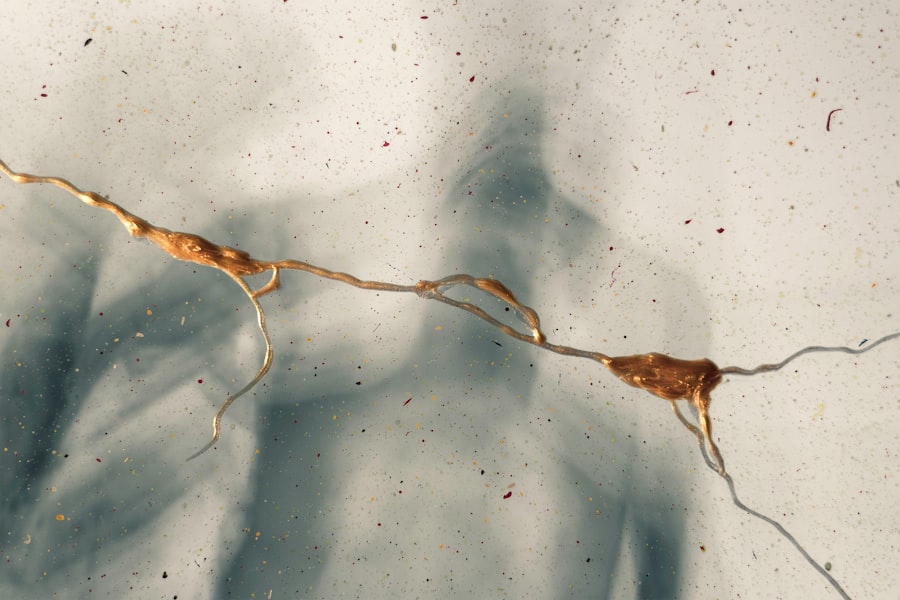
Kintsugi, at its core, challenges this notion of perfection. It is the art of repairing broken pottery with lacquer dusted or mixed with powdered gold, silver, or platinum. Instead of concealing the damage, Kintsugi highlights it. The cracks become part of the object’s history, transformed into veins of precious metal, making the piece more unique, more beautiful, and more valuable than it was before. This is not about making the break disappear; it is about acknowledging its existence and celebrating the journey of repair. You can apply this same mindset to your own experiences. Your scars, both visible and invisible, are not blemishes to be hidden, but evidence of your resilience, your capacity for survival, and your willingness to engage with the complexities of life.
Kintsugi, the Japanese art of repairing broken pottery with gold, serves as a powerful metaphor for healing the human soul. Just as the cracks in pottery are highlighted rather than hidden, our emotional scars can be embraced as part of our unique journey. For a deeper exploration of this concept and its implications for mental well-being, you can read a related article on the process of kintsugi for the human soul at Unplugged Psych. This insightful piece delves into how acknowledging and celebrating our imperfections can lead to profound personal growth and resilience.
Kintsugi as a Metaphor for Healing
The application of Kintsugi as a metaphor for human healing is where its true power lies for you. It offers a different lens through which to view your own personal struggles, your moments of vulnerability, and your journey of recovery. Rather than seeing yourself as a damaged good, Kintsugi encourages you to see yourself as a work in progress, a narrative being written with each repair.
The Breaking Point
You have undoubtedly reached breaking points. These are the moments when the weight of the world, or the burdens within, feel overwhelming. It could be a loss, a betrayal, a failure, or a prolonged period of stress. In these instances, you might feel like you are fracturing, the threads of your composure starting to fray. It is during these times that the temptation to isolate, to retreat, to pretend you are unaffected, can be immense. You might have experienced this firsthand, the internal battle to hold yourself together when everything feels like it’s falling apart.
The Mending Process
The Kintsugi repair is not immediate. It requires careful attention, patience, and a deliberate act of coming back together. This mirrors your own healing journey. Healing is rarely a linear path; it is often a winding road with periods of progress and occasional setbacks. You will need to gather your own fragments, perhaps with the help of others, and begin the meticulous work of reassembling. This involves acknowledging the pain, processing the emotions, and actively engaging in self-care and self-compassion. You are the artisan of your own soul, and the mending process, though often challenging, is where transformation truly begins.
The Golden Seams
The defining characteristic of Kintsugi is the use of gold to highlight the cracks. This is the crucial element of the metaphor. For you, this ‘gold’ represents the lessons learned, the wisdom gained, the strength discovered in the aftermath of adversity. It is the self-awareness that arises from navigating difficult times. It is the empathy you develop for others who are struggling. It is the newfound appreciation for the simple joys that you may have overlooked before. These golden seams are not disguises; they are luminous narratives of your overcoming. They make you unique, beautiful, and undeniably stronger.
Embracing Your Own Golden Seams
The concept of embracing your own golden seams is where the practice of Kintsugi moves from an abstract idea to a tangible pathway for your personal growth. It’s about actively cultivating an attitude of acceptance and even appreciation for the ways you have been shaped by your experiences.
Acknowledging Past Wounds
You have wounds. Whether they are emotional, physical, or psychological, acknowledge their existence. Trying to pretend they aren’t there is like trying to ignore a broken bone; it will only hinder your ability to heal and move forward. This acknowledgement isn’t about dwelling in the past or succumbing to victimhood; it is about recognizing the reality of what has happened, understanding its impact, and giving yourself permission to process it. You have been through things, and it is okay to bear the marks of those experiences.
Finding Strength in Vulnerability
The act of repair, the application of the golden lacquer, requires a degree of vulnerability. You must expose the brokenness to mend it. This is precisely where your strength lies. You learn that showing your cracks, admitting your struggles, and seeking support does not diminish you; it is actually an act of immense courage. In revealing your vulnerabilities, you connect with your own inner resilience and find a deeper understanding of your capacity to endure and to heal. You discover that admitting you are not okay is often the first step towards becoming okay.
The Art of Self-Compassion
When you apply the Kintsugi philosophy to yourself, self-compassion becomes an essential tool. Treat yourself with the same kindness and understanding you would offer to a dear friend who has experienced hardship. Instead of berating yourself for past mistakes or perceived failings, offer yourself grace. Recognize that you did the best you could with the resources you had at the time. This gentle self-assessment allows you to integrate your experiences without judgment, paving the way for genuine healing and growth. You are not flawed; you are a survivor, and you deserve kindness.
Cultivating Resilience Through Kintsugi’s Lens
Resilience is not the absence of hardship; it is the ability to bounce back, to adapt, and to thrive in the face of adversity. Kintsugi offers a visual and philosophical framework for cultivating this essential quality. It shifts your perspective from the fear of breaking to the understanding that breaking can be a catalyst for becoming stronger and more beautiful.
The Inevitability of Cracks
You must accept that life will present you with challenges. You cannot avoid the possibility of cracks appearing in your own metaphorical pottery. Trying to live a life entirely devoid of difficulty is a futile endeavor that will only lead to disappointment and a sense of unfulfillment. Instead, approach life with an awareness that setbacks are inevitable, and prepare yourself for how you will respond when they inevitably occur. This foresight is a form of proactive resilience.
The Power of Reconstruction
When a crack appears, your focus shifts from despair to reconstruction. This is where your active participation in your own healing becomes paramount. What steps will you take to mend yourself? Will you seek professional guidance? Will you lean on your support network? Will you engage in practices that nurture your well-being? The choices you make in the process of reconstruction are what build your resilience. You are actively rebuilding, not just returning to a previous state, but creating something new and stronger.
The Beauty of an Enriched History
A Kintsugi-repaired object is not merely repaired; it is enriched. Its history of breakage and mending becomes an integral and beautiful part of its identity. You, too, can view your life this way. Your experiences of overcoming challenges do not detract from your worth; they add depth, character, and a unique beauty to your personal narrative. You are a testament to your own strength, a walking embodiment of how even in brokenness, profound beauty and resilience can emerge. Your past is not a burden; it is a testament to your survival and your capacity for growth.
The ancient Japanese art of kintsugi, which involves repairing broken pottery with gold, serves as a beautiful metaphor for healing the human soul. Just as the cracks in pottery are highlighted rather than hidden, our emotional scars can become sources of strength and beauty. For those interested in exploring this concept further, a related article discusses the profound impact of embracing our imperfections and finding beauty in our struggles. You can read more about this transformative process in the article found here. Embracing our flaws can lead to a more authentic and fulfilling life, much like the stunning pieces of kintsugi that emerge from brokenness.
Applying Kintsugi to Daily Life
| Stages of Kintsugi for the Human Soul | Description |
|---|---|
| Acknowledgment | Recognizing the brokenness and pain within oneself |
| Acceptance | Embracing the imperfections and scars as part of one’s journey |
| Healing | Engaging in self-care and seeking support to mend the broken pieces |
| Growth | Learning and growing from the experiences, becoming stronger and wiser |
| Empowerment | Feeling empowered and transformed, finding beauty in the healing process |
Embracing Kintsugi is not a one-time event; it is an ongoing practice, a way of approaching your life with a renewed perspective. The principles of this art form can be woven into your everyday experiences, transforming how you perceive challenges and how you navigate them.
Reframing Setbacks
When you encounter a setback, a disappointment, or a mistake, try to reframe it through the Kintsugi lens. Instead of viewing it as a devastating blow, see it as an opportunity for a golden seam to be formed. What can you learn from this experience? How can it make you stronger or wiser? This reframing shifts your emotional response from one of defeat to one of proactive learning and growth. You are not failing; you are accumulating experience.
Practicing Mindful Self-Talk
The language you use when speaking to yourself is crucial. If you catch yourself engaging in harsh self-criticism after a difficulty, consciously shift to more compassionate and understanding self-talk. Imagine you are speaking to a cherished friend who has just gone through something difficult. Offer yourself encouragement, acknowledge your efforts, and remind yourself of your inherent worth, regardless of the circumstances. Your internal dialogue is a powerful tool for shaping your self-perception.
Celebrating Your Journey
Take time to acknowledge and celebrate your own journey of healing and growth. This doesn’t need to be a grand pronouncement; it can be a quiet moment of reflection. Recognize the progress you have made, the challenges you have overcome, and the resilience you have cultivated. Each step forward, no matter how small, is a testament to your strength and your capacity for transformation. You are not just surviving; you are thriving, and that deserves recognition. By embracing Kintsugi, you are not merely repairing yourself; you are creating a more beautiful, more resilient, and more authentic version of you. You are learning to love the golden seams, for they are the true markers of your unique and profound journey.
FAQs
What is kintsugi for the human soul?
Kintsugi for the human soul is a metaphorical concept inspired by the Japanese art of kintsugi, which involves repairing broken pottery with gold or silver lacquer. It refers to the process of embracing and healing emotional wounds and scars, and finding beauty and strength in the process.
What are the key principles of kintsugi for the human soul?
The key principles of kintsugi for the human soul include acknowledging and accepting one’s imperfections and past traumas, embracing vulnerability, finding strength in resilience, and transforming pain into wisdom and growth.
How can one practice kintsugi for the human soul?
Practicing kintsugi for the human soul involves engaging in self-reflection, self-compassion, and self-forgiveness. It also involves seeking support from others, finding meaning in adversity, and cultivating a mindset of gratitude and resilience.
What are the potential benefits of practicing kintsugi for the human soul?
The potential benefits of practicing kintsugi for the human soul include increased self-awareness, emotional healing, empowerment, and a deeper sense of self-acceptance and self-love. It can also lead to greater empathy and compassion for others.
Are there any cultural considerations when applying the concept of kintsugi for the human soul?
While the concept of kintsugi for the human soul is inspired by the Japanese art of kintsugi, it is a metaphorical and universal concept that can be applied across different cultural backgrounds. It emphasizes the universal human experience of resilience, healing, and transformation.