
You navigate a landscape of constant choices. From the moment your alarm buzzes (or the smart speaker nudges you awake), your day is a series of decisions, big and small. While you might consciously think about the significant ones – career moves, financial planning, major purchases – a silent, yet pervasive force shapes countless smaller, everyday choices: convenience. You might not even realize it, but the allure of ease, speed, and reduced effort is a powerful driver in your daily decision-making. Understanding this power can illuminate why you gravitate towards certain options and how you can, or perhaps should, exert more conscious control over its influence.
You likely don’t wake up each morning with a grand strategy for how you’ll decide what to eat for breakfast or which route you’ll take to work. These are often the domain of habit, and convenience is the primary engineer of those habits. Consider the simple act of preparing a meal. On one hand, you could meticulously plan a healthy, home-cooked dish, sourcing fresh ingredients, and dedicating time to preparation. On the other, you could order takeout, or grab a pre-packaged meal from the grocery store. The latter options, while potentially less nutritious or more expensive, offer unparalleled convenience. You are likely to choose the option that requires less cognitive load, less physical effort, and less time unless there’s a compelling reason to do otherwise.
The Default Setting: Ease as a Baseline
You implicitly set a baseline of what feels “easy.” This baseline is constantly being recalibrated by the options presented to you. A cluttered pantry might make cooking at home feel daunting, pushing you towards readily available, low-effort alternatives. Similarly, a public transport system that is unreliable or time-consuming can make driving, despite its own set of inconveniences, seem like the more convenient option for your daily commute. You are naturally inclined to conserve your limited resources – time, energy, and mental bandwidth. Convenience offers a shortcut to achieving your immediate goals without expending these resources.
Subconscious Biases: The Hidden Influence
Your decision-making isn’t always a rational, step-by-step process. You are susceptible to subconscious biases that, when combined with convenience, can steer you in predictable directions. The “choiceless choice” phenomenon, for instance, describes how presenting a limited, yet convenient, set of options can lead you to believe you have agency, even when the choices are fundamentally similar and designed to be easy to select. Think about streaming service interfaces: you are presented with curated lists of “recommended” shows, neatly packaged and ready to play. While you technically have millions of titles to choose from, the convenience of browsing these pre-selected options often leads you to pick something from the list rather than embarking on a more arduous search.
Convenience plays a significant role in shaping our daily actions, often leading us to make choices that prioritize ease over effort. This concept is explored in depth in the article “The Psychology of Convenience,” which discusses how our brains are wired to seek out the simplest solutions to everyday problems. For more insights on this topic, you can read the article here: The Psychology of Convenience. Understanding these patterns can help us become more mindful of our decisions and encourage us to seek alternatives that may require more effort but ultimately lead to greater satisfaction.
The Magnetic Pull of Immediate Gratification
The modern world is increasingly engineered for immediate gratification, and convenience is its primary currency. You want what you want, and you want it now, with as little friction as possible. This powerful desire directly influences your daily choices. The ability to order groceries for delivery within an hour, to stream any movie on demand, or to connect with friends instantly via messaging apps all leverage the appeal of instant access. This makes older, less convenient methods of achieving the same outcomes seem cumbersome and outdated.
The Time Economy: Your Most Precious Resource
You often perceive your time as your most valuable and finite resource. When faced with competing demands, the option that saves you time often wins, even if it comes at a financial cost. Consider the difference between waiting in line at a physical store versus clicking a few buttons online. The perceived time saved by online shopping, even if the actual time difference is minimal, can be a significant deciding factor. This is why subscription services that automate recurring purchases, like toiletries or pet food, are so popular. They remove the need for you to actively remember and dedicate time to these tasks.
The Effort Discount: Minimizing Cognitive Load
Beyond saving time, you also aim to minimize the mental effort required to make decisions. This is known as cognitive load. If a decision requires extensive research, comparison of alternatives, or complex calculations, you are more likely to avoid it or opt for the path of least mental resistance. The availability of ready-made solutions, pre-assembled products, and simplified interfaces all cater to this desire to reduce cognitive load. You might choose a restaurant with a limited, well-curated menu over one with an exhaustive list of options because it’s simply easier to decide.
Convenience in Action: Everyday Scenarios

You encounter the power of convenience in almost every facet of your life. From how you get your caffeine fix to how you manage your finances, ease and speed are often invisible guides. Observing these scenarios can help you recognize its pervasive influence.
Morning Rituals: The Path of Least Resistance
Your morning routine is a prime example of convenience shaping your decisions. The alarm clock you choose (or its absence, thanks to smart home devices), the coffee you drink (instant versus brewed), the breakfast you consume (cereal versus cooking eggs), and the transportation you use (driving versus public transit) are all heavily influenced by what is easiest and quickest for you at the start of your day. If your workspace is a short walk or bike ride away, and the weather is favorable, that might be your default. However, if parking is readily available and your commute involves significant traffic, driving might still be perceived as more convenient.
Consumption Patterns: The Allure of the Instant
Your consumption patterns are dramatically reshaped by convenience. The rise of e-commerce, streaming services, and food delivery apps are testaments to this. You are more likely to buy a product you see advertised online if it offers one-click purchasing and fast shipping. You are more likely to watch a movie you discover through a personalized recommendation algorithm than to scour physical media. You are more likely to order dinner if it can be delivered to your door within 30 minutes than to prepare a meal from scratch. These choices, while seemingly trivial, accumulate and shape your spending habits and your engagement with brands.
Information Consumption: The Bite-Sized Approach
Even how you consume information is influenced by convenience. The prevalence of short-form videos, social media news feeds, and easily digestible infographics speaks to your preference for quick, readily available information. While in-depth articles and documentaries offer more comprehensive understanding, the effort required to engage with them often makes them less appealing for casual consumption. You are more likely to skim headlines and read summaries than to delve into lengthy reports, especially when you’re looking for a quick update or a brief overview.
The Trade-offs You Often Overlook
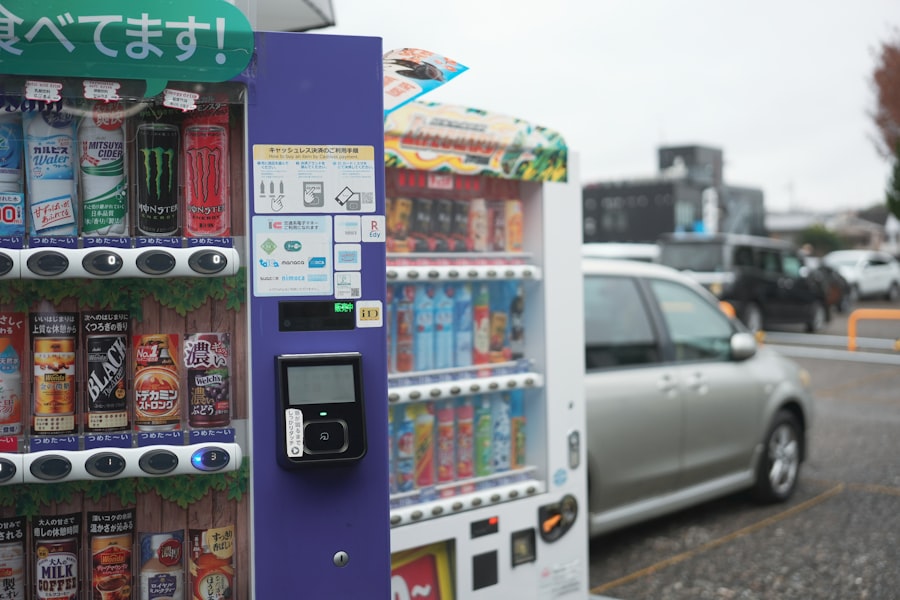
While convenience is undeniably appealing, its pursuit often comes with hidden costs and trade-offs that you might not always consciously consider. Recognizing these can help you make more informed and potentially more beneficial choices.
Financial Implications: The Premium for Ease
You often pay a premium for convenience. Takeout meals are typically more expensive per serving than home-cooked meals. Express shipping costs extra. Subscription services, while convenient, can lead to overspending if you don’t actively manage your subscriptions and cancel those you no longer use. The ease of impulse purchases online, facilitated by saved payment information and one-click ordering, can lead to significant financial strain if not carefully monitored. You might believe you are saving time, but you are often trading that time for increased expenditure.
Health and Well-being: The Sacrifices You Make
The convenience of readily available processed foods, sugary drinks, and sedentary entertainment can have detrimental effects on your health and well-being. Opting for fast food over home-cooked meals can lead to poor dietary habits and associated health problems. Spending hours passively consuming digital content, while convenient, reduces opportunities for physical activity and can contribute to issues like eye strain and poor posture. The effortless nature of these choices can create a cycle that is difficult to break, impacting your long-term health.
Environmental Impact: The Unseen Footprint
The convenience you enjoy often comes with an environmental cost. Single-use packaging from takeout and delivery meals contributes to waste. Increased reliance on individual car usage for convenience exacerbates pollution and carbon emissions. The rapid consumption and disposal of products facilitated by easy purchasing can strain resources and contribute to landfill issues. You might not directly see the impact of your individual convenience choices on the environment, but collectively, they have a significant bearing on planetary health.
Convenience plays a crucial role in shaping our daily decisions, often leading us to choose options that save time and effort over those that may be more beneficial in the long run. This tendency is explored in depth in a related article that discusses how our modern lifestyle prioritizes ease and accessibility, sometimes at the expense of our well-being. For more insights on this topic, you can read the full article here. Understanding these patterns can help us make more conscious choices that align with our goals rather than simply opting for the path of least resistance.
Cultivating Conscious Choice: Reclaiming Agency
| Reasons for Convenience | Impact on Daily Actions |
|---|---|
| Time-saving | People tend to choose the most convenient option to save time in their daily activities. |
| Efficiency | Convenience often leads to more efficient completion of tasks, influencing daily decisions. |
| Reduced effort | Choosing convenience reduces the effort required for daily actions, making it a preferred choice. |
| Comfort | Convenience provides a sense of comfort and ease, influencing daily choices and actions. |
| Psychological impact | Convenience can have a significant psychological impact on daily decision-making and actions. |
The pervasive influence of convenience doesn’t mean you are powerless. By understanding its mechanisms, you can actively cultivate more conscious decision-making and exert greater control over its sway in your life.
The Power of Pause: Creating Space for Deliberation
The most effective way to counter the impulse for convenience is to create space for deliberation. Before automatically reaching for the easiest option, take a moment to pause. Ask yourself: “Is this truly the best option for me, or is it simply the most convenient?” This brief pause can be enough to interrupt the automatic response and allow for a more considered choice. Even a few seconds of reflection can make a significant difference in steering your decisions towards alignment with your long-term goals.
Re-evaluating Your Defaults: Re-engineering Your Habits
Your default settings are shaped by convenience, but they can also be re-engineered. If you find yourself consistently opting for less beneficial convenient choices, actively work to change those defaults. This might involve meal prepping on weekends to make healthy weeknight dinners easier, optimizing your commute to make public transport more appealing, or setting up digital filters to reduce exposure to distracting online content. Gradually shifting your habits can make more desirable, less convenient options feel more natural over time.
The Value Proposition: Focusing on Long-Term Benefits
When faced with a choice, try to look beyond the immediate convenience and consider the long-term benefits. While ordering takeout is convenient, home cooking might offer better health and financial outcomes in the long run. While binge-watching a new series is easy entertainment, dedicating time to learning a new skill could offer greater personal and professional growth. By consciously weighing the value proposition of different choices, you can begin to prioritize well-being and fulfillment over fleeting ease.
Embracing a Degree of “Inconvenience”: A Path to Growth
Sometimes, embracing a degree of inconvenience can be a catalyst for personal growth and deeper satisfaction. The effort you invest in a challenging task, the discipline required to stick to a healthy routine, or the time spent nurturing relationships can yield rewards that far outweigh the initial discomfort. Learning to tolerate and even seek out these “inconvenient” paths can lead to a richer, more meaningful life. You might discover a sense of accomplishment and pride that ephemeral convenience simply cannot provide.
You are constantly making decisions, and convenience is a powerful, often unnoticed, factor shaping them. By understanding its pull, recognizing the trade-offs, and actively cultivating conscious choice, you can navigate your daily life with greater intentionality, ensuring that convenience serves your goals rather than dictates them.
FAQs
What is the role of convenience in our daily actions?
Convenience plays a significant role in our daily actions as it often dictates the choices we make, from the products we buy to the activities we engage in.
How does convenience influence our decision-making process?
Convenience influences our decision-making process by making it easier for us to choose options that require less effort, time, and resources. This can lead to us prioritizing convenience over other factors such as cost or quality.
What are some examples of how convenience affects our daily actions?
Examples of how convenience affects our daily actions include choosing fast food over cooking a meal at home, opting for online shopping instead of going to a physical store, and using ride-sharing services instead of public transportation.
What are the potential drawbacks of prioritizing convenience in our daily actions?
Prioritizing convenience in our daily actions can lead to a lack of consideration for other important factors such as health, sustainability, and long-term consequences. It can also contribute to a culture of instant gratification and impatience.
How can we balance convenience with other factors in our decision-making process?
We can balance convenience with other factors in our decision-making process by being mindful of the trade-offs involved and considering the long-term implications of our choices. This may involve making conscious efforts to prioritize factors such as health, sustainability, and quality over immediate convenience.