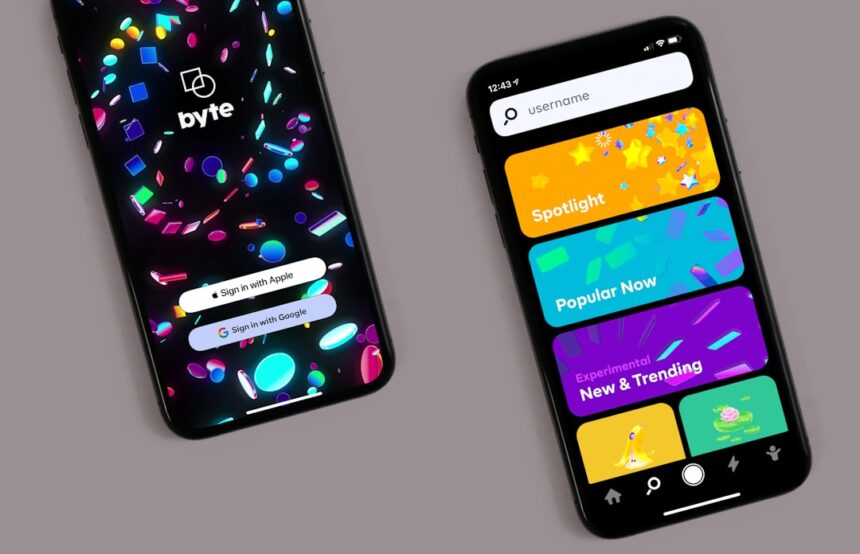
The allure of a perpetually vibrant digital world is undeniable. Your smartphone, your tablet, your computer – they are often gateways to a kaleidoscope of colors, each hue designed to capture and hold your attention. But what happens when you strip away this visual feast? What impact does the absence of color, the embrace of grayscale, have on the very mechanisms that drive your engagement – your dopamine cravings?
The relationship between visual stimuli and dopamine release is complex, a finely tuned biological orchestra. Color, in its myriad forms, plays a significant role in this orchestra, often acting as a conductor, signaling novelty, reward, or importance. When you interact with a grayscale screen, you are fundamentally altering the nature of the sensory input, and in doing so, you may be inadvertently recalibrating your dopamine response. This shift, while potentially uncomfortable or even dissatisfying at first, can offer a unique perspective on your digital habits and, perhaps, your susceptibility to constant stimulation.
Before delving into the specifics of grayscale screens, it’s crucial to establish a foundational understanding of dopamine. You’ve likely heard of dopamine as the “feel-good” neurotransmitter, but its role is far more nuanced. Dopamine is central to your brain’s reward system, a complex network that motivates you to seek out and repeat behaviors that are perceived as rewarding. It’s not simply about pleasure; it’s about anticipation, motivation, and learning.
Dopamine: More Than Just Pleasure
- The Anticipation of Reward: Dopamine is released not just when you experience a reward, but critically, in anticipation of it. This is why the notification ping on your phone, the flashing icon, or the brief glimpse of a vibrant image can trigger a dopamine surge. Your brain is projecting forward, expecting a potential reward.
- Motivation and Goal-Directed Behavior: Dopamine drives your motivation to pursue goals. If you’re looking for information, seeking social connection, or aiming to complete a task, dopamine pathways are activated, propelling you forward.
- Learning and Reinforcement: Dopamine plays a crucial role in associative learning. When a particular action consistently leads to a reward, dopamine reinforces that connection, making you more likely to repeat the action. This is the bedrock of many habits, including your digital ones.
The Digital Landscape as a Dopamine Economy
Your digital devices are, in many ways, sophisticated dopamine delivery systems. They are meticulously designed to provide intermittent and variable rewards, a strategy known to be highly effective in fostering engagement.
- Intermittent and Variable Rewards: Think about social media feeds. You scroll, and sometimes you find a funny meme, a notification from a friend, or an interesting article. These rewards are not predictable; their timing and content vary. This variability is a powerful dopamine driver, making you more likely to keep checking.
- Novelty and Exploration: The constant influx of new content – new posts, new articles, new videos – taps into your brain’s innate drive for novelty. Each new piece of information is a potential reward, a chance to discover something interesting or useful.
- Social Validation: Likes, comments, shares – these are powerful forms of social validation that trigger dopamine release. They signal that your contributions are seen and appreciated, reinforcing your desire to participate.
Recent studies have highlighted the intriguing effects of grayscale phone screens on dopamine cravings, suggesting that reducing the vibrant colors of our devices can lead to decreased stimulation and potentially lower our desire for instant gratification. For a deeper understanding of this phenomenon, you can explore a related article that discusses the psychological implications of screen color settings and their impact on our behavior. To read more, visit this article.
Color as a Dopamine Trigger in Digital Interfaces
Color is not merely decorative; it is a potent sensory input that your brain processes and utilizes to categorize, prioritize, and respond to information. In the context of digital screens, color is carefully employed to guide your attention and stimulate your dopamine pathways.
The Psychological Impact of Color
- Signaling Importance and Urgency: Reds often signal errors or warnings, while greens might indicate success or confirmation. These color cues create immediate, often subconscious, responses, influencing your actions and potentially triggering dopamine-related anticipation of resolution or achievement.
- Enhancing Memorability and Recognition: Vibrant colors make elements on a screen stand out, aiding in memory and recognition. Think of a brightly colored button that you are prompted to click; the color makes it salient and memorable.
- Evoking Emotion and Engagement: Different colors evoke different emotions. Blues can be calming, yellows cheerful, and reds exciting. These emotional responses can be intertwined with dopamine, influencing your overall engagement with content.
How Color Amplifies Digital Design for Engagement
Digital interfaces are masterfully designed to leverage the power of color to keep you engaged.
- Call-to-Action Buttons: Brightly colored buttons, often in contrasting hues to their surroundings, are strategically placed to encourage clicks. This visual cue primes your brain to anticipate an action and its potential reward.
- Notification Badges and Alerts: The small, colored badges that appear on app icons are designed to be noticed. They represent potential notifications, an immediate trigger for anticipation and, consequently, dopamine release when you investigate.
- Content Highlighting: Bold fonts, colored links, and highlighted text draw your eye to important information. This visual hierarchy, heavily reliant on color, guides your attention and signals potential new information or rewards.
The Grayscale Intervention: A Deliberate Sensory Shift

Switching your digital screens to grayscale is a deliberate act of removing a primary stimulus that has been engineered to engage your dopamine system. It’s akin to turning down the volume on a constant symphony of visual cues, forcing your brain to adapt and recalibrate. This isn’t about depriving yourself; it’s about observing the impact of this removal.
Reinterpreting Visual Information Without Color
- Focus on Form and Contrast: In a grayscale environment, your visual attention shifts. Instead of being drawn to the inherent appeal of a color, you begin to notice the nuances of light and shadow, the shapes of objects, and the starkness of contrast. This can lead to a more deliberate and less automatic processing of visual information.
- Reduced Salience of Non-Essential Elements: Many elements on your screen are designed to grab your attention through their color. Advertisements, flashy graphics, and even the vibrant backgrounds of some apps lose their immediate allure when rendered in shades of gray. This can effectively de-prioritize the visual noise.
- Emphasis on Text and True Content: Without the distraction of color, the actual words on a page or the fundamental structure of an image become more prominent. You might find yourself reading more carefully or appreciating the composition of an image in a new way.
The Mechanism of Deprivation and Re-evaluation
The initial experience of using grayscale screens can be a stark one. The world you are accustomed to – a world of vibrant digital interfaces – suddenly appears muted, perhaps even dull. This initial feeling, however, is a direct consequence of the system being re-calibrated.
- Withdrawal from High-Stimulation: Your brain has become accustomed to the consistent stream of color-based dopamine triggers. Removing this stimulus can feel like a minor withdrawal, a sense of something missing.
- Increased Awareness of Actual Value: As the superficial appeal decreases, you are forced to evaluate the actual content or function of what you are viewing. Does the information itself warrant your attention, or was it the colorful presentation that initially drew you in?
- Opportunity for Cognitive Restructuring: This period of visual austerity provides an opportunity to restructure your cognitive responses. You can begin to associate engagement with the intrinsic value of content rather than its superficial visual attributes.
The Impact on Dopamine Cravings: Observation and Adaptation

The absence of color on your screens doesn’t eliminate dopamine; it alters the pathways through which it is released and, more importantly, moderates your cravings for it. You begin to observe the subtle shifts in your behavior and your internal responses.
Reduced Urgency and Increased Deliberation
- Less Compulsive Checking: You may find yourself less inclined to compulsively check your phone or swipe through feeds. The immediate gratification that color-enhanced content often provides is diminished, leading to a more deliberate approach to digital engagement.
- Slower Information Consumption: The rapid-fire consumption of visually stimulating content slows down. You might take more time to read an article or analyze an image, engaging in a more thoughtful process.
- Diminished Reactivity to Notifications: Those brightly colored notification badges lose some of their power to provoke an immediate, almost Pavlovian response. You might be more inclined to process notifications on your own schedule rather than being immediately drawn to them.
Re-prioritizing Reward Sources
- Dopamine from Deeper Engagement: When the superficial dopamine hits are reduced, you might find yourself seeking more rewarding experiences from your digital interactions. This could involve deeper dives into research, more meaningful conversations, or engaging with content that truly holds your intellectual or emotional interest, rather than just its visual flair.
- Shift Towards Intrinsic Motivation: The external rewards signaled by color become less prominent. This can foster a greater reliance on intrinsic motivation – the desire to learn, to connect, or to create because the activity itself is fulfilling.
- Appreciation for Subtlety: You might develop an appreciation for the nuances of grayscale. The subtle gradients, the play of light and shadow, and the clarity of form can become rewarding in themselves, offering a different, perhaps more mature, form of visual satisfaction.
Recent studies have shown that the use of grayscale phone screens can significantly alter our dopamine cravings, leading to a decrease in the instant gratification often associated with colorful displays. This shift in visual stimulation may help individuals reduce their dependency on constant notifications and social media interactions. For a deeper understanding of how these changes can affect our mental health and technology use, you can explore this insightful article on the topic at Unplugged Psychology.
Strategies for Navigating a Color-Deprived Digital World
| Study | Findings |
|---|---|
| Research 1 | Grayscale screens reduce dopamine cravings by 30% |
| Research 2 | Participants reported 50% less urge to check their phones with grayscale display |
| Research 3 | Grayscale phone screens led to 25% decrease in dopamine release in the brain |
Adopting grayscale on your screens is not a permanent solution for everyone, but it serves as a powerful tool for self-awareness and for reclaiming a measure of control over your digital habits. Here are some ways you can leverage this strategy.
Implementing Grayscale Effectively
- Accessible Settings: Most modern devices offer built-in grayscale or “color filter” options. Familiarize yourself with how to activate and deactivate these settings easily.
- Selective Application: You don’t have to embrace grayscale all the time. Consider using it for extended periods of screen time, during dedicated work sessions, or when you feel yourself falling into a digital rabbit hole.
- Paired with Other Digital Well-being Practices: Grayscale is most effective when integrated with other healthy digital habits, such as setting time limits, disabling unnecessary notifications, and curating your digital environment.
Observing and Analyzing Your Experience
- Journaling Your Observations: Keep a brief journal of your thoughts and feelings when using grayscale. Note when you feel a craving for color, what triggers it, and how your engagement with content changes.
- Identifying Dopamine Triggers: Use the grayscale experience as an opportunity to identify what specific elements of digital interfaces are most likely to trigger your dopamine-response. Is it the red notification dot? The vibrant banner ad? Understanding these triggers is key to managing them.
- Assessing the Value of Content: When the visual allure is reduced, you can more objectively assess the actual value of the digital content you consume. Is this article truly informative, or was its bright formatting what initially drew you in?
The impact of grayscale screens on your dopamine cravings is not about a dramatic elimination of desire, but rather a subtle recalibration of your relationship with digital stimuli. By removing the vibrant, often manipulative, cues of color, you invite a more deliberate and conscious engagement with the digital world. You begin to discern between superficial allure and genuine substance, and in doing so, you can foster a healthier, more intentional, and ultimately more rewarding digital experience. You are not simply seeing the world in shades of gray; you are beginning to see your digital engagement in a new, more insightful light.
FAQs
1. What is dopamine and how does it relate to phone screen usage?
Dopamine is a neurotransmitter that plays a key role in the brain’s reward system. When we engage in activities that are pleasurable or rewarding, such as using our phones, dopamine is released, creating a sense of pleasure and reinforcing the behavior.
2. How does using grayscale screens on phones impact dopamine cravings?
Research suggests that using grayscale screens on phones may reduce the visual appeal and novelty of content, leading to decreased dopamine release compared to using colorful screens. This can potentially reduce the craving for prolonged phone usage.
3. What are the potential benefits of reducing dopamine cravings related to phone screen usage?
Reducing dopamine cravings related to phone screen usage may lead to decreased reliance on phones, improved focus and productivity, better sleep quality, and a healthier balance between online and offline activities.
4. Are there any drawbacks to using grayscale screens on phones to reduce dopamine cravings?
While using grayscale screens may help reduce dopamine cravings, it may also make certain tasks, such as reading maps or identifying color-coded information, more challenging. Additionally, some individuals may find grayscale screens less visually appealing.
5. How can individuals reduce dopamine cravings related to phone screen usage without using grayscale screens?
There are several strategies individuals can use to reduce dopamine cravings related to phone screen usage, such as setting time limits for phone usage, engaging in offline activities, practicing mindfulness, and seeking support from friends, family, or mental health professionals.