You’ve felt it. That subtle, then not-so-subtle, tug. The itch to check your phone, a phantom vibration in your pocket, the urge to scroll, to refresh, to see what you’re missing. You’ve likely heard the term “phone addiction” thrown around, and while the clinical diagnosis might be debated, the impact on your daily life is undeniable. You find yourself prioritizing the glowing rectangle over genuine human connection, task completion, even sleep. You’re not alone. Many are seeking ways to reclaim their attention and time from the pervasive influence of their smartphones. This article explores how leveraging the very principles that make your phone so compelling – friction – can be a surprisingly effective strategy for breaking free.
Your smartphone is a masterclass in frictionless design. Every app, every notification, every feature is meticulously crafted to minimize resistance, to make your engagement as effortless and immediate as possible. This isn’t accidental; it’s a deliberate engineering choice. To combat this pull, you need to understand the forces that draw you in.
The Dopamine Loop
Instant Gratification
Your phone offers a constant stream of potential rewards, each requiring minimal effort. A new message, a notification, a like on social media – these trigger releases of dopamine, a neurotransmitter associated with pleasure and reward. This creates a powerful feedback loop, conditioning your brain to seek out these intermittent, unpredictable rewards.
The Illusion of Connection
Social media platforms excel at creating the feeling of connection without the full depth or effort of real-world relationships. The curated lives displayed, the quick comments, the ephemeral stories – they all provide a superficial sense of belonging, readily accessible and requiring little emotional investment.
Infinite Scrolls and Endless Content
The design of many apps, particularly social media and news feeds, involves an infinite scroll. There is no natural stopping point, no inherent conclusion. This design actively discourages disengagement, encouraging you to keep consuming content because there’s always “more just around the corner.”
If you’re looking for effective strategies to combat phone addiction, you might find it helpful to explore how introducing friction can disrupt habitual behaviors. By creating barriers to phone use, such as placing your device in another room or using apps that limit screen time, you can gradually reduce your dependency. For more insights on breaking free from technology’s grip, check out this informative article on Unplugged Psychology, which offers practical tips and psychological perspectives on managing screen time effectively.
The Absence of Friction
Seamless Transitions
Switching between apps is effortless. A quick swipe, a tap, and you’re in a new digital environment, potentially a new rabbit hole of distraction. There’s no pause, no mental gear shift, making it easy to jump from a productive task to aimless browsing.
Always-On Connectivity
The always-on nature of your phone means you are perpetually connected to a vast network of information and potential interactions. This constant availability creates an expectation of immediate responsiveness from both you and others, further entrenching the habit.
In the quest to break the cycle of phone addiction, understanding the role of friction can be incredibly beneficial. By introducing friction into our phone usage habits, we can create barriers that make it more difficult to engage in mindless scrolling. For more insights on this topic, you can read the article on how to effectively implement these strategies at Unplugged Psychology. This resource offers practical tips and techniques to help you regain control over your screen time and foster healthier habits.
Introducing Strategic Friction
The core idea of using friction to break phone addiction is to actively introduce barriers, however small, that disrupt the seamless flow of your engagement. By making it slightly more difficult to access your phone or certain apps, you can create opportunities for reflection, for conscious decision-making, and for redirection of your attention. You’re not trying to eliminate your phone, but rather to alter your relationship with it.
The Power of a Deliberate Act
Breaking the Automatic Pilot
When you’re constantly reaching for your phone out of habit, your actions are largely automatic. Introducing friction forces you to engage in a more deliberate, conscious act. This brief pause can be enough to interrupt the automatic pilot and allow you to ask yourself, “Do I really need to do this right now?”
Reclaiming Agency
By intentionally adding steps between yourself and your phone, you are actively reclaiming a degree of control over your behavior. This is not about external forces controlling you, but about you actively shaping your environment to support your goals.
Re-evaluating Urgency
A small amount of friction can help you re-evaluate the perceived urgency of a notification or an impulse to check your phone. When it takes a few extra seconds to get to that app, you might realize that the information or interaction can wait.
Practical Applications of Friction
Here are concrete strategies you can implement to introduce friction into your phone usage. These aren’t one-size-fits-all solutions; experiment to find what works best for you.
Physical Barriers
Keeping Your Phone Out of Reach
One of the simplest yet most effective forms of friction is to create physical distance. When you’re working at your desk, place your phone in another room. When you’re relaxing on the couch, put it in a drawer or on a shelf. This requires you to actively get up and go to retrieve it, which can be enough to break the impulse.
The Bedroom Sanctuary
Your bedroom should be a space for rest and rejuvenation, not for endless scrolling. Keeping your phone out of the bedroom entirely, or at least far from your bedside table, is crucial. If you need an alarm, invest in an old-fashioned alarm clock. The temptation to “just check one thing” before sleep or upon waking can be a significant hurdle.
Designated “Phone-Free Zones”
Establish areas in your home where phones are not allowed. This could be the dining table during meals, the living room during family time, or even specific rooms altogether. Clearly communicate these zones to others in your household to foster a shared understanding and commitment.
The “Charging Station” Strategy
Designate a specific location where you charge your phone, and make sure this is not immediately accessible. This could be a hallway charger, a kitchen counter, or even a different room. This adds a step to your routine whenever you need to charge, making it less of an automatic habit.
Software-Based Friction
App Limiting and Blocking
Modern smartphones offer built-in tools to limit your usage of specific apps. While these can be bypassed, their presence adds a layer of deliberate action required to access the forbidden apps.
Time Limits on Apps
Set daily time limits for your most problematic apps. When you reach the limit, the app will be blocked for the remainder of the day. This forces you to be mindful of your usage and to make a conscious decision if you want to extend the time, which can often lead to re-evaluation.
App Blocking Applications
There are numerous third-party apps available that offer more robust app blocking features. Some can be set to block specific apps during certain times of the day or week, or even require a password or a delay to disable.
Uninstalling Problematic Apps
For apps that are particularly addictive, consider uninstalling them altogether. While you can always reinstall them, the act of uninstalling and reinstalling creates a significant barrier that can deter impulsive usage.
The “Grayscale” Effect
Many smartphones allow you to set your screen to grayscale. This significantly reduces the visual appeal of your phone, as the vivid colors that often draw you in are removed. It makes the phone look less inviting and can lessen the urge to constantly check it.
Behavioral Friction
The “One-Minute Rule”
If you feel the urge to check your phone, commit to waiting just one minute before doing so. During that minute, take a few deep breaths, observe your surroundings, or think about what you were doing before the urge struck. Often, the impulse will pass.
Multi-Step Unlocking
Instead of a simple swipe to unlock, use a passcode or pattern that requires a bit more attention. This small delay can interrupt the automaticity of reaching for your phone.
Log-Out Rituals
For social media and other frequently used apps, consider logging out after each session. This means you’ll have to re-enter your credentials every time, adding a layer of friction that can make you think twice before logging back in.
Schedule “Phone Breaks”
Instead of letting your phone dictate your breaks, actively schedule them. Consciously decide when you will engage with your phone and when you will put it away. This shifts the control from the device to you.
The “Notification Audit”
Your notifications are designed to steal your attention. Regularly review your app notification settings and disable all non-essential alerts. This reduces the constant pings and buzzes that pull you back to your device.
Prioritize Essential Notifications
Identify which notifications are truly important and allow them to come through. For everything else, turn them off. You can always check your apps manually when you choose to.
Batching Notifications
Some apps allow you to batch notifications, meaning you’ll receive them at predetermined times rather than as they arrive. This can significantly reduce the constant interruptions.
The Long-Term Impact of Friction

Introducing friction isn’t about deprivation; it’s about intentionality. By making your phone usage less automatic and more deliberate, you begin to retrain your brain’s reward pathways. You start to associate your phone with specific, chosen activities rather than with a default state of passive consumption.
Rebuilding Focus and Attention
As you practice incorporating friction, you’ll likely notice an improvement in your ability to focus on tasks. The constant interruptions from your phone fragment your attention, making deep work and sustained concentration difficult. By reducing these interruptions, you create the mental space needed for deeper engagement with your chosen activities.
Enhancing Real-World Connections
When you’re not constantly tethered to your phone, you’re more present in your interactions with others. You can engage in meaningful conversations without the distraction of notifications, truly listen, and be more attuned to the people around you.
Improving Sleep Quality
The blue light emitted from phone screens can interfere with your body’s natural sleep-wake cycle. By establishing phone-free periods, especially before bed, you allow your brain to prepare for sleep, leading to more restful nights.
Cultivating Mindfulness and Self-Awareness
The practice of deliberately introducing friction encourages mindfulness. You become more aware of why you’re reaching for your phone, what triggers your urges, and how much time you’re actually spending on your device. This self-awareness is the first step towards lasting change.
Overcoming Resistance and Maintaining Momentum
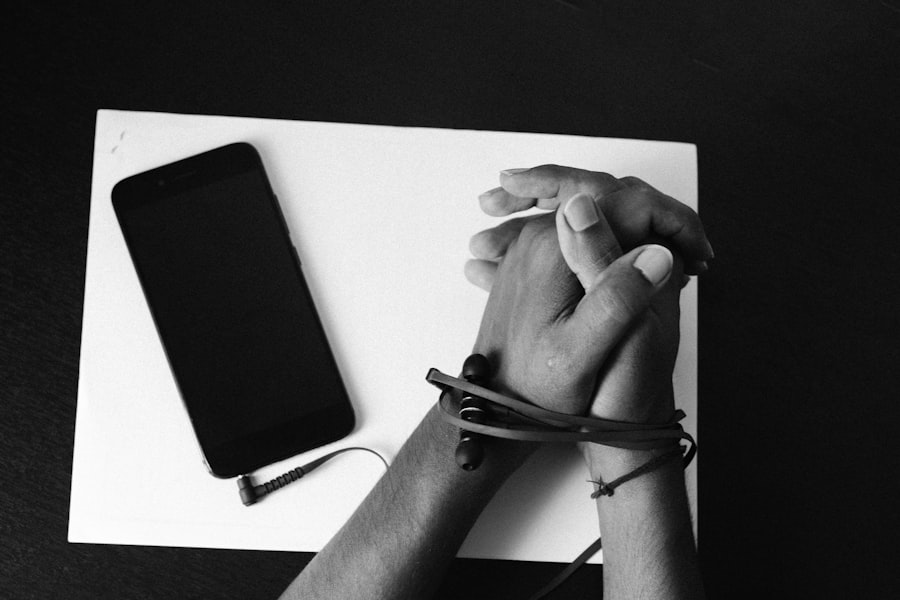
You will encounter resistance. There will be days when the urge is strong, and the added friction feels like too much effort. That’s normal. The key is not to aim for perfection, but for progress.
Embrace Imperfection
Don’t get discouraged by setbacks. If you slip up and spend too much time on your phone, acknowledge it, learn from it, and recommit to your strategies. The goal is not to be perfect, but to be consistently improving.
Celebrate Small Victories
Acknowledge when you successfully resist an urge, when you stick to your time limits, or when you have a phone-free meal. These small victories are crucial for maintaining motivation and building momentum.
Adapt Your Strategies
What works today might not work tomorrow. Be willing to experiment with different friction techniques and adjust your approach as needed. Your phone usage patterns may change, and your strategies should evolve with them.
Seek Support
Talk to friends, family, or consider joining online communities of people who are also working to reduce their phone addiction. Sharing your experiences and challenges can provide valuable support and accountability.
By strategically implementing friction, you are not fighting against your phone, but rather working with its inherent design principles to create a healthier, more intentional relationship with technology. You are taking back control of your attention and, in doing so, reclaiming valuable parts of your life. The path to breaking phone addiction is paved with small, deliberate acts of resistance, transforming the frictionless allure of your phone into a tool that serves you, rather than dictates to you.
FAQs
What is phone addiction?
Phone addiction, also known as nomophobia, is the excessive use of smartphones and other mobile devices, leading to negative effects on one’s physical and mental well-being.
How does friction help break the cycle of phone addiction?
Friction can be used to break the cycle of phone addiction by creating barriers or obstacles that make it more difficult to access and use the phone, thus reducing the temptation to constantly check it.
What are some examples of using friction to break phone addiction?
Examples of using friction to break phone addiction include turning off push notifications, setting specific times for phone usage, using apps that limit screen time, and creating physical barriers such as placing the phone in a different room.
What are the benefits of breaking the cycle of phone addiction?
Breaking the cycle of phone addiction can lead to improved productivity, better sleep quality, reduced stress and anxiety, stronger personal relationships, and increased mindfulness and presence in daily activities.
Are there any potential drawbacks to using friction to break phone addiction?
While using friction to break phone addiction can be effective, it may also lead to feelings of frustration or withdrawal initially. It’s important to find a balance and approach that works for each individual’s needs and habits.