
You live in an era awash in images. Your phone, that ubiquitous extension of your hand, is a veritable camera, always at the ready. Every vista, every fleeting emotion, every significant (and often insignificant) event is a potential subject. You document your life with an almost involuntary reflex, a constant digital shutter click. But in this relentless pursuit of capturing every moment, are you truly experiencing them? You might find that this incessant photography, this drive to perpetually record, paradoxically blurs and diminishes the very life you are so diligently trying to preserve.
You believe that by capturing a moment, you are somehow controlling it, mastering its essence, ensuring it won’t slip away into the ether of forgotten time. This belief, however, is a sophisticated illusion.
Freezing Time, or Halting Experience?
When you raise your phone, your gaze shifts. Your focus narrows, not on the vibrant hues of the sunset painting the sky, but on the precise framing of your shot. The joyous laughter of your child becomes a sound bite to be captured, rather than the full, unadulterated symphony of their delight. You are so preoccupied with the how of recording that you often neglect the what of experiencing. The physical act of holding your device, adjusting settings (even if it’s just tapping an icon), and composing an image subtly disconnects you from the immediate sensory input. You are no longer fully immersed in the warmth of the sun on your skin or the electric hum of a concert; you are an observer, a technician.
The Tyranny of the Perfect Shot
The digital age has fostered a competitive, performative aspect to photography. You are not just capturing for yourself; you are often curating an idealized version of your life for an audience, whether that’s your social media followers or even just your future self. This pressure to produce the “perfect” shot can lead to a frantic search for optimal lighting, flattering angles, and aesthetically pleasing compositions. In your quest for an Instagram-worthy memory, you can end up missing the genuine, unscripted beauty of the moment. The imperfect, messy, and utterly real often gets sacrificed at the altar of digital perfection.
The Archive vs. The Memory
You possess an ever-expanding digital archive. Terabytes of photographs, documenting holidays, birthdays, mundane outings, and the quotidian rhythm of your existence. You might revisit these images occasionally, a nostalgic flick through a digital album. But how many of these captured moments are truly recalled with vivid detail and emotional resonance? The sheer volume can lead to a dilution of impact. A thousand well-documented meals might fade into a single, undifferentiated blur of sustenance, rather than a few particularly memorable culinary experiences. The act of taking a photograph, by its very nature, imbues that specific slice of time with a perceived importance, suggesting it is distinct and worthy of preservation. When everything is deemed worthy of preservation, the true standouts can begin to recede.
In exploring the impact of documenting life through photography, one might consider the insights shared in the article “The Paradox of Capturing Moments” found on Unplugged Psychology. This piece delves into how the act of constantly photographing experiences can dilute the richness of those moments, leading to a more superficial engagement with our surroundings. By focusing on capturing the perfect shot, we may inadvertently miss out on the genuine emotions and connections that make life truly meaningful. For more on this topic, you can read the article here: The Paradox of Capturing Moments.
The Diversion of Attention
Your constant photography acts as a significant diversion, pulling your attention away from the present and redirecting it towards the act of capture and subsequent digital curation.
The Shift from Immersion to Observation
When you’re not photographing, you’re often planning your next shot, or reviewing the ones you’ve just taken. This mental preoccupation with the photographic process keeps you from being fully present. You are an observer, a witness, rather than an active participant. The feeling of wind in your hair, the taste of a shared meal, the quiet intimacy of a conversation – these sensory experiences are often filtered through the lens of what would make a good photograph. This critical detachment, while useful in photography, diminishes your capacity for genuine immersion. You are standing on the edge of the experience, rather than diving in headfirst.
The Mental Load of Documentation
The decision-making inherent in photography – what to shoot, how to frame it, when to press the shutter – adds a cognitive burden to your experiences. This mental load, however small it may seem, fragments your attention. Instead of letting your mind freely wander and absorb the atmosphere of a place, you are engaged in a series of mini-tasks. This fragmented attention undermines your ability to form deep, lasting memories. The richest memories are often those formed during periods of relaxed cognitive engagement, where your mind is open and receptive.
The Preoccupation with the Future Image
You are often thinking about the photograph you will take, or the one you have just taken, rather than fully engaging with the present moment. This forward-looking or backward-looking mental state pulls you away from the here and now. You might be at a breathtaking vista, but your mind is already calculating the best angle for the sunset shot. Or you might be reliving the joy of a past event through the images you’ve already captured, thereby diminishing the present moment. The power of the present lies in its immediacy; once that immediacy is compromised by photographic intent, a part of its essence is lost.
The Erosion of Spontaneity
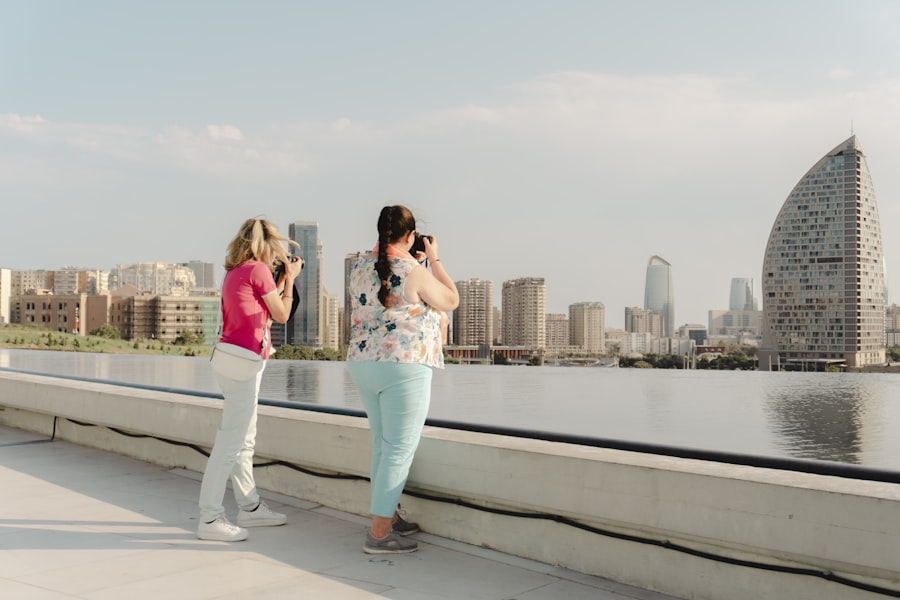
The drive for constant documentation can inadvertently stifle the organic unfolding of events and your natural reactions to them.
Calculated Moments vs. Organic Reactions
Spontaneity is the lifeblood of many of life’s most cherished experiences. A shared inside joke, an unexpected burst of laughter, a serendipitous encounter – these moments are often unscripted and arise from the natural flow of interaction. When you are constantly reaching for your camera, you create a subtle pressure to perform, to deliver something “photographable.” This can lead to a self-consciousness that stifles authentic reactions. You might hesitate to laugh wholeheartedly for fear of blurring your smile, or you might stifle a witty retort because you’re busy adjusting your phone’s focus.
The Freeze-Frame of Emotion
Emotions are fluid and dynamic. They ebb and flow, change and evolve. When you photograph an emotional moment, you freeze it in time. While this can be useful for preserving the visual representation of that emotion, it can also flatten its complexity. A photograph of a person crying captures the visual cue of sadness, but it doesn’t convey the nuanced layers of why they are crying, the subtle shifts in their expression, or the internal turmoil they might be experiencing. The act of framing and capturing often necessitates a simplification of the emotional landscape.
The Undermining of Genuine Connection
Deep human connection often thrives on shared, unmediated experiences. When you are engrossed in photographing a moment with a friend or loved one, your focus shifts from them to the act of capture. This can create a subtle barrier, a physical and mental distance that can impede the flow of genuine connection. The shared laughter might falter, the comfortable silence might be interrupted by the click of a shutter, and the spontaneous exchange of glances might be replaced by the deliberate composition of a selfie.
The Dilution of Memory
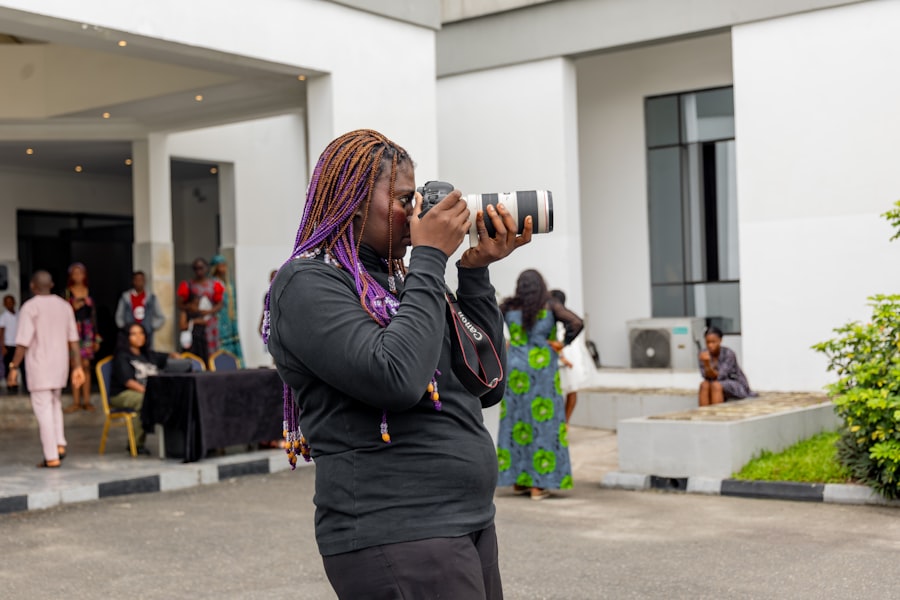
While the intent of photography is to preserve memory, the sheer volume and the nature of constant capture can, ironically, lead to a less vivid and meaningful recall.
The Overwhelm of the Archive
Your digital archive is a vast storehouse of visual data. However, such a large quantity of information can create an overwhelming effect. When confronted with hundreds or thousands of images from a single trip or event, it becomes difficult to pinpoint specific memories. The individual moments begin to bleed into one another, creating a generalized impression rather than distinct, recallable scenes. The sheer volume can lead to a “data dump” in your brain, making it harder to retrieve specific information.
The Passive Nature of Digital Consumption
You consume your photographic memories passively. You scroll through galleries, perhaps with a fleeting recognition, but rarely engage in the active, reconstructive process that truly solidifies memory. True memory formation is an active process, involving re-telling, associating, and re-experiencing. Simply viewing a photograph, especially in rapid succession, is a far more passive engagement, akin to browsing a catalog rather than delving into a rich narrative.
The Fading of Sensory Detail
Photographs, by their very nature, are primarily visual. While they can evoke the sense of a moment, they cannot fully capture the multi-sensory tapestry of lived experience. The scent of pine needles in a forest, the taste of salt spray on your lips, the feeling of sand between your toes – these sensory details are often lost in translation when reduced to a two-dimensional image. When you rely heavily on photographs to remember an experience, you risk losing the richness and depth that only a full sensory engagement can provide.
Documenting life through the lens of a camera can often lead to a paradox where the act of capturing moments detracts from fully experiencing them. This phenomenon is explored in a related article that discusses how the constant urge to photograph can create a barrier between individuals and their surroundings. By focusing on getting the perfect shot, one may miss the essence of the moment itself. For a deeper understanding of this concept, you can read more in this insightful piece on the impact of photography on our experiences here.
The Reclaiming of the Moment
| Aspect | Effect |
|---|---|
| Memory retention | Reduces as attention is divided between capturing and experiencing the moment |
| Emotional connection | May diminish as focus shifts from being present to capturing the perfect shot |
| Engagement with surroundings | Can decrease as the camera becomes a barrier between the individual and the environment |
| Quality of experience | May be compromised as the act of documenting takes precedence over fully immersing in the moment |
To counteract the diminishing effect of constant photography, you can consciously endeavor to shift your approach, prioritizing experience over endless documentation.
Intentional Gaps in the Archive
You don’t need to photograph everything. Make a conscious decision to leave significant portions of your life unrecorded. This doesn’t mean you are deliberately destroying memories; rather, you are allowing yourself the freedom to simply be in the moment without the compulsion to document it. These intentional gaps can become the spaces where genuine, unadulterated experience resides. They are the moments you will rely on your senses and your internal narrative to recall, thus strengthening your capacity for lived experience.
The Power of the Single Image
Instead of trying to capture every facet of an event, choose one or two moments that truly resonate. Invest your photographic energy in capturing those select instances with intention and care. This focused approach allows you to be more present in the surrounding moments, knowing that you have already identified and captured what is most important to you. It shifts the focus from quantity to quality, fostering a more mindful engagement with your surroundings.
The Embrace of Sensory Engagement
When you are not photographing, actively engage all your senses. Pay attention to the sounds, the smells, the textures, the tastes, and the feelings of your environment. Allow yourself to be fully present in the sensory richness of the experience. This active engagement creates stronger neural pathways for memory formation, leading to more vivid and enduring recollections. It is through this holistic sensory immersion that the true essence of a moment can be grasped and retained.
The Practice of Mindful Observation
Before you reach for your phone, pause. Take a deep breath. Observe the scene around you with a deliberate and present mind. What details do you notice that a photograph might miss? What emotions are you feeling? By cultivating this practice of mindful observation, you are training your brain to absorb and process experiences more effectively, making memory an active and integral part of your engagement, rather than a secondary, often superficial, act of documentation. In doing so, you begin to truly capture life, not just its digital echoes.
FAQs
1. How does documenting life with a camera thin out the experience?
Documenting life with a camera can thin out the experience by creating a barrier between the individual and the moment. Instead of fully immersing oneself in the experience, the focus shifts to capturing the perfect shot, leading to a detachment from the present moment.
2. What are the potential drawbacks of constantly documenting life with a camera?
Constantly documenting life with a camera can lead to a decreased ability to fully engage in and savor experiences. It can also create a sense of pressure to curate a perfect image, leading to a heightened focus on appearances rather than genuine experiences.
3. How does excessive photography impact memory and perception?
Excessive photography can impact memory and perception by altering the way individuals remember and perceive experiences. Instead of relying on personal memories, individuals may rely on photographs to recall events, leading to a potential distortion of the actual experience.
4. What are some strategies to balance documenting life with being present in the moment?
To balance documenting life with being present in the moment, individuals can set limits on when and how often they use their camera, practice mindfulness to fully engage in experiences, and prioritize creating memories over capturing the perfect photo.
5. How can documenting life with a camera be done in a mindful and intentional way?
Documenting life with a camera in a mindful and intentional way involves being selective about when to take photos, focusing on capturing meaningful moments rather than every detail, and taking the time to fully engage in the experience before reaching for the camera.