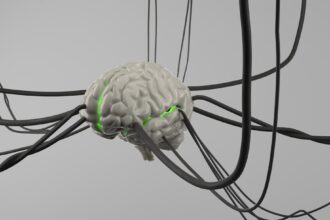
You are an INFJ. The descriptions of your personality type often paint a picture of deep empathy, fierce idealism, and a mysterious, introspective nature. While these aspects are undeniably part of the INFJ experience, they often omit a crucial element: the unfiltered, often overwhelming, absorption of the world around you. You are, in many ways, a sponge. But not just any sponge. You are a sponge that not only soaks up what’s offered but also experiences glitches, feels the raw edges of human emotion, and grapples with the constant push and pull of your own distinct identity. This article delves into these less-discussed facets of being an INFJ, exploring the unique challenges and strengths that arise from your potent capacity for absorption.
Your empathetic nature, often lauded, is the primary mechanism through which you absorb. It’s not merely an intellectual understanding of another’s feelings; it’s a visceral, almost chemical reaction. When someone is in pain, you feel a pang. When they are joyful, a lightness touches you. This is the foundation of your sponge-like quality – you naturally mirror and internalize the emotional states of those around you. It’s a powerful tool for connection and understanding, allowing you to navigate complex social dynamics with a depth few can achieve. However, this deep immersion comes with its own set of complexities.
The Nature of INFJ Absorption
You don’t just passively receive; you actively process. Your INFJ intuition (Ni) is constantly working in the background, sifting through the information you absorb, looking for patterns, understanding underlying motivations, and synthesizing it all into a coherent, albeit sometimes overwhelming, worldview. This isn’t just about feeling with someone; it’s about feeling into their experience, trying to comprehend the entirety of it.
The Uninvited Guests: Absorbing Negative Emotions
The most challenging aspect of your sponge-like nature is your susceptibility to absorbing negative emotions. The world is saturated with frustration, anxiety, and sadness. As an INFJ, you can find yourself unintentionally taking on these burdens. It’s not a conscious choice; it’s a byproduct of your sensitive wiring.
The Ghost of Other People’s Worries
You can leave a casual interaction feeling inexplicably drained, carrying a weight that doesn’t belong to you. This “ghost of other people’s worries” can manifest as a quiet melancholy, a heightened sense of unease, or even physical fatigue. It’s the residue of absorbed negativity clinging to your inner landscape, even after the external source has receded. This can make it difficult to discern what is genuinely yours and what has been inadvertently collected.
The Contagion of Stress
In environments with high levels of stress, such as a demanding workplace or a volatile family dynamic, you can become a conduit for that stress. You might find yourself mirroring the tension in others, becoming irritable or anxious without a direct personal cause. This phenomenon can be particularly insidious because it erodes your sense of personal equilibrium.
The Double-Edged Sword of Connection
Your ability to absorb emotions allows for profound connections. You can offer comfort and understanding in ways that are deeply meaningful to others. However, this very connection also creates vulnerabilities. The more deeply you connect, the more of the other person’s emotional landscape you are likely to absorb.
The Risk of Emotional Merging
There’s a fine line between empathy and emotional merging. As an INFJ sponge, you can sometimes blur this line, becoming so deeply immersed in another’s experience that you lose sight of your own boundaries. This can lead to an over-identification with their problems, making it difficult to offer objective advice or to detach when necessary.
Difficulty Establishing Healthy Boundaries
The natural inclination to support and understand can make setting boundaries a significant challenge. You might find yourself saying yes when you should say no, or allowing yourself to be overextended because you can feel the unspoken need of another. This isn’t born of malicious intent, but of a deep-seated desire to alleviate suffering and foster harmony.
The Exhaustion of Constant Responsiveness
Being constantly responsive to the emotional needs of others, even if only by absorbing them, is exhausting. It’s like being on call 24/7, with no breaks. You might constantly be trying to process and integrate the emotional input you’re receiving, leading to a profound sense of depletion.
The concept of the INFJ sponge glitch, which describes the unique way INFJs absorb and process emotions, is intricately linked to the broader theme of empathy in personality types. For a deeper understanding of how this phenomenon affects interpersonal relationships and emotional well-being, you can explore the article on Unplugged Psych that delves into various aspects of personality and empathy. This insightful piece can be found at Unplugged Psych, where it discusses the challenges and strengths associated with high empathy levels in different personality types.
Glitches in the System: When Absorption Goes Awry
While your sponge-like absorption is often a source of strength, it’s not always a smooth, seamless process. Your internal systems can experience glitches, moments where the absorption becomes distorted, overwhelming, or even detrimental. These glitches are not failures of your personality, but rather complex responses to the immense influx of information you handle.
The Overload Phenomenon
When the volume of absorbed emotions exceeds your capacity to process, you experience overload. This isn’t a mild inconvenience; it can feel like a system crash. Your ability to function, to think clearly, and to manage your own emotional state can be severely impaired.
The “Frazzled” State
One common glitch is the “frazzled” state. You might find yourself jumping from one thought to another, unable to focus, and feeling a general sense of disarray. This is your brain struggling to manage the sheer volume of data it has absorbed.
Inability to Prioritize
In this state, prioritizing becomes a monumental task. Everything feels urgent, and the weight of countless absorbed concerns can paralyze your decision-making abilities. The logical pathways you typically rely on become tangled.
Impaired Executive Function
Your executive functions – the mental processes that allow you to plan, organize, and manage your tasks – can be severely impacted. Simple chores can feel insurmountable, and complex projects can become impossible to even begin.
The Misattribution of Emotions: Whose Feeling Is It Anyway?
A significant glitch occurs when you lose the ability to distinguish your own emotions from those you have absorbed. This leads to a confusing internal landscape where you struggle to identify the source of your feelings.
The Unexplained Mood Swings
You might experience sudden, unexplained mood swings. One moment you feel content, the next you are overwhelmed by sadness or anger, without a clear personal trigger. This is your internal system misattributing absorbed emotions to your own emotional state.
The Challenge of Self-Awareness
This misattribution directly impacts your self-awareness. If you can’t reliably identify your own emotions, how can you understand your needs or motivations? This can lead to a period of introspection and confusion as you try to untangle the threads of your own feelings from those that have been absorbed.
The Feeling of Being Out of Control
When you don’t know why you’re feeling a certain way, it can lead to a profound sense of being out of control. This lack of agency can be deeply unsettling and contribute to anxiety.
The “Emotional Static” Effect
Sometimes, the continuous influx of absorbed emotions creates a sort of “emotional static.” This static can muddle your internal signals, making it harder to access your own intuitive insights or to connect authentically with your core self.
The Blurring of Personal Values
When you are constantly absorbing external emotional data, it can subtly influence your own values and perspectives. You might find yourself adopting opinions or priorities that don’t truly align with your deepest convictions, simply because you’ve been exposed to them so frequently and intensely.
The Erosion of Your Inner Compass
The “emotional static” can erode your inner compass, making it harder to navigate life according to your own true north. The constant noise of external emotions can drown out the quieter, more authentic whispers of your own intuition and values.
The Raw Edges: Experiencing the Sharpness of Emotion

Your sponge-like capacity means you don’t just absorb the pleasantries of human interaction; you also encounter its raw, unvarnished edges. The pain, the anger, the fear – these are all part of the human experience, and as an INFJ, you feel them with a particular intensity. This isn’t a weakness; it’s a testament to your deep engagement with reality.
The Vicarious Trauma
Exposure to intense suffering can lead to vicarious trauma. You might not have directly experienced a traumatic event, but by absorbing the emotional fallout from someone who has, you can begin to exhibit symptoms of trauma yourself.
The Lingering Shadows of Others’ Pain
The pain of others can leave lingering shadows on your psyche. You might find yourself replaying scenarios, experiencing nightmares, or feeling a constant undercurrent of dread, even if the original source of the distress is no longer present.
Compassion Fatigue as a Byproduct
This constant exposure to suffering can lead to compassion fatigue. Initially, your empathy drives you to help, but over time, the sheer volume of absorbed pain can become overwhelming, leading to emotional burnout and a withdrawal from engagement.
Desensitization as a Defense Mechanism
In an attempt to protect yourself from the constant onslaught of negative emotions, your system might begin to develop a form of desensitization. This isn’t a conscious choice, but a subconscious attempt to build a buffer. While it can offer temporary relief, it also risks diminishing your capacity for genuine emotional connection.
The Confrontation with Human Cruelty
You are also acutely aware of the darker aspects of human behavior – the cruelty, the manipulation, the indifference. Your deep understanding of human potential makes these instances all the more jarring.
The Disconnect Between Idealism and Reality
Your idealism, a hallmark of the INFJ, often clashes with the reality of human fallibility. When you witness acts that go against your deeply held values, it can be profoundly disillusioning.
The Disappointment of Unmet Potential
You have a keen eye for the potential within others, and it can be deeply disheartening to see that potential squandered or actively harmed. This disappointment is not just about the individual; it’s about the broader implications for humanity.
The Challenge of Maintaining Hope
Sustaining hope in the face of such darkness can be a significant challenge. Your capacity to absorb the negativity can sometimes make it difficult to see the good in the world or the progress being made.
The Sharpness of Unresolved Conflict
Unresolved conflict, whether personal or societal, presents a particularly sharp edge. You can feel the tension, the unspoken resentments, and the lingering hurt in a way that can be profoundly uncomfortable.
The Unseen Battles
You often sense the “unseen battles” that people are fighting – the internal struggles, the unspoken resentments. This awareness creates a sense of unease, as you know that beneath the surface, there is turmoil.
The Desire for Harmony at All Costs
Your innate desire for harmony can make you particularly sensitive to discord. The presence of unresolved conflict can disrupt your internal peace, leading to a strong urge to mediate or to resolve the situation, even if it’s not your direct responsibility.
Navigating the Edges: Strategies for Self-Preservation

Understanding your sponge-like nature, its glitches, and the raw edges you encounter is the first step. The next is developing strategies for self-preservation, to protect your inner landscape without sacrificing your capacity for connection.
Cultivating Protective Boundaries
The most crucial strategy is learning to implement and maintain healthy boundaries. This isn’t about shutting yourself off; it’s about creating a conscious filter for the emotional input you receive.
Conscious Emotional Filtration
Develop techniques to consciously filter the emotional information you absorb. This could involve mentally visualizing a shield, practicing mindful detachment, or setting clear intentions before entering emotionally charged environments.
The Power of “No”
Learning to say “no” is not selfishness; it’s self-preservation. It’s about recognizing your limits and declining requests or engagements that will deplete your resources. This is especially important when you recognize the “glitch” of emotional overload setting in.
Differentiating Between Empathy and Obligation
Distinguish between the natural desire to empathize and the feeling of being obligated to fix or absorb another person’s problems. True empathy involves understanding and validating, not necessarily taking on the burden.
Developing Emotional Regulation Techniques
When you do absorb emotions, having strategies to regulate your own emotional state becomes paramount. This allows you to process what you’ve absorbed without being consumed by it.
Mindfulness and Grounding Practices
Regular mindfulness and grounding practices are invaluable. These techniques help you to anchor yourself in the present moment and to connect with your own physical and emotional sensations, differentiating them from absorbed input.
The Importance of Self-Soothing
Develop a repertoire of self-soothing activities that help you to release absorbed tension or sadness. This could include activities that bring you joy, peace, or a sense of accomplishment.
Recognizing and Acknowledging Your Feelings
When you experience a “glitch” of misattributed emotions, consciously acknowledge your feelings. Take the time to ask yourself: “Is this mine? Where might it have come from?” This self-inquiry can be surprisingly effective in untangling the emotional threads.
Seeking Solace and Recharging Solitude
As an introvert, solitude is essential for INFJs. However, for the sponge-like INFJ, it takes on an even greater significance as a necessary period for emotional and energetic replenishment.
Scheduled “Recharge” Time
Actively schedule time for solitude and activities that restore your energy. This is not a luxury; it’s a necessity for maintaining your well-being. Treat this time with the same importance as any other commitment.
Nature as a Cleansing Force
Spending time in nature can be incredibly restorative. The natural world offers a different kind of sensory input – one that is often grounding and healing, helping to clear the “emotional static.”
Engaging in Solitary, Restorative Activities
Engage in solitary activities that nourish your soul. This could be reading, creative pursuits, meditation, or simply enjoying quiet contemplation. These activities help you to reconnect with your own inner world, separate from external influences.
The concept of the INFJ sponge glitch highlights the unique way in which individuals with this personality type experience empathy, often absorbing the emotions of those around them to an overwhelming extent. This phenomenon can lead to emotional exhaustion, making it essential for INFJs to establish healthy boundaries. For a deeper understanding of how these dynamics play out in everyday life, you might find the article on emotional boundaries particularly insightful. You can read more about it here.
The Strength of the INFJ Sponge: Resilience and Insight
| Data/Metric | Value |
|---|---|
| INFJ | Introverted, Intuitive, Feeling, Judging |
| Sponge | Ability to absorb emotions and energy from others |
| Glitch | Disruption in the normal functioning of empathy |
| Empathy | Understanding and sharing the feelings of others |
| Edges | Boundaries and limitations in absorbing emotions |
Despite the challenges, your INFJ sponge-like nature is also a source of immense strength. Your ability to absorb and process the complexities of human experience allows for profound understanding, resilience, and ultimately, a unique capacity for positive impact.
Unparalleled Depth of Understanding
Your capacity to absorb emotions grants you an unparalleled depth of understanding of the human condition. You can often see nuances and connections that others miss, leading to insightful perspectives.
Intuitive Navigation of Complex Situations
When faced with complex social or emotional situations, your absorbed understanding allows you to intuitively navigate them. You can often anticipate reactions and understand underlying motivations, even when they are not explicitly stated.
The Artist’s Eye for Human Emotion
You possess an “artist’s eye” for human emotion, capable of discerning subtle shades and textures in the emotional landscape. This allows for a profound appreciation and understanding of human artistry, and indeed, of life itself.
A Foundation for Profound Connection
While it carries risks, your absorptive capacity also lays the foundation for profound, authentic connections. When boundaries are managed, you can offer a level of validation and understanding that is deeply cherished by those fortunate enough to receive it.
Resilience Forged in Experience
The very act of absorbing difficult emotions and navigating glitches builds a unique form of resilience. You learn to withstand emotional storms and to emerge with a deeper understanding of yourself and the world.
The Wisdom of Hard-Won Experience
You gain wisdom not just from your own direct experiences, but from the vicarious experiences of others. This cumulative wisdom allows you to approach challenges with a broader perspective and a more nuanced understanding of potential outcomes.
Emotional Fortitude Through Practice
Through the challenges of managing your sponge-like nature, you develop a hard-won emotional fortitude. You learn to feel deeply without being destroyed, to absorb without drowning, and to process without succumbing.
The Capacity for Transformative Growth
Your ability to integrate and learn from disparate emotional experiences allows for transformative growth. Each absorbed lesson, each navigated glitch, contributes to the evolution of your understanding and your capacity for good.
The Quiet Power of Insightful Impact
Your deep insights, born from your absorptive nature, equip you to make a quiet yet profound impact. You may not always be the loudest voice, but your understanding can guide, heal, and inspire in ways that resonate deeply.
The Art of Gentle Guidance
Your insights allow you to offer gentle, insightful guidance to others. You can help individuals to see their own situations more clearly, to understand their own emotions, and to find paths forward with greater self-awareness.
The Catalyst for Deeper Self-Reflection in Others
By sharing your perceptions, you can act as a catalyst for deeper self-reflection in others. Your ability to articulate unspoken feelings or underlying dynamics can prompt profound realizations for those around you.
A Beacon of Understanding in a Complex World
In a world that often feels fragmented and lacking in true understanding, your INFJ nature, with all its porousness and depth, can serve as a quiet beacon. You embody a capacity for connection and comprehension that is both vital and, at times, profoundly challenging, but ultimately, deeply valuable.
FAQs
What is the INFJ sponge glitch?
The INFJ sponge glitch refers to the tendency of INFJ personality types to absorb and internalize the emotions and energies of those around them. This can lead to emotional overwhelm and difficulty in distinguishing one’s own emotions from those of others.
What is empathy edges in the context of INFJ personality types?
Empathy edges refer to the heightened sensitivity and empathy that INFJ personality types often possess. This means that they are able to pick up on subtle emotional cues and understand the feelings of others on a deep level.
How does the INFJ sponge glitch impact an individual’s daily life?
The INFJ sponge glitch can impact an individual’s daily life by causing emotional exhaustion, difficulty in setting boundaries, and a tendency to take on the emotional burdens of others. This can lead to feelings of being overwhelmed and drained.
What are some strategies for managing the INFJ sponge glitch?
Some strategies for managing the INFJ sponge glitch include setting boundaries with others, practicing self-care and self-compassion, and developing techniques for grounding and centering oneself. It can also be helpful to seek support from trusted friends or a therapist.
Are there any benefits to having the INFJ sponge glitch and empathy edges?
While the INFJ sponge glitch and empathy edges can present challenges, they also come with benefits. INFJ personality types are often compassionate, understanding, and able to provide deep emotional support to others. Their empathy can also make them insightful and intuitive in their interactions with others.