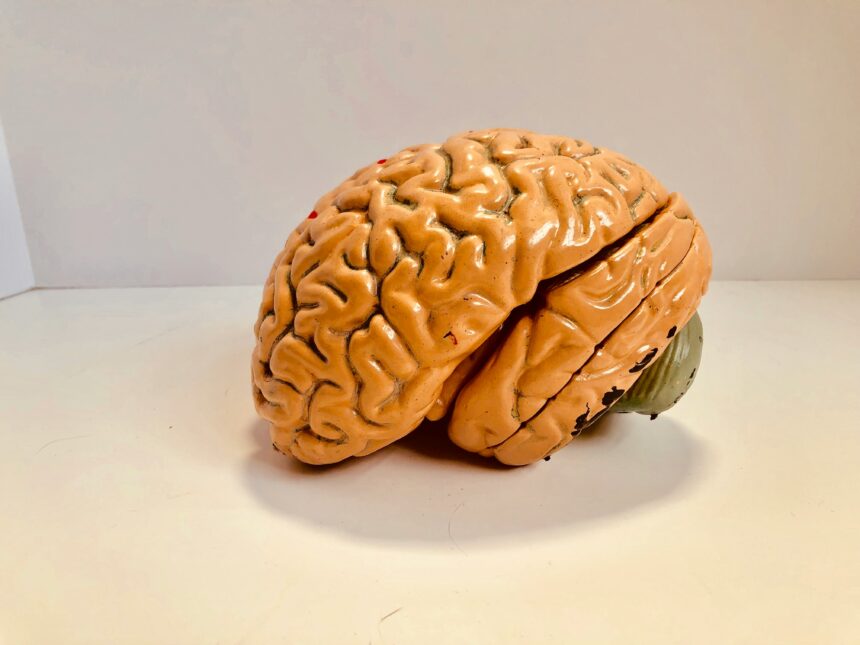
The adolescent brain is a remarkable, and often bewildering, landscape of change. You’re navigating a period of intense transformation, where the very architecture of your mind is being reshaped. This isn’t just about growing taller or developing new physical traits; it’s about a profound rewiring that fundamentally impacts who you are becoming. Understanding this process, known as adolescent brain development, offers crucial insight into why you might be experiencing certain emotions, making particular decisions, and generally feeling the way you do. It’s your brain, quite literally, in a state of becoming.
At the forefront of this developmental overhaul is the prefrontal cortex (PFC). Think of it as the brain’s executive control center, responsible for a vast array of higher-level cognitive functions that shape your personality and behavior. During adolescence, this area is far from fully formed. It’s undergoing a lengthy process of “pruning” and “myelination,” essentially streamlining and strengthening neural pathways.
Decision-Making and Risk Assessment
One of the most visible impacts of a developing PFC is on your decision-making abilities. The PFC is crucial for impulse control, planning, evaluating consequences, and weighing risks and rewards. As it matures, you’re theoretically getting better at these things. However, during adolescence, this maturation is uneven. The reward centers of your brain, particularly the limbic system (more on that later), often become highly sensitive and active. This means that while you might intellectually understand the potential negative outcomes of a certain action, the powerful pull of immediate gratification or the thrill of a new experience can sometimes override that rational assessment. This can manifest as a tendency towards risk-taking behavior, whether it’s trying new activities, engaging in social experiments, or making choices that, in retrospect, you might question.
The Imbalance of Reward and Inhibition
Scientists have observed that during adolescence, the brain’s reward pathways are highly attuned to novelty and social validation. This makes you more susceptible to seeking out exciting experiences and peer approval. Conversely, the inhibitory control mechanisms located in the PFC are still catching up. This creates a temporary imbalance, where the drive for stimulation and reward can easily outpace the ability to inhibit impulsive actions. You might find yourself acting before you fully think, or feeling drawn to situations that offer immediate pleasure, even if there are apparent risks attached.
The Role of Social Context in Risk
It’s also important to recognize that your environment plays a significant role in how this developmental stage influences your behavior. The presence of peers can amplify risk-taking tendencies. The desire for social acceptance and belonging can lead you to engage in behaviors you might not consider alone. This isn’t necessarily a sign of bad judgment, but rather a byproduct of a brain that is highly attuned to social cues and rewards during this critical period.
Planning and Goal Setting
Your ability to plan for the future, set long-term goals, and organize your actions to achieve them also relies heavily on the PFC. As this area develops, you’ll gradually become more adept at these skills. However, during your teenage years, this development is still in progress. This can sometimes lead to procrastination, difficulty with sustained focus on long-term objectives, and a greater emphasis on immediate concerns. Your focus might naturally be more on the present day, the next social event, or finishing an assignment due tomorrow, rather than strategizing for a career path years down the line.
Future Orientation and its Gradual Emergence
You’ll notice that your concept of the future starts to expand as you move through adolescence. Initially, your time horizon might be relatively short. As your PFC matures, you begin to develop a more robust “future orientation,” allowing you to envision longer-term consequences and set goals that extend beyond the immediate. This shift is gradual, and you might find yourself oscillating between present-focused impulsivity and nascent long-term planning.
Developing Executive Functions
The development of executive functions is a hallmark of adolescence. This includes skills like working memory (the ability to hold and manipulate information), cognitive flexibility (the ability to switch between tasks or perspectives), and self-monitoring (the ability to reflect on your own thoughts and actions). As these functions mature, your capacity for complex problem-solving, critical thinking, and self-regulation will increase, profoundly shaping your personality and your approach to life.
Adolescent brain development plays a crucial role in shaping personality, as various studies indicate that the brain undergoes significant changes during this critical period. For a deeper understanding of how these developmental processes influence personality traits and behaviors, you can explore the article available at Unplugged Psych. This resource provides valuable insights into the intricate relationship between brain maturation and the formation of individual personality characteristics during adolescence.
The Limbic System: The Engine of Emotion and Motivation
While the PFC is the executive, the limbic system is the engine. This group of structures deep within your brain is the seat of your emotions, drives, and motivations. During adolescence, the limbic system, particularly the amygdala and the nucleus accumbens, becomes highly active and sensitive. This contributes significantly to the emotional intensity and heightened responsiveness you might experience.
Emotional Intensity and Regulation
Adolescence is notorious for its emotional rollercoasters. This is largely due to the heightened activity in the limbic system. Emotions, both positive and negative, can feel more potent and overwhelming. You might find yourself experiencing joy more intensely, but also feeling frustration, anger, or sadness with greater force. Learning to regulate these intense emotions is a key developmental task of this period, and it’s directly linked to the ongoing maturation of the PFC, which works to temper and manage the impulses from the limbic system.
The Amygdala’s Role in Reactivity
The amygdala, a key component of the limbic system, is involved in processing emotions, particularly fear and threat detection. During adolescence, the amygdala is highly active, making you more sensitive to emotional stimuli. This can lead to quicker emotional responses and a heightened capacity for experiencing fear or excitement. Your reactions might sometimes seem disproportionate to the situation, as the neural pathways connecting your emotional centers to your rational, inhibitory centers are still under construction.
Understanding Mood Swings
The fluctuations in your mood that you might experience are also linked to the interplay between your limbic system and your developing PFC. Hormonal changes during adolescence can also contribute to these shifts. As your brain matures, your ability to modulate these emotional responses and achieve greater emotional stability will improve, but for now, expect a period of intense emotional experience.
Motivation and Reward Seeking
The limbic system is also the primary driver of motivation and reward. The nucleus accumbens, a key part of this system, is activated by pleasurable experiences and drives you to seek them out. During adolescence, this system is particularly sensitive to novelty, social rewards, and risk, as mentioned earlier. This heightened motivation can propel you to explore, learn, and engage with the world, but it can also contribute to impulsivity and a focus on short-term gratification.
The Dopamine Connection
Dopamine, a neurotransmitter associated with pleasure and reward, plays a significant role in this heightened motivation. During adolescence, there’s a surge in dopamine receptor sensitivity, making you more receptive to rewards. This can be a powerful motivator for learning, social interaction, and exploration, but it also underlies the allure of potentially risky behaviors that offer immediate pleasure.
The Drive for Novelty and Sensation
Your inherent drive to experience new things and seek out stimulating environments is profoundly influenced by your developing limbic system. This “sensation-seeking” tendency is a normal and adaptive part of adolescent development, pushing you to learn about the world and your capabilities. It’s this drive that encourages you to try new foods, listen to different music, engage in sports, or explore new social circles.
Social Cognition and Peer Influence: The Brain’s Social Network
Adolescence is a period where your social world explodes in importance. Your brain undergoes significant changes in how it processes social information, understands others’ perspectives, and responds to peer influence. This is intricately linked to the developing PFC and its interaction with social brain networks.
The Rise of Social Awareness
As your brain matures, your ability to understand social cues, interpret subtle social nuances, and engage in complex social interactions improves. You become more aware of what others think of you and how you fit into social groups. This heightened social awareness can be both a source of anxiety and a powerful motivator for social learning and connection.
The Developing Theory of Mind
Your “theory of mind” – the ability to attribute mental states (beliefs, intents, desires, emotions) to yourself and others – continues to develop throughout adolescence. This allows you to better understand motivations, predict behavior, and engage in more sophisticated social interactions. You become more adept at recognizing sarcasm, understanding irony, and inferring unspoken emotions.
Navigating Social Hierarchies and Expectations
The adolescent brain is particularly attuned to social hierarchies and group dynamics. You become more conscious of social status, popularity, and the expectations of your peers. This can lead to conformity, a desire to fit in, and a strong influence of peer opinions on your own beliefs and behaviors.
The Power of Peer Influence
Perhaps one of the most striking aspects of adolescent personality development is the profound impact of peer influence. Your friends and social group become increasingly important sources of information, validation, and norm-setting. This is amplified by the brain changes that make social rewards highly salient.
The Brain’s Reward System and Social Acceptance
The same reward pathways that are sensitive to novelty are also strongly activated by social acceptance. The approval of your peers can feel incredibly rewarding, making you more susceptible to their suggestions and behaviors. This can be a positive force, encouraging pro-social behavior and the adoption of positive social norms, but it can also lead to the adoption of less desirable behaviors if those are prevalent within your peer group.
Minimizing the Role of Parents
As peer relationships gain prominence, you might find yourself pulling away from parental influence and seeking greater independence. This is a normal developmental shift, as your brain is wired to explore social bonds beyond the immediate family unit. This doesn’t necessarily mean a rejection of your parents, but rather a rebalancing of your social world.
Identity Formation: The Search for “Who Am I?”

Adolescence is intrinsically linked to identity formation. You’re no longer content with simply being who your parents or childhood environment shaped you to be. You’re actively exploring, experimenting, and trying to define your own sense of self. This is heavily influenced by the interplay of your developing cognitive abilities, emotional landscape, and social experiences.
Experimentation and Exploration
The adolescent brain’s drive for novelty and exploration, coupled with the developing capacity for abstract thought, fuels a period of extensive experimentation. You might try on different personas, explore various interests, adopt different styles, and question established beliefs. This is a crucial part of discovering who you are and what you value.
The Role of Interests and Hobbies
The development of specialized interests and hobbies is a significant aspect of identity formation. What you choose to dedicate your time and energy to – be it music, sports, art, academics, or technology – becomes a part of your self-definition. Your brain’s capacity for learning and engagement is heightened during this period, allowing you to delve deeply into areas of interest.
Questioning Beliefs and Values
You’ll likely find yourself questioning the beliefs and values that have been passed down to you. This is a critical step in developing your own independent moral compass and worldview. This process of critical evaluation and self-discovery is a hallmark of adolescent intellectual and personal growth.
The Influence of Role Models and Mentors
Beyond peers, you might also find yourself drawn to role models and mentors who embody qualities you admire or aspire to. These individuals can provide guidance, inspiration, and different perspectives that contribute to your evolving sense of self. Your brain’s capacity for learning and imitation is actively engaged in observing and absorbing from these influential figures.
Seeking Different Perspectives
As you develop a more sophisticated understanding of the world, you become more open to different perspectives. This includes seeking out individuals who offer alternative viewpoints to your own, enriching your understanding and contributing to a more nuanced identity.
The Formation of Personal Values
Through this process of exploration and questioning, you begin to solidify your personal values. What is important to you? What do you stand for? These are questions that you grapple with, and the answers you find will shape your character and the direction you choose in life.
Recent research has shed light on the intricate relationship between adolescent brain development and personality traits, highlighting how changes in neural pathways can influence behaviors and emotional responses. For a deeper understanding of this fascinating topic, you can explore a related article that discusses various aspects of adolescent psychology and its implications for personality formation. This insightful piece can be found here, providing valuable information for anyone interested in the complexities of growing up and the psychological changes that accompany this critical stage of life.
Neurological Plasticity: The Brain’s Adaptability and Change
| Age Range | Brain Development | Personality Traits |
|---|---|---|
| 10-12 years | Rapid growth in prefrontal cortex, improving decision-making and impulse control | Increased independence, self-awareness, and emotional volatility |
| 13-15 years | Continued development of prefrontal cortex, enhancing cognitive abilities | Heightened risk-taking behavior, peer influence, and identity formation |
| 16-18 years | Maturation of prefrontal cortex, leading to better judgment and planning | Stable sense of self, improved emotional regulation, and increased empathy |
The adolescent brain is incredibly plastic, meaning it’s highly adaptable and capable of significant change. This plasticity is the very engine that drives all the developmental processes described above. Your brain is actively rewiring itself based on your experiences, learning, and environment.
The Importance of Experience
Every experience you have, from the mundane to the extraordinary, has the potential to shape your developing brain. Learning a new skill, navigating a challenging social situation, or even experiencing strong emotions creates neural connections and influences the way your brain is organized. This is why actively engaging in positive experiences and learning opportunities is so vital during adolescence.
Learning and Skill Development
Your capacity for learning new things is exceptionally high during adolescence. From mastering a musical instrument to grasping complex academic concepts, your brain is “primed” for acquisition. This plasticity allows you to build robust neural networks associated with these learned skills, which can become integral parts of your personality and future capabilities.
Impact of Environment on Brain Structure
The environment in which you grow up – your family dynamics, your school, your community, and your culture – all have a significant impact on your brain’s development. A supportive and stimulating environment can foster positive neurodevelopment, while adverse experiences can lead to different, and sometimes challenging, developmental trajectories.
The Long-Term Consequences of Adolescent Development
The changes you experience in your brain during adolescence have long-lasting implications for your personality, behavior, and overall well-being throughout your life. The foundations laid during this period influence your susceptibility to mental health conditions, your relationship patterns, your career choices, and your resilience in the face of adversity.
Setting the Stage for Adulthood
While the intense period of adolescence might feel like a tumultuous flux, it is, in essence, the crucial developmental stage that sets the stage for adulthood. The skills you develop, the habits you form, and the way your brain is structured will continue to influence you long after your teenage years.
The Ongoing Nature of Brain Development
It’s important to remember that brain development doesn’t simply “stop” at the end of adolescence. However, the rapid and significant reorganizations that occur during your teenage years are foundational. Understanding this process empowers you to make conscious choices that can positively influence your own development and, by extension, the person you will become. Your adolescent brain is a work in progress, and the choices you make now are actively shaping its future.
FAQs
What is adolescent brain development?
Adolescent brain development refers to the changes that occur in the brain during the teenage years, including the growth of neural connections, the pruning of unused connections, and the development of the prefrontal cortex, which is responsible for decision-making and impulse control.
How does adolescent brain development impact personality?
Adolescent brain development can impact personality by influencing emotional regulation, risk-taking behavior, and the ability to consider long-term consequences. These changes can contribute to the development of a teenager’s personality traits and behaviors.
What are some common characteristics of adolescent personality?
Common characteristics of adolescent personality include increased emotional intensity, heightened sensitivity to social interactions, a desire for independence, and a tendency to engage in risk-taking behaviors.
What role does the prefrontal cortex play in adolescent personality development?
The prefrontal cortex, which continues to develop during adolescence, plays a crucial role in regulating emotions, making decisions, and controlling impulses. Its development can impact a teenager’s ability to manage their emotions and make responsible choices, influencing their personality development.
How can parents and educators support healthy adolescent brain development and personality growth?
Parents and educators can support healthy adolescent brain development and personality growth by providing a supportive and nurturing environment, promoting positive social interactions, teaching emotional regulation skills, and encouraging responsible decision-making. Additionally, promoting physical health through proper nutrition, exercise, and adequate sleep can also support healthy brain development during adolescence.