You often hear about attachment styles in discussions of childhood development, but their influence extends far beyond those early years. Understanding attachment theory in the context of your adult relationships can illuminate the ways you connect with others, manage conflict, and experience intimacy. It’s not about assigning blame or labeling yourself, but rather about gaining insight into the underpinnings of your relational patterns.
The foundation of attachment theory, as developed by John Bowlby and later expanded by Mary Ainsworth, lies in the crucial bond between an infant and their primary caregiver. You, as an infant, had a fundamental need for safety and security. Your caregiver’s responsiveness to your cries, your needs for comfort, and your exploration of the world shaped your internal working models – mental representations of yourself, others, and the nature of relationships.
The Secure Base Phenomenon
Your caregiver served as your “secure base.” From this safe haven, you could venture out and explore your environment, knowing that you could return for comfort and reassurance when distressed. This early experience of reliable responsiveness from your caregiver taught you that you were worthy of attention and care, and that others could be trusted to meet your needs. If your caregiver was consistently available and attuned to your signals, you likely developed a secure attachment style. This early foundation of trust and predictability is immensely important.
When Responsiveness Falters: Developing Insecure Attachment
However, not all caregivers are consistently responsive. If your caregiver was sometimes available but sometimes not, or if their responses were unpredictable or intrusive, you might have developed an insecure attachment style. This can manifest in several ways, each with its own set of behavioral patterns you might recognize in yourself or others.
The Anxious-Preoccupied Attachment
If your caregiver was inconsistently available, leaving you uncertain about their presence and affection, you might have developed an anxious-preoccupied attachment style. This can lead to a strong desire for closeness and intimacy in your adult relationships, but also a fear of abandonment and a tendency to worry excessively about your partner’s feelings and commitment. You might find yourself seeking constant reassurance, feeling jealous or insecure, and struggling with feelings of worthlessness when you perceive distance.
The Dismissive-Avoidant Attachment
Alternatively, if your caregiver was consistently distant or rejecting of your bids for closeness, you might have developed a dismissive-avoidant attachment style. In adulthood, this can manifest as a strong sense of independence and self-reliance, coupled with a discomfort with emotional intimacy. You might downplay the importance of relationships, avoid deep emotional expression, and feel overwhelmed by the perceived demands of partners. You might prioritize your own autonomy to a degree that makes deep connection challenging.
The Fearful-Avoidant Attachment
A more complex insecure style is the fearful-avoidant attachment. This often stems from a caregiver who was both frightening and unreliable. As a result, you might simultaneously crave intimacy and fear it. You might desire close relationships but find yourself pushing people away when they get too close, or struggle with trust and vulnerability due to past experiences of hurt or betrayal. This can lead to a pattern of seeking connection and then sabotaging it.
Attachment theory plays a crucial role in understanding adult relationships, as it explores how early experiences with caregivers shape emotional bonds in adulthood. For a deeper insight into this topic, you can refer to an informative article that discusses the implications of attachment styles on romantic partnerships. This article provides valuable perspectives on how secure, anxious, and avoidant attachments influence relationship dynamics. To read more, visit this article.
Attachment in Adult Relationships: The Present-Day Manifestations
Your early attachment experiences don’t dictate your future relationships rigidly, but they do create patterns of behavior and expectation that you tend to carry with you. In your adult romantic partnerships, these patterns emerge in how you seek and offer support, manage conflict, and express affection. Understanding these manifestations can be the first step toward fostering healthier, more fulfilling connections.
The Role of Internal Working Models
Your internal working models are like blueprints for your relationships. If your early experiences were predominantly positive and nurturing, your internal working model likely portrays you as worthy of love and others as reliable and trustworthy. This facilitates a secure attachment in adulthood. However, if your early experiences were marked by inconsistency or rejection, your internal working models might be more negative, leading to beliefs like “I’m not good enough” or “Others will always leave.” These beliefs, often unconscious, significantly influence your relational choices and behaviors.
Seeking and Offering Support
How you seek and offer support is a direct reflection of your attachment style.
Secure Individuals and Support
If you have a secure attachment style, you are generally comfortable asking for and receiving support. You believe that your needs are valid and that your partner can provide comfort and assistance without being overwhelmed. You can also offer support effectively, being attuned to your partner’s needs and providing comfort without being intrusive or overly self-sacrificing. You are generally seen as a reliable and dependable partner.
Anxious-Preoccupied Individuals and Support
If you tend towards an anxious-preoccupied style, you may seek support intensely, sometimes to the point of being perceived as demanding or needy. You might be highly anxious if your partner doesn’t respond immediately to your needs or if you perceive them as pulling away. Conversely, when offering support, you might become overly invested and anxious about your partner’s well-being, potentially to the detriment of your own needs.
Dismissive-Avoidant Individuals and Support
Individuals with a dismissive-avoidant style tend to avoid seeking support, preferring to handle challenges independently. They may see requests for help as a sign of weakness or an imposition. When offering support, they might be emotionally distant or downplay the significance of their partner’s struggles, opting for practical solutions rather than emotional validation.
Fearful-Avoidant Individuals and Support
For those with a fearful-avoidant style, seeking and offering support can be a complex dance of wanting and pushing away. They might desire support but fear the vulnerability it entails, or feel overwhelmed by their partner’s needs. Offering support can also be challenging, as they may struggle with emotional availability and find themselves withdrawing when situations become too intense.
Navigating Conflict and Disagreement
Conflict is an inevitable part of any relationship. Your attachment style significantly influences how you approach and manage these disagreements.
Constructive Conflict Resolution for Secure Individuals
Secure individuals tend to approach conflict constructively. They are able to express their needs and concerns clearly and respectfully, while also being open to listening to their partner’s perspective. They are less likely to engage in defensive behaviors or to resort to personal attacks. They view conflict as an opportunity for growth and understanding within the relationship.
Escalation and De-escalation in Conflict
Insecure attachment styles often lead to more reactive conflict patterns. Anxious-preoccupied individuals might become overly emotional, demanding, or accusatory, seeking to resolve the issue immediately out of fear of abandonment. Dismissive-avoidant individuals might withdraw, stonewall, or shut down, avoiding emotional engagement altogether. Fearful-avoidant individuals can oscillate between high emotional reactivity and withdrawal, making consistent resolution difficult.
The Dance of Intimacy and Closeness
Attachment theory profoundly impacts your experience of intimacy and closeness in adult relationships. It shapes your desire for connection, your comfort with vulnerability, and your capacity for emotional self-disclosure.
The Secure Foundation for Intimacy
Secure individuals are generally comfortable with both closeness and independence. They can be vulnerable with their partners, share their deepest feelings, and trust that their partner will respond with empathy and understanding. This allows for a deep and satisfying level of intimacy. They understand that true connection involves interdependence, not enmeshment.
The Push and Pull of Intimacy
For insecurely attached individuals, the experience of intimacy can be fraught with anxiety. Anxious-preoccupied individuals often crave intense closeness, but their fear of abandonment can lead them to hover or engage in behaviors that inadvertently push their partners away. Dismissive-avoidant individuals may distance themselves from emotional intimacy, finding it threatening or overwhelming, and may struggle to articulate their feelings. Fearful-avoidant individuals often experience a contradictory push-and-pull, desiring closeness but retreating when it feels too intense or risky.
Attachment Theory and Relationship Dynamics: Beyond the Individual
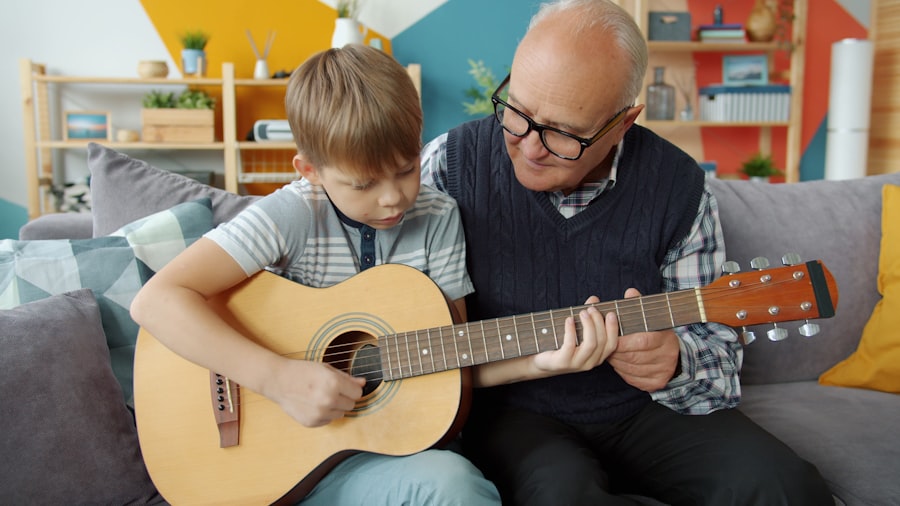
It’s important to recognize that attachment theory is not just about your individual patterns; it’s also about the interplay between your attachment style and your partner’s. The \”chemistry\” or \”friction\” you experience in relationships can often be traced back to the dynamic created by two distinct attachment styles interacting.
Complementary Styles and Potential Pitfalls
Sometimes, relationships between individuals with different attachment styles can be challenging. For example, an anxious-preoccupied individual might be drawn to a dismissive-avoidant individual, a dynamic often described as a “pursuer-distancer” pattern. The anxious individual seeks more closeness, while the avoidant individual pulls away. This can create a cycle of frustration and unmet needs for both partners. While this can be a dynamic leading to distress, it can also be an opportunity for growth if both partners become aware of their patterns.
The Secure Partner’s Influence
A partner with a secure attachment style can have a profoundly positive influence on someone with an insecure attachment style. A secure partner’s consistent responsiveness, empathy, and understanding can provide a model for healthy relating. They can offer a space for the insecurely attached individual to feel safe, to explore their fears, and to gradually develop more secure relational patterns. This isn’t about fixing someone, but about co-creating a secure environment.
The Power of Self-Awareness and Communication
Understanding attachment styles is a powerful tool, but it’s most effective when coupled with conscious effort and open communication. Recognizing your own patterns and those of your partner allows you to address issues more effectively. Instead of reacting automatically from a place of old programming, you can choose a more deliberate and constructive response. This requires honest conversations about needs, fears, and expectations.
Shifting Patterns: Moving Towards More Secure Attachments

Fortunately, attachment styles are not set in stone. While early experiences lay a significant groundwork, your adult relationships and your own intentional efforts can lead to significant shifts in your attachment patterns. This process is often referred to as “earned security.”
The Role of Conscious Choice and Effort
The first step toward a more secure attachment is awareness. Once you understand the origins and manifestations of your attachment style, you can begin to make conscious choices that run counter to old, unhelpful patterns. This might involve actively seeking out supportive relationships, practicing vulnerability in small, manageable doses, or challenging negative self-talk related to your worthiness of love.
Therapy as a Tool for Change
Professional help, such as individual or couples therapy, can be an invaluable resource in this journey. A skilled therapist can help you explore the roots of your attachment patterns, understand their impact on your current relationships, and develop new coping mechanisms and relational strategies. Therapy provides a safe and supportive environment for you to process past experiences and build a more secure foundation for future connections.
The Importance of Practice and Persistence
Changing deeply ingrained patterns takes time and consistent effort. There will be setbacks, moments when old habits resurface. The key is to be persistent and compassionate with yourself. Each instance where you can consciously choose a more secure response, communicate your needs effectively, or offer support with authenticity, is a step forward. Over time, these new behaviors become more ingrained, leading to stronger, more fulfilling relationships.
Attachment theory plays a significant role in understanding adult relationships, as it highlights how early experiences with caregivers can shape our emotional connections later in life. For those interested in exploring this topic further, a related article on the nuances of attachment styles in romantic partnerships can be found at Unplugged Psych. This resource delves into how different attachment styles influence communication, intimacy, and conflict resolution, providing valuable insights for anyone looking to improve their relationships.
Conclusion: Embracing Understanding for Healthier Bonds
| Attachment Style | Characteristics |
|---|---|
| Secure | Comfortable with intimacy, able to trust others, and effectively communicate feelings |
| Avoidant | Fear of intimacy, difficulty trusting others, and may struggle with emotional expression |
| Anxious | Preoccupied with relationships, seeks constant reassurance, and may have difficulty with self-esteem |
| Disorganized | Inconsistent behaviors, unresolved trauma, and may struggle with regulating emotions |
Attachment theory offers a nuanced and insightful framework for understanding the complex tapestry of your adult relationships. It’s not about labeling yourself or your partner, but about gaining a deeper awareness of the invisible forces that shape how you connect. By understanding the roots of your attachment style and its impact on your behavior, you are empowered to make more conscious choices, communicate more effectively, and build relationships that are characterized by greater trust, intimacy, and security. This ongoing journey of self-discovery and relational growth allows you to foster bonds that are not only satisfying but also deeply resilient.
FAQs
What is attachment theory in adult relationships?
Attachment theory in adult relationships is a psychological model that explains how individuals form and maintain emotional bonds with others. It is based on the idea that early experiences with caregivers shape an individual’s expectations and behaviors in future relationships.
What are the four attachment styles in adult relationships?
The four attachment styles in adult relationships are secure, anxious-preoccupied, dismissive-avoidant, and fearful-avoidant. These styles are based on the way individuals perceive and respond to intimacy and closeness in relationships.
How does attachment theory impact adult relationships?
Attachment theory impacts adult relationships by influencing individuals’ communication patterns, emotional regulation, and ability to trust and depend on their partners. It can also affect how individuals handle conflict and seek support within their relationships.
Can attachment styles change in adulthood?
While attachment styles are often formed in early childhood, they can change and evolve throughout adulthood. Factors such as therapy, self-reflection, and supportive relationships can contribute to shifts in attachment styles over time.
What are some signs of a secure attachment style in adult relationships?
Some signs of a secure attachment style in adult relationships include feeling comfortable with intimacy and independence, effectively communicating needs and boundaries, and being able to trust and rely on a partner while also maintaining a sense of autonomy.