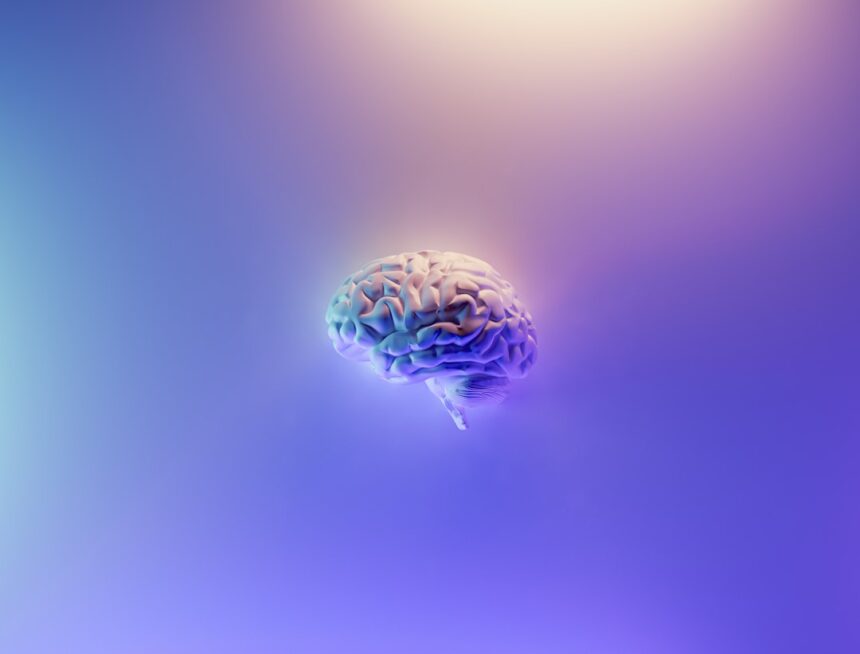
You’ve done something wrong. The realization descends, not as a roaring accusation, but as a dull, persistent ache. It’s a feeling you’ve become intimately familiar with, a shadow that clings to your conscience. This, you understand, is guilt. It’s a complex emotion, one that psychologists and neuroscientists have been diligently dissecting, and a significant part of what makes it so potent lies in its deep connection to social interaction. Your brain registers guilt not just as an abstract moral failing, but as a form of pain, a signal that your place within your social group is threatened.
Your brain, that intricate network of neurons, is constantly processing your actions and their potential consequences. Guilt emerges when you transgress a personal or societal norm, and your internal monitoring systems flag this transgression. It’s not a monolithic experience; the intensity and nature of guilt can vary dramatically depending on the severity of the offense, your personal values, and the context in which it occurred.
The Amygdala’s Alarm System
One of the key players in your emotional processing, the amygdala, is significantly involved in the experience of guilt. Think of it as your brain’s alarm system. When you perceive a threat, whether it’s a physical danger or a social one, your amygdala springs into action. In the case of guilt, it’s the perceived threat to your social standing or your relationship with others that triggers its response. This activation can lead to the physical sensations often associated with guilt – a knot in your stomach, a racing heart, a general sense of unease. The amygdala doesn’t simply react to the act itself; it’s also deeply sensitive to the potential social repercussions. It’s anticipating the disapproval, the disappointment, or even the rejection that might follow your actions. This anticipatory anxiety amplifies the unpleasantness of guilt, making it a powerful deterrent against future transgressions.
The Prefrontal Cortex: The Rationalizer and Regulator
While the amygdala provides the raw emotional signal, your prefrontal cortex (PFC) plays a crucial role in both understanding and managing guilt. The PFC is your executive control center, responsible for reasoning, planning, and decision-making. When you feel guilt, your PFC is engaged in evaluating the situation, assessing the harm caused, and contemplating the appropriate course of action. This part of your brain helps you understand why you feel guilty and what you can do to alleviate it, whether through apology, reparation, or self-reflection. However, the PFC is also involved in the very act of judging yourself, which can contribute to the ongoing nature of guilt. When you ruminate on your mistakes, your PFC is actively replaying the scenario, analyzing your motivations, and reinforcing the negative feelings. The balance between the amygdala’s emotional response and the PFC’s cognitive processing is what shapes your unique experience of guilt.
The Insula: The Seat of Your Internal State
Your insula, a region tucked deep within your cerebral cortex, is vital for interoception – your awareness of your body’s internal states. When you experience guilt, your insula is hard at work, translating the physiological signals from your amygdala and other limbic structures into the subjective feeling of unpleasantness. It’s the part of your brain that allows you to feel that sinking feeling in your gut, the flush of heat on your cheeks, or the tension in your shoulders. This intense awareness of your internal discomfort is a fundamental aspect of guilt, making it a deeply embodied emotion. The insula’s connection to social processing means that it also contributes to the feeling of shame, which often accompanies guilt, as it links your internal discomfort to your perception of how others see you.
Recent research in the neuroscience of guilt and social pain has shed light on the intricate ways our brains process these complex emotions. A related article discusses how social rejection can activate similar neural pathways as physical pain, highlighting the deep connection between our emotional and physical experiences. For more insights on this topic, you can read the article here: Unplugged Psych.
The Social Pain Connection: When Rejection Hurts Physically
You might have noticed that the sting of social exclusion, of being ostracized or betrayed, feels remarkably similar to physical pain. Neuroscience has confirmed this intuition. Your brain utilizes remarkably similar neural pathways to process both physical and social pain, a phenomenon that sheds light on the profound impact of guilt on your social well-being.
The Anterior Cingulate Cortex: The Shared Pain Network
The anterior cingulate cortex (ACC) is a key node in this shared pain network. When you stub your toe and feel pain, your ACC lights up. Curiously, when you feel the sharp pang of social rejection or exclusion, your ACC also shows increased activity. This finding suggests that your brain doesn’t necessarily differentiate between the type of threat, but rather registers it as an unwelcome and aversive experience. For guilt, this overlap is particularly relevant. When your actions lead to social disapproval or damage relationships, your ACC interprets this as a form of pain, motivating you to avoid the behavior that caused it and to seek reconciliation. This shared neural circuitry explains why social anxieties and feelings of loneliness can manifest with physical symptoms.
The Insula’s Role in Social Discomfort
As mentioned earlier, the insula is crucial for interoception, and this extends to your mental and emotional states. Your insula not only registers physical discomfort but also the distress associated with social situations. When you experience guilt, and that guilt stems from a fear of social judgment or isolation, your insula is actively involved in processing that discomfort. It’s the part of your brain that makes social slights feel truly unpleasant, and it’s intimately connected to the ACC, reinforcing the idea that social pain and physical pain share common neural underpinnings. This means that the feeling of guilt, especially when it’s tied to social bonds, can feel like a genuine hurt, a wound to your sense of belonging.
The Dorsal Prefrontal Cortex: Evaluating Social Threats
Beyond its role in reasoning, the dorsal prefrontal cortex (dPFC) is involved in evaluating the social significance of stimuli and monitoring social information. When dealing with guilt, your dPFC is likely engaged in assessing how your transgression is perceived by others and the potential ramifications for your social standing. If your actions have violated social norms or damaged trust, the dPFC helps you understand the threat this poses to your social connections, further fueling the pain associated with guilt. This region is crucial for understanding social hierarchies and the consequences of deviating from expected behaviors, making it central to the experience of guilt as a social regulator.
The Neurochemical Cocktail: Hormones and Neurotransmitters in Guilt
Your emotional experiences are not just about electrical signals; they are also profoundly influenced by a complex interplay of hormones and neurotransmitters. Guilt, as a potent emotion, is no exception. These chemical messengers play a vital role in shaping the intensity, duration, and even the subjective quality of your guilty feelings.
Oxytocin: The Social Bonding Hormone
Oxytocin, often dubbed the “love hormone” or “bonding hormone,” has a fascinating and multifaceted role in guilt. While typically associated with positive social interactions like trust and empathy, oxytocin also plays a role in modulating negative social emotions, including guilt. In some contexts, lower levels of oxytocin might be associated with a reduced capacity to feel guilt or remorse, potentially linked to antisocial behaviors. Conversely, when you feel guilty and are motivated to repair a damaged relationship, increased oxytocin can facilitate prosocial behaviors such as empathy and reconciliation. It’s as if oxytocin helps you re-engage with the social fabric, making you more attuned to the needs and feelings of those you may have wronged.
Serotonin: Mood Regulation and Impulsivity
Serotonin is a neurotransmitter widely recognized for its impact on mood regulation, sleep, and appetite. Its influence on guilt is complex. Lower levels of serotonin have been linked to increased impulsivity and aggression, which could, in turn, lead to actions that provoke guilt. On the other hand, balanced serotonin levels are crucial for emotional stability and impulse control. When you manage to resist an urge that would lead to guilt, it’s partly thanks to the regulatory functions of serotonin. It helps temper your impulses, allowing your more reasoned prefrontal cortex to guide your behavior, thus preventing the cascade of guilt-inducing actions.
Cortisol: The Stress Response
When you’re grappling with guilt, your body often experiences a stress response, and cortisol is a primary hormone involved. Prolonged feelings of guilt can lead to elevated cortisol levels, which can have detrimental effects on your physical and mental health. This chronic stress response is your body’s way of signaling that something is wrong and needs attention. The persistent activation of the stress system due to unresolved guilt can contribute to anxiety, sleep disturbances, and a weakened immune system. Your brain is essentially stuck in a heightened state of alert, constantly on edge because of the internal conflict and the perceived threat to your social standing.
The Evolutionary Advantage of Guilt: A Social Glue
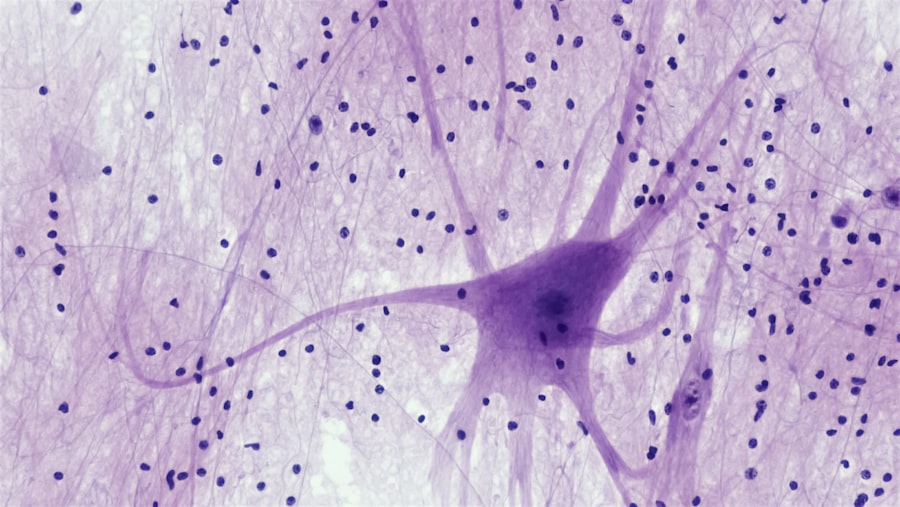
From an evolutionary perspective, guilt might seem like an undesirable burden. However, its persistence suggests it serves a critical function for the survival and success of individuals within social groups. Your capacity for guilt, deeply rooted in your neurobiology, has likely been a crucial factor in the development of complex human societies.
Maintaining Social Cohesion
Gaps within social groups can be detrimental to individual survival. Guilt acts as a powerful internal mechanism that discourages behaviors that could lead to ostracism or harm to the group. When you feel guilty, it’s a signal that your actions are potentially damaging to your social bonds, thus motivating you to mend them. This internal regulator helps maintain trust, cooperation, and stability within a community. Without this capacity to feel remorse, individuals might be more prone to selfish or harmful acts, jeopardizing the collective good and, ultimately, their own long-term well-being.
Promoting Prosocial Behavior and Reciprocity
Guilt’s influence extends beyond simply preventing negative actions; it also actively promotes prosocial behavior. The desire to alleviate guilt often drives you to make amends, apologize, or engage in acts of kindness and generosity towards those you’ve wronged. This cycle of transgression, guilt, and reparation strengthens social bonds and fosters a sense of reciprocity within a group. Your brain is wired to seek positive social interactions, and guilt, by prompting reparative actions, helps re-establish those positive connections. This reinforces the idea that your social relationships are valuable and worth investing in, even after errors have been made.
The Role of Empathy in Guilt
Your capacity for empathy, the ability to understand and share the feelings of another, is intrinsically linked to guilt. When you can put yourself in the shoes of the person you’ve harmed, their pain becomes your pain, amplifying the guilt you feel. Neuroscience suggests that specific mirror neuron systems are involved in empathy, and their activation when witnessing another’s suffering can contribute significantly to your guilty response. This empathic link ensures that your guilt is not just a self-centered feeling but is grounded in an understanding of the impact of your actions on others, further solidifying its role as a social regulator.
Recent studies in the neuroscience of guilt and social pain have revealed fascinating insights into how our brains process these complex emotions. For those interested in exploring this topic further, an insightful article can be found at Unplugged Psych, which delves into the connections between emotional experiences and neurological responses. Understanding these relationships not only enhances our comprehension of human behavior but also sheds light on the underlying mechanisms that drive our social interactions.
The Path Forward: Managing Guilt Through Neuroscience Insights
| Study | Findings |
|---|---|
| Neurobiological correlates of social pain | Activation in the anterior cingulate cortex and anterior insula during experiences of social pain. |
| Neural basis of guilt processing | Increased activity in the medial prefrontal cortex and anterior cingulate cortex during guilt processing. |
| Impact of guilt on behavior | Neuroimaging studies show that guilt can influence decision-making and prosocial behavior. |
Understanding the neurobiological underpinnings of guilt doesn’t erase the feeling, but it can offer insights into how you can better manage it. By recognizing the physical and emotional toll guilt can take, and by understanding the brain mechanisms at play, you can develop more effective coping strategies.
Cognitive Reappraisal and Reframing
Your prefrontal cortex, which plays a role in rationalizing and regulating emotions, can be harnessed to manage guilt. Instead of dwelling on the negative impact of your actions, you can engage in cognitive reappraisal. This involves consciously choosing to see the situation differently, focusing on lessons learned rather than solely on the failure. By reframing guilt as an opportunity for growth and for strengthening your moral compass, you can reduce its debilitating effects. This might involve acknowledging the mistake, understanding its roots, and committing to different behavior in the future, thereby moving from rumination to constructive reflection.
Mindfulness and Self-Compassion
Practices like mindfulness and self-compassion can be incredibly beneficial in managing guilt. Mindfulness involves paying attention to your thoughts and feelings in the present moment without judgment. By observing your guilty thoughts without getting swept away by them, you can begin to create a space between the feeling and your reaction to it. Self-compassion involves treating yourself with the same kindness and understanding you would offer a friend who is struggling. Recognizing that everyone makes mistakes and that you are not defined by your worst moments can significantly alleviate the intensity of guilt. Neuroscience suggests that self-compassion practices can reduce activity in brain regions associated with self-criticism and increase activity in areas linked to emotional regulation and positive affect.
Seeking Social Support and Repairing Relationships
Given guilt’s potent social dimension, seeking support from trusted friends, family members, or a therapist can be invaluable. Talking about your feelings can help you process them and gain new perspectives. Furthermore, the drive to repair relationships fractured by guilt is often the most constructive way to alleviate its burden. Engaging in sincere apologies, making amends, and demonstrating genuine change in behavior can not only reduce your inner turmoil but also rebuild trust and strengthen social connections. This active process of repair, guided by your understanding of the social pain associated with guilt, can be a powerful antidote to its negative effects.
FAQs
What is the neuroscience of guilt?
The neuroscience of guilt refers to the study of how guilt is processed in the brain. It involves understanding the neural mechanisms and pathways involved in experiencing and processing feelings of guilt.
How does the brain process guilt?
The brain processes guilt through the activation of specific regions, such as the anterior cingulate cortex and the insula. These regions are involved in emotional processing, decision-making, and self-reflection, and they play a key role in the experience of guilt.
What is social pain in the context of neuroscience?
Social pain, in the context of neuroscience, refers to the emotional distress and discomfort that arises from social rejection, exclusion, or feelings of being socially isolated. It is often associated with the same neural pathways and regions involved in processing physical pain.
How does guilt relate to social pain in the brain?
Guilt can contribute to social pain in the brain by activating similar neural pathways and regions involved in processing social rejection and exclusion. The experience of guilt can lead to feelings of social isolation and emotional distress, similar to those experienced in response to social pain.
What are the implications of understanding the neuroscience of guilt and social pain?
Understanding the neuroscience of guilt and social pain can have implications for mental health interventions, social relationships, and emotional well-being. It can inform therapeutic approaches for addressing guilt and social pain, as well as contribute to a deeper understanding of the impact of social interactions on brain function and emotional experiences.