Closing the Neurological Empathy Gap: Understanding and Bridging Differences
You’ve likely experienced it. That moment when you’re explaining something deeply important to you, pouring your heart out, and the other person’s eyes glaze over. They nod, perhaps offer a platitude, but the understanding isn’t there. It’s not malice, not deliberate indifference, but a chasm that feels insurmountable. This, in essence, is the neurological empathy gap – the space where your internal experience diverges so significantly from another’s that a genuine, felt connection becomes elusive. This gap isn’t always about grand philosophical differences; it often manifests in everyday interactions, stemming from the very architecture of your brains and the unique landscapes of your lived experiences. Understanding this gap, not as a flaw in either party but as a product of biological diversity, is the first step towards bridging it.
The challenge lies not in a deficiency of empathy, but in its variability. Your capacity for empathy, like your height or your taste in music, exists on a spectrum. For some, the neural pathways for understanding and mirroring others’ emotions are robustly developed. For others, these pathways might be less prominent, or perhaps they are wired to prioritize different types of information. This isn’t a judgment; it’s an acknowledgment of neurodiversity. When you encounter someone whose emotional processing, observational styles, or communication methods are markedly different from your own, the empathetic connection can falter. Your attempts to convey your internal state might land like foreign transmissions, their meaning distorted or lost in translation. Recognizing this inherent difference is crucial; it shifts the focus from assigning blame to seeking understanding.
This article will delve into the neurological underpinnings of empathy, exploring the various factors that contribute to the empathy gap. We will examine how individual differences in brain structure and function can influence our ability to connect with others, and then explore practical strategies you can employ to navigate these differences and foster stronger, more meaningful relationships. The goal is not to homogenize human experience but to equip you with the tools to appreciate and bridge the inherent diversity within it.
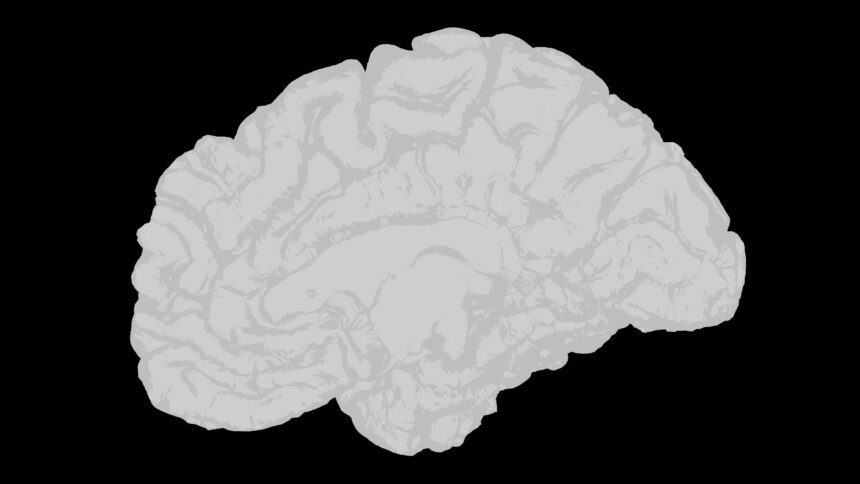
Empathy is not a single, monolithic ability. It’s a complex interplay of cognitive and affective processes, orchestrated by intricate neural networks. When you witness someone else’s joy, pain, or frustration, your brain doesn’t just passively observe it. Rather, it engages in a sophisticated process of simulation and interpretation. This involves areas like the mirror neuron system, which fires both when you perform an action and when you observe someone else performing the same action, and the anterior insula and anterior cingulate cortex, which are involved in processing emotions and bodily states. Understanding these fundamental biological mechanisms is key to appreciating why empathy can be so varied.
Mirroring and Simulation: The Body’s Role
The mirror neuron system is often cited as a cornerstone of empathy. When you see someone wince in pain, your own motor cortex might activate in a way that simulates that wincing. This neural mirroring allows you to internally “feel” a resonance with the other person’s experience, even if it’s a muted echo. This is not about fully experiencing their pain, but about gaining a somatic understanding, a bodily intuition of what they might be going through. The intensity and extent of this mirroring can vary significantly from person to person, influenced by genetics, developmental experiences, and even current emotional states. Some individuals have a more pronounced mirror neuron response, leading to a more immediate and visceral understanding of others’ physical and emotional states. Others, through different neurological wiring or life experiences that have perhaps reinforced the need for emotional regulation, might have a less reactive mirroring system. This difference can contribute to the empathy gap, where one person might feel a palpable connection to another’s distress, while the other might observe it with a more detached cognitive appraisal.
Cognitive vs. Affective Empathy: Two Sides of the Same Coin
Empathy is often broadly categorized into two main types: cognitive and affective. Cognitive empathy refers to your ability to understand another person’s perspective and mental state. It’s the intellectual component – the ability to reason about what someone else might be thinking or feeling. Affective empathy, on the other hand, is the emotional aspect – your ability to feel with someone, to share their emotions. These two facets are not always perfectly aligned. Some individuals might be highly skilled at cognitively understanding a situation and predicting someone’s reaction, but struggle to connect emotionally. Conversely, others might be deeply moved by another’s feelings but find it difficult to articulate or even fully understand the underlying reasons for those emotions. This divergence can create misunderstandings. You might exhaust yourself trying to logically explain your feelings to someone who primarily operates on an affective level, or you might expect someone who is excellent at cognitive empathy to naturally share your emotional resonance. Recognizing these distinct components within yourself and others allows for a more nuanced approach to communication and connection.
The Role of the Amygdala and Prefrontal Cortex
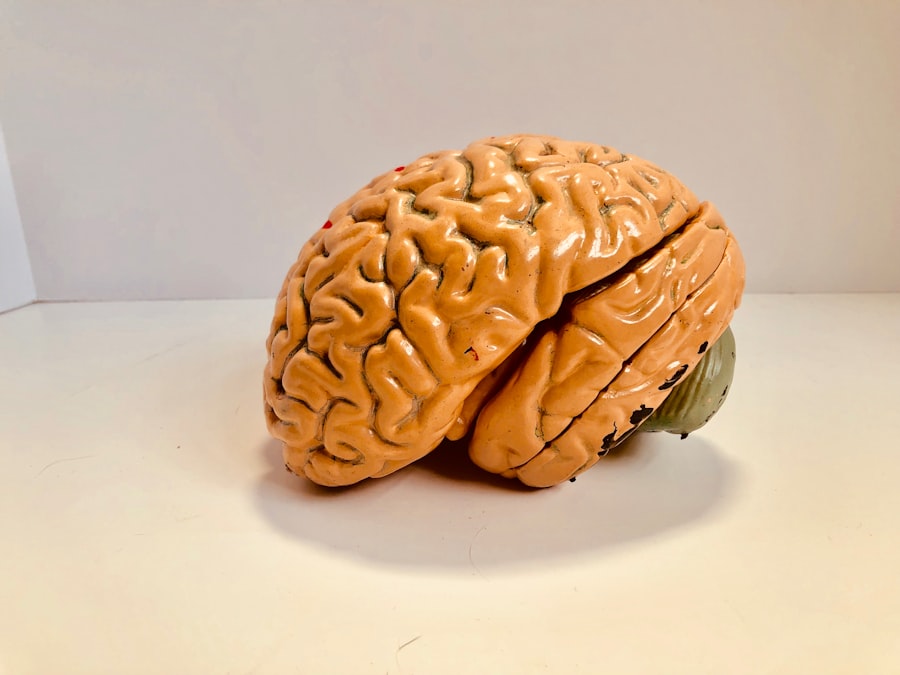
Beyond mirror neurons, other brain regions play critical roles. The amygdala, often associated with processing fear and threat, is also involved in recognizing emotional cues in others, particularly facial expressions and vocal tones. A more active or sensitive amygdala might lead to a heightened awareness of others’ emotional states, particularly distress. The prefrontal cortex, responsible for higher-level cognitive functions like decision-making, planning, and regulating emotions, is crucial for modulating empathy. It helps you interpret emotional signals within a broader context, manage your own emotional responses so you don’t become overwhelmed, and decide how to respond appropriately. Differences in the size, connectivity, or activity of these areas can profoundly shape your empathetic landscape. For instance, variations in prefrontal cortex development might influence an individual’s ability to regulate their emotional reactions, leading to differences in how they express or process empathy. Someone with a more robust prefrontal cortex might be more adept at stepping back, analyzing a situation, and responding thoughtfully, while someone with a less developed or differently functioning area might react more impulsively or intensely.
To effectively address the neurological empathy gap, it is essential to explore various strategies that can enhance our understanding and connection with others. A related article that delves into this topic is available at Unplugged Psych, which offers insights on bridging the empathy gap through practical techniques and psychological principles. You can read more about it by visiting Unplugged Psych. This resource provides valuable information on fostering empathy in both personal and professional relationships, ultimately contributing to a more compassionate society.
Factors Contributing to the Neurological Empathy Gap
The neurological landscape is not uniform. Individual differences in genetics, development, and even subtle variations in brain wiring create a rich tapestry of human experience, and consequently, a diverse range of empathetic responses. Acknowledging these inherent variations is the precursor to effective understanding and bridging.
Genetic Predispositions and Neurodiversity
Your genetic makeup provides the blueprint for your brain’s development, and this blueprint includes predispositions that can influence your empathetic tendencies. While no single gene “codes” for empathy, a complex interplay of genes contributes to the formation and function of neural circuits involved in social cognition and emotional processing. Neurodiversity, a concept that recognizes that variations in brain function are natural and normal, is particularly relevant here. Individuals on the autism spectrum, for instance, often exhibit differences in social communication and interaction, which can manifest as challenges in interpreting social cues or understanding others’ perspectives. It’s crucial to understand that this is not a lack of empathy, but often a different way of processing and expressing it. Similarly, conditions like ADHD can affect executive functions, which in turn can impact the ability to focus on social cues or regulate responses. These are not deficits, but simply different neurological configurations. When you encounter someone whose neurotype is different from your own, their empathetic expression might appear unconventional, leading to an apparent gap.
Developmental Experiences: Shaping the Empathetic Brain
Your early life experiences are indelibly etched into your neural pathways, shaping your capacity for empathy. The quality of your early relationships, the environments you grew up in, and the opportunities you had for social learning all play a significant role. Secure attachment to caregivers, for example, fosters a sense of safety and trust that is foundational for developing robust empathetic abilities. Conversely, experiences of neglect, trauma, or inconsistent care can hinder the development of these circuits. This doesn’t mean that individuals with difficult childhoods are incapable of empathy, but their empathetic responses might be shaped by a need for vigilance or a tendency to focus on self-preservation, which can sometimes be misinterpreted. Furthermore, the prevalence of social interaction and the modeling of empathetic behavior in childhood are critical. If you grew up in an environment where emotions were rarely discussed or acknowledged, or where empathetic responses were not modeled, your own capacity to understand and express empathy might be less developed, regardless of your underlying neurological potential.
Life Experiences and Emotional “Calibration”
As you navigate life, your experiences continue to “calibrate” your emotional responses and your understanding of others. Repeated exposure to certain situations can desensitize you to particular stimuli, while novel or intense experiences can heighten your sensitivity. This can lead to a phenomenon where your internal “gauge” for certain emotions might be set differently than someone else’s. For example, someone who has experienced significant personal loss might be hyper-vigilant to signs of grief in others, while someone who has not had such an experience might be less attuned to subtle expressions of sadness. This difference isn’t about being more or less empathetic, but about having a different set of reference points and a differently calibrated emotional compass. Moreover, your cultural background and social conditioning profoundly influence how emotions are expressed, interpreted, and valued, further contributing to these variations. Understanding that these “calibrations” are the result of lived experience, not inherent flaws, is essential for bridging divides.
Bridging the Gap: Strategies for Enhanced Understanding

Recognizing the neurological diversity of empathy is the first crucial step. The next is to actively implement strategies that foster connection and understanding across these inherent differences. This requires conscious effort, a willingness to adapt your approach, and a commitment to seeing the world through another’s lens.
Active Listening: Beyond Hearing the Words
True listening is a skill that goes far beyond simply allowing sound waves to enter your auditory canals. It involves making a conscious effort to fully concentrate, understand, respond, and remember what is being said, both verbally and non-verbally. When you are actively listening to someone, you are not just waiting for your turn to speak; you are seeking to grasp their perspective, their underlying emotions, and their intended meaning. This involves reducing distractions, both external and internal, and focusing on the speaker. It means paying attention to their tone of voice, their body language, and the nuances of their word choices. Moreover, active listening involves asking clarifying questions to ensure you are understanding correctly and reflecting back what you’ve heard to confirm comprehension. This practice can be particularly vital when you suspect a neurological empathy gap is at play, as it provides a structured way to gather information and demonstrate your commitment to understanding.
Clarification and Validation: Seeking to Understand
When engaging with someone whose perspective or emotional expression differs from your own, don’t shy away from asking clarifying questions. Instead of assuming you understand, phrases like “What I hear you saying is…” or “Could you tell me more about how that made you feel?” can open doors to deeper understanding. Validation is equally important. It’s not about agreeing with everything someone says or does, but about acknowledging the validity of their feelings and experiences. Statements like “It makes sense that you would feel frustrated in that situation” or “I can see why that would be upsetting for you” can go a long way in making the other person feel heard and understood, even if you don’t share their emotional response. This creates a safe space for open communication and reduces the likelihood of misunderstandings escalating.
Non-Verbal Communication: Reading the Unspoken
While verbal communication is crucial, a significant portion of our communication is non-verbal. This includes body language, facial expressions, tone of voice, and even physical proximity. For individuals who may have challenges with verbal expression or interpreting social cues, paying close attention to these non-verbal signals can offer invaluable insights. Conversely, if you tend to be more direct or less expressive non-verbally, making a conscious effort to incorporate clearer gestures or more congruent facial expressions can help bridge the gap. It’s about becoming a more attuned observer of the subtle cues that others are sending, and also becoming more mindful of the signals you yourself are transmitting. This requires practice and self-awareness, but the rewards in terms of enhanced connection and reduced misunderstandings are substantial.
Perspective-Taking: Stepping into Another’s Shoes
Perspective-taking is a cognitive skill that allows you to imagine yourself in another person’s situation and view the world from their vantage point. This is a deliberate act of shifting your focus from your own internal experience to that of another. It involves trying to understand their motivations, their beliefs, their values, and the circumstances that are shaping their behavior and emotions. This can be challenging, especially when their experiences are vastly different from your own. However, by consciously trying to “walk a mile in their shoes,” you can begin to understand the logic and emotional context behind their actions and reactions, even if you don’t agree with them. Embracing this process fosters a deeper appreciation for the diversity of human experience and can dismantle preconceived notions that might be contributing to the empathy gap.
Imagining Motivations and Beliefs
When you encounter a behavior or an opinion that baffles you, try to spend time considering the potential motivations and underlying beliefs that might be driving it. Ask yourself: What experiences might have shaped this person’s worldview? What values are they likely prioritizing? What fears or hopes might be influencing their actions? This is not about excusing or condoning, but about seeking to comprehend. This intellectual exercise can be incredibly powerful in humanizing individuals and revealing the complex tapestry of factors that influence behavior. It allows you to move beyond superficial judgments and engage with a more nuanced understanding.
Considering External and Internal Factors
It’s easy to attribute someone’s behavior solely to their personality or intent. However, it’s crucial to consider the broader context. Were they under undue stress? Were they facing external pressures you weren’t aware of? Were they dealing with personal challenges that might be impacting their emotional state? By taking into account both external environmental factors and internal physiological or psychological states, you can develop a more holistic and compassionate understanding of their actions. This approach helps you avoid making hasty judgments and opens the door to more constructive conversations.
Communicating Your Own Needs and Experiences Clearly
Bridging the empathy gap is a two-way street. It requires not only understanding others but also effectively communicating your own needs and experiences. When you clearly articulate your feelings, intentions, and boundaries, you provide the other person with the information they need to connect with you. This means being direct, honest, and using “I” statements to express your perspective without assigning blame.
Using “I” Statements: Owning Your Experience
Phrases like “I feel [emotion] when [situation occurs] because [reason]” are incredibly powerful. For example, instead of saying “You always interrupt me,” you can say “I feel frustrated when I’m interrupted because it makes me feel like my thoughts aren’t being heard.” This focuses on your personal experience and reduces the likelihood of the other person becoming defensive. “I” statements are not about making accusations; they are about expressing your subjective reality in a way that is digestible and less confrontational. This allows the other person to understand the impact of their actions or words on you without feeling attacked.
Setting Boundaries: Protecting Your Well-being
Clearly defined boundaries are essential for healthy relationships and for managing your own emotional well-being. When you communicate your boundaries, you are setting expectations for how you want to be treated and what you are willing to accept. This is not a sign of selfishness but of self-respect. It provides crucial information to others about how to interact with you effectively and respectfully, which in turn can reduce misunderstandings and emotional friction. For instance, if you need quiet time to recharge, communicating that boundary – “I need some quiet time to decompress for a bit” – helps others understand your needs and avoid unintended intrusions.
Navigating Difficult Conversations and Conflict
Disagreements are inevitable, but the way you navigate them can either widen or close the empathy gap. Approaching conflict with a focus on understanding and resolution, rather than victory, is paramount.
Finding Common Ground: Shared Values and Goals
Even in the midst of disagreement, there are often shared values or overarching goals that you can identify. Focusing on these commonalities can create a foundation for a more constructive conversation. When you can articulate what you both care about, even if your approaches differ, it reminds you of your shared humanity and your mutual desire for a positive outcome. This shifts the dynamic from an adversarial stance to a collaborative one, where you are working together to achieve a shared objective.
Identifying Mutual Interests
Before diving into the contentious points, take the time to identify what it is you both genuinely want to achieve. Do you both want a harmonious work environment? Do you both want your child to succeed? Do you both aim for a healthy romantic relationship? By highlighting these mutual interests, you create a sense of shared purpose, which can be a powerful motivator for compromise and understanding. This is not about ignoring the differences, but about grounding the conversation in a shared desire for something positive.
De-escalation Techniques: Maintaining Calm and Respect
When emotions run high, the neurological empathy gap can feel insurmountable. Employing de-escalation techniques is crucial for maintaining a productive dialogue and preventing the conversation from devolve into unproductive conflict. This involves remaining calm, speaking in a measured tone, and avoiding inflammatory language.
The Power of Pauses and Deep Breathing
When you feel your own emotions rising or sensing the other person becoming agitated, taking a deliberate pause can be incredibly effective. This brief moment allows you to collect your thoughts, regulate your emotional response, and prevent yourself from reacting impulsively. Coupled with deep, conscious breathing, these pauses can create a space for rational thought to re-emerge, allowing for a more measured and empathetic response. It’s a simple yet powerful tool for self-regulation that benefits both you and the person you are communicating with.
“Circuit Breakers”: Stepping Away if Necessary
Sometimes, despite your best efforts, a conversation can become too heated or unproductive. Recognizing when to implement a “circuit breaker” – a mutually agreed-upon temporary cessation of the discussion – is a sign of maturity and a commitment to eventual resolution. This isn’t about avoidance, but about creating a necessary cooling-off period. Agreeing to revisit the conversation at a later time, after emotions have settled, allows for a more constructive and empathetic approach when you both return to the topic. This demonstrates respect for both your own emotional well-being and the need for a productive outcome.
Closing the neurological empathy gap is essential for fostering deeper connections and understanding among individuals. A related article that explores strategies to enhance empathy can be found at this link. By implementing the techniques discussed, individuals can work towards bridging the divide that often hinders emotional resonance and compassion in our interactions.
The Ongoing Journey of Empathy
| Neurological Empathy Gap Metrics | Explanation |
|---|---|
| Empathy Training | Number of individuals who have undergone empathy training programs |
| Neuroscientific Research | Studies conducted to understand the neurological basis of empathy gap |
| Empathy Levels | Percentage increase in empathy levels after interventions |
| Behavioral Changes | Observable changes in behavior towards bridging the empathy gap |
Closing the neurological empathy gap is not a destination but a continuous process. It requires ongoing self-awareness, a commitment to learning, and a willingness to adapt your approach as you encounter new individuals and situations. The beauty of human connection lies in its complexity and diversity, and by embracing this, you can foster deeper understanding and more meaningful relationships.
Cultivating Lifelong Learning and Adaptability
Your understanding of empathy and your ability to connect with others will evolve throughout your life. Embrace this as a journey of lifelong learning. Be open to new perspectives, be willing to question your own assumptions, and be adaptable in your communication style. The more you practice these skills, the more adept you will become at navigating the complexities of human interaction and bridging the neurological empathy gap. This journey is about growth, about becoming a more nuanced and compassionate individual.
The Value of Neurodiversity in Fostering Empathy
Recognizing and celebrating neurodiversity is not merely an academic pursuit; it is a practical approach to fostering stronger and more inclusive communities. By understanding that differences in neurological wiring are normal and valuable, you can begin to appreciate the unique strengths and perspectives that each individual brings. This appreciation can, in turn, create a more fertile ground for empathy to flourish, as you move beyond a singular definition of what it means to understand and connect with another. Embracing neurodiversity means recognizing that empathy itself can and should manifest in a multitude of ways.
Your commitment to understanding the neurological empathy gap is a step towards a more connected and compassionate world. By acknowledging the biological underpinnings of our differences, embracing strategies for enhanced understanding, and committing to an ongoing journey of learning, you can actively work to bridge these divides, one interaction at a time. This focus on understanding, rather than uniformity, is the true pathway to deeper human connection.
FAQs
What is the neurological empathy gap?
The neurological empathy gap refers to the phenomenon where individuals have difficulty understanding or relating to the emotions and experiences of others due to differences in brain activity and functioning.
What are the causes of the neurological empathy gap?
The neurological empathy gap can be caused by various factors, including differences in brain structure and function, past experiences, cultural influences, and individual personality traits.
How can the neurological empathy gap be closed?
The neurological empathy gap can be closed through practices such as mindfulness meditation, cognitive behavioral therapy, empathy training, and engaging in activities that promote perspective-taking and understanding of others’ emotions and experiences.
What are the potential benefits of closing the neurological empathy gap?
Closing the neurological empathy gap can lead to improved social relationships, increased emotional intelligence, better communication skills, and a greater sense of connection and understanding with others.
Are there any potential challenges in closing the neurological empathy gap?
Challenges in closing the neurological empathy gap may include individual resistance to change, ingrained biases and prejudices, and the need for ongoing effort and practice to maintain empathetic behaviors and attitudes.