
You might be familiar with the advice to “eat your protein first.” It’s a common strategy in dietary circles, often touted as a simple yet effective way to manage hunger and improve body composition. But the impact of this seemingly straightforward approach extends beyond mere satiety. It touches upon a fundamental aspect of your physiological and psychological well-being: metabolic drift. Understanding how prioritizing protein influences your metabolic processes and, in turn, your mental state, is crucial for long-term health. This article will delve into the science behind “protein first” and explore the concept of metabolic drift psychology, illuminating their interconnectedness and their profound impact on your health.
You often hear about protein as the building block of muscles, and that’s certainly true. However, its role in your body is far more expansive and intricate. Protein is not just for biceps; it’s for virtually every cell and function you possess.
Macronutrient Significance
Protein occupies a unique position among the macronutrients (carbohydrates, fats, and protein). While both carbohydrates and fats are primarily energy sources, protein’s primary function is structural and enzymatic. This distinction is vital when considering dietary strategies because the body processes these macronutrients differently, with varying downstream effects.
Energy vs. Building Blocks
When you consume carbohydrates, your body largely breaks them down into glucose for immediate energy or stores it as glycogen. Fats are utilized for sustained energy and structural purposes. Proteins, on the other hand, are composed of amino acids, which are used for a multitude of critical tasks, including:
- Tissue Repair and Growth: This is the most widely recognized function. Whether you’re recovering from exercise, healing from an injury, or simply maintaining existing tissues, amino acids are the essential components.
- Enzyme Production: Enzymes are biological catalysts that drive thousands of chemical reactions in your body, from digestion to metabolism. Without sufficient protein, enzyme function can be compromised.
- Hormone Synthesis: Many hormones, which regulate everything from mood to metabolism, are protein-based. Insulin, growth hormone, and many neurotransmitters fall into this category.
- Immune Function: Antibodies, the key players in your immune system, are proteins. A robust immune response relies on adequate protein intake.
- Transport and Storage: Proteins like hemoglobin transport oxygen, while others manage the storage and movement of molecules throughout your body.
The sheer breadth of these functions underscores why protein isn’t just another calorie source; it’s a cornerstone of your physiological architecture.
Protein Synthesis and Breakdown
Your body is in a constant state of flux, a dynamic equilibrium of building up (anabolism) and breaking down (catabolism) tissues. Protein synthesis and breakdown are central to this process.
Anabolic vs. Catabolic States
When you consume adequate protein, particularly after periods of stress or exertion, you promote an anabolic state, favoring tissue growth and repair. Conversely, insufficient protein intake, especially alongside prolonged periods of fasting or intense physical activity, can lead to a catabolic state, where your body breaks down existing tissue (including muscle) to meet its amino acid demands.
The Impact of Incomplete Protein Intake
Not all proteins are created equal in terms of their amino acid profiles. Complete proteins contain all nine essential amino acids that your body cannot produce on its own. Incomplete proteins are deficient in one or more of these essential amino acids. While your body can combine amino acids from different food sources throughout the day to create complete protein profiles, consistent reliance on incomplete protein sources can hinder optimal protein synthesis.
Satiety and Appetite Regulation
One of the most immediate and noticeable effects of protein consumption is its impact on your appetite. Protein is known to be the most satiating macronutrient.
Hormonal Influences on Hunger
When you eat protein, several hormones are released that signal fullness to your brain. These include:
- Leptin: Often called the “satiety hormone,” leptin is produced by fat cells and signals to the hypothalamus that you have sufficient energy stores. Protein intake can influence leptin sensitivity.
- Peptide YY (PYY): Released from the intestines in response to nutrient intake, PYY reduces appetite and slows gastric emptying. Protein triggers a significant release of PYY.
- Glucagon-like peptide-1 (GLP-1): Also secreted by the intestines, GLP-1 slows gastric emptying, enhances insulin secretion, and also promotes satiety. Protein is a strong stimulator of GLP-1.
- Cholecystokinin (CCK): Released from the small intestine, CCK aids in digestion and also signals fullness to the brain. Protein is a potent trigger for CCK release.
Conversely, carbohydrates, especially refined ones, tend to lead to quicker spikes and subsequent crashes in blood sugar, which can trigger hunger signals sooner.
Nutrient Density and Thermic Effect
Protein is also more nutrient-dense than many other food groups. This means it provides a higher proportion of essential nutrients relative to its calorie content. Furthermore, protein has a higher thermic effect of food (TEF) than carbohydrates or fats. TEF is the energy your body expends to digest, absorb, and metabolize food. This increased energy expenditure further contributes to a feeling of fullness and can indirectly influence your overall calorie balance.
In exploring the intricate relationship between nutrition and psychological well-being, a fascinating article discusses the concept of metabolic drift and its implications for mental health. This piece highlights how protein intake can influence brain function and mood regulation, shedding light on the biochemical pathways that connect diet and psychological states. For further insights into this topic, you can read the full article here: Unplugged Psychology.
The Concept of Metabolic Drift
Your metabolism isn’t a static engine; it’s a dynamic system that responds to various internal and external cues. Metabolic drift refers to the gradual and often insidious shifts in your body’s metabolic processes that occur over time due to consistent dietary habits, activity levels, and stress. These shifts can lead to suboptimal functioning, impacting everything from energy levels to weight management and even your mood.
Homeostasis and Adaptation
Your body is constantly striving for homeostasis – a state of internal balance. However, prolonged exposure to certain conditions can lead to adaptations that, while initially neutral, can become detrimental if not managed. Metabolic drift is largely a consequence of these adaptations.
The Body’s Response to Chronic Stressors
Think of your metabolism as an adaptive organism. When you repeatedly expose it to similar stimuli, it learns to operate more efficiently for those specific stimuli. This can be beneficial in some contexts, like adapting to exercise. However, if the chronic stressor is, for instance, a consistently low protein intake paired with high carbohydrate intake, your metabolism might adapt by becoming more efficient at storing fat and less efficient at utilizing it for fuel, or by becoming more reliant on rapid glucose fluctuations for energy.
Fluctuations in Hormonal Balances
Metabolic drift often involves subtle but persistent alterations in hormone levels. These can include changes in:
- Insulin Sensitivity: Chronic high carbohydrate intake can lead to insulin resistance, where your cells become less responsive to insulin, making it harder for glucose to enter cells for energy and leading to increased fat storage.
- Thyroid Hormone Levels: Stress, overtraining, or severe calorie restriction can impact thyroid hormone production and conversion, affecting your basal metabolic rate.
- Cortisol Levels: Chronic stress elevates cortisol, a hormone that can promote fat storage, particularly in the abdominal region, and break down muscle tissue.
These hormonal shifts, driven by your metabolic adaptations, contribute to the overall “drift” away from a metabolically flexible and resilient state.
The Influence of Macronutrient Imbalances
The proportion of carbohydrates, fats, and proteins you consume has a significant impact on how your metabolism operates on a day-to-day basis and over the long term.
Carbohydrate Dominance and Metabolic Flexibility
A diet heavily reliant on carbohydrates, especially refined and simple carbohydrates, can lead to a metabolic state where your body becomes highly dependent on glucose for energy. This often results in:
- Reduced Fat Oxidation: Your body becomes less adept at tapping into fat stores for fuel.
- Blood Sugar Volatility: You experience more pronounced spikes and drops in blood sugar, leading to energy crashes and cravings.
- Increased Lipogenesis: Your body becomes more inclined to convert excess energy into fat.
This scenario makes you vulnerable to experiencing significant metabolic drift toward a less flexible and potentially unhealthy state.
The Role of Fat and Protein in Metabolic Balance
While fats are essential energy sources, excessive intake, particularly of unhealthy fats, can also contribute to metabolic drift. However, protein’s role is particularly unique. As previously discussed, protein’s impact on satiety and its thermic effect can help regulate appetite and energy expenditure, acting as a buffer against some of the negative consequences of carbohydrate dominance.
Sedentary Lifestyles and Metabolic Health
The modern sedentary lifestyle is a major contributor to metabolic drift. Reduced physical activity means your body expends less energy, and its metabolic machinery may not be adequately stimulated to maintain optimal function.
Decreased Energy Expenditure
When you’re not moving much, your overall daily energy expenditure is lower. This means that even a modest calorie intake can lead to a calorie surplus, contributing to weight gain and the associated metabolic derangements.
Reduced Muscle Mass
Lack of physical activity often leads to a gradual loss of muscle mass. Muscle is metabolically active tissue, meaning it burns more calories at rest than fat. A decrease in muscle mass further lowers your basal metabolic rate, exacerbating the effects of reduced energy expenditure.
Impaired Insulin Sensitivity
Sedentary behavior is strongly linked to decreased insulin sensitivity. Your muscles are a primary site for glucose uptake in response to insulin. When muscles are underutilized, they become less responsive to insulin’s signal, contributing to blood sugar control issues.
Protein First: A Strategy to Counteract Drift
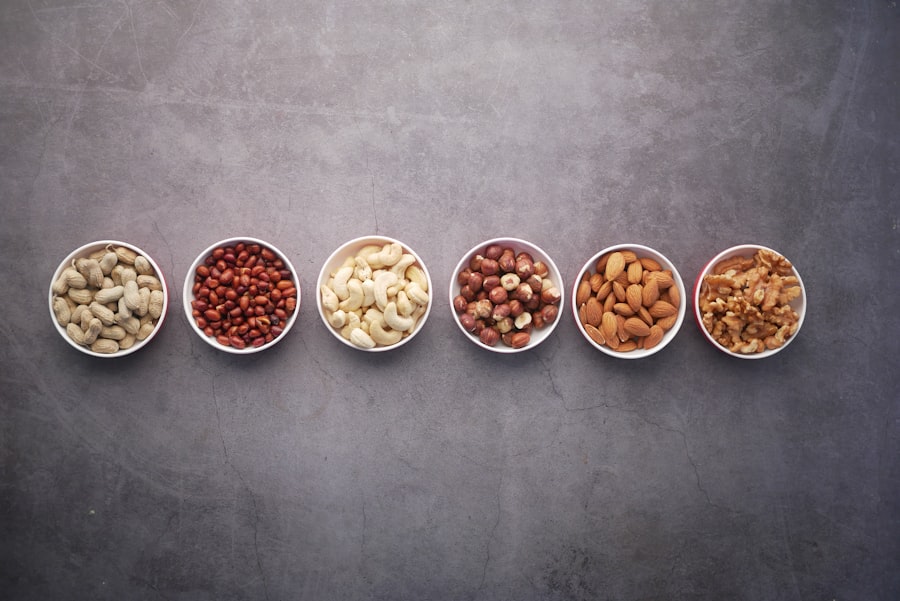
The simple act of consciously prioritizing protein at the beginning of your meals can be a powerful tool in mitigating metabolic drift. This isn’t about restrictive dieting; it’s a strategic dietary cue that influences physiological and psychological responses.
Satiety Signals and Meal Composition
By front-loading your protein intake, you trigger those potent satiety hormones earlier in your meal. This can significantly influence your subsequent food choices.
Reduced Overall Calorie Intake
When you feel fuller earlier, you’re less likely to overconsume calories throughout the rest of your meal or in subsequent snacking. This creates a natural tendency toward a calorie deficit or maintenance, which is crucial for preventing weight gain and its associated metabolic drift.
Mindful Eating and Portion Control
The “protein first” approach encourages a more mindful approach to eating. As you focus on consuming your protein source, you become more attuned to your body’s signals of fullness, making it easier to recognize when you’ve had enough. This can lead to better portion control, a habit that directly combats metabolic drift driven by overconsumption.
Macronutrient Ratio and Metabolic Flexibility
Consuming protein first can subtly shift the overall macronutrient ratio of your meal towards a more balanced or even protein-dominant profile, which can positively influence metabolic flexibility.
Improved Glucose Response
By increasing the proportion of protein and potentially reducing the amount of carbohydrates you consume later in the meal, you can blunt the overall glucose and insulin response. This helps to avoid sharp blood sugar spikes and subsequent crashes, promoting more stable energy levels.
Enhanced Fat Utilization
When your body isn’t constantly flooded with readily available glucose, it’s more likely to draw upon its fat stores for energy. This promotes greater metabolic flexibility, the ability of your body to efficiently switch between using carbohydrates and fats for fuel.
Hormonal Regulation and Appetite Management
The hormonal cascade initiated by protein intake at the start of a meal can have lasting effects on your appetite throughout the day.
Sustained Satiety
The release of hormones like PYY and GLP-1 in response to early protein intake can lead to prolonged feelings of fullness, reducing cravings and the urge to snack on less healthy options between meals. This consistent satiety is a key factor in preventing the overeating that often drives metabolic drift.
Reduced Ghrelin Activity
Ghrelin, often called the “hunger hormone,” is suppressed by protein intake. By consuming protein first, you can effectively keep ghrelin levels in check, further contributing to appetite control and preventing impulsive food choices.
Metabolic Drift Psychology: The Mind-Body Connection

The impact of metabolic drift isn’t confined to your physical body; it significantly influences your psychological state. Your brain relies on stable energy and nutrient availability, and when these are disrupted, so too is your mental clarity, mood, and cognitive function.
The Brain’s Energy Demands
Your brain is an energy-intensive organ, consuming a disproportionately large amount of your body’s total energy, primarily in the form of glucose.
Glucose Availability and Cognitive Function
Consistent and stable glucose supply is essential for optimal brain function. When blood sugar levels fluctuate wildly due to metabolic drift (particularly if driven by carbohydrate dominance), you can experience:
- Brain Fog: Difficulty concentrating, fuzzy thinking, and a general lack of mental sharpness.
- Irritability and Mood Swings: Blood sugar crashes can lead to feelings of irritability, anxiety, and even depression.
- Impaired Decision-Making: Fluctuating energy levels can affect your ability to make sound judgments, particularly regarding food choices.
Neurotransmitter Production
Many neurotransmitters, the chemical messengers in your brain that regulate mood, focus, and motivation, are derived from amino acids, the building blocks of protein. Protein deficiency or imbalances can therefore directly impact neurotransmitter synthesis.
The Gut-Brain Axis and Food Cravings
The intricate communication network between your gut and your brain, known as the gut-brain axis, plays a significant role in regulating appetite, mood, and behavior. Metabolic drift can disrupt this axis.
Influence of Gut Microbiota
Your gut bacteria ferment undigested food, producing various metabolites. Changes in your diet due to metabolic drift can alter the composition and function of your gut microbiota, which in turn can influence neurotransmitter production and signaling to the brain. This can contribute to food cravings, particularly for those foods that promote the growth of certain bacteria.
The Cycle of Cravings
When your metabolism is drifting toward a state of dependency on rapid glucose absorption, you can enter a cycle of cravings. High-carbohydrate foods provide quick energy, which the brain might perceive as necessary due to unstable energy supply. However, this leads to further blood sugar spikes and crashes, reinforcing the craving cycle. Protein, by promoting satiety and stable energy, can help break this cycle.
Emotional Eating and Stress Response
Metabolic drift can exacerbate emotional eating patterns and compromise your body’s ability to manage stress, creating a vicious cycle that further impacts your health.
Coping Mechanisms and Food Choices
When your energy levels are low and your blood sugar is unstable, or when your mood is affected by metabolic drift, you may be more prone to using food as a coping mechanism. This often involves reaching for “comfort foods,” which are typically high in sugar and fat, further contributing to metabolic drift and its negative psychological effects.
Cortisol and Appetite Dysregulation
As mentioned earlier, chronic stress elevates cortisol. When coupled with metabolic drift, this can lead to increased appetite, particularly for calorie-dense foods, and a tendency to store fat, especially around the abdomen. This creates a feedback loop where stress promotes metabolic drift, and metabolic drift amplifies the physiological and psychological impact of stress.
Recent studies have highlighted the intriguing connection between protein intake and metabolic drift psychology, suggesting that our dietary choices can significantly influence our mental well-being and decision-making processes. For those interested in exploring this relationship further, a related article can be found at Unplugged Psychology, which delves into how nutritional factors, particularly protein consumption, can affect cognitive functions and emotional states. Understanding these links may provide valuable insights into optimizing both physical health and psychological resilience.
Integrating “Protein First” into Your Health Strategy
| Metrics | Protein First | Metabolic Drift Psychology |
|---|---|---|
| Protein intake | High | Not specified |
| Metabolic state | Emphasizes protein for energy | Focuses on metabolic flexibility |
| Psychological impact | May promote satiety and muscle growth | Considers psychological factors in metabolic adaptation |
Understanding the principles of “protein first” and metabolic drift psychology empowers you to make informed dietary choices that support both your physical and mental well-being.
Practical Application in Meal Planning
Implementing a “protein first” strategy doesn’t require a complete overhaul of your diet. It’s about making small, consistent adjustments.
Prioritizing Protein Sources
When building your meals, consciously choose a protein source as the foundation. This could include:
- Lean Meats: Chicken breast, turkey, lean beef.
- Fish and Seafood: Salmon, tuna, shrimp.
- Eggs: A versatile and nutrient-rich option.
- Legumes: Beans, lentils, chickpeas (also provide fiber and complex carbohydrates).
- Dairy: Greek yogurt, cottage cheese.
- Plant-Based Proteins: Tofu, tempeh, edamame, protein powders.
Before you even consider your carbohydrates or fats, ensure you have a sufficient and satisfying source of protein. For instance, start with grilled chicken, a bowl of lentil soup, or scrambled eggs.
Adjusting Meal Composition
Once your protein is in place, you can then add your complex carbohydrates (vegetables, whole grains) and healthy fats. The “protein first” approach can naturally lead to a better balance of macronutrients where you’re less likely to fill up on refined carbohydrates.
Beyond the Meal: Lifestyle Adjustments
While “protein first” is a powerful dietary tool, it’s most effective when integrated into a broader healthy lifestyle.
Regular Physical Activity
Consistent exercise, including both cardiovascular training and strength training, is essential for counteracting metabolic drift. Strength training, in particular, helps build and maintain muscle mass, boosting your resting metabolic rate. Physical activity also improves insulin sensitivity and helps regulate stress hormones.
Stress Management Techniques
Given the strong link between stress and metabolic drift psychology, incorporating stress management techniques is crucial. This could include mindfulness, meditation, yoga, spending time in nature, or engaging in hobbies that bring you joy.
Adequate Sleep
Sufficient and quality sleep is fundamental for hormonal regulation and metabolic health. Lack of sleep can disrupt appetite-regulating hormones, increase cortisol levels, and impair insulin sensitivity, all of which contribute to metabolic drift.
Long-Term Health Benefits
Adopting a “protein first” approach, coupled with an understanding of metabolic drift psychology, can lead to significant and sustainable improvements in your health.
Sustained Energy Levels
By stabilizing blood sugar and promoting efficient energy utilization, you can experience more consistent energy throughout the day, reducing reliance on quick fixes and mitigating the fatigue associated with metabolic drift.
Improved Mood and Cognitive Function
A well-regulated metabolism, supported by adequate protein and balanced macronutrient intake, can lead to improved mood, reduced anxiety, and enhanced cognitive abilities.
Better Weight Management and Body Composition
The satiety benefits of protein, combined with its role in building and preserving muscle mass, make it an invaluable tool for achieving and maintaining a healthy body composition. This, in turn, reduces the risk of numerous metabolic diseases.
By understanding the profound impact of prioritizing protein and recognizing the insidious nature of metabolic drift psychology, you equip yourself with the knowledge and tools to cultivate a healthier, more resilient, and more energized you.
FAQs
What is the “protein first” approach to nutrition?
The “protein first” approach to nutrition emphasizes the importance of consuming a sufficient amount of protein with each meal. This approach prioritizes protein intake as a way to support muscle growth, repair, and overall metabolic function.
How does protein intake affect metabolic drift psychology?
Protein intake plays a crucial role in metabolic drift psychology by influencing the body’s metabolic rate, energy expenditure, and overall metabolic function. Consuming adequate protein can help regulate appetite, support muscle mass, and promote a healthy metabolic state.
What are the potential benefits of prioritizing protein intake in the “protein first” approach?
Prioritizing protein intake in the “protein first” approach can lead to various benefits, including improved muscle growth and repair, enhanced metabolic function, better appetite control, and support for overall health and wellness.
What are some good sources of protein for the “protein first” approach?
Good sources of protein for the “protein first” approach include lean meats, poultry, fish, eggs, dairy products, legumes, nuts, seeds, and plant-based protein sources such as tofu and tempeh.
How can individuals incorporate the “protein first” approach into their daily nutrition habits?
Individuals can incorporate the “protein first” approach into their daily nutrition habits by including a source of protein in each meal and snack, such as adding protein to breakfast, including protein-rich foods in lunch and dinner, and choosing protein-rich snacks. Planning meals and snacks around protein can help support the “protein first” approach.