You experience it as a sinking feeling, a flush that creeps up your neck, a desire to disappear. Shame. It’s an emotion that’s both deeply personal and profoundly social, a powerful force that can shape your decisions, your relationships, and your very sense of self. For a long time, shame was understood primarily through psychological and philosophical lenses, a moral failing or a consequence of social transgression. But recent advances in neuroscience are peeling back the layers, revealing the intricate neural machinery that underlies this potent emotion. You’re not just feeling shame; your brain is actively engaged in complex processes to navigate these difficult social landscapes.
At its core, shame is a social emotion. It arises when you perceive that you have fallen short of your own standards or the expectations of others, often leading to a feeling of being exposed and inadequate. Neuroscience has begun to map out the brain regions that become active when you experience shame, revealing a complex interplay of areas involved in self-awareness, emotion processing, and social cognition.
The Role of the Prefrontal Cortex in Self-Evaluation
When you evaluate your actions, particularly in a social context, your prefrontal cortex (PFC) is heavily involved. This region, particularly the medial prefrontal cortex (mPFC) and the orbitofrontal cortex (OFC), is crucial for self-referential processing and evaluating the social appropriateness of your behavior. Think of it as your internal social compass.
The Medial Prefrontal Cortex: Your Internal Mirror
The mPFC plays a significant role in how you think about yourself and your place in the social world. When you engage in self-reflection, contemplate your own traits, or consider how others might perceive you, the mPFC lights up. During experiences of shame, the mPFC is particularly active, suggesting it’s involved in comparing your actual behavior to your desired or expected behavior, highlighting the gap that triggers the feeling of shame. It’s here that you construct your self-narrative, and when that narrative is threatened by a perceived social failing, the mPFC is a key player in the resulting emotional distress.
The Orbitofrontal Cortex: Navigating Social Norms
The OFC is essential for understanding social rules, predicting the consequences of your actions in social settings, and regulating your emotional responses. When you violate a social norm, even a subtle one, the OFC is implicated in generating the feeling of shame. It helps you understand that your behavior was not in line with what is expected, leading to a negative evaluation of yourself that can manifest as shame. This region is vital for your ability to adapt your behavior based on social feedback, and its dysregulation is often linked to difficulties in social functioning.
Amygdala Activation and Emotional Salience
While the PFC is busy with self-evaluation, another critical region, the amygdala, jumps into action, attributing emotional significance to the situation. The amygdala is your brain’s alarm system, responsible for detecting threats and processing emotions, especially fear and anxiety, but also shame.
The Amygdala: The Emotion Amplifier
When you feel shame, your amygdala becomes more active. This heightened activity signals that something important and potentially harmful has occurred from a social perspective. The amygdala amplifies the emotional experience of shame, making it feel more intense and harder to ignore. It’s the amygdala that contributes to the visceral, gut-wrenching aspect of shame, signaling that a social connection or your standing within a group might be at risk. This can lead to a cascade of physiological responses, such as increased heart rate and sweating, preparing you to either withdraw or defend yourself, even if the threat is purely social.
Insula and Embodied Shame
The insula, nestled deep within the brain, is crucial for interoception, the sensing of your internal bodily states. When you experience shame, you often feel it physically – a knot in your stomach, a racing heart, a churning in your gut. The insula connects these bodily sensations to your emotional experience, making shame a felt, embodied sensation.
The Insula: Feeling Shame in Your Body
The insula’s role in shame is particularly interesting because it highlights how deeply intertwined your mind and body are. When you feel shame, the insula is activated, processing the subjective, visceral feelings associated with that emotion. This includes sensations like flushing, a sense of tightness in your chest, or even a feeling of nausea. It’s not just an abstract thought; it’s a bodily experience that reinforces the negative self-evaluation and the desire to withdraw. The insula helps to make the emotion real and compelling, anchoring it in your physical awareness.
Recent research in the neuroscience of shame scripts and social prediction has shed light on how our brains process social interactions and emotional responses. A related article that delves deeper into these concepts can be found at Unplugged Psychology, where the author explores the intricate relationship between shame, social cognition, and the neural mechanisms that underpin our ability to predict and navigate social situations. This exploration not only enhances our understanding of shame but also offers insights into improving social functioning and emotional well-being.
Shame and the Social Prediction Engine
A key insight from neuroscience is that shame is intimately linked to your brain’s capacity for social prediction. Your brain is constantly trying to anticipate what will happen in social interactions, and shame arises when these predictions are violated, especially when they pertain to your social standing.
Predicting Social Acceptance and Rejection
You have an innate drive to belong and be accepted by others. Your brain is finely tuned to predict whether you will be accepted or rejected in social situations. This involves complex calculations based on your past experiences, social norms, and the behavior of others.
The Ventromedial Prefrontal Cortex (vmPFC) and Value-Based Prediction
The vmPFC, a region closely related to the mPFC and OFC, is involved in assigning value to social outcomes. When you perform an action, the vmPFC helps you predict the potential social reward or punishment associated with it. If an action leads to a predicted negative social outcome, such as exclusion or criticism, the vmPFC can contribute to the shame response. It’s evaluating the “social value” of your actions and signaling when that value is diminished.
The Temporoparietal Junction (TPJ) and Mentalizing Others
The TPJ is crucial for mentalizing, the ability to understand the thoughts, intentions, and emotions of others. When you experience shame, you are often concerned with what others are thinking about you. The TPJ helps you infer these mental states, contributing to the subjective experience of being judged and feeling shame. You’re not just acting; you’re constantly trying to gauge how your actions are being perceived by others, and the TPJ is a vital component of this process. If you predict that others will judge you negatively, even if they don’t explicitly do so, shame can arise.
The Role of Anticipation in Shame
Shame isn’t always a reaction to something that has already happened. It can also be an anticipatory emotion. You might feel shame about something you might do or something you fear others will discover about you. This anticipatory shame highlights the predictive nature of the emotion.
The Anterior Cingulate Cortex (ACC) and Error Detection
The ACC is involved in detecting errors and conflicts, including social errors. When you anticipate a potential social misstep, the ACC can become active, signaling a conflict between your intentions and potential negative social outcomes. This anticipation of error can trigger a pre-emptive shame response, causing you to adjust your behavior before you even make the mistake or are discovered. It’s a warning system, helping you avoid situations that could lead to shame.
The Neural Basis of Social Withdrawal and Avoidance

Shame often compels you to withdraw from social situations or avoid them altogether. Neuroscience is shedding light on the neural mechanisms that drive this avoidance behavior.
The Amygdala-Prefrontal Cortex Circuitry in Avoidance
The interplay between your amygdala and the PFC is critical for regulating your response to threatening social stimuli. When the amygdala signals potential shame, the PFC acts to either inhibit or facilitate withdrawal.
The Amygdala’s Influence on Behavioral Inhibition
In the face of perceived social threat and the potential for shame, the amygdala can trigger a strong urge to flee or hide. This is an evolutionary-driven response to protect yourself from social exclusion, which could be life-threatening in ancestral environments. The amygdala’s heightened activity can override rational thought, pushing you towards avoidance.
The Role of Cognitive Control in Overcoming Shame-Driven Avoidance
While the amygdala might push you towards avoidance, your PFC, particularly the dorsolateral prefrontal cortex (dlPFC), is involved in cognitive control and executive functions. The dlPFC can help you override the impulse to withdraw, allowing you to confront the situation or seek support, even when you feel shame. This capacity for self-regulation is crucial for navigating complex social challenges without being paralyzed by shame.
Learning from Shame: Neural Plasticity and Adaptation
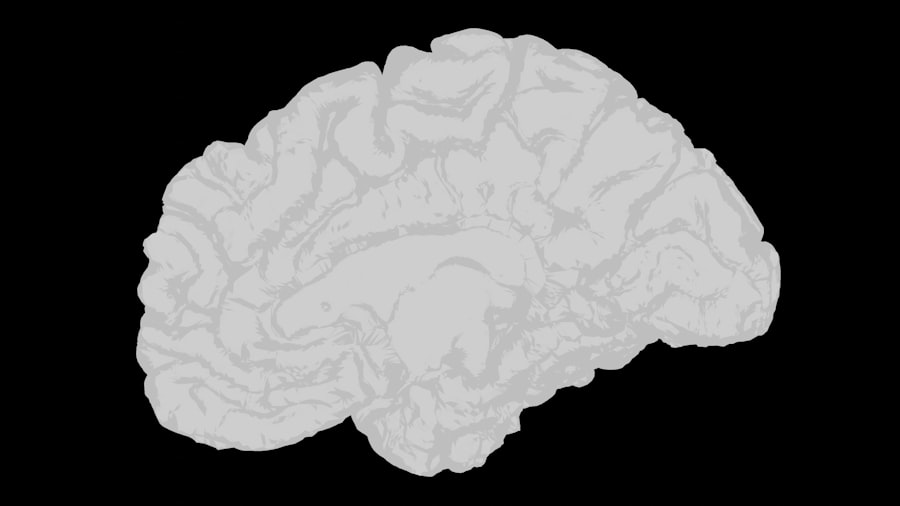
While shame can be a painful experience, it also serves a crucial adaptive function. Your brain is wired to learn from these experiences, modifying your behavior to avoid future social transgressions.
The Neural Basis of Guilt and Shame Differentiation
Although often used interchangeably, guilt and shame are neurobiologically distinct. Guilt typically involves remorse over a specific action and a desire to repair the harm caused. Shame, on the other hand, is a broader feeling of inadequacy about oneself.
Distinct Neural Signatures of Guilt and Shame
Research suggests that guilt might involve more activity in regions associated with empathy and understanding the impact of your actions on others, such as the superior temporal sulcus. Shame, as discussed, often involves more self-referential processing in the mPFC and the heightened emotional salience mediated by the amygdala. Understanding this distinction is important for tailoring interventions.
The Role of the Hippocampus in Memory Consolidation
The hippocampus is vital for forming memories. When you experience shame, the hippocampus helps to consolidate these experiences, creating a mental record of what led to the uncomfortable feeling. This memory can then inform your future decisions, guiding you away from similar behaviors.
The Hippocampus and the Retrieval of Shameful Memories
The hippocampus plays a role in retrieving these stored memories, allowing you to recall past instances of shame. This retrieval can then trigger a similar emotional response, acting as a powerful deterrent. However, in cases of chronic shame, the hippocampus might be overactive in recalling negative self-memories, contributing to a persistent cycle of shame.
Recent research into the neuroscience of shame scripts and social prediction has shed light on how our brains process social interactions and emotional responses. A fascinating article explores the intricate relationship between these concepts and how they shape our behavior in social contexts. For those interested in delving deeper into this topic, you can read more about it in this insightful piece on the subject. Understanding these mechanisms can enhance our awareness of emotional triggers and improve our social dynamics. Check out the article here for a comprehensive overview.
Implications for Understanding and Managing Shame
| Study | Findings |
|---|---|
| Neuroscience of Shame | Increased activity in the amygdala and anterior cingulate cortex |
| Social Prediction | Activation of the medial prefrontal cortex and temporoparietal junction |
Understanding the neuroscience of shame has significant implications for how you might address and manage these difficult emotions.
Therapeutic Interventions Targeting Neural Circuits
Various therapeutic approaches aim to modify the neural circuits involved in shame. Cognitive Behavioral Therapy (CBT), for instance, works on altering maladaptive thought patterns associated with shame and promoting more adaptive behavioral responses.
Modulating Amygdala Reactivity Through Mindfulness
Mindfulness-based interventions, which involve focusing on the present moment without judgment, can help you develop greater awareness of your thoughts and emotions, including shame. By observing these feelings without immediately reacting or identifying with them, you can indirectly modulate the amygdala’s reactivity and reduce the intensity of the shame response.
Reappraising Negative Social Stimuli
Cognitive reappraisal, a technique used in CBT, involves actively changing the way you think about a situation. By reframing the meaning of a social transgression, you can alter the neural pathways associated with shame. For example, instead of viewing a mistake as evidence of fundamental flaw, you might reframe it as a learning opportunity. This involves engaging your PFC to override the automatic, shame-inducing appraisal mediated by the amygdala.
The Impact of Social Connection on Shame Regulation
Given that shame is a social emotion, social connection plays a vital role in its regulation. When you feel safe and accepted by others, your brain’s threat-detection systems are less likely to be triggered, and the experience of shame can be buffered.
The Role of Oxytocin in Social Bonding and Shame Reduction
Oxytocin, often referred to as the “bonding hormone,” plays a role in social affiliation and trust. When you experience positive social interactions, oxytocin levels can increase, promoting feelings of security and reducing the activation of shame-related neural pathways. This is why supportive relationships are so crucial for overcoming shame.
Your brain is a remarkably complex organ, and its involvement in shame is a testament to the intricate ways it navigates the social world. By understanding the neural underpinnings of shame – the self-evaluation in your prefrontal cortex, the alarm bells in your amygdala, and the embodied sensations processed by your insula – you gain a deeper appreciation for why you feel and behave the way you do. Furthermore, recognizing shame’s connection to social prediction highlights its role as a powerful driver of behavior, urging you to conform and maintain your social standing. This knowledge offers not just an explanation, but also a pathway. A pathway towards greater self-compassion, more effective coping strategies, and ultimately, a richer and more resilient social life.
FAQs
What is the neuroscience of shame scripts?
The neuroscience of shame scripts refers to the study of how the brain processes and responds to experiences of shame, particularly in the context of social interactions and predictions. It involves understanding the neural mechanisms and pathways involved in the formation and activation of shame scripts in the brain.
What are shame scripts?
Shame scripts are cognitive and emotional patterns that individuals develop in response to experiences of shame. These scripts are often shaped by social and cultural influences, and they can influence how individuals perceive themselves, interpret social interactions, and predict future outcomes.
How does the brain process shame scripts?
The brain processes shame scripts through a complex interplay of neural networks, including regions involved in emotion regulation, self-referential processing, and social cognition. Studies have shown that the activation of certain brain regions, such as the prefrontal cortex and the amygdala, is associated with the experience of shame and the processing of shame-related information.
What role do shame scripts play in social prediction?
Shame scripts can influence how individuals predict and interpret social interactions, particularly in terms of anticipating negative outcomes, expecting rejection or disapproval, and feeling unworthy or inadequate. These scripts can shape individuals’ beliefs about themselves and others, as well as their expectations of how they will be perceived and treated in social situations.
How can an understanding of the neuroscience of shame scripts inform interventions and treatments?
Understanding the neuroscience of shame scripts can inform the development of interventions and treatments aimed at addressing shame-based experiences and their impact on mental health and well-being. By targeting the neural mechanisms involved in shame processing, interventions can help individuals reframe their shame scripts, regulate their emotional responses, and cultivate more adaptive social predictions and behaviors.