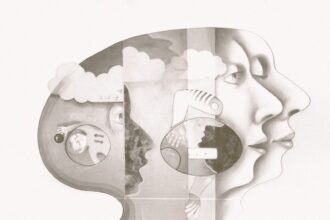
You stand at the precipice, the ground beneath your feet shifting like sand. It’s not an earthquake that rattles your world, but an internal tremor, a subtle yet profound erosion of your very sense of self. This isn’t mere discomfort; it’s a visceral feeling of threat, a primal urge to defend what you believed was immutable. You are facing the daunting prospect of identity change, and it feels, in its most raw and unnerving form, like a fight for survival.
The concept of “identity” often conjures images of solid, unwavering foundations – a fixed point of reference in the flux of life. You’ve built your understanding of yourself on a bedrock of past experiences, deeply held beliefs, and the roles you’ve played. Then, without warning, circumstances conspire to challenge this edifice, threatening to dismantle it piece by piece. This disruption is not a gentle suggestion; it’s a forceful push, a disorientation that can leave you feeling adrift, questioning who you are and where you belong.
This struggle for survival in the face of identity change is often a silent one. It doesn’t involve physical combat, but a complex internal battle waged within the confines of your own mind and heart. The stakes, however, are no less significant. Losing your grip on who you are can feel like losing everything, a terrifying descent into an unknown and potentially hostile territory. You might find yourself clinging to familiar anchors, grasping at straws, anything to stave off the feeling of dissolution.
The Shifting Sands: Recognizing the Erosion
You might not wake up one morning with a neon sign proclaiming “Identity Crisis.” More often, the process is insidious, a slow drip that eventually erodes the rock. It’s crucial to recognize the early signs, the subtle cracks that betray a deeper instability. Ignoring these tremors will only allow them to grow, making the eventual confrontation with the full force of identity change more brutal.
The Disconnect in Daily Life
This is perhaps the most immediate and disquieting symptom. Activities that once brought you joy or a sense of purpose now feel hollow, lacking the resonance they once held. Your routines, the predictable rhythm of your days, begin to feel alien.
The Loss of Interest in Hobbies and Passions
Remember that fervent dedication to your [insert hobby]? It’s gone. The enthusiasm that propelled you forward has evaporated. You look at your [insert tool/equipment for hobby] gathering dust, and instead of a pang of longing, you feel a strange indifference. This isn’t laziness; it’s a fundamental disconnect from something that used to define a significant part of your waking hours.
The Unfamiliarity with Your Own Actions
You might find yourself questioning why you’re doing things you’ve always done. The autopilot mode that once served you well now feels like steering a stranger’s ship. Your decisions, even on seemingly mundane matters, carry an unfamiliar weight of deliberation, as if you’re constantly re-evaluating your choices against a new, unformed standard.
The Feeling of Being an Actor in Your Own Life
There’s a disassociation that creeps in, as if you’re watching yourself from the outside. You perform the expected roles – [mention common roles like parent, employee, friend] – but the internal connection, the genuine feeling of embodying these roles, is absent. It’s like wearing a costume that no longer fits, or worse, that you never truly owned.
The Erosion of Core Beliefs
Beliefs form the scaffolding of your identity. When these supports begin to crumble, the entire structure is compromised. This can be triggered by new information, profound experiences, or shifts in your social environment.
Questioning Long-Held Values
Those principles you once held as inviolable, the compass that guided your moral and ethical compass, are suddenly subject to intense scrutiny. You find yourself asking, “Is this still me? Does this still matter?” The answers are no longer readily available, leaving you in a state of cognitive dissonance.
The Doubt in Your Worldview
The way you understood the world – its mechanisms, the motivations of others, your place within it – is now in question. Events that once made perfect sense now appear baffling, or worse, fundamentally flawed. This can lead to a deep sense of disillusionment with the narratives you’ve subscribed to.
The Dismissal of Past Convictions
convictions that once fueled your actions or defined your stance on issues are now viewed with skepticism, even disdain. You might find yourself reinterpreting past decisions through a new lens, realizing that the fervent belief you once held might have been misguided or simply no longer relevant to who you are becoming.
Identity change can often evoke feelings akin to a survival threat, as it challenges our core sense of self and stability in the world. This phenomenon is explored in depth in the article found at Unplugged Psych, which discusses how shifts in identity can trigger anxiety and resistance due to the inherent fear of the unknown. The article highlights the psychological mechanisms at play when individuals face changes in their identity, emphasizing the importance of understanding these feelings to navigate transitions more effectively.
The External Assault: Triggers of Transformation
While internal shifts can certainly occur, it’s often external forces that act as catalysts, pushing you into this fight for survival. These triggers can be abrupt and life-altering, demanding an immediate and often painful re-evaluation of your identity.
Major Life Transitions
The benchmarks of adult life, while often anticipated, can still be profoundly destabilizing when they necessitate a significant alteration in your self-perception and societal role.
Career Changes and Unemployment
The transition from a long-held profession, or worse, the sudden loss of employment, can strip away a major component of your identity. Your skills, your professional network, the very title that defined you – all can vanish, leaving a void that feels immensely threatening. Who are you when you are no longer [your former profession]?
Relationship Endings and New Unions
The dissolution of a significant romantic relationship, or the formation of a new one, can fundamentally alter your self-definition. If your identity was deeply intertwined with being a partner, an ex-partner, or a spouse, this loss or acquisition necessitates a painful recalibration. Similarly, navigating the dynamics of becoming a stepparent or blending families presents unique identity challenges.
Geographic Relocation
Uprooting yourself from a familiar environment, from the community that knows you and the physical spaces that hold your memories, can be profoundly disorienting. The loss of your established social standing and the need to forge new connections can feel like starting from scratch, a primal threat to your sense of belonging and continuity.
Traumatic Experiences
The impact of trauma is not limited to emotional scars; it can fundamentally reshape your understanding of yourself and your place in the world. The very foundations of your safety and trust can be shattered, forcing a radical re-evaluation of who you are in the aftermath.
Accidents and Illnesses
A serious accident or a life-altering diagnosis can shatter your physical and mental sense of self. The limitations imposed by illness or injury can force you to confront a reality where your capabilities have fundamentally changed, questioning who you are beyond your physical prowess or perceived invincibility.
Accidents and Illnesses (continued)
The abrupt confrontation with mortality, or the stark reality of chronic pain and limitations, can lead to a profound re-evaluation of your life’s purpose and your personal worth. This is not merely about adapting to new circumstances; it’s about grappling with the idea that the future you envisioned, and the self you believed would inhabit it, is no longer guaranteed. The physical changes can be undeniable, but the internal struggle to reconcile them with your preexisting identity is where the true survival is tested.
Betrayal and Loss of Trust
Experiencing betrayal by someone you trusted implicitly, or suffering a profound loss, can shatter your belief in the fundamental goodness of others and the safety of your world. This can lead to a deep-seated suspicion and a withdrawal from connection, fundamentally altering your social identity and your capacity for vulnerability.
Witnessing or Experiencing Violence
Direct exposure to or witnessing of violence can leave you with deep psychological wounds that question your own resilience, your understanding of human nature, and your sense of safety. The world you once perceived as predictable and navigable may suddenly feel terrifyingly unpredictable, forcing a radical redefinition of your internal security.
The Battle Within: Navigating the Internal Landscape
Once the external triggers have done their work, the real fight begins – the internal struggle to make sense of it all and to forge a new path forward. This is a deeply personal and often solitary endeavor.
The Anxiety of Unbecoming
The fear of shedding your old self can be paralyzing. It’s the dread of the unknown, the anxiety that lies in the space between who you were and who you might become.
The Fear of Losing Familiarity
You’ve spent years cultivating a specific persona, a set of behaviors, and a way of interacting with the world. The prospect of letting go of this familiar comfort is terrifying. It’s like facing a void where your identity used to be, and the lack of a clear replacement is unnerving. This isn’t just about change; it’s about the disappearance of a known entity – yourself.
The Worry of Not Being Enough
As you shed aspects of your old self, you might worry that the new you won’t be as capable, as valuable, or as complete. This insecurity can manifest as a constant internal critique, a nagging doubt that you are somehow falling short of an unseen standard, a standard you yourself are struggling to define.
The Guilt of Abandoning the Past
There can be a sense of guilt associated with moving beyond past versions of yourself, especially if those versions were shaped by relationships or societal expectations. You might feel a sense of disloyalty to who you were, as if by changing, you are betraying the people and circumstances that shaped you.
The Struggle for Integration
The goal of surviving identity change is not necessarily to erase the past, but to integrate its worthwhile elements into a new, evolving self. This is a complex and often arduous process.
Reconciling Conflicting Aspects of Self
You might find yourself holding onto remnants of your old identity while simultaneously embracing new facets. This internal conflict, the push and pull between what was and what is emerging, requires conscious effort to reconcile. It’s like trying to hold two opposing magnetic poles together – it requires energy and a willingness to find a point of equilibrium, however temporary.
Defining New Values and Beliefs
As old beliefs crumble, there’s an urgent need to construct new ones. This involves critical examination, introspection, and often, exposure to new perspectives. It’s about actively shaping your internal compass rather than passively accepting what was once given.
Crafting a New Narrative
Your identity is, in many ways, the story you tell yourself about yourself. When that story is disrupted, you must begin to write a new one. This involves piecing together your experiences, understanding your motivations, and creating a coherent and meaningful account of who you are now.
Strategies for Survival: Building Resilience in the Face of Change
Surviving the threat of identity change requires more than just enduring the storm; it demands proactive strategies to build resilience and navigate the tumultuous waters. These are not quick fixes, but sustained efforts to fortify your inner self.
Embracing Self-Compassion
In this fight for survival, the harshest critic is often yourself. Cultivating self-compassion is essential for weathering the storm.
Acknowledging the Difficulty of the Process
Recognize that what you are experiencing is inherently difficult. There is no shame in admitting that your sense of self is being challenged. This acknowledgment is the first step towards self-forgiveness and understanding.
Treating Yourself with Kindness
Instead of self-recrimination, offer yourself the same kindness and understanding you would offer a friend going through a similar ordeal. This means allowing yourself moments of vulnerability, of doubt, and of uncertainty without judgment.
Practicing Mindfulness and Self-Awareness
Paying attention to your thoughts and feelings without getting swept away by them is crucial. Mindfulness allows you to observe the changes within you with a degree of detachment, making the process less overwhelming. Self-awareness helps you identify the patterns of your struggle and the areas where you need the most support.
Seeking Connection and Support
While the battle for identity may feel solitary, connection is a vital lifeline. Isolating yourself will only amplify the sense of threat.
Leaning on Trusted Friends and Family
Share your struggles with those who know and care about you. Their perspectives, their empathy, and their unwavering belief in you can be a powerful anchor during your identity crisis. This is not about seeking solutions from them, but about sharing the burden and feeling seen and understood.
Engaging with Support Groups or Therapists
Professional help can provide invaluable tools and guidance. Therapists trained in identity development and trauma can help you process your experiences, identify coping mechanisms, and develop strategies for integration. Support groups, composed of individuals facing similar challenges, offer a unique sense of solidarity and shared understanding.
Finding Communities Aligned with Your Evolving Self
As your identity shifts, you may find yourself drawn to new environments and new people. Actively seeking out communities that resonate with your evolving values and interests can provide a sense of belonging and validation, helping you solidify your new sense of self.
Identity change can evoke feelings of anxiety and distress, often perceived as a survival threat due to the deep-rooted connections we have with our sense of self. When faced with significant life changes, such as moving to a new city or undergoing a personal transformation, individuals may feel as though they are losing a part of themselves, which can trigger a fight-or-flight response. This phenomenon is explored in depth in a related article that discusses the psychological implications of identity shifts and how they can impact our mental well-being. For more insights on this topic, you can read the article here.
The Evolution of Self: Beyondmere Survival
The ultimate goal is not just to survive the threat of identity change, but to emerge from it transformed and perhaps even stronger. This involves moving beyond the reactive fight for survival to a proactive embrace of evolution.
The Opportunity for Growth and Rediscovery
While painful, identity change often presents an unparalleled opportunity to shed outdated aspects of yourself and discover new potentials. This is where the “fight” can transform into a fertile ground for growth.
Unearthing Hidden Strengths and Talents
The challenges you face can reveal latent strengths and abilities you never knew you possessed. The necessity of adapting and overcoming can unlock a reservoir of resilience and resourcefulness that was previously untapped.
Clarifying Your Life’s Purpose
When your existing framework for understanding your life breaks down, you are compelled to re-examine your core values and aspirations. This can lead to a profound clarification of your purpose and a renewed sense of direction.
Embracing a More Authentic Self
Often, the identity that is threatened is one that was constructed to meet external expectations. The process of rebuilding can lead to the emergence of a more authentic and unvarnished version of yourself, one that is truly your own.
Reconstructing Your Sense of Self
This is not about returning to your former state, but about building something new and sustainable. It’s about recognizing that identity is not a fixed destination, but an ongoing journey of becoming.
Integrating Past and Present Experiences
The key to a healthy new identity lies in integrating the valuable lessons and experiences of your past, rather than discarding them entirely. This creates a sense of continuity and coherence.
Cultivating a Flexible and Adaptive Identity
The world is constantly changing, and a rigid sense of self is ill-equipped to navigate it. The goal is to develop an identity that is fluid, adaptable, and open to growth, one that can withstand future challenges.
Embracing the Ongoing Process of Becoming
Ultimately, surviving the threat of identity change is about understanding that who you are is not a static entity. It is a continuous process of learning, evolving, and becoming. The fight for survival is, in essence, the fight to continue this vital and dynamic journey. You are not a finished product, but a perpetually unfolding story, and the challenges to your identity are simply chapters that refine your narrative.
FAQs
What is identity change?
Identity change refers to the process of a person altering their self-concept, beliefs, values, or behaviors, often in response to life experiences, personal growth, or external influences.
Why does identity change feel like a survival threat?
Identity change can feel like a survival threat because it challenges the familiar and comfortable aspects of a person’s sense of self, leading to feelings of uncertainty, fear, and vulnerability. This can trigger the brain’s threat response system, leading to heightened stress and anxiety.
What are the psychological effects of identity change?
The psychological effects of identity change can include feelings of disorientation, confusion, anxiety, and a sense of loss. Individuals may also experience a struggle to reconcile their old identity with the new one, leading to internal conflict and emotional distress.
How can individuals cope with the challenges of identity change?
Coping with the challenges of identity change involves self-reflection, seeking support from others, and engaging in activities that promote self-discovery and personal growth. It is important for individuals to practice self-compassion and patience as they navigate through the process of identity change.
Can identity change be a positive experience?
Yes, identity change can be a positive experience as it can lead to personal growth, increased self-awareness, and the development of a more authentic and fulfilling sense of self. Embracing identity change as an opportunity for growth and self-discovery can lead to positive outcomes and a greater sense of well-being.