
You’ve likely experienced it. That sudden wave of intense emotion that washes over you, leaving you feeling irrational, overwhelmed, and out of control. Perhaps you’ve lashed out at someone you care about, said something you instantly regret, or found yourself freezing and unable to respond in a crucial moment. These are all hallmarks of what psychologists call an “amygdala hijack.” This article will guide you through understanding this powerful neurological phenomenon, its triggers, how it impacts your social interactions, and strategies you can employ to navigate these challenging emotional responses.
To understand an amygdala hijack, you first need to understand the amygdala itself.
The Amygdala’s Role in Emotion
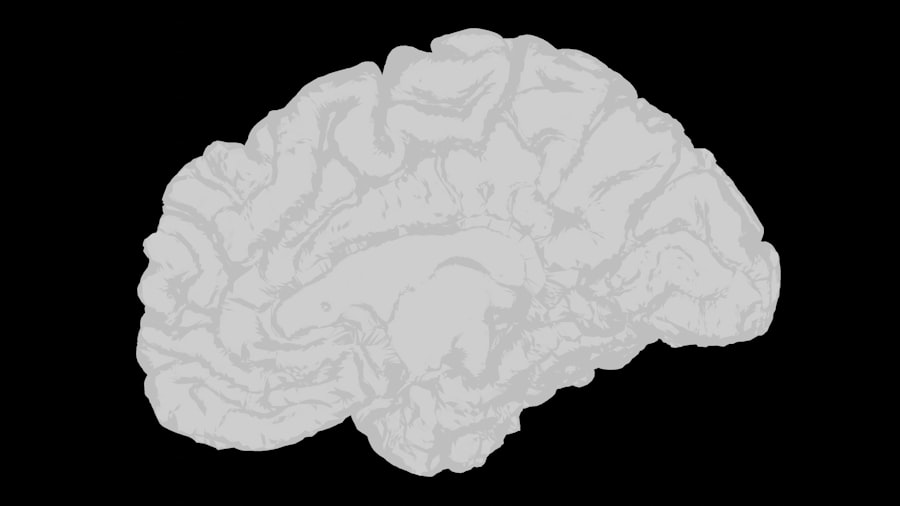
Your amygdala is a pair of almond-shaped structures located deep within your temporal lobes, a vital part of your limbic system. It acts as your brain’s primary threat detection system, constantly scanning your environment – both external stimuli and internal thoughts – for anything that might pose danger. This is a crucial evolutionary mechanism that has helped humans survive for millennia. When the amygdala perceives a threat, it rapidly mobilizes your body for action, initiating the “fight-or-flight” response.
The Fight-or-Flight Response: A Survival Mechanism
The fight-or-flight response is a complex physiological and psychological reaction designed to prepare you to either confront a perceived threat or escape from it. When your amygdala flags something as dangerous, it sends a signal to the hypothalamus, which then triggers the release of stress hormones like adrenaline and cortisol. These hormones create a cascade of physical changes: your heart rate accelerates, your breathing quickens, your muscles tense, and your senses become heightened. Blood is diverted from non-essential functions, like digestion, to your muscles and brain, preparing you for immediate action.
Fast vs. Slow Processing: The Speed of Emotion
Crucially, the amygdala operates on a “fast pathway.” It bypasses the more complex reasoning parts of your brain, like the prefrontal cortex, to ensure a rapid response. This means you can react to a threat milliseconds before you even consciously process what is happening. Imagine walking down a dark street and hearing a sudden rustling in the bushes. Your amygdala might immediately trigger a jolt of fear, prompting you to jump or run, even before your conscious mind has identified the source of the noise as a harmless squirrel. This speed is essential for survival in immediate danger but can be problematic in social situations where nuanced understanding and measured responses are required.
In social situations, individuals often experience what is known as “amygdala hijack,” a term that describes the overwhelming emotional response triggered by perceived threats, leading to impulsive reactions. This phenomenon can significantly impact interpersonal interactions and decision-making. For a deeper understanding of how emotional responses can influence behavior in social contexts, you can explore the article found at Unplugged Psych, which discusses the implications of emotional regulation and strategies to manage such reactions effectively.
What is an Amygdala Hijack?
An amygdala hijack is essentially an overreaction of your amygdala. It’s when your brain’s alarm system goes off inappropriately in a situation that isn’t actually life-threatening, but your amygdala perceives it as such. This leads to a sudden, overwhelming emotional surge that can distort your perception and impair your judgment.
The Mechanism of the Hijack
During an amygdala hijack, your amygdala floods your system with stress hormones, effectively taking over your conscious control. The prefrontal cortex, responsible for rational thought, decision-making, and impulse control, is temporarily overridden. This is why, in the throes of a hijack, you might find yourself saying or doing things you later deeply regret, as your rational mind has been sidelined by primal emotional responses. It’s like your internal dimmer switch for emotions has been suddenly cranked to the maximum, with no immediate way to turn it back down.
Common Triggers in Social Interactions
While your amygdala can be triggered by a wide range of stimuli, certain social situations are particularly prone to eliciting these overreactions.
Perceived Threats to Self-Esteem or Status
In social environments, your amygdala can interpret challenges to your self-worth or social standing as threats. This can manifest in various ways:
- Criticism: Even constructive criticism can sometimes feel like a personal attack, triggering defensiveness and anger. Your amygdala might interpret it as a threat to your competence or how others perceive you.
- Rejection: Experiencing social exclusion, being ignored, or facing a perceived snub can activate the amygdala. The evolutionary drive to belong makes rejection a deeply unsettling prospect.
- Humiliation or Embarrassment: Being put on the spot, making a mistake in front of others, or feeling publicly shamed can all trigger intense emotional responses as your amygdala perceives a threat to your social standing.
- Disagreement or Conflict: When your views are challenged, or you find yourself in an argument, your amygdala might perceive this as a direct threat to your beliefs or your established position in a group.
Misinterpretations and Assumptions
The “fast pathway” processing of the amygdala means it often jumps to conclusions without sufficient information. This can lead to social misunderstandings that escalate quickly.
- Reading Too Much Into Non-Verbal Cues: A furrowed brow, a dismissive tone, or a lack of immediate enthusiasm can be misinterpreted by your amygdala as negativity or disapproval, even if the other person is simply tired or preoccupied.
- Assuming Negative Intentions: When someone’s behavior is unclear or ambiguous, your amygdala might default to assuming the worst. For instance, if a colleague doesn’t immediately respond to your email, your amygdala might conjure scenarios of them intentionally ignoring you or being upset with you.
- Past Negative Experiences: If you have a history of negative social encounters, your amygdala can become sensitized. A neutral situation might be misconstrued as threatening because it resembles past negative events.
Feeling Overwhelmed or Powerless
Situations where you feel a lack of control or are inundated with stimuli can also trigger your amygdala.
- High-Pressure Social Events: Large gatherings, networking events, or public speaking engagements can be overwhelming. The sheer volume of social cues and the pressure to perform can activate your threat response.
- Feeling Unprepared: If you feel you haven’t adequately prepared for a social interaction or a conversation, you might experience anxiety, which can be amplified by your amygdala into a full-blown hijack.
- Group Dynamics: Navigating complex group dynamics, such as feeling excluded by a clique or being unable to assert yourself in a discussion, can lead to feelings of powerlessness and alarm.
The Impact of Amygdala Hijacks on Your Social Life

When your amygdala takes control, your ability to engage in healthy, productive social interactions is significantly compromised.
Communication Breakdown
The most immediate impact of an amygdala hijack is often on your communication.
- Aggressive or Defensive Responses: Instead of engaging in rational discussion, you might find yourself yelling, accusing, or shutting down. Your words become weapons rather than tools for connection. You might interrupt excessively, dismiss others’ points of view rudely, or engage in personal attacks rather than addressing the actual issue. The nuance of language is lost as raw emotion dominates.
- Withdrawal and Avoidance: Conversely, some individuals might freeze or withdraw completely. They might become silent, avoid eye contact, or physically leave the situation. This inability to articulate your thoughts or feelings can prevent resolution and create distance in relationships. You might feel too overwhelmed to even attempt to explain yourself, leaving others confused or hurt by your silence.
- Inability to Listen: When your amygdala is in overdrive, your ability to truly listen to others diminishes. You’re too preoccupied with your own internal storm. You might be planning your rebuttal, replaying the perceived offense, or simply feeling too flooded to process incoming information. This leads to misinterpretations and a lack of empathy for the other person’s perspective.
Damaged Relationships
Repeated amygdala hijacks can leave a trail of damaged relationships.
- Erosion of Trust: When people consistently experience your overreactions or irrational behavior, their trust in your stability and judgment erodes. They may start to anticipate your outbursts or avoid you altogether to prevent conflict.
- Creating Distance: The emotional intensity of a hijack can create a chasm between you and others. Even if you apologize later, the memory of the uncontrolled emotional outburst can linger, making it difficult to reconnect on the same level.
- Fostering Resentment: Others might begin to feel resentful if they frequently bear the brunt of your amygdala hijacks, especially if they perceive your reactions as disproportionate or unfair. They may feel like they have to “walk on eggshells” around you.
Hindered Personal Growth and Learning
The inability to manage your emotional responses also limits your capacity for self-improvement.
- Missed Learning Opportunities: Each social interaction offers a chance to learn about yourself and others. When an amygdala hijack occurs, you miss the opportunity to understand the situation more deeply or to develop more skillful responses. The lesson is lost in the emotional turmoil.
- Reinforcing Negative Patterns: Without understanding and managing your amygdala hijacks, you are likely to repeat the same damaging patterns in your social interactions, hindering your progress towards healthier relationships and greater emotional intelligence.
- Inability to Adapt: Overcoming challenges and navigating new social environments requires adaptability. Amygdala hijacks can trap you in rigid, reactive patterns, making it difficult to adjust to changing circumstances or different social norms.
Recognizing the Signs of an Amygdala Hijack
The first step to managing an amygdala hijack is learning to recognize its early warning signs, both in yourself and in others. The sooner you identify that your amygdala is getting triggered, the sooner you can intervene.
Internal Warning Signals
Your body often provides subtle cues before a full-blown hijack. Learning to tune into these can be invaluable.
- Physical Sensations: Pay attention to common physical manifestations of stress and anxiety. This might include a racing heart, shallow breathing, a knot in your stomach, tense muscles (especially in your jaw, neck, or shoulders), sweaty palms, or a feeling of dizziness or lightheadedness.
- Cognitive Shifts: Notice changes in your thought patterns. You might find yourself becoming hyper-focused on a perceived slight, replaying past grievances, or experiencing intrusive, negative thoughts. Your thinking can become rigid and black-and-white, with little room for nuance.
- Emotional Escalation: While the hijack itself is the escalation, there are often precursor emotions. You might feel a growing sense of irritation, frustration, anxiety, or a prickle of anger that you haven’t yet fully acknowledged.
Behavioral Indicators During a Hijack
Once the hijack is in full swing, your behavior becomes a more obvious indicator.
- Uncharacteristic Outbursts: You might say or do things that are completely out of character for your usual demeanor. This could involve yelling, name-calling, or making sweeping generalizations.
- Loss of Rationality: Your arguments might become illogical, fueled by emotion rather than facts. You might struggle to follow conversations or respond coherently to questions.
- Intense Focus on the Perceived Threat: You may become fixated on the perceived source of your distress, unable to see any other perspective or consider alternative explanations.
- Physical Manifestations: Beyond internal sensations, you might exhibit more outward physical signs like a flushed face, clenched fists, rigid posture, or pacing.
Recognizing Hijacks in Others
Observing these signs in others can help you de-escalate situations or protect yourself from their emotional spillover.
- Sudden Shift in Demeanor: A person who was calm and collected can suddenly become agitated, loud, or withdrawn.
- Aggressive or Defensive Language: Their tone of voice might become sharp, accusatory, or sarcastic, and their language might escalate into insults or threats.
- Dismissal of Your Perspective: They may refuse to listen to your point of view, interrupt you repeatedly, or dismiss your concerns outright.
- Physical Cues: Observe for tense body language, flushed or pale skin, rapid breathing, or fidgeting.
In social situations, individuals often experience what is known as an amygdala hijack, where emotional responses can overpower rational thinking, leading to impulsive reactions. This phenomenon can significantly impact interpersonal relationships and communication. For a deeper understanding of how these emotional triggers operate and strategies to manage them, you can explore a related article on the topic at Unplugged Psych. By learning more about the amygdala’s role in our emotional responses, we can better navigate challenging social interactions and foster healthier connections.
Strategies for Navigating and Managing Amygdala Hijacks
| Social Situation | Amygdala Hijack Response | Impact |
|---|---|---|
| Public Speaking | Increased heart rate, sweating, and anxiety | Difficulty in delivering a speech or presentation |
| Conflict with Colleagues | Heightened emotions, anger, and defensiveness | Difficulty in resolving the conflict calmly |
| Meeting New People | Feelings of fear, nervousness, and discomfort | Difficulty in engaging in conversation and building rapport |
The good news is that while amygdala hijacks can feel overwhelming, they are not immutable. With awareness and practice, you can learn to manage these reactions and mitigate their impact on your social life.
Pre-emptive Strategies: Building Resilience
The most effective way to deal with amygdala hijacks is to strengthen your prefrontal cortex and build resilience so that your amygdala is less likely to be triggered in the first place.
Cultivating Mindfulness and Self-Awareness
Mindfulness is the practice of paying attention to the present moment without judgment. It’s a powerful tool for interrupting automatic emotional responses.
- Regular Mindfulness Practice: Dedicate time each day for mindfulness exercises, such as meditation or focused breathing. This trains your brain to become more aware of your internal states.
- Mindful Observation of Emotions: During social interactions, try to observe your emotions as they arise without immediately reacting to them. Simply notice the sensations and thoughts without attaching judgment. For example, if you feel a prickle of annoyance, acknowledge it: “I’m noticing a feeling of annoyance.”
- Body Scan Meditations: These exercises help you become more attuned to physical sensations, enabling you to identify early warning signs of an impending hijack.
Developing Emotional Regulation Skills
Emotional regulation is the ability to manage and respond to your emotional experiences.
- Identifying and Labeling Emotions: Learning to accurately identify and label your emotions is crucial. Instead of a vague feeling of “bad,” try to pinpoint if you’re feeling hurt, misunderstood, anxious, or disappointed. This specificity helps in addressing the root cause.
- Practicing Assertive Communication: Assertiveness is about expressing your needs and feelings directly and respectfully. This contrasts with aggressive communication (demanding) or passive communication (avoidant). Learning to say “no” when necessary, express your boundaries, and ask for what you need can prevent many triggers.
- Reframing Negative Thoughts: Challenge your automatic negative thoughts. When you notice yourself jumping to negative conclusions or assuming the worst, consciously try to reframe the situation from a more balanced or positive perspective. Ask yourself: “Is there another way to look at this?” or “What evidence do I have for this thought?”
In-the-Moment Strategies: De-escalation and Recovery
When you feel the hijack beginning, or even if you’re already in the midst of one, there are strategies you can employ to regain control.
Pausing and Breathing
This is perhaps the most fundamental in-the-moment strategy. The pause creates space for your prefrontal cortex to re-engage.
- The Power of the Pause: The moment you feel a surge of emotion, consciously take a pause before speaking or acting. This brief delay can be enough to prevent an impulsive reaction.
- Deep Diaphragmatic Breathing: Focus on slow, deep breaths that expand your diaphragm. Inhale deeply through your nose, hold for a moment, and exhale slowly through your mouth. This simple act can calm your nervous system and reduce the physiological arousal associated with stress. Repeat this several times until you feel a sense of calm returning.
Grounding Techniques
Grounding techniques help you reconnect with the present moment and distract from overwhelming emotions.
- The 5-4-3-2-1 Method: Identify five things you can see, four things you can touch, three things you can hear, two things you can smell, and one thing you can taste. This exercise brings your focus back to your immediate sensory experience.
- Physical Anchors: Focus on physical sensations like the feeling of your feet on the ground, the texture of your clothing, or the weight of your hands.
- Engage a Different Sense: Listen to a song, smell a pleasant scent, or focus on the taste of something simple like a mint.
Disengaging and Taking a Break
Sometimes, the best course of action is to temporarily remove yourself from the triggering situation.
- Excuse Yourself: Politely excuse yourself from the conversation or situation. You can say something like, “I need a moment to collect my thoughts,” or “I’m feeling a bit overwhelmed right now and need to step away.”
- Physical Movement: Go for a short walk, even a few minutes outdoors can be beneficial. Physical activity can help release pent-up energy and relieve stress.
- Set Boundaries for Future Interactions: Once you’ve calmed down, consider how you want to re-engage. You might decide to revisit the conversation later when emotions are more stable or set clearer boundaries for future interactions.
Post-Hijack Strategies: Reflection and Learning
After an amygdala hijack, the real work of learning and growth begins.
Reflecting on the Trigger and Response
Understanding what happened is crucial for preventing future occurrences.
- Journaling: After a triggering event, write down what happened, how you felt, what you said or did, and what you believe triggered the hijack.
- Identifying Patterns: Look for recurring themes in your triggers and responses. Are there specific people, situations, or topics that consistently set you off?
- Analyzing Your Thoughts: Examine the thoughts you had leading up to and during the hijack. Were they realistic? Were you making assumptions?
Practicing Apologies and Making Amends
If your amygdala hijack negatively impacted someone else, sincere apologies and efforts to make amends are essential.
- Taking Responsibility: Offer a genuine apology without making excuses. Acknowledge the hurt you caused. For example, “I’m truly sorry for how I spoke to you earlier. That was not okay, and I regret my outburst.”
- Focusing on Their Feelings: Ask how your actions affected them and listen attentively to their response.
- Demonstrating Change: The most powerful amends involve demonstrating through your actions that you are working to manage your emotional responses and prevent similar incidents in the future.
Seeking Professional Support
For persistent or severe amygdala hijacks, professional help can be invaluable.
- Therapy and Counseling: A therapist can help you identify the root causes of your amygdala hijacks, develop coping mechanisms, and practice new communication and emotional regulation skills. Cognitive Behavioral Therapy (CBT) and Dialectical Behavior Therapy (DBT) are particularly effective for emotional regulation.
- Building a Support Network: Surrounding yourself with supportive friends and family who understand your journey can provide encouragement and accountability.
Navigating social situations can be a complex dance, and understanding the mechanics of your own brain, particularly the role of the amygdala, is a powerful step towards more effective and fulfilling interactions. By recognizing the triggers, acknowledging the signs, and actively employing strategies for managing these emotional responses, you can move from being a passenger in your emotional life to becoming a more skilled and deliberate navigator of your social world. This journey requires ongoing effort and self-compassion, but the rewards of improved relationships and greater personal well-being are well worth it.
FAQs
What is an amygdala hijack?
An amygdala hijack is a term used to describe an immediate and overwhelming emotional response that is out of proportion to the actual stimulus because it is triggered by the amygdala, the part of the brain responsible for emotional processing.
How does an amygdala hijack affect social situations?
In social situations, an amygdala hijack can lead to impulsive and irrational behavior, as well as difficulty in regulating emotions and responding appropriately to others.
What are the common triggers for an amygdala hijack in social situations?
Common triggers for an amygdala hijack in social situations include feeling threatened, embarrassed, or humiliated, as well as experiencing rejection or criticism from others.
How can one manage an amygdala hijack in social situations?
Managing an amygdala hijack in social situations involves practicing mindfulness, deep breathing, and other relaxation techniques to calm the amygdala’s response and regain control over emotions and behavior.
What are the long-term effects of experiencing frequent amygdala hijacks in social situations?
Frequent amygdala hijacks in social situations can lead to chronic stress, anxiety, and difficulties in forming and maintaining relationships, as well as potential mental health issues if left unaddressed.