
You might not remember the exact moment the spark ignited, that shiver of unease that hinted at something darker. But that fear, buried deep within your formative years, has subtly, irrevocably, shaped the person you are today. It’s not about remembering the monster under the bed or the terrifying stranger at the park; it’s about the echoes those experiences left behind, resonating through your present, influencing your decisions, your relationships, and your very perception of the world. This is the lasting impact of childhood fear on adult personality, a phenomenon that often operates beneath the surface of your conscious awareness, yet dictates the contours of your inner landscape.
Childhood is a period of rapid development, where the brain is a sponge, absorbing information and forming neural pathways at an astonishing rate. When fear enters this equation, it’s not just a fleeting emotion; it’s a potent architect, sculpting the very infrastructure of your mental and emotional being. The constant release of stress hormones like cortisol and adrenaline, triggered by recurring or intense fear, can lead to altered brain development, particularly in areas responsible for emotional regulation, memory, and threat detection.
Persistent Physiological Readiness
Your body, having learned to anticipate danger, may remain in a state of heightened alert. This can manifest as chronic tension, muscle stiffness, or an easily triggered startle response. You might find yourself habitually scanning your environment for threats, even in safe and familiar settings.
The Body’s Unspoken Language
Beyond the physical symptoms, your physiological readiness impacts your internal dialogue. That nagging feeling of impending doom, the gnawing anxiety that settles in your stomach, these are often direct descendants of an early warning system that became perhaps a little too sensitive.
Altered Threat Perception
The world, once perceived with innocent curiosity, can, through the lens of childhood fear, become a landscape fraught with potential pitfalls. You might develop a generalized sense of mistrust, seeing ulterior motives or hidden dangers where none exist.
The Skeptic’s Shield
This altered perception can lead you to adopt a more cautious, sometimes even cynical, approach to life. You might be slower to trust, quicker to doubt, and more prone to anticipating the worst-case scenario.
The Genesis of Avoidance Behaviors
One of the most potent ways childhood fear impacts adult personality is through the development of avoidance behaviors. To escape the discomfort and perceived danger associated with a fearful experience, you might learn to steer clear of any situation that even remotely resembles it.
The Echo Chamber of ‘No’
This can lead to a life constrained by a series of “no’s.” No to new opportunities, no to risky ventures, and sometimes, no to genuine human connection, all in an effort to maintain the illusion of safety.
Childhood fears can significantly shape adult personality traits, influencing how individuals respond to stress, relationships, and challenges throughout their lives. For a deeper understanding of this connection, you can explore the article on Unplugged Psych, which delves into the psychological mechanisms behind how early experiences of fear can manifest in adulthood. To read more about this fascinating topic, visit Unplugged Psych.
The Shadow of Mistrust: Impact on Interpersonal Relationships
Perhaps one of the most profound and far-reaching consequences of childhood fear lies in its impact on your ability to form and maintain healthy adult relationships. Fear, particularly when rooted in experiences of betrayal, abandonment, or abuse, can sow seeds of mistrust that make genuine connection a formidable challenge.
The Wall of Defensiveness
When you’ve learned that vulnerability can lead to pain, building walls becomes a natural, albeit self-defeating, defense mechanism. You might present a guarded exterior, reluctant to reveal your true thoughts and feelings, fearing that such openness will be met with rejection or exploitation.
The Fear of Intimacy
This defensiveness can create a significant barrier to intimacy. The very act of getting close to someone, of allowing yourself to be truly seen, can feel like stepping onto unstable ground, a place where your deepest fears might be realized.
The Gravitation Towards Familiar Pain
Paradoxically, some individuals find themselves drawn to relationships that, on a subconscious level, mirror the dynamics of their childhood fears. This “familiar pain” can be a deeply ingrained pattern, a distorted sense of comfort derived from what is known, even if that knowledge is rooted in suffering.
The Repetition Compulsion
This phenomenon, often referred to as the repetition compulsion, can lead you to repeat unhealthy relationship patterns, choosing partners who are emotionally unavailable, critical, or demanding, because it resonates with the familiar, albeit painful, patterns of your past.
Difficulty with Boundaries
Conversely, a history of childhood fear can also manifest as a struggle with establishing and maintaining healthy boundaries. If your boundaries were frequently violated in childhood, you may have difficulty asserting your needs or saying “no” in adulthood, fearing the consequences or simply not knowing how to do so effectively.
The People-Pleaser’s Predicament
This can lead to a tendency towards people-pleasing, where your own needs are consistently sacrificed to avoid conflict or ensure acceptance, perpetuating a cycle of emotional depletion.
The Constriction of Self-Worth: Fear’s Grip on Your Identity
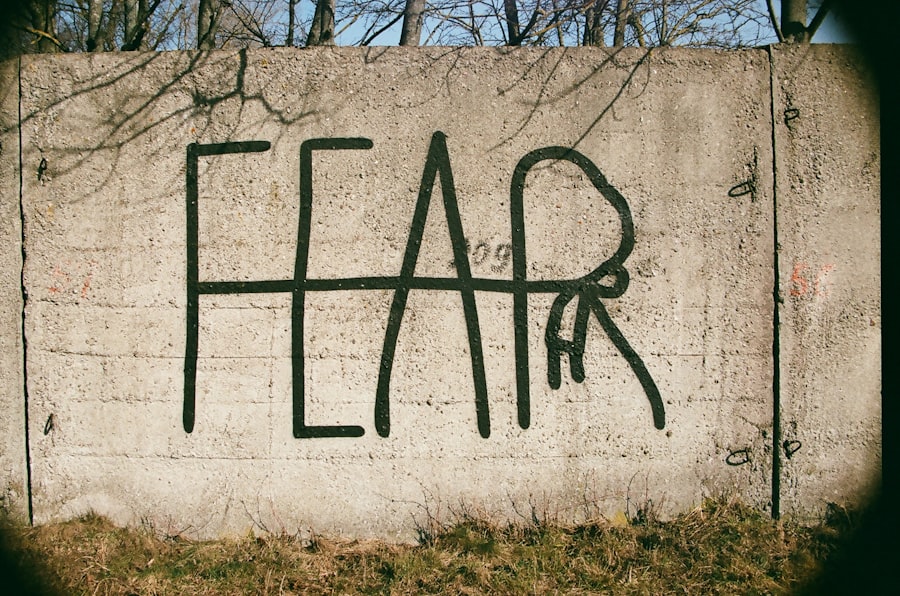
Your sense of self-worth is intricately woven with your early experiences. When fear is a dominant thread in that tapestry, it can leave indelible marks on how you perceive your own value and capabilities.
The Inner Critic’s Loudest Voice
Childhood fears can give rise to a harsh inner critic, a voice that constantly undermines your confidence and magnifies your imperfections. This internal monologue can be a relentless barrage of self-doubt, questioning your decisions, your intelligence, and your worthiness.
The Imprint of Perceived Failures
Past failures, often amplified by the anxieties of childhood, can become defining characteristics in your adult self-perception. Every setback is not just a learning experience, but a confirmation of your inherent inadequacy.
The Tendency Towards Perfectionism
As a way to mitigate the risk of criticism or judgment, which often stemmed from childhood fears, you might develop a relentless pursuit of perfection. The fear of making mistakes becomes so potent that you strive for flawlessness in every aspect of your life.
The Unattainable Standard
This perfectionism, however, is rarely born of genuine self-assurance. Instead, it often stems from a deep-seated fear of not being good enough, a fear that drives you to set impossibly high standards and then berate yourself for inevitably falling short.
The Fear of Taking Up Space
If your childhood was characterized by experiences where your voice was silenced or your needs were dismissed, you might develop a subconscious fear of taking up space. This can manifest as hesitating to express your opinions, apologize for existing, or pursue your ambitions with the confidence you deserve.
The Invisible Person Syndrome
You might feel like an invisible person, striving to be unobtrusive and avoid drawing attention to yourself, lest you trigger negative reactions that echo past experiences of being shamed or ignored.
The Erosion of Resilience: How Fear Rewires Your Response to Adversity
Resilience is the capacity to bounce back from challenges. Childhood fears, by their very nature, can erode this essential quality, leaving you more vulnerable to the inevitable stresses of adult life.
Anticipatory Anxiety and Avoidance of Challenges
When your formative years were dominated by fear, you learn to anticipate negative outcomes. This anticipatory anxiety can lead you to shy away from challenges altogether, viewing them not as opportunities for growth, but as potential sources of profound distress.
The Comfort of the Known Realm
Sticking to the familiar, to what is known and predictable, becomes a coping mechanism. The thought of stepping outside this comfort zone, even for something beneficial, can trigger a cascade of fearful thoughts and emotions.
Difficulty with Emotional Regulation
Childhood experiences of overwhelming fear can impair your ability to regulate your emotions in adulthood. You might find yourself swinging wildly between intense emotional states, struggling to find balance and maintain composure when faced with stress.
The Overwhelmed System
Your emotional system, having been chronically overstimulated in the past, may struggle to manage even moderate levels of stress, leading to outbursts, prolonged periods of sadness, or overwhelming anxiety.
The Search for External Validation
With an internal compass of worth often skewed by past fears, you may become heavily reliant on external validation to feel secure. Your sense of well-being becomes contingent on the approval and affirmation of others, a precarious foundation upon which to build lasting confidence.
The Fleeting Nature of Approval
This reliance means that your sense of self is constantly at the mercy of external opinions, leading to a perpetual cycle of seeking approval and fearing disapproval, a cycle that is exhausting and ultimately unfulfilling.
Research has shown that childhood fears can significantly shape adult personality traits, influencing how individuals respond to stress and interpersonal relationships. For a deeper understanding of this connection, you can explore an insightful article that discusses the psychological mechanisms behind these transformations. It highlights how early experiences can lay the groundwork for various personality characteristics later in life. To read more about this fascinating topic, visit this article which delves into the intricate relationship between childhood experiences and adult behavior.
Breaking the Cycle: Reclaiming Your Autonomy from Childhood Fears
| Fear Type | Impact on Adult Personality |
|---|---|
| Phobias | May lead to avoidance behaviors and anxiety disorders |
| Separation Anxiety | Difficulty forming secure attachments and trust issues |
| Abandonment Fear | Tendency to cling to relationships and fear of rejection |
| Nightmares | Increased risk of anxiety and mood disorders |
The lasting impact of childhood fear can feel like an inescapable inheritance. However, understanding its origins and recognizing its manifestations is the crucial first step towards reclaiming your autonomy and building a more fulfilling adult life.
The Power of Self-Awareness
The journey begins with a commitment to self-awareness. Regularly examining your thoughts, feelings, and behaviors, and questioning their origins, is paramount. When you notice a pattern of avoidance, excessive caution, or a particular trigger for anxiety, pause and consider if it stems from a childhood experience.
Journaling as a Tool
Journaling can be an invaluable tool for this process. Writing down your experiences, emotions, and reflections can help you identify recurring themes and gain clarity on how past fears are currently operating in your life.
Confronting Rather Than Avoiding
While avoidance may have been a survival mechanism in childhood, consciously confronting your fears in adulthood, in a safe and controlled manner, is essential for growth. This doesn’t mean diving headfirst into recklessness, but rather gradually stepping outside your comfort zone and challenging ingrained patterns of behavior.
Gradual Exposure Therapy
Therapeutic techniques, such as gradual exposure therapy, can be incredibly effective in helping you desensitize yourself to triggers and build confidence in your ability to cope with challenging situations.
Cultivating Self-Compassion
The critical inner voice that often accompanies childhood fear can be incredibly damaging. Practicing self-compassion, treating yourself with the same kindness and understanding you would offer to a struggling friend, is vital. Acknowledge that your fears are a product of your experiences, not a reflection of your inherent flaws.
The Gentle Internal Dialogue
Learning to challenge negative self-talk and replace it with a more supportive and encouraging internal dialogue is a transformative practice.
Seeking Professional Support
For many, the impact of childhood fear is deeply ingrained and requires professional guidance to unravel. A trained therapist can provide a safe and structured environment to explore your past, understand the roots of your fears, and develop effective strategies for healing and growth.
The Therapist’s Role
A therapist can help you identify maladaptive patterns, challenge distorted beliefs, and equip you with the tools to build healthier relationships, a stronger sense of self-worth, and greater emotional resilience. The lasting impact of childhood fear doesn’t have to dictate your entire life; with awareness, effort, and support, you can rewrite the narrative and step into a future unburdened by the shadows of your past.
FAQs
1. What is childhood fear and how does it impact adult personality?
Childhood fear refers to the fears and anxieties experienced during early developmental years. These fears can have a lasting impact on adult personality, shaping behaviors, attitudes, and coping mechanisms.
2. What are some common childhood fears that can influence adult personality?
Common childhood fears that can influence adult personality include fear of abandonment, fear of failure, fear of rejection, and fear of the unknown. These fears can manifest in adulthood as insecurity, perfectionism, avoidance of intimacy, and anxiety.
3. How does childhood fear affect relationships and social interactions in adulthood?
Childhood fear can affect relationships and social interactions in adulthood by influencing attachment styles, communication patterns, and trust issues. Individuals who experienced childhood fear may struggle with forming secure and healthy relationships in adulthood.
4. Can childhood fear be overcome in adulthood?
Yes, childhood fear can be overcome in adulthood through therapy, self-reflection, and personal growth. By addressing the root causes of childhood fear and developing coping strategies, individuals can work towards healing and creating a more positive and resilient adult personality.
5. What are some strategies for addressing and overcoming childhood fear in adulthood?
Strategies for addressing and overcoming childhood fear in adulthood include seeking therapy, practicing mindfulness and self-compassion, building a support network, and challenging negative thought patterns. It’s important to acknowledge the impact of childhood fear and actively work towards healing and personal growth.