
You are often on edge. The world, for you, is a series of blinking red lights and whispered warnings that only you seem to hear. This constant state of alert, this hypervigilance, is a familiar companion, a shadow that clings to your every step. You navigate through your interactions, particularly those involving trauma, with a finely tuned intuition, an empathy that feels both a gift and a burden. Understanding this duality, how your heightened awareness interacts with your deep capacity for feeling, is crucial to your own well-being and your ability to effectively respond to the experiences of others who have suffered.
Hypervigilance is not a choice; it is a survival mechanism that has become overactive. It’s the neurological rewiring that occurred in response to overwhelming threat, a system designed to keep you safe that now struggles to differentiate between past danger and present stillness. In the context of trauma response, this means you are perpetually scanning your environment, looking for signs of danger, even when none exist.
How Hypervigilance Manifests in Your Reactions
You might find yourself recoiling from sudden noises, sharp movements, or even certain tones of voice. A slammed door could trigger an immediate adrenaline surge, your heart pounding as if an actual threat has materialized. You re-examine interactions for hidden meanings, for subtle cues that suggest something is wrong. This constant vigilance can be exhausting, a relentless hum of anxiety beneath the surface of your daily life.
Anticipating Danger: The Constant “What If”
Your mind is a tireless projector, constantly running scenarios of what could happen. You might rehearse potential dangers, strategize escape routes, or mentally prepare for the worst-case scenario in almost any situation. This anticipatory anxiety, while an attempt to regain control, can paradoxically amplify your stress and make it harder to be present.
Sensitivity to Social Cues: Reading Between the Lines, and Beyond
You possess an almost uncanny ability to pick up on subtle changes in body language, facial expressions, and vocal inflections. While this can be beneficial in understanding unspoken needs, your hypervigilant mind can often misinterpret neutral or even positive cues as indicators of threat or distress. You might perceive an innocent glance as a judgment, a moment of silence as disapproval.
The Impact of Hypervigilance on Your Relationships
When you are hypervigilant, your interactions can become strained. You might struggle to relax and be spontaneous, as your internal alarms are always on. This can lead to others perceiving you as jumpy, overly sensitive, or even paranoid. It can create a barrier between you and genuine connection, as your focus remains on potential threats rather than shared experience.
The Tendency to Isolate
In an effort to protect yourself from perceived danger, you might find yourself withdrawing from social situations altogether. The effort of managing your hypervigilance in the presence of others can be too demanding, leading to fatigue and a preference for solitude. This isolation, while providing temporary relief, can exacerbate feelings of loneliness and disconnection.
The Challenge of Trust
Trust can be a remarkably difficult concept for you. Your hypervigilance has taught you that the world is not always safe and that those around you may not always have your best interests at heart. This can make it challenging to open up, to be vulnerable, and to truly believe in the good intentions of others.
In exploring the complex dynamics of trauma responses, a related article on the Unplugged Psych website delves into the contrasting concepts of hypervigilance and empathy. This piece highlights how individuals may oscillate between these two responses as a means of coping with past traumas, ultimately affecting their relationships and emotional well-being. For a deeper understanding of these mechanisms and their implications, you can read the article here: Unplugged Psych.
Unpacking Your Deep Empathy: A Window into Others’ Suffering
Alongside your vigilance, you possess a profound capacity for empathy. You don’t just observe suffering; you feel it. This ability to connect with the emotional states of others, to place yourself in their shoes, is a powerful force in your interactions, especially when dealing with trauma.
The Nature of Your Empathetic Resonance
Your empathy is not a detached intellectual exercise. When someone expresses pain, fear, or sadness, you often experience a visceral echo of those emotions within yourself. This can manifest as a tightness in your chest, a knot in your stomach, or a sympathetic ache. You absorb the emotional currents around you, making you deeply attuned to the suffering of others.
Feeling with, Not Just for: The Immersive Experience
You don’t just pity those who are hurting; you empathize with them. You can intuitively grasp the depth of their pain, the weight of their experiences, as if you have walked a part of their path yourself. This inherent understanding allows you to offer a level of comfort and validation that can be incredibly potent.
Intuition as a Compass: Reading the Unspoken Needs
Your empathy often fuels your intuition. You can sense what someone needs before they articulate it, picking up on subtle cues of distress or unspoken longing. This allows you to offer support in ways that are both timely and deeply appreciated.
The Burden and Blessing of Empathy
While your empathy allows you to connect and offer solace, it can also be incredibly taxing. You absorb the emotional weight of others, and without proper boundaries, this can lead to emotional exhaustion and burnout.
Emotional Contagion: The Risk of Absorption
The line between feeling with someone and feeling like them can blur. You risk becoming overwhelmed by the emotions you are witnessing, internalizing the trauma of others as if it were your own. This makes it difficult to maintain your own emotional equilibrium.
The Drive to Fix: A Noble, Yet Potentially Harmful, Impulse
Your empathy often ignites a strong desire to alleviate suffering. You might feel a compelling need to “fix” what is broken, to take on the burdens of others, and to find solutions for their pain. While this drive stems from a compassionate heart, it can lead to overextension and a neglect of your own needs.
The Interplay: Hypervigilance and Empathy in Action

Your hypervigilance and empathy are not separate entities; they are intricately intertwined, constantly influencing your responses in trauma-informed situations. Your heightened awareness of danger makes you keenly aware when someone else is in danger or experiencing distress, and your empathy allows you to connect with that distress on a profound level.
Navigating the Sensory Landscape of Distress
When you encounter someone experiencing the aftermath of trauma, your hypervigilance acts as an immediate alert system. You may notice subtle shifts in their demeanor – a tremor in their voice, a flicker of fear in their eyes, a tension in their posture – that others might miss. Your empathetic understanding then allows you to translate these sensory cues into a recognition of their internal state.
Sensing Subtle Indicators of Trauma
You are attuned to the almost imperceptible signs that betoken a traumatic experience. A hesitation before speaking, a vacant stare, a flinch at a particular word – these are all data points that your hypervigilant system registers. Your empathy then helps you interpret these signals as indicators of a person’s lived experience of trauma.
The Power of Recognition: Being Seen in Your Pain
Your ability to recognize and acknowledge another’s pain can be profoundly validating. When someone who seems to understand at a visceral level can see and acknowledge your suffering, it can be a crucial step towards healing. Your hypervigilance provides the acuity to notice, and your empathy the capacity to truly feel the resonance of their pain.
The Challenge of Maintaining Professionalism and Personal Boundaries
The potent combination of your hypervigilance and empathy presents unique challenges when you are in a role that requires you to respond to trauma. You are susceptible to becoming too deeply enmeshed, blurring the lines between professional support and personal emotional burden.
The Risk of Vicarious Trauma
The absorption of another’s traumatic experience, amplified by your hypervigilance and empathy, can lead to vicarious trauma. You can begin to experience symptoms similar to those of the person you are trying to help, impacting your own mental and emotional well-being.
Balancing Connection and Detachment
The core challenge lies in finding a balance between deep empathetic connection and the necessary professional detachment. You need to be present and understanding without becoming overwhelmed or losing your own sense of self. This is a constant negotiation, a delicate dance.
Strategies for Sustainable Trauma Response: Protecting Yourself While Serving Others
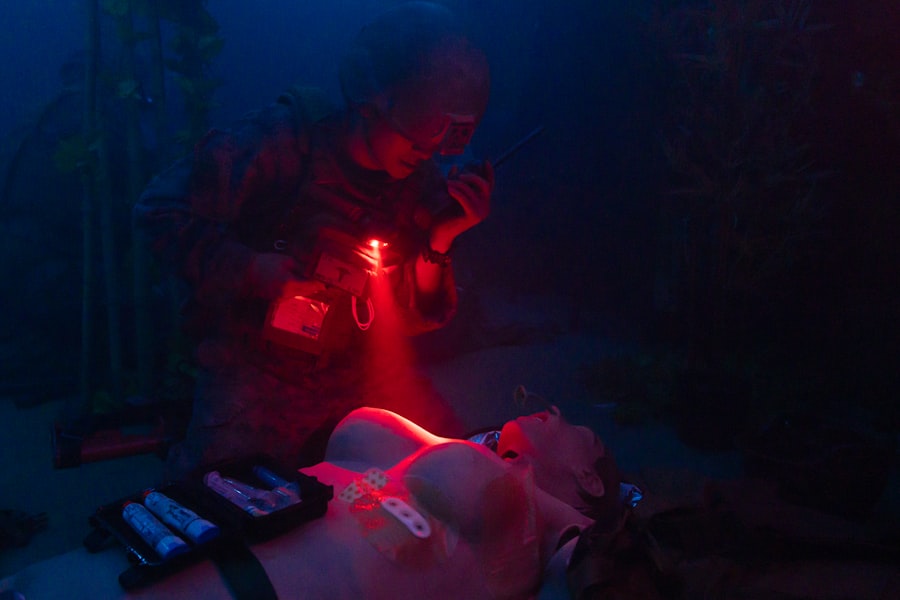
Recognizing the intricate relationship between your hypervigilance and empathy is the first step. The next is to develop practical strategies that allow you to respond effectively to trauma without sacrificing your own well-being. This is not about diminishing your capacities, but about harnessing them sustainably.
Grounding Techniques: Anchoring Yourself in the Present
When your hypervigilance triggers a flight or fight response, or your empathy threatens to pull you under, grounding techniques are essential. These practices help you reconnect with the present moment, reminding you that you are safe and that the immediate threat is not real.
Sensory Awareness: Engaging Your Physical Self
Focus on your physical sensations: the feel of the chair beneath you, the rhythm of your breath, the coolness of the air on your skin. Engage your senses in a neutral, non-threatening way to bring yourself back to the here and now. This can involve noticing five things you can see, four things you can touch, three things you can hear, two things you can smell, and one thing you can taste.
Conscious Breathing: Regulating Your Nervous System
Your breath is a powerful tool for self-regulation. Practicing deep, slow breaths can signal to your nervous system that it is safe to calm down. Inhale deeply through your nose, hold for a moment, and exhale slowly through your mouth.
Boundary Setting: Creating a Protective Shield
Effective boundary setting is not selfish; it is essential for your own survival and for your ability to continue offering support. It allows you to be present for others without becoming consumed by their pain.
Recognizing Your Limits: Knowing When to Say No
It is crucial to acknowledge your own capacity and to refrain from taking on more than you can realistically handle. Learning to say no, or to delegate when possible, is an act of self-preservation and responsible engagement.
Establishing Clear Agreements: Communicating Your Needs
Communicate your boundaries clearly and respectfully. This might involve setting limits on the amount of time you spend with individuals, the topics you are willing to discuss, or the types of support you can offer.
In exploring the complexities of trauma responses, the contrast between hypervigilance and empathy is particularly striking. Individuals who experience hypervigilance often find themselves on high alert, constantly scanning their environment for potential threats, while those who respond with empathy may become more attuned to the emotions and needs of others. This nuanced understanding of trauma responses can be further enriched by reading a related article that delves into these themes. For more insights, you can check out this informative piece on trauma responses that provides a deeper look into how different coping mechanisms manifest in our lives.
Fostering Resilience: Strengthening Your Inner Resources
| Response Type | Hypervigilance | Empathy |
|---|---|---|
| Definition | Excessive alertness and scanning of the environment for potential threats | Ability to understand and share the feelings of others |
| Impact on Relationships | May lead to difficulty in trusting others and forming close relationships | Can enhance understanding and connection with others |
| Physical Symptoms | Increased heart rate, muscle tension, and fatigue | Heightened emotional response and potential for emotional exhaustion |
| Therapeutic Approaches | Cognitive-behavioral therapy, relaxation techniques, and mindfulness practices | Empathy training, boundary setting, and self-care practices |
Responding to trauma can be draining, but it can also be a source of personal growth and resilience. By understanding and managing your hypervigilance and empathy, you can transform these powerful qualities into strengths that allow you to navigate challenging situations with greater effectiveness and self-compassion.
Self-Care as a Non-Negotiable Practice
Self-care is not a luxury; it is a necessity when working with trauma. Prioritize activities that replenish your energy, soothe your nervous system, and affirm your own worth.
Rejournaling and Reflective Practice
Taking time to process your own experiences, both those related to your work and your personal life, can be incredibly beneficial. Journaling or engaging in reflective dialogue allows you to sort through your thoughts and emotions, gain perspective, and identify areas where you may need additional support.
Engaging in Restorative Activities
Identify activities that bring you joy and allow you to recharge. This could be spending time in nature, engaging in creative pursuits, practicing mindfulness, or connecting with supportive loved ones. The key is to find what genuinely replenishes you.
Seeking Support: You Don’t Have to Carry the Load Alone
Remember that you are not an island. Reaching out for support when you need it is a sign of strength, not weakness.
Professional Supervision and Debriefing
Engage in regular supervision with a qualified professional. This provides a safe space to discuss challenging cases, explore your own reactions, and receive guidance on managing the emotional toll of trauma work. Debriefing after intensely challenging situations can also be invaluable.
Building a Supportive Community
Cultivate relationships with others who understand the demands of trauma-informed work. Sharing experiences, challenges, and coping strategies with peers can foster a sense of camaraderie and reduce feelings of isolation.
Your journey through hypervigilance and empathy is a continuous process of learning and adaptation. By acknowledging these powerful internal forces, understanding their interplay, and implementing sustainable strategies, you can effectively navigate the complexities of trauma response, protecting yourself while continuing to offer your unique capacity for connection and support to those who need it most. You possess a deep wellspring of both awareness and compassion, and by tending to this wellspring, you can continue to make a meaningful impact.
FAQs
What is hypervigilance as a trauma response?
Hypervigilance is a state of being constantly on high alert, often as a result of experiencing trauma. It can manifest as an intense awareness of potential threats, difficulty relaxing, and a heightened startle response.
What is empathy as a trauma response?
Empathy as a trauma response involves feeling deeply connected to and affected by the emotions and experiences of others who have also experienced trauma. This can lead to a strong desire to help and support others who are suffering.
How do hypervigilance and empathy differ as trauma responses?
Hypervigilance involves being hyper-aware of potential threats and danger, while empathy involves feeling deeply connected to the emotions and experiences of others. Hypervigilance can lead to a constant state of alertness, while empathy can lead to a strong desire to support and help others.
What are the potential impacts of hypervigilance as a trauma response?
Hypervigilance can lead to chronic stress, anxiety, and exhaustion. It can also impact relationships and daily functioning, as individuals may struggle to relax and feel safe.
What are the potential impacts of empathy as a trauma response?
Empathy as a trauma response can lead to emotional exhaustion, burnout, and compassion fatigue. Individuals may also struggle to set boundaries and prioritize their own well-being while supporting others.