You are about to embark on a journey to understand and master ventral engagement through the application of the 4-2-6 breathing technique. This is not a fleeting trend or a mystical incantation, but a practical and physiological approach to enhancing your core awareness, stability, and overall bodily control. By understanding the mechanics of your diaphragm, pelvic floor, and abdominal muscles, you can unlock a deeper level of connection between your mind and your physical self.
Ventral engagement refers to the coordinated activation and awareness of the muscles of your anterior core. This complex network includes the diaphragm, the pelvic floor, the transverse abdominis, the multifidus, and the obliques. It’s not simply about “sucking in your gut,” but rather a subtle, intentional contraction and stabilization of these deep, intrinsic muscles. Think of it as creating an internal corset, a natural support system that braces your spine, allows for efficient force transfer, and protects your internal organs. Without proper ventral engagement, your body is like a building with a weak foundation – prone to instability, inefficiency, and potential injury.
The Diaphragm: Your Primary Breathing Muscle
Your diaphragm, a dome-shaped muscle situated at the base of your chest cavity, plays a crucial role in more than just respiration. It is, in fact, the primary muscle of inhalation. However, its influence extends far beyond simply drawing air into your lungs. When properly engaged, the diaphragm acts as the ceiling of your core. Its descent during inhalation creates intra-abdominal pressure, which, when managed correctly, contributes significantly to spinal stability.
The Diaphragmatic Breath: The Foundation
The act of breathing is often taken for granted, yet it is a fundamental physiological process that profoundly impacts your entire system. A diaphragmatic breath, also known as abdominal breathing or belly breathing, is characterized by the expansion of the abdomen as the diaphragm contracts and lowers. In contrast, shallow chest breathing relies primarily on the intercostal muscles and leads to less efficient oxygen exchange and can contribute to increased tension in the neck and shoulders. Mastering the diaphragmatic breath is the first step towards understanding and controlling your ventral engagement.
Diaphragm and Intra-Abdominal Pressure
The descent of the diaphragm during inhalation naturally increases the pressure within your abdominal cavity. This intra-abdominal pressure acts like a hydraulic support system, pushing outwards against the abdominal wall and upward against the diaphragm. When your pelvic floor and deep abdominal muscles are also engaged, this pressure becomes a powerful force for stabilizing your spine. It’s akin to inflating a balloon – the pressure contained within provides rigidity and structure.
The Pelvic Floor: The Base of Your Core
Beneath your abdominal cavity lies the pelvic floor, a sling of muscles that supports your pelvic organs (bladder, uterus/prostate, rectum) and plays a vital role in sexual function and continence. When viewed in conjunction with the diaphragm, it forms the top and bottom of a cylinder of muscular support. Proper activation of the pelvic floor is essential for healthy ventral engagement and contributes to overall pelvic stability.
Pelvic Floor Activation: More Than Just Kegels
While Kegel exercises are often associated with pelvic floor strengthening, they represent only one aspect of engagement. True pelvic floor control involves the ability to both contract and relax these muscles with conscious awareness. You need to be able to gently lift and draw inwards, as well as release to allow for proper breathing and function. Imagine the pelvic floor as the adjustable base of a high-quality tripod – its ability to subtly shift and stabilize is critical for the overall balance of the structure.
The Synergy of Diaphragm and Pelvic Floor
The relationship between the diaphragm and the pelvic floor is one of profound synergy. When you inhale and your diaphragm descends, your pelvic floor should subtly relax and allow for abdominal expansion. Conversely, as you exhale and the diaphragm rises, the pelvic floor will naturally begin to engage, providing a gentle lift and stabilization. This reciprocal action is the bedrock of effective breathing and core support.
The Transverse Abdominis: Your Inner Corset
The transverse abdominis (TVA) is the deepest layer of abdominal muscle. It wraps around your abdomen like a corset, and its primary function is to compress the abdominal contents, which in turn stabilizes your lumbar spine and pelvis. It is a key player in maintaining good posture and preventing lower back pain.
Activating the TVA: The Subtle Draw-In
Activating the TVA requires a subtle, inward drawing of the lower abdomen, as if you’re gently trying to pull your belly button towards your spine. This is not a forceful crunch, but a mindful contraction originating from deep within. Think of it as tightening a drawstring on a bag – a controlled and precise closure that adds structural integrity.
The Role of TVA in Spinal Stability
The TVA, by compressing the abdominal cavity, creates an increase in intra-abdominal pressure that acts as a dynamic brace for your lumbar spine. This is crucial during any physical activity that involves movement or load-bearing. Without adequate TVA engagement, your spine is more susceptible to excessive flexion or extension, increasing the risk of injury.
Four two six breathing is an effective technique for promoting ventral engagement, helping individuals to regulate their emotions and enhance their sense of safety. For a deeper understanding of this practice and its benefits, you can explore a related article that provides insights and practical tips on implementing this breathing method. To learn more, visit this article.
The 4-2-6 Breathing Technique: A Practical Framework
The 4-2-6 breathing technique provides a structured and actionable method for developing and mastering ventral engagement. This pattern involves a specific ratio of inhalation, breath hold, and exhalation, designed to promote conscious control over your respiratory and core muscles. By adhering to this sequence, you systematically engage the diaphragm, pelvic floor, and transverse abdominis in a coordinated manner.
The Inhale (4 Seconds): Filling the Core
The initial four-second inhale in the 4-2-6 technique is designed to encourage a deep, diaphragmatic breath. As you inhale, focus on allowing your abdomen to expand outwards, rather than lifting your chest. This outward expansion signifies the descent of your diaphragm. Simultaneously, without consciously contracting them forcefully, aim for a subtle engagement of your pelvic floor and transverse abdominis. They should respond to the increasing intra-abdominal pressure by offering a gentle bracing.
Conscious Abdominal Expansion
During the four-second inhale, your primary focus is on expanding your abdomen like a balloon being filled with air. Imagine the air filling the space below your rib cage and pushing your belly outwards. This mindful expansion helps to ensure that you are utilizing your diaphragm effectively, rather than resorting to shallow chest breathing.
Anticipating Core Engagement
While the inhale is primarily about diaphragm movement, it’s also an opportunity to begin inviting your core muscles into action. As your abdomen expands, you should feel a subtle tension in your lower belly, indicating the engagement of your transverse abdominis. Your pelvic floor should feel a slight lengthening and a readiness to support the impending pressure. This is like a skilled conductor preparing an orchestra – each section is primed to respond to the cue.
The Breath Hold (2 Seconds): Consolidating Engagement
The two-second breath hold following the inhale is a crucial period for consolidating your ventral engagement. During this brief pause, you maintain the pressure and the muscular activation you’ve cultivated. This is where you actively practice holding the internal bracing, reinforcing the connection between your breath and your core.
Maintaining Intra-Abdominal Pressure
The two-second hold allows you to experience and solidify the intra-abdominal pressure generated by your diaphragmatic breath. It’s a moment to feel the internal bracing provided by your engaged core. Imagine you’re holding a precious object – you want to ensure it’s secure and stable.
Reinforcing Muscular Connection
This hold is not a passive state. It’s an active practice of maintaining the contracted state of your transverse abdominis and pelvic floor, even as your diaphragm relaxes slightly. This period trains your body to hold that internal tension for functional purposes, which is essential for activities requiring sustained core stability.
The Exhale (6 Seconds): Controlled Release and Deepening Engagement
The six-second exhale is the longest phase of the 4-2-6 technique and is key for controlled release and deepening your core awareness. As you exhale slowly, focus on drawing your abdominal muscles inwards, gently towards your spine, while maintaining a subtle engagement of your pelvic floor. This controlled exhalation helps to fine-tune your core control and promotes relaxation, which can further enhance your ability to engage your deep core muscles on subsequent breaths.
Slow and Controlled Exhalation
The extended six-second exhale is about mindful deflation. Imagine deflating a balloon slowly and deliberately, controlling the release of air. This slow release encourages a more complete exhalation, which benefits oxygen exchange and can help to further relax ancillary breathing muscles, allowing your diaphragm and core to take the lead.
Pelvic Floor and TVA Integration During Exhale
As you exhale, consciously draw your lower abdominal muscles inwards towards your spine. This is not a forceful pull, but a gentle contraction of your transverse abdominis. You should also feel your pelvic floor gently lift and engage as you expel the air. This coordinated action during exhalation is vital for creating a stable core throughout your breath cycle. It’s like closing a set of sturdy double doors – a controlled and interlocking closure.
Putting 4-2-6 Breathing into Practice: Building Awareness

Consistent practice is paramount to mastering ventral engagement with the 4-2-6 breathing technique. Begin by dedicating specific times each day to this practice. Initially, you may find it challenging to maintain the prescribed timing or to feel the subtle muscular engagement. Be patient with yourself and focus on progress rather than immediate perfection.
Finding Your Breath Anchor
As you begin the 4-2-6 breathing, try to find a mental “anchor” for your breath. This could be the sensation of the air entering and leaving your nostrils, the subtle rise and fall of your abdomen, or the feeling of your core muscles engaging. This anchor helps to keep your mind focused on the breath and the physical sensations, preventing distraction.
Tactile Feedback: Placing Your Hands
To enhance your awareness of diaphragmatic breathing, place one hand on your chest and the other on your abdomen. During the four-second inhale, you should feel your abdomen rise significantly, while your chest remains relatively still. This tactile feedback will help you identify and correct any tendencies towards chest breathing.
Proprioception: Feeling the Internal Shift
Proprioception is your body’s sense of its own position and movement. As you practice 4-2-6 breathing, tune into the internal sensations. Feel the descent of your diaphragm, the expansion of your abdomen, and the subtle engagement of your pelvic floor and transverse abdominis. This internal awareness is the essence of ventral engagement.
Gradual Progression and Consistency
Start with short practice sessions, perhaps 5-10 minutes, multiple times a day. As your comfort and awareness grow, you can gradually increase the duration of your practice sessions or the number of repetitions you perform. Consistency is more important than intensity. Think of it as watering a plant – regular, gentle watering yields the best results.
Integrating into Daily Activities
Once you feel comfortable with the 4-2-6 breathing in a stationary position, begin to integrate it into simple daily activities. Try practicing it while standing, walking, or performing light chores. This will help you transfer your newfound core awareness and control into functional movements.
Listening to Your Body
During practice, it’s important to listen to your body. If you experience any discomfort or dizziness, ease back and adjust the technique. The goal is to cultivate a sense of ease and control, not to push yourself beyond your limits.
Benefits of Mastered Ventral Engagement
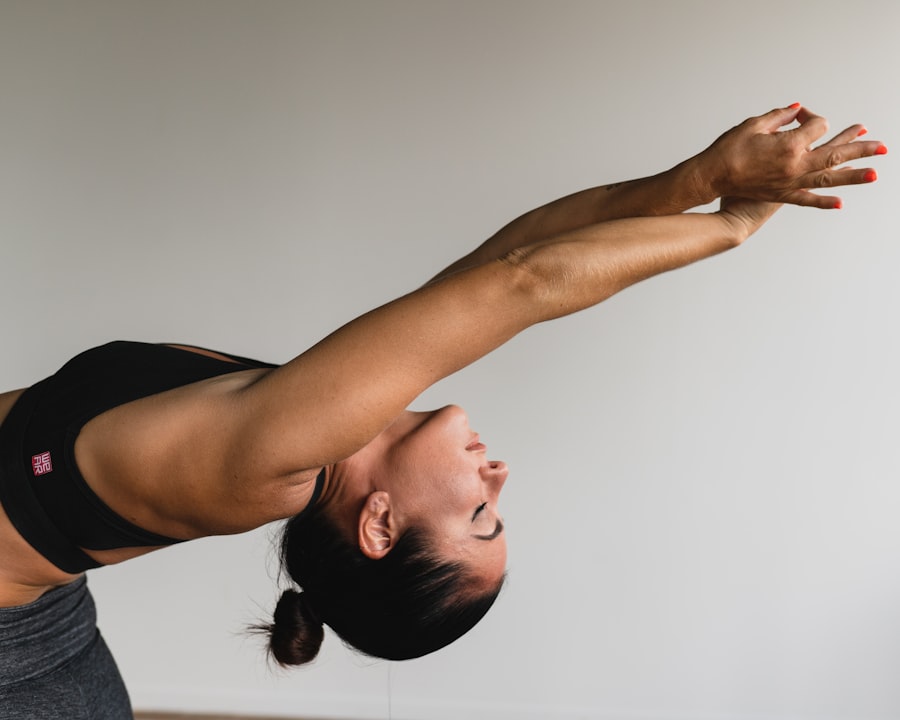
The mastery of ventral engagement through the 4-2-6 breathing technique extends far beyond improved breath control. It initiates a cascade of physiological benefits that can positively impact your physical health, mental well-being, and overall quality of life. This is not about achieving an aesthetic ideal, but about cultivating functional resilience and intrinsic strength.
Enhanced Spinal Stability and Posture
A consistently engaged ventral core provides robust support for your spine. This fundamental stability translates into improved posture, reducing the likelihood of slouching and the associated strain on your back and neck. It’s like having an internal scaffolding that keeps your skeleton properly aligned.
Reducing Lower Back Pain
Weak or poorly engaged core muscles are a common contributing factor to lower back pain. By strengthening and coordinating your ventral muscles, you create a more stable lumbar spine, reducing excessive movement and stress on the vertebrae and surrounding tissues. This can lead to significant relief from chronic or acute back discomfort.
Improved Athletic Performance
For athletes of all levels, a strong and well-coordinated ventral core is crucial for efficient force transfer. Whether you’re swinging a golf club, throwing a baseball, or running a marathon, your core acts as the central hub from which power is generated and transmitted to your limbs. Mastered ventral engagement allows for more explosive power, better agility, and reduced risk of injury.
Improved Breathing Efficiency and Respiratory Health
By prioritizing diaphragmatic breathing and consciously engaging your core, you improve the efficiency of your respiratory system. This can lead to increased oxygen intake, better carbon dioxide expulsion, and a reduction in shallow, inefficient breathing patterns. You’re essentially upgrading your internal air filtration and delivery system.
Reduced Anxiety and Stress
The connection between breath and the nervous system is undeniable. Deep, diaphragmatic breathing, facilitated by ventral engagement, activates the parasympathetic nervous system, promoting relaxation and reducing feelings of anxiety and stress. It’s like sending a calming message to your brain with every measured breath.
Greater Body Awareness and Proprioception
The practice of 4-2-6 breathing cultivates a heightened sense of body awareness. You become more attuned to the subtle signals your body sends, allowing you to identify tension, improve your movement patterns, and develop a more intimate connection with your physical self. This enhanced proprioception is the foundation for mindful movement and injury prevention.
Incorporating four two six breathing into your daily routine can significantly enhance your ventral engagement, promoting a sense of calm and connection. For a deeper understanding of this technique and its benefits, you might find it helpful to explore a related article on the topic. You can read more about it here, where you will discover practical tips and insights that can aid in your practice. By mastering this breathing method, you can foster a greater sense of well-being and emotional regulation.
Common Challenges and How to Overcome Them
| Step | Action | Duration (seconds) | Purpose | Notes |
|---|---|---|---|---|
| 1 | Inhale deeply through the nose | 4 | Fill lungs and engage diaphragm | Focus on expanding the belly, not the chest |
| 2 | Hold breath | 2 | Allow oxygen to saturate blood | Keep body relaxed, avoid tension |
| 3 | Exhale slowly through the mouth | 6 | Activate ventral vagal system for calmness | Engage abdominal muscles to push air out |
| 4 | Repeat cycle | 4-6 minutes | Enhance parasympathetic nervous system response | Practice in a quiet, comfortable environment |
As you embark on this journey of mastering ventral engagement, you may encounter certain challenges. Recognizing these common obstacles and understanding how to address them will streamline your progress and prevent frustration.
The Illusion of Effort
One of the most common challenges is the tendency to overcompensate with superficial abdominal muscles. You might feel like you’re working hard, but the engagement isn’t coming from the deep core. Remember, ventral engagement is subtle. If you feel strain in your neck or shoulders, you’re likely not engaging correctly.
Re-focusing on Diaphragmatic Breath
If you find yourself resorting to chest breathing or feeling tension in your upper body, immediately re-focus on your diaphragmatic inhale. Gently place your hands on your abdomen and ensure you feel the outward expansion. The deep core will follow the lead of the diaphragm.
Seeking Professional Guidance
If you consistently struggle to feel or activate your deep core muscles, consider seeking guidance from a physical therapist, certified athletic trainer, or a Pilates instructor who specializes in core training. They can provide personalized feedback and help you identify any underlying issues.
Difficulty with Breath Timing
Maintaining the precise 4-2-6 timing can be challenging initially. The numbers are a guideline, not a rigid rule. The goal is to create a rhythm that allows for conscious engagement.
Using a Metronome or Guided Audio
For external support, you can use a metronome app on your phone or find guided 4-2-6 breathing exercises online. These tools can help you establish and maintain the desired rhythm.
Focusing on the Sensation, Not Just the Count
While the numbers are important, prioritize the quality of your breath and the engagement of your core over hitting an exact count. If a slightly longer inhale feels more natural and allows for better diaphragmatic movement, that’s perfectly acceptable in the early stages.
Feeling “Blocked” or Unable to Engage
Some individuals may find it difficult to consciously engage their pelvic floor or transverse abdominis. This can sometimes be due to holding patterns of tension from stress or habitual postures.
Progressive Relaxation Techniques
Incorporate progressive muscle relaxation techniques into your routine to help release general bodily tension. This can make it easier to isolate and engage specific muscle groups.
Visualization and Mind-Muscle Connection
Use visualization to help foster the mind-muscle connection. Imagine gently drawing your navel towards your spine or imagine your pelvic floor lifting like a gentle elevator. The more you can mentally connect with the muscles, the easier it will be to physically engage them.
By approaching these challenges with patience and persistence, you will gradually build the skill and awareness necessary to truly master ventral engagement, unlocking a deeper level of control, stability, and well-being within your body.
FAQs
What is 4-2-6 breathing?
4-2-6 breathing is a controlled breathing technique where you inhale for 4 seconds, hold the breath for 2 seconds, and exhale for 6 seconds. It is designed to promote relaxation and improve respiratory efficiency.
How does 4-2-6 breathing help with ventral engagement?
4-2-6 breathing encourages diaphragmatic or ventral engagement by promoting deep, slow breaths that activate the lower lungs and diaphragm. This enhances oxygen exchange and supports the parasympathetic nervous system, leading to calmness and better core stability.
When is the best time to practice 4-2-6 breathing?
The best times to practice 4-2-6 breathing are during moments of stress, before sleep, or as part of a daily mindfulness or meditation routine. It can also be used before physical activities to improve focus and breathing efficiency.
Can anyone practice 4-2-6 breathing safely?
Generally, 4-2-6 breathing is safe for most people. However, individuals with respiratory conditions or certain health issues should consult a healthcare professional before starting any new breathing exercises.
How long should each 4-2-6 breathing session last?
A typical 4-2-6 breathing session can last from 5 to 10 minutes. Beginners may start with shorter sessions and gradually increase the duration as they become more comfortable with the technique.