
You are here to learn about grounding and resourcing, foundational elements of Somatic Experiencing. This approach, developed by Dr. Peter A. Levine, focuses on the body’s capacity to process and release stored trauma and stress responses. Before diving into specific exercises, it’s vital to understand what grounding and resourcing mean in this context. Think of your nervous system as a ship navigating a turbulent sea. Without a solid anchor (grounding) and a well-stocked toolbox of safety measures (resourcing), even moderate swells can feel overwhelming. These practices are designed to build your capacity to remain present and regulated when strong emotions or sensations arise.
Grounding, in the realm of Somatic Experiencing, refers to the process of connecting you to the present moment through your physical sensations and your interaction with your environment. It’s not about escaping difficult feelings, but rather about creating a stable platform from which you can observe and process them without being completely swept away. When you are grounded, you are more consciously aware of what is happening now, rather than being lost in the past or caught up in anxious future projections. This practice cultivates a sense of embodied presence, a feeling of being firmly rooted, like a tall tree whose roots spread deep into the earth, able to withstand strong winds.
The Physiology of Grounding
From a physiological perspective, grounding helps to activate the parasympathetic nervous system, often referred to as the “rest and digest” system. When you are stressed or traumatized, your sympathetic nervous system, the “fight or flight” response, can become hyperactive. Grounding practices encourage the counter-regulatory mechanisms of the parasympathetic nervous system to engage, signaling to your body that it is safe to relax. This can manifest as a slowing of your heart rate, a deepening of your breath, and a reduction in muscle tension. It’s like dialing down the alarm sirens in your internal control room.
What Grounding is NOT
It’s important to define what grounding is not, to avoid misconceptions. Grounding is not about suppressing emotions or pretending that difficult experiences aren’t happening. It’s not about forcing yourself to feel calm if you are experiencing distress. Instead, it’s about building your tolerance for those sensations, learning to notice them without being overwhelmed. It’s also not about denial; it is about acknowledging your present reality with a sense of stability. Conversely, dissociation, where you feel disconnected from your body or reality, is the opposite of grounding. You are aiming for integration and presence, not separation.
Benefits of Consistent Grounding Practice
Regular practice of grounding techniques can yield significant benefits. You may find yourself better equipped to handle everyday stressors, experiencing less reactivity to triggers. For individuals with a history of trauma, grounding is a crucial skill for building resilience, allowing for a gradual and safe exploration of difficult memories and emotions. It can improve your ability to focus, enhance your sense of self-awareness, and foster a greater feeling of safety and security within your own body. Think of it as building a strong foundation for your emotional and psychological well-being; the stronger the foundation, the more stable your entire structure will be.
If you’re interested in exploring somatic experiencing exercises for beginners, you might find the article on Unplugged Psych particularly helpful. It offers a comprehensive overview of various techniques that can aid in trauma recovery and enhance body awareness. For more information, you can read the article here: Unplugged Psych.
Discovering Your Resources: Internal and External Anchors of Safety
Resources, in Somatic Experiencing, are anything that evokes a sense of safety, comfort, ease, or strength within you. These are the internal and external elements you can consciously access to regulate your nervous system and create a buffer against distress. Think of resources as your personal toolkit for navigating challenging emotional landscapes. They are the lights you can switch on in the dark, the warm blanket you can pull around yourself when you feel exposed. Unlike grounding, which is about connecting to the present, resourcing is about actively cultivating feelings of safety and well-being.
Identifying Your Internal Resources
Internal resources are those you can generate from within yourself. These include memories of joyful experiences, feelings of competence, innate strengths, and positive qualities you possess. For example, recalling a time you felt courageous, compassionate, or resourceful can activate those same qualities in your present experience. Your imagination is a powerful tool here; you can vividly imagine yourself in a safe and pleasant place, engaging in an activity you love. These internal reserves are always available to you, even when external circumstances are challenging. They are the wellsprings of resilience that lie dormant within your consciousness, waiting to be tapped.
Exploring External Resources
External resources are things and people in your environment that provide you with a sense of safety and support. This could be a beloved pet, a cherished object, a particular song that uplifts you, or a place in nature that feels peaceful. Importantly, it can also be the presence of a trusted friend, family member, therapist, or therapist. It’s about identifying those who make you feel seen, heard, and supported. These external elements act as external anchors, reminding you that you are not alone and that there are sources of comfort and stability in the world around you. Consider them as reliable lighthouses guiding you through foggy seas.
The Role of the Senses in Resourcing
Your senses are the gateways to your experience, and they play a crucial role in accessing your resources. Engaging your senses can amplify the feelings of safety and well-being associated with your chosen resources. For instance, if your resource is a cozy blanket, consciously feel its texture, notice its warmth, and perhaps even its scent. If it’s a memory of laughter, really listen to the sound of it in your mind’s ear. The more vividly you engage your senses, the more potent the felt experience of your resource will be. This detailed sensory engagement transforms a simple memory into a vibrant, felt reality.
Building Your Personal Resource List
The practice of identifying and cataloging your resources is an ongoing process. You are encouraged to create a personal list, a veritable treasure chest, of things that consistently bring you comfort and a sense of safety. This list can be written down, recorded, or simply held in your mind. Regularly returning to and revisiting these resources strengthens their impact and makes them more readily accessible when needed. It’s like tending to a garden; the more you nurture your resources, the more they will bloom and provide you with comfort. This isn’t a static list; it can evolve as you discover new sources of solace and strength throughout your life.
Beginner-Friendly Grounding Exercises
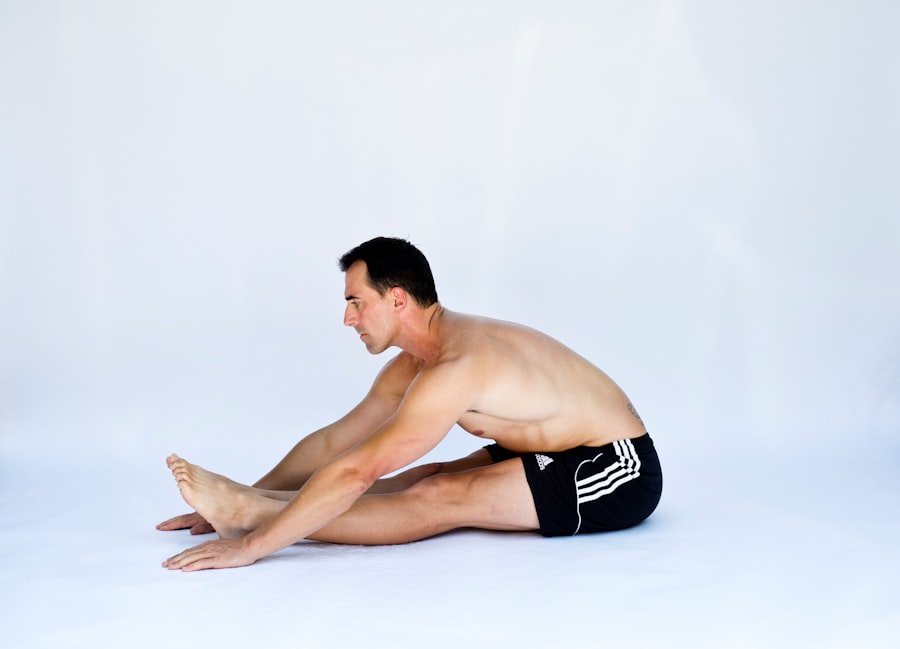
To begin engaging with grounding, you can start with simple, accessible exercises. These are designed to gently introduce you to the concept of present-moment awareness through your body and environment. The goal is not to achieve a profound altered state, but rather to build a foundational awareness of your physical presence, like learning to build a small, sturdy raft before venturing into deeper waters.
The 5-4-3-2-1 Grounding Technique
This is a widely recommended and effective technique for bringing you back to the present moment. It engages your senses to systematically notice your surroundings:
- 5: Notice five things you can see. Look around your environment and consciously name five objects, colors, or textures. For example, “I see the blue of the wall,” “I see the grain of the wood on the table,” “I see the light reflecting off the window.”
- 4: Notice four things you can touch or feel. This can include the sensation of your feet on the floor, the fabric of your clothing, the surface you are sitting on, or the air on your skin. “I feel the solidity of the chair beneath me,” “I feel the soft texture of my sweater,” “I feel the coolness of the air on my arms.”
- 3: Notice three things you can hear. Listen intently to the sounds around you, both near and far. This might be the hum of a refrigerator, traffic noise outside, or your own breath. “I hear the gentle whirring of the fan,” “I hear the distant sound of cars,” “I hear the rhythmic sound of my own breathing.”
- 2: Notice two things you can smell. Consciously take a deep breath and try to identify any scents in the air. This could be the aroma of coffee, the scent of a candle, or even just the neutral smell of your living space. “I can smell the faint scent of lavender,” “I notice the neutral scent of the room.”
- 1: Notice one thing you can taste. This might be the lingering taste of something you recently ate or drank, or simply the natural taste in your mouth. “I taste the faint mintiness from my toothpaste.”
This systematic approach gently anchors your attention to the external world and your immediate sensory experience, providing a strong sense of here-and-now. It’s like a gentle reorientation, steering you away from the internal storms and towards the observable realities of your present environment.
Feeling Your Feet on the Ground (or Seat on the Chair)
This is a fundamental grounding exercise. It involves consciously bringing your awareness to the physical sensations of your body making contact with a surface.
- Instructions: Sit or stand comfortably. Gently close your eyes, or soften your gaze. Without judgment, bring your attention to your feet. Notice the sensation of your feet touching the ground. Feel the pressure, the temperature, the texture. If you are sitting, bring your attention to the points of contact between your body and the chair. Notice the weight of your body being supported. Explore the sensations with curiosity, as if you are experiencing them for the first time. You can shift your weight slightly to feel the change in pressure and sensation.
This exercise helps you to feel physically present and supported, reinforcing the idea that you are securely connected to the earth or your seating. It’s a simple yet profound way to anchor yourself when you feel disconnected or floaty. Think of it as literally feeling the earth’s embrace, a constant and reliable source of stability.
Noticing Your Breath (Without Changing It)
Your breath is a constant, rhythmic companion. While deep breathing can be a resourcing technique, for grounding, the focus is on simply observing your breath as it is.
- Instructions: Again, find a comfortable position. Gently bring your awareness to the sensation of your breath entering and leaving your body. You don’t need to control it, deepen it, or change it in any way. Simply notice the inhale and the exhale. Where do you feel it most prominently? Perhaps in your nostrils, your chest, or your abdomen. Observe the subtle rise and fall of your torso with each breath. If your mind wanders, gently acknowledge it and guide your attention back to the sensation of your breath.
This practice connects you to a vital, automatic bodily process, which is inherently present-focused. It’s like tuning into the steady hum of your internal engine, a reminder that you are alive and breathing in this very moment.
Gentle Body Scan for Grounding
A brief, focused body scan can help you reconnect with your physical self.
- Instructions: Begin by noticing the sensations in your feet, as described above. Then, gradually move your awareness upwards through your body, pausing briefly at each area. Notice any sensations without trying to change them. You might feel pressure, warmth, coolness, tingling, or even a lack of sensation. Simply observe. Move from your feet to your ankles, calves, knees, thighs, hips, abdomen, chest, shoulders, arms, hands, neck, and head. This is not about diagnosing or fixing, but merely about noticing your physical presence.
This offers a comprehensive, yet gentle, reconnecting with your physical form, like a surveyor mapping out familiar territory. It helps to consolidate your awareness within your body, making you feel more present and embodied.
Developing Your Personal Resource Toolkit
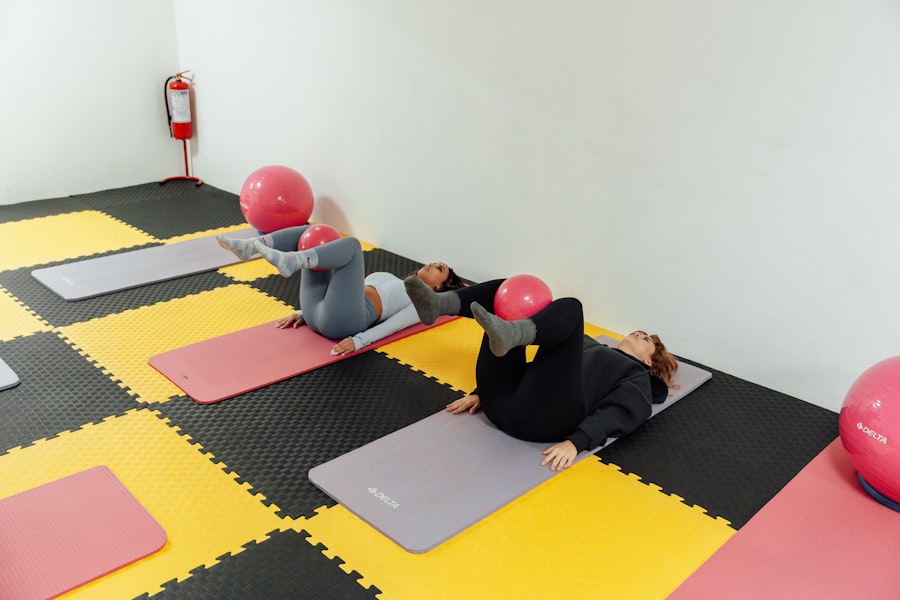
Identifying and cultivating your resources is an active and empowering process. It’s about consciously building a collection of internal and external anchors that can support you through challenging times. Think of it as assembling your own personal emergency kit, ensuring you have the tools you need when you encounter difficulties.
Step-by-Step Process for Identifying Resources
To begin building your resource list, you can follow these steps:
- Reflect on Times of Ease: Think about moments in your life when you felt safe, happy, strong, or at peace. What was happening? Who were you with? What were you doing? What did it feel like in your body?
- Explore Sensory Preferences: What sights, sounds, smells, tastes, or textures reliably bring you comfort or peace? This could be the smell of rain, the sound of ocean waves, the visual of a sunlit forest, or the feel of soft fabric.
- Consider Your Strengths and Qualities: What are your positive attributes? Are you compassionate, resilient, creative, resourceful, or loving? Remind yourself of these innate qualities.
- Identify Supportive People and Places: Who are the people in your life who make you feel safe and understood? What places in nature or in your home evoke a sense of calm?
- Engage Your Imagination: What would a perfectly safe and comfortable place look like for you? What activities would you be engaged in there?
Documenting these discoveries, whether in a journal or a digital note, serves as a tangible reminder of your available resources. This act of writing them down can also solidify their presence in your awareness.
Creating a “Safe Place” Visualization
A “safe place” visualization is a powerful internal resource. It’s an imaginary sanctuary where you can go to feel completely at ease and protected.
- Instructions: Find a quiet space where you won’t be interrupted. Close your eyes and begin to imagine a place where you feel completely safe and at peace. This place can be real or imaginary. What does it look like? What colors do you see? What sounds do you hear? Are there any smells? What is the temperature like? Is there anything you are touching? What is the overall feeling in this place? Fully immerse yourself in the sensory details of this place. Spend time exploring it, noticing the comfort and security it offers. You can return to this place whenever you need to feel grounded and safe.
This is your personal mental refuge, a place you can conjure at will. It’s like having a secret garden in your mind, always available to you.
Using Objects as External Resources
Tangible objects can serve as potent external resources, acting as physical reminders of safety and comfort.
- Instructions: Identify an object that holds positive associations for you. This could be a smooth stone, a soft scarf, a photograph, a piece of jewelry, or anything that evokes feelings of calm or strength. Carry this object with you, or place it in a location where you can easily see or touch it. When you feel overwhelmed, you can hold the object, focus on its texture, its weight, and its appearance. Allow the object to remind you of the positive feelings associated with it.
These objects act as little anchors in your physical environment, tangible touchstones that can bring you back to a state of ease. Like a favorite worn book, they offer a familiar and comforting presence.
The Power of Music and Sound
Music and specific sounds can have a profound impact on your nervous system, evoking a range of emotions and states of being.
- Instructions: Compile a playlist of music that consistently makes you feel calm, joyful, or energized. This could be instrumental music, nature sounds, or songs with uplifting lyrics. When you need to access a resourceful state, listen to your chosen music. Pay attention to how the music affects your body and your emotions. You can also explore specific sounds, such as the gentle sound of a crackling fire or the steady rhythm of rain, which can be deeply soothing.
Music and sound can act as direct pathways to your emotional and physiological states, like a skilled conductor guiding an orchestra.
Focusing on Positive Memories
Revisiting pleasant memories can be a powerful way to access your internal resources.
- Instructions: Think of a time when you felt happy, proud, or loved. Allow yourself to fully re-experience that memory. What were you seeing, hearing, smelling, tasting, and feeling? Where were you? Who were you with? Immerse yourself in the details of the memory and allow the positive emotions to arise. You can even write down these memories, creating a collection of cherished moments to revisit.
This practice cultivates a sense of inner abundance, reminding you of your capacity for joy and well-being. It’s like pulling out old photo albums of happy times, reliving the warmth and light they contain.
For those interested in exploring somatic experiencing exercises for beginners, a great resource can be found in an article that delves into practical techniques and insights. These exercises can help individuals reconnect with their bodies and process trauma more effectively. To learn more about these techniques and how they can benefit your well-being, you can check out this informative piece on Unplugged Psych.
Integrating Grounding and Resourcing into Daily Life
| Exercise Name | Description | Duration | Difficulty Level | Benefits |
|---|---|---|---|---|
| Body Scan | Focused attention on different parts of the body to notice sensations without judgment. | 5-10 minutes | Beginner | Increases body awareness, reduces tension, promotes relaxation. |
| Grounding Exercise | Connecting with the present moment by feeling the support of the ground beneath you. | 3-5 minutes | Beginner | Enhances sense of safety, reduces anxiety, improves focus. |
| Pendulation | Alternating attention between areas of tension and areas of comfort in the body. | 5-15 minutes | Beginner to Intermediate | Helps regulate nervous system, releases stored stress. |
| Resourcing | Identifying and focusing on internal or external resources that evoke safety and calm. | 5-10 minutes | Beginner | Builds resilience, promotes emotional regulation. |
| Tracking Sensations | Observing and describing bodily sensations as they arise and change. | 5-10 minutes | Beginner | Improves emotional awareness, supports trauma processing. |
The effectiveness of grounding and resourcing lies in their consistent integration into your daily routine, not just as crisis management tools, but as proactive practices for cultivating well-being. Think of it like maintaining a healthy diet; regular input leads to long-term vitality.
Starting Small and Building Gradually
As a beginner, it’s crucial to approach these practices with patience and a gentle attitude.
- Start with one or two exercises: Choose a grounding exercise and a resource-building strategy that resonate with you. Practice them for a few minutes each day.
- Consistency over intensity: It’s more beneficial to do short, regular practices rather than infrequent, long ones. Even 30 seconds of mindful breathing or noticing your feet on the floor can make a difference.
- Be kind to yourself: There will be days when it feels easier than others. Don’t judge your progress. Simply show up to the practice. Your nervous system is always learning, and this is a process of building new pathways.
Think of this as building up your stamina for a marathon; you start with short sprints and gradually increase your distance.
Using Grounding and Resourcing During Stressful Moments
When you notice yourself becoming overwhelmed, anxious, or triggered, these practices serve as an immediate toolkit.
- Pause and Breathe: Take a moment to acknowledge what is happening internally.
- Apply a Grounding Technique: Use the 5-4-3-2-1 technique or feel your feet on the ground to anchor yourself in the present.
- Access a Resource: Immediately shift your attention to a chosen resource. This could be a safe place visualization, holding an object, or recalling a positive memory.
- Notice the Shift: Pay attention to any subtle changes in your body and emotions as you engage these practices. This reinforces their effectiveness.
This is like having an emergency brake available on a runaway train; it allows you to interrupt the momentum of distress and regain control.
Creating Reminders and Cues
To ensure regular practice, it can be helpful to create gentle reminders.
- Set alarms: Use your phone or watch to set discreet reminders throughout the day to practice a grounding or resourcing technique.
- Place physical cues: Keep a small object that served as a resource in a visible place, or put a sticky note with a reminder to breathe on your computer screen.
- Associate with existing routines: Link your practice to an existing daily habit, such as drinking your morning coffee or brushing your teeth.
These cues act as gentle nudges, integrated into your daily rhythm, ensuring these practices don’t fall by the wayside. They are like friendly signposts on your journey.
Sharing Your Experiences (Optional)
For some, sharing their experiences with a trusted friend, family member, or therapist can be beneficial.
- Talking about your practices: Discussing your grounding and resourcing experiences can deepen your understanding and provide valuable feedback.
- Partnering with someone: Practicing together with a supportive individual can offer encouragement and accountability.
This can be like navigating a new terrain with a companion; sharing observations and challenges can make the journey smoother.
Advanced Considerations and Next Steps
As you become more comfortable with basic grounding and resourcing, you may find yourself ready to explore more advanced applications of Somatic Experiencing principles. These practices are not a substitute for professional therapy, especially for complex trauma, but they can significantly enhance your self-awareness and regulation skills.
Understanding the Connection Between Grounding, Resourcing, and Titration
In Somatic Experiencing, resourcing and grounding are often used in conjunction with a concept called “titration.” Titration is the process of gently and gradually engaging with difficult sensations or memories in manageable doses, always returning to a state of resource and grounding in between.
- The “Pendulation” Process: Imagine your nervous system as a pendulum. When you encounter a stressful sensation, the pendulum swings towards distress. Grounding and resourcing help to pull the pendulum back towards a state of ease, and then you can gently allow it to swing back towards the sensation again, but only as far as feels manageable. This back-and-forth movement, called pendulation, allows your system to process distress without becoming overwhelmed.
- Building Resilience Incrementally: By titrating your experience, you are essentially teaching your nervous system that it can tolerate difficult feelings and sensations. Each successful return to resource and grounding builds your capacity to stay present with challenging material.
This is akin to gradually exposing yourself to sunlight after being indoors for a long time; you start with brief periods and slowly increase the duration, allowing your skin (or nervous system) to adapt.
When to Seek Professional Guidance
While these exercises are designed for beginners, it’s important to acknowledge their limitations.
- For Complex Trauma: If you have a history of significant trauma, particularly childhood trauma, it is highly recommended to work with a Somatic Experiencing Practitioner or a trauma-informed therapist. They can provide personalized guidance and support, ensuring you engage with challenging material safely.
- When Overwhelm Persists: If you find that despite your efforts, you consistently feel overwhelmed, dysregulated, or unable to access your resources, seeking professional support is crucial. A trained professional can help identify underlying patterns and provide more targeted interventions.
Professional guidance is like having an experienced captain for a long voyage; they can navigate you through treacherous waters and ensure your safety.
Deepening Your Practice
Once you feel proficient with basic exercises, you can further enhance your practice.
- Increase the duration: Gradually extend the time you spend on grounding and resourcing exercises.
- Explore more subtle sensations: Become more attuned to finer nuances of bodily sensations and emotional states.
- Integrate into movement: Explore how grounding and resourcing can be applied during physical activity, such as walking or yoga.
This is about moving from simply knowing the steps to embodying the dance; your connection to these practices becomes more fluid and intuitive.
The Long-Term Impact of Grounding and Resourcing
The consistent application of grounding and resourcing techniques can lead to profound and lasting changes in your overall well-being. You may notice:
- Increased emotional regulation and resilience.
- A greater sense of inner peace and stability.
- Improved ability to connect with yourself and others.
- A reduction in symptoms associated with stress and past trauma.
- A more embodied and present experience of life.
By consistently tending to your internal ecosystem, you foster an environment where well-being can flourish. Grounding and resourcing are not just techniques; they are pathways to a more integrated and resilient self. They are the steady hands that guide you back to yourself, time and time again.
FAQs
What is somatic experiencing?
Somatic experiencing is a therapeutic approach designed to help individuals process and release trauma stored in the body. It focuses on bodily sensations and aims to restore the body’s natural ability to self-regulate and heal.
Who can benefit from somatic experiencing exercises?
Anyone experiencing stress, anxiety, trauma, or emotional dysregulation can benefit from somatic experiencing exercises. These exercises are especially helpful for beginners looking to develop greater body awareness and emotional resilience.
What are some common somatic experiencing exercises for beginners?
Common beginner exercises include grounding techniques, body scanning, mindful breathing, gentle movement, and tracking physical sensations. These exercises help individuals connect with their bodies and release tension safely.
How often should beginners practice somatic experiencing exercises?
Beginners are encouraged to practice somatic experiencing exercises regularly, such as daily or several times a week, depending on their comfort level. Consistent practice helps build awareness and supports emotional regulation over time.
Is it necessary to work with a professional when starting somatic experiencing?
While some somatic experiencing exercises can be practiced independently, working with a trained somatic experiencing practitioner is recommended, especially for those with significant trauma. A professional can provide guidance, ensure safety, and tailor exercises to individual needs.