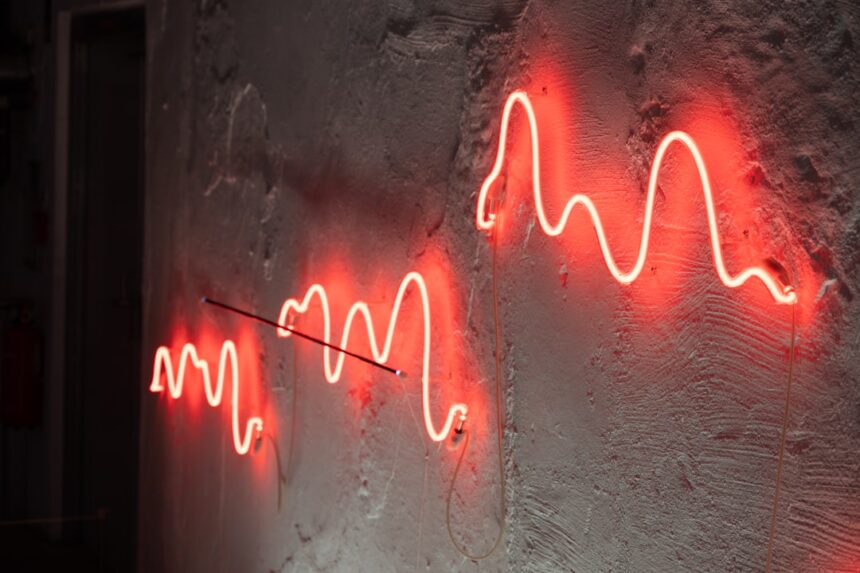
You’ve felt it, haven’t you? That sudden, unwelcome acceleration of your heartbeat. Your chest tightens, your breath hitches, and your mind races. It’s a visceral experience, a drum solo in your ribcage that can send shivers down your spine. This article aims to demystify those moments, exploring the nuances of heart rate spikes, distinguishing between harmless fluctuations and signals that warrant closer attention. We’ll delve into the physiology of your racing heart, dissect the triggers, and equip you with the knowledge to interpret these internal signals more effectively.
Your heart is a remarkable engine, meticulously calibrated to meet the demands of your life. Think of it as a highly sophisticated pump, tirelessly circulating blood to deliver oxygen and nutrients throughout your body. When you experience a heart rate spike, it’s your cardiovascular system sending out an early warning signal, a rapid response to a perceived change in your environment or internal state. This isn’t a random surge; it’s a finely tuned biological mechanism.
The Autonomic Nervous System: Your Body’s Automatic Pilot
At the helm of your heart’s intricate control system sits your autonomic nervous system (ANS). This is your body’s automatic pilot, managing vital functions like breathing, digestion, and, crucially, your heart rate, without conscious thought. The ANS operates through two primary branches, working in tandem to maintain a delicate equilibrium:
The Sympathetic Nervous System: The “Fight or Flight” Accelerator
When you encounter a perceived threat, whether it’s a sudden loud noise, a stressful deadline, or even an intense workout, your sympathetic nervous system kicks into high gear. This is the part of your ANS that revs your engine. It releases hormones like adrenaline and noradrenaline, which act like a shot of espresso for your heart. Your heart rate increases, your blood pressure rises, and blood is shunted away from less critical functions towards your muscles, preparing you for action. This is nature’s way of ensuring you can either stand your ground and fight or make a swift escape.
The Parasympathetic Nervous System: The “Rest and Digest” Governor
Conversely, when you are relaxed and at ease, your parasympathetic nervous system takes the reins. This is your body’s natural chill pill. It slows your heart rate, promotes digestion, and conserves energy. It’s the gentle hand on the tiller, guiding your body back to a state of calm after the storm. The interplay between these two systems is a constant dance, ensuring your body can adapt to a wide range of circumstances.
If you’re concerned about whether a spike in your heart rate is a warning sign or simply a reaction to fear, it’s essential to understand the underlying factors that contribute to these physiological responses. For more insights on this topic, you can read a related article that delves into the connection between heart rate fluctuations and emotional states. Check it out here: Unplugged Psych. This resource provides valuable information that can help you differentiate between stress-induced heart rate changes and those that may indicate a more serious health concern.
The Innate Response: A Survival Mechanism
Understanding the sympathetic nervous system’s role is key to recognizing
FAQs
1. What are common causes of a sudden heart rate spike?
A sudden increase in heart rate can be caused by physical exertion, stress, anxiety, fear, caffeine intake, certain medications, or underlying medical conditions such as arrhythmias or hyperthyroidism.
2. How can I differentiate between a heart rate spike caused by fear and one that signals a medical warning?
A heart rate spike due to fear or anxiety is usually accompanied by identifiable triggers, such as a stressful event, and symptoms like sweating, trembling, or a sense of panic. Warning signs of a medical issue may include chest pain, dizziness, shortness of breath, fainting, or a heart rate that is irregular or excessively high without an obvious cause.
3. When should I seek medical attention for a rapid heart rate?
You should seek immediate medical attention if your rapid heart rate is accompanied by chest pain, fainting, severe shortness of breath, weakness, or if the heart rate is consistently above 100 beats per minute at rest without an apparent reason.
4. Can fear or anxiety cause long-term heart problems?
While occasional fear or anxiety-induced heart rate spikes are generally not harmful, chronic anxiety and stress can contribute to long-term cardiovascular issues, including hypertension and increased risk of heart disease.
5. What steps can I take to manage heart rate spikes related to fear or anxiety?
Techniques such as deep breathing exercises, mindfulness meditation, regular physical activity, adequate sleep, and seeking professional mental health support can help manage anxiety-related heart rate spikes. Avoiding stimulants like caffeine and nicotine may also reduce episodes.