
You’ve likely experienced a moment of intense fear or a physical sensation of unease that left you questioning your well-being. Perhaps your heart pounded like a drum, your palms grew clammy, and a sense of dread washed over you. In such instances, it’s crucial to understand that these symptoms can arise from two distinct, yet sometimes confusing, conditions: hypoglycemia and panic attacks. While both can feel like a personal emergency, their origins and treatments differ significantly. This article will serve as your guide, demystifying these two conditions to equip you with the knowledge to differentiate between them and seek appropriate care.
Hypoglycemia, often referred to as low blood sugar, occurs when the glucose levels in your bloodstream drop too low. Glucose is your body’s primary source of energy, and when it’s insufficient, your systems begin to falter. Think of your body as a sophisticated engine; glucose is the high-octane fuel that keeps it running smoothly. When this fuel runs low, the engine starts to sputter, and warning lights flash.
Defining the Threshold: What Constitutes “Low Blood Sugar”?
There isn’t a single, universally agreed-upon blood glucose number that defines hypoglycemia for everyone. However, in a medical context, a blood glucose reading below 70 milligrams per deciliter (mg/dL) is generally considered the threshold for hypoglycemia. This number can fluctuate based on individual factors, and some individuals may experience symptoms at slightly higher or lower levels. Your doctor will be able to provide you with a more personalized understanding of your own blood sugar targets.
The Role of Insulin and Blood Sugar Regulation
Your body has an intricate system in place to maintain stable blood sugar levels, with insulin and glucagon playing starring roles. Insulin, produced by your pancreas, acts like a key, allowing glucose from your bloodstream to enter your cells for energy. Glucagon, also from the pancreas, has the opposite effect, signaling your liver to release stored glucose when blood sugar levels are low. When this delicate dance breaks down, hypoglycemia can ensue.
Common Scenarios Leading to Hypoglycemia
Several everyday situations can precipitate a drop in blood sugar. Understanding these scenarios is key to prevention and recognition.
Missed Meals or Inadequate Food Intake
Skipping meals or consuming insufficient carbohydrates are perhaps the most common culprits. When you don’t refuel your body, your glucose stores become depleted, leading to hypoglycemia. Imagine trying to drive a car on an empty tank – eventually, you’ll run out of gas. This is precisely what happens to your body when you go too long without eating.
Intense Physical Activity
Strenuous exercise burns a significant amount of glucose. If you engage in prolonged or intense physical activity without adequately replenishing your carbohydrate intake, your blood sugar levels can plummet. Think of a marathon runner – without proper fueling, their energy reserves will be exhausted, leading to hypoglycemia.
Certain Medications and Medical Conditions
For individuals with diabetes, particularly those taking insulin or certain oral medications, hypoglycemia can be a significant concern. These medications are designed to lower blood sugar, and if not carefully managed, they can lead to readings that are too low. Additionally, some medical conditions, such as certain liver or kidney disorders, can also affect blood sugar regulation and increase the risk of hypoglycemia.
The Physical Symphony of Hypoglycemia
The symptoms of hypoglycemia can range from mild to severe, affecting various bodily systems. These are not voluntary reactions; they are your body’s involuntary signals that it’s in distress due to a lack of energy.
The Early Warning Signs: A Gradual Unsettling
Often, the initial symptoms of hypoglycemia are subtle. You might experience:
- Shakiness or Trembling: This is often one of the first noticeable signs. Your muscles, deprived of glucose, may begin to involuntarily contract and relax. It’s like a subtle tremor running through your body.
- Sweating: You may start to sweat more than usual, even if you’re not physically exerting yourself. This is your body’s attempt to cool down by increasing evaporation, a response triggered by the stress of low glucose.
- Anxiety or Nervousness: A feeling of unease and heightened alertness can creep in. Your brain, like any other organ, relies on glucose, and its deprivation can lead to these emotional shifts.
- Irritability or Impatience: Your mood can take a sharp turn. Low glucose can affect cognitive function and emotional regulation, making you more prone to snapping or feeling easily frustrated.
- Hunger: Your body’s primal hunger signals will likely intensify as it desperately seeks glucose.
- Dizziness or Lightheadedness: A feeling that the room is spinning or that you might faint can occur as your brain struggles with insufficient fuel.
The Escalating Crisis: When Symptoms Intensify
If left unaddressed, hypoglycemia can worsen, leading to more severe symptoms:
- Confusion or Difficulty Concentrating: Your cognitive abilities will be significantly impaired. You might find it hard to think clearly, remember things, or follow conversations. This is your brain’s processing power being throttled.
- Headache: A throbbing headache can develop as blood vessels in the brain respond to the lack of glucose.
- Blurred Vision or Double Vision: Your visual system can be affected, leading to temporary difficulties with sight.
- Nausea: A feeling of sickness in your stomach can arise.
- Weakness or Fatigue: You’ll likely feel an overwhelming sense of exhaustion and a lack of physical strength.
- Rapid Heartbeat (Palpitations): Your heart may beat faster and more forcefully as it tries to compensate for the lack of energy.
- Seizures: In severe cases, if blood glucose levels drop critically low, seizures may occur. This is a serious medical emergency.
- Loss of Consciousness: The most severe consequence of untreated hypoglycemia is passing out.
Understanding the distinction between hypoglycemia and panic attack symptoms is crucial for effective management and treatment. For a deeper insight into this topic, you can explore the article available at Unplugged Psych, which discusses the overlapping symptoms of these conditions and offers guidance on how to differentiate between them. This resource can be particularly helpful for individuals experiencing frequent episodes of anxiety or low blood sugar, as it provides valuable information on recognizing and addressing these symptoms appropriately.
The Sudden Onslaught: The Nature of Panic Attacks
In contrast to the often gradual onset of hypoglycemia, panic attacks typically strike with remarkable speed and intensity. A panic attack is characterized by a sudden surge of overwhelming fear or discomfort that reaches its peak within minutes. It’s as if a trapdoor has suddenly opened beneath you, plunging you into a situation of intense distress.
Understanding the Fear Response: Your Body’s Alarm System
Panic attacks are rooted in the body’s fight-or-flight response, a primal survival mechanism designed to protect you from perceived threats. When you encounter danger, your body releases adrenaline and other hormones, preparing you to either fight or flee. In a panic attack, this response is triggered inappropriately, without any real external threat.
The Amygdala’s Role: The Brain’s Fear Center
The amygdala, a small almond-shaped structure in your brain, plays a central role in processing fear. In individuals prone to panic attacks, the amygdala can become hypersensitive, misinterpreting normal bodily sensations or thoughts as signs of imminent danger. This misinterpretation then sets off the alarm bells of the fight-or-flight system.
Triggers for Panic Attacks
While sometimes seemingly spontaneous, panic attacks can be initiated by various factors.
Stress and Anxiety
Chronic stress and high levels of general anxiety are significant risk factors for panic attacks. When your body is consistently in a heightened state of alert, it becomes more susceptible to the fight-or-flight response being overactivated.
Specific Phobias or Fears
Having intense fears of specific objects or situations (phobias) can trigger panic attacks when you encounter those triggers. For instance, someone with a fear of heights might experience a panic attack when standing on a tall building.
Major Life Changes or Traumatic Events
Significant life transitions, such as job loss, relationship breakdowns, or the death of a loved one, can increase the likelihood of panic attacks. Similarly, experiencing traumatic events can leave individuals with a heightened sense of vulnerability and fear.
Certain Physical Sensations
Paradoxically, certain physical sensations that are not inherently dangerous can sometimes trigger a panic attack. These can include a rapid heartbeat (perhaps from exercise) or even feeling a bit short of breath. Your brain misinterprets these normal sensations as signs of danger.
The Physical and Emotional Terrain of a Panic Attack
The symptoms of a panic attack are as varied as they are intense, often encompassing a wide range of physical and emotional disturbances.
The Sudden Onset of Intense Fear
The hallmark of a panic attack is the sudden and overwhelming feeling of dread, terror, or impending doom. You might feel like you’re losing control or are about to die, even though there’s no objective reason for this fear.
The Physical Manifestations: A Sensory Overload
You will likely experience a cascade of physical symptoms that can feel alarming and debilitating:
- Palpitations, Pounding Heart, or Accelerated Heart Rate: This is often one of the most prominent symptoms. Your heart can race as if you’ve just run a sprint.
- Sweating: Profuse sweating is common, similar to hypoglycemia, but often accompanied by a feeling of intense heat or chills.
- Trembling or Shaking: You may experience uncontrollable tremors, making it difficult to hold things steady.
- Sensations of Shortness of Breath or Smothering: You might feel like you can’t get enough air, or that something is constricting your breathing.
- Chest Pain or Discomfort: This can be a particularly frightening symptom, as it can be mistaken for a heart attack.
- Nausea or Abdominal Distress: You might feel sick to your stomach or experience stomach cramps.
- Feeling Dizzy, Unsteady, Lightheaded, or Faint: Similar to hypoglycemia, but often with a more pronounced sensation of losing control.
- Derealization (Feelings of Unreality) or Depersonalization (Being Detached from Oneself): You might feel like you’re observing yourself from outside your body or that the world around you isn’t quite real.
- Fear of Losing Control or “Going Crazy”: This is a common and distressing symptom, contributing to the overall terror of the experience.
- Fear of Dying: The overwhelming sense of fear can lead to a belief that you are in mortal danger.
The Cognitive and Emotional Whirlwind
Beyond the physical, panic attacks often involve significant mental and emotional turmoil:
- Intrusive Thoughts: Unpleasant and unwanted thoughts might flood your mind.
- Catastrophic Thinking: You may engage in worst-case scenario thinking, convinced that something terrible is about to happen.
- Intense Worry and Anxiety: A pervasive sense of worry and unease will likely dominate your thoughts.
Distinguishing the Signals: Key Differences
While some symptoms might overlap, understanding the nuances between hypoglycemia and panic attacks is crucial for effective management. Think of it as deciphering two different languages; they might share a few words, but the grammar and overall message are distinct.
Onset and Duration: A Tale of Two Paces
- Hypoglycemia: Symptoms often develop gradually, becoming progressively worse over time if blood sugar isn’t corrected. The duration of symptoms is directly tied to the low blood sugar state. Once glucose levels are restored, the symptoms typically subside.
- Panic Attack: The onset is usually sudden and abrupt. Symptoms escalate rapidly, reaching their peak within minutes. While the intense feelings may subside within 10-30 minutes, a sense of lingering anxiety or fatigue can persist.
Core Subjective Experience: Fuel Deprivation vs. Alarm Overload
- Hypoglycemia: The central theme is a pervasive feeling of physical weakness and a lack of energy, often accompanied by intense hunger. The mental fog is a direct consequence of glucose deprivation to the brain.
- Panic Attack: The defining characteristic is an overwhelming sense of fear, dread, and impending doom, often with a feeling of losing control. The physical symptoms are the body’s exaggerated alarm response.
The Role of Food: A Direct Antidote vs. An Unrelated Factor
- Hypoglycemia: Consuming carbohydrates is the direct and effective remedy. The first line of treatment is to raise blood glucose levels.
- Panic Attack: Food intake does not directly alleviate the symptoms of a panic attack. While self-care practices and breathing exercises can help, a quick bite to eat will not resolve the underlying fear response.
Seeking Clarity: When to See a Doctor
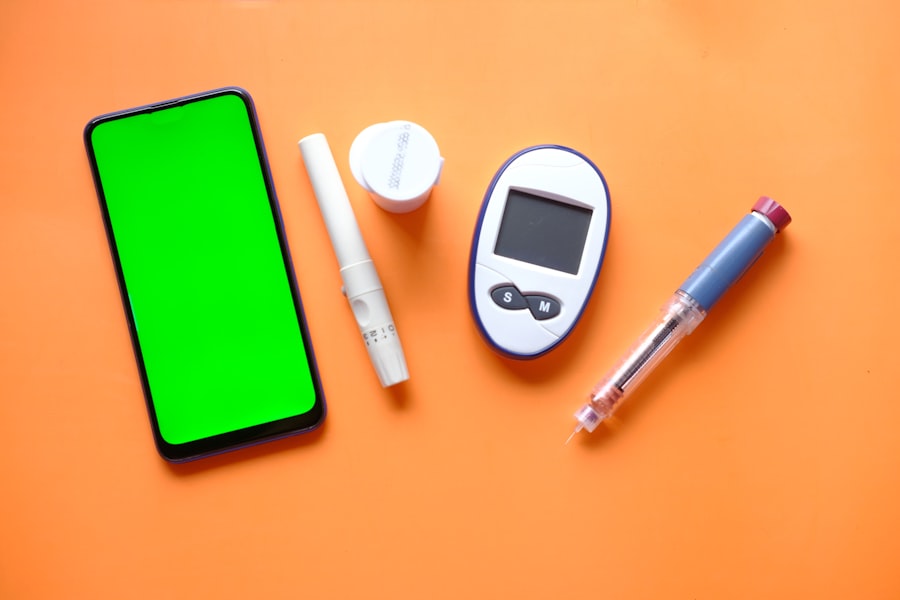
Recognizing these distinctions empowers you to seek appropriate medical attention. It’s not about self-diagnosis as a definitive answer but rather about gathering information to have a productive conversation with a healthcare professional.
Ruling Out Underlying Conditions
Both hypoglycemia and panic attacks can be symptoms of other underlying health issues. It’s imperative to consult a doctor to receive an accurate diagnosis and rule out any more serious medical conditions.
For Suspected Hypoglycemia
If you experience recurrent episodes of low blood sugar symptoms, especially if you don’t have diabetes, it’s essential to see your doctor. They can conduct blood tests to confirm hypoglycemia and investigate the underlying cause, which could range from dietary factors to more complex hormonal imbalances.
For Suspected Panic Attacks
If you are experiencing frequent or debilitating panic attacks, seeking professional help is crucial. A doctor can assess your symptoms, rule out any physical causes that might mimic panic attacks (such as heart conditions or thyroid problems), and recommend appropriate treatment, which may include therapy and medication.
The Importance of Professional Diagnosis
Self-diagnosing can be a dangerous game of guesswork. A healthcare professional has the tools and expertise to differentiate between these conditions and others that may present with similar symptoms. They can perform diagnostic tests, review your medical history, and provide tailored advice and treatment plans.
Understanding the differences between hypoglycemia and panic attack symptoms is crucial for effective management and treatment. Both conditions can present with similar signs, such as sweating, trembling, and heart palpitations, which can lead to confusion and misdiagnosis. For a deeper exploration of these symptoms and how to differentiate between them, you can read a related article on this topic. This resource provides valuable insights that can help individuals recognize the underlying causes of their symptoms and seek appropriate care. To learn more, visit this informative article.
Taking Control: Managing Symptoms and Preventing Recurrence
| Symptom | Hypoglycemia | Panic Attack |
|---|---|---|
| Onset | Gradual or sudden, often related to low blood sugar levels | Sudden, often without warning |
| Heart Palpitations | Common | Common and often intense |
| Sweating | Profuse sweating, cold and clammy skin | Excessive sweating, often hot flashes |
| Trembling/Shaking | Common | Common |
| Feeling of Doom | Rare | Very common |
| Confusion or Difficulty Concentrating | Common due to low glucose to brain | Possible but less common |
| Chest Pain | Uncommon | Possible |
| Shortness of Breath | Uncommon | Common |
| Dizziness or Lightheadedness | Common | Common |
| Duration | Until blood sugar is corrected | Usually peaks within 10 minutes, lasts up to 30 minutes |
| Response to Food or Sugar | Symptoms improve quickly after consuming sugar | No improvement with sugar intake |
Once you understand the nature of your symptoms, you can take proactive steps to manage them and reduce the likelihood of future occurrences. This is about becoming an active participant in your own well-being.
For Hypoglycemia: Lifestyle and Dietary Adjustments
- Regular Meal Schedule: Avoid skipping meals. Aim for consistent eating patterns throughout the day, including balanced meals and snacks.
- Balanced Diet: Focus on complex carbohydrates, lean proteins, and healthy fats. Limit refined sugars and processed foods, which can cause rapid blood sugar fluctuations.
- Portion Control: Be mindful of portion sizes, especially when consuming carbohydrates.
- Timing of Exercise: If you engage in strenuous exercise, ensure you consume adequate carbohydrates before and after to maintain stable blood sugar levels.
- Carrying Fast-Acting Carbohydrates: For individuals prone to hypoglycemia, carrying glucose tablets, hard candy, or fruit juice can be life-saving in an emergency.
For Panic Attacks: Coping Strategies and Treatment
- Mindfulness and Relaxation Techniques: Practicing deep breathing exercises, meditation, or progressive muscle relaxation can help calm your nervous system and reduce anxiety.
- Cognitive Behavioral Therapy (CBT): CBT is a highly effective form of therapy that helps individuals identify and challenge negative thought patterns and develop healthier coping mechanisms.
- Medication: In some cases, a doctor may prescribe anti-anxiety medications or antidepressants to help manage the frequency and intensity of panic attacks.
- Lifestyle Factors: Maintaining a healthy lifestyle, including regular exercise, adequate sleep, and stress management techniques, can play a significant role in reducing the incidence of panic attacks.
- Identifying and Avoiding Triggers: While not always possible, learning to recognize your personal triggers can help you prepare for or avoid situations that might precipitate a panic attack.
By understanding the distinct characteristics of hypoglycemia and panic attacks, you are better equipped to navigate moments of distress. Remember, knowledge is your ally. If you find yourself experiencing concerning symptoms, don’t hesitate to consult a healthcare professional. They are your guide through the complexities of your body’s signals, helping you to reclaim your sense of well-being and live a more confident and controlled life.
FAQs
What are the common symptoms of hypoglycemia?
Hypoglycemia symptoms typically include shakiness, sweating, rapid heartbeat, dizziness, hunger, irritability, confusion, and in severe cases, loss of consciousness or seizures.
How do panic attack symptoms differ from hypoglycemia?
Panic attack symptoms often include intense fear or a sense of impending doom, chest pain, shortness of breath, palpitations, trembling, sweating, and dizziness. Unlike hypoglycemia, panic attacks are primarily psychological but can mimic physical symptoms.
Can hypoglycemia and panic attacks occur simultaneously?
Yes, hypoglycemia can sometimes trigger anxiety or panic-like symptoms due to the body’s stress response to low blood sugar, making it important to check blood glucose levels if symptoms arise.
How can one distinguish between hypoglycemia and a panic attack?
Distinguishing factors include checking blood sugar levels—low levels indicate hypoglycemia. Hypoglycemia symptoms improve with glucose intake, whereas panic attack symptoms may require relaxation techniques or medical intervention.
When should someone seek medical help for these symptoms?
Immediate medical attention is necessary if symptoms are severe, such as loss of consciousness, seizures, chest pain, or if symptoms persist despite treatment. For recurrent episodes, consulting a healthcare provider is important for proper diagnosis and management.