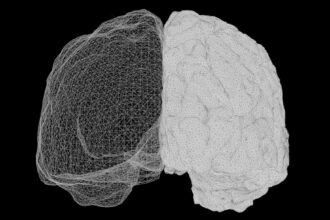
You stand at the edge of a landscape within yourself, a terrain that has often felt alien, perhaps even hostile. This is your neurodivergent shadow, the aspects of your being that diverge from the neurotypical norm. For too long, you may have viewed these characteristics as hindrances, as flaws to be concealed or corrected. This framework, however, is a cage. Embracing your neurodivergent shadow is not about surrendering to limitations, but about unlocking profound pathways for growth, resilience, and self-understanding. It is about recognizing that what you have been taught to perceive as darkness can, in fact, be a fertile ground for transformation.
The concept of the “shadow” in psychological terms, popularized by Carl Jung, refers to the unconscious aspects of your personality that you deem unacceptable, often projecting them onto others. For the neurodivergent individual, this shadow is intrinsically linked to your unique neurological wiring. It encompasses the traits and experiences that have historically been pathologized, misunderstood, or marginalized. This is not about a deficit model; it’s about acknowledging the entirety of your internal world, including those parts that may not fit neatly into societal expectations.
The Myth of the Neurotypical Ideal
For decades, the dominant narrative has been that of a neurotypical ideal, a benchmark against which all minds are measured. This has created a societal pressure to conform, pushing neurodivergent individuals to suppress their natural tendencies. You may have learned to mask your autistic traits, to stifle your hyperfocus, to dim the intensity of your sensory experiences, all in an attempt to blend in. This constant effort, however, comes at a significant cost, leading to burnout, anxiety, and a disconnection from your authentic self. The shadow, in this context, is the accumulation of all that you’ve been told is “wrong” with you.
Unpacking Your Neurodivergent Traits
Your neurodivergent shadow is not a monolithic entity. It is a complex tapestry woven from various threads. These might include:
Sensory Sensitivities: The Double-Edged Sword
Your sensory experience is likely more heightened than that of neurotypical individuals. This can manifest as hypersensitivity to light, sound, touch, taste, or smell, leading to overwhelm and discomfort. Think of it as having an amplified audio system; while it can pick up subtle nuances, a sudden loud noise can be deafening. Conversely, you might experience hyposensitivity, requiring more intense sensory input to feel regulated. Embracing this means understanding the triggers and developing strategies for managing sensory input, rather than viewing it as a burden.
Different Thinking Styles: The Architectural Divergence
Your cognitive processes may operate on a different architecture. You might excel at pattern recognition, deeply engage in hyperfocus on specific interests, or process information in a more linear, logical, or tangential manner. These are not deviations from “correct” thinking; they are alternative blueprints for understanding the world. The shadow here represents the societal preference for a singular, often less efficient, mode of processing.
Communication Differences: The Language of the Unspoken
Your communication style might vary significantly from neurotypical expectations. You may struggle with interpreting social cues, engaging in small talk, or making direct eye contact. Conversely, you might be exceptionally direct, value literal interpretation, and prefer clear, unambiguous language. The shadow comprises the anxieties and misunderstandings that arise when these communication styles clash, leading to feelings of isolation.
For those interested in exploring neurodivergent shadow work strategies, a related article that delves into this topic can be found on Unplugged Psych. This resource provides valuable insights and practical approaches tailored specifically for neurodivergent individuals, helping them navigate their unique challenges while engaging in shadow work. You can read more about these strategies by visiting the article at Unplugged Psych.
Reclaiming the Shadow: From Shame to Strength
The process of embracing your neurodivergent shadow begins with a conscious decision to reclaim it from the realm of shame and deficit. This is a dismantling of internalized ableism, a conscious effort to refactor the narrative you hold about yourself.
Deconstructing Internalized Ableism
Internalized ableism is the process by which individuals from marginalized groups absorb and internalize the dominant society’s negative stereotypes and attitudes about their own group. For you, this means recognizing how societal norms have shaped your perception of your own neurodivergent traits. You may have spent years believing you are “broken” or “less than.” This deconstruction is the first step towards rebuilding your self-esteem on a foundation of acceptance.
The Mirror of Society
Consider how often society’s expectations act as a distorted mirror. What you see reflected is not always your true form, but a warped image shaped by the preferences of the majority. Embracing your shadow involves shattering that mirror and looking at yourself with your own discerning gaze.
Shifting the Locus of Control
For too long, the locus of control has been external, dictated by the demands and judgments of the neurotypical world. Embracing your shadow means shifting that locus inward. It involves recognizing your autonomy and asserting your right to experience the world and your own mind in a way that is authentic and sustainable for you.
The Architect of Your Inner World
You are the architect of your inner world, and every neural pathway, every unique processing style, is a part of your custom-built structure. Embracing the shadow means ceasing to apologize for the blueprints and instead learning to optimize the design for your own unique needs.
Strategies for Integration: Building Bridges Within

Integration is the active process of bringing your shadow aspects into conscious awareness and harmonizing them with the rest of your psyche. This is not about erasing them, but about understanding their origins, their functions, and how they can be leveraged for your benefit.
Self-Awareness as a Compass
The cornerstone of integrating your neurodivergent shadow is deep and honest self-awareness. This requires introspection, observation, and a willingness to confront uncomfortable truths. Your shadow aspects are not necessarily malicious; they are often the result of adaptive strategies developed in response to environmental pressures.
Journaling as Excavation
Engage in journaling to explore your thoughts, feelings, and experiences. This can be a powerful tool for uncovering recurring patterns, identifying triggers, and understanding the context in which your shadow traits emerge. Treat each entry as an archaeological dig, carefully unearthing the layers of your inner landscape.
Sensory Profiling: Mapping Your Landscape
Create a detailed sensory profile. Understand what overwhelms you, what soothes you, and what invigorates you. This is like developing a topographical map of your sensory terrain, identifying the peaks of overstimulation and the valleys of understimulation. Knowing this allows you to navigate your environment more effectively.
Mindfulness and Acceptance: The Practice of Presence
Mindfulness is the practice of bringing non-judgmental awareness to the present moment. For your neurodivergent shadow, this means observing your thoughts, feelings, and sensations without trying to change them, suppress them, or judge them. Acceptance, in this context, is not resignation; it is acknowledging the reality of your experience without resistance.
The Still Point in the Storm
When sensory overload hits, or when intrusive thoughts arise, mindfulness can be your still point in the storm. It’s the calm eye within your personal hurricane, offering a moment of respite and allowing you to respond rather than react.
Cultivating Self-Compassion
The practice of self-compassion is crucial during this integration process. You have likely experienced judgment and misunderstanding from others, and perhaps even from yourself. Extend kindness and understanding to yourself, recognizing that your neurodivergent traits are a part of who you are, not a flaw to be eradicated.
Harnessing Your Neurodivergent Strengths: The Shadow’s Gifts

The journey of embracing your neurodivergent shadow is not solely about managing challenges; it is fundamentally about discovering and harnessing the unique strengths that emerge from your neurodivergence. These strengths, often overlooked or undervalued, are the gifts that your shadow holds.
Hyperfocus as a Superpower
Your capacity for intense focus, often referred to as hyperfocus, can be an extraordinary asset. When directed towards a task that aligns with your interests, this intense concentration can lead to unprecedented productivity, innovation, and mastery. The shadow here is the societal perception of this as an obsession or an inability to switch tasks.
The Laser Beam of Attention
Think of your hyperfocus as a laser beam. While it cannot illuminate a wide area, its intensity allows it to cut through problems and achieve deep understanding in a focused field. Learning to direct this beam strategically is key to unlocking its power.
Structured Flexibility in Interest
While you may have intense interests, this does not preclude flexibility. By understanding the structure of your focus, you can learn to transition between tasks more smoothly, perhaps by creating rituals or by segmenting your interests strategically.
Out-of-the-Box Thinking: The Unconventional Architect
Neurodivergent minds often possess an innate ability for divergent thinking, seeing connections and possibilities that neurotypical minds may overlook. This “out-of-the-box” approach can be a significant advantage in problem-solving, creativity, and innovation. The shadow is the fear of presenting ideas that deviate too far from established norms.
The Maze Runner’s Advantage
Imagine navigating a complex maze. While many might follow the most obvious, well-trodden paths, your neurodivergent approach might allow you to see alternative routes, shortcuts, or even entirely new ways to traverse the labyrinth.
Challenging the Status Quo
Embrace your tendency to question established norms and procedures. This critical approach can be invaluable in identifying inefficiencies, challenging flawed assumptions, and driving progress.
Intensity and Passion: The Furnace of Drive
The depth of feeling and intensity often associated with neurodivergent individuals can fuel incredible passion and drive. This emotional richness, when channeled constructively, can lead to profound dedication, advocacy, and a deep commitment to causes you believe in. The shadow is the potential for this intensity to be perceived as oversensitivity or instability.
The Deep Well of Emotion
Your emotional landscape may be more profound, like a deep well. While it can hold the potential for powerful emotional experiences, it also requires careful access and understanding to avoid being overwhelmed.
Purpose-Driven Action
Channel your intensity towards activities and goals that resonate with your values. This will not only provide a sense of purpose but will also allow your passion to become a powerful engine for positive change in your life and in the world.
For those exploring neurodivergent shadow work strategies, a valuable resource can be found in a related article that delves into the intricacies of self-discovery and emotional healing. This piece offers practical insights and techniques tailored to different neurodivergent experiences, making it easier to navigate the complexities of personal growth. To learn more about these strategies, you can check out the article here.
Cultivating a Supportive Ecosystem: Nurturing Your Growth
| Strategy | Description | Benefits | Challenges | Recommended Tools |
|---|---|---|---|---|
| Journaling with Prompts | Using guided prompts to explore hidden emotions and thoughts. | Enhances self-awareness and emotional processing. | May be difficult to initiate without structure. | Prompt cards, digital journaling apps |
| Mindfulness Meditation | Practicing focused attention to observe thoughts without judgment. | Improves emotional regulation and reduces anxiety. | Can be challenging due to sensory sensitivities. | Guided meditation apps, noise-cancelling headphones |
| Creative Expression | Using art, music, or writing to externalize inner experiences. | Facilitates emotional release and insight. | May require overcoming perfectionism or executive function barriers. | Art supplies, music software, writing platforms |
| Body Awareness Techniques | Engaging in practices like yoga or somatic exercises to connect with bodily sensations. | Helps identify and process trauma stored in the body. | Physical discomfort or overstimulation can occur. | Yoga mats, instructional videos, somatic therapy guides |
| Peer Support Groups | Sharing experiences with other neurodivergent individuals in a safe space. | Provides validation and reduces feelings of isolation. | Group dynamics may be overwhelming for some. | Online forums, local support groups, moderated chat rooms |
Embracing your neurodivergent shadow is not a solitary endeavor. Building a supportive ecosystem, both internally and externally, is crucial for sustained growth and well-being.
Finding Your Tribe: Connection and Validation
Connecting with other neurodivergent individuals can provide invaluable validation, understanding, and a sense of belonging. These are spaces where your authentic self is not only accepted but celebrated. The shadow here is the fear of judgment that might prevent you from seeking out these connections.
Shared Experiences, Amplified Understanding
Imagine finding a room full of people who speak your language, not just linguistically, but neurologically. In these spaces, your experiences are not met with confusion but with immediate recognition and empathy.
Mentorship and Peer Support
Seek out mentors who understand neurodivergence or engage in peer support groups. These relationships can offer practical advice, emotional encouragement, and a testament to the possibilities of thriving as a neurodivergent individual.
Advocating for Your Needs: Boundaries as Walls of Protection
Learning to effectively advocate for your needs is a vital skill in navigating a neurotypical world. This involves setting clear boundaries and communicating them assertively, not aggressively. The shadow is the learned helplessness or fear of conflict that can impede this process.
The Art of the “No”
Learning to say “no” without guilt is a powerful act of self-preservation. Your boundaries are not meant to isolate you, but to create space for your well-being and to protect your energy.
Adapting Your Environment
Don’t be afraid to adapt your environment to suit your needs. This might involve requesting accommodations at work or school, creating sensory-friendly spaces at home, or simply communicating your preferences to friends and family.
Continuous Learning and Adaptation: The Evolving Landscape
Your neurodivergent shadow is not a static entity. It is an evolving landscape that requires ongoing learning, adaptation, and self-reflection. Embrace this continuous journey of discovery.
The Growth Mindset Applied
Approach your neurodivergence with a growth mindset. Instead of viewing challenges as insurmountable obstacles, see them as opportunities for learning and development.
Embracing Imperfection
Recognize that embracing your shadow does not mean achieving a state of perfect integration. There will be ongoing challenges and moments of struggle. The goal is not perfection, but progress and a deepening understanding of yourself.
By actively engaging with and embracing your neurodivergent shadow, you are not merely coping; you are transforming. You are moving from a position of perceived deficit to one of profound strength and authenticity. This is a journey of self-discovery, resilience, and ultimately, liberation. You are not a broken cog in a standard machine; you are a unique and powerful engine, capable of navigating the world on your own terms, with your own remarkable blueprint.
FAQs
What does “neurodivergent shadow work” mean?
Neurodivergent shadow work refers to the process of exploring and integrating the unconscious or hidden parts of oneself, specifically tailored for individuals who are neurodivergent—meaning their brain functions differently from the neurotypical population, such as those with autism, ADHD, or other cognitive variations.
Why is shadow work important for neurodivergent individuals?
Shadow work can help neurodivergent individuals better understand and accept parts of themselves that may be suppressed or misunderstood due to societal norms. It promotes self-awareness, emotional healing, and personal growth by addressing internalized stigma, trauma, or conflicting feelings.
What are some common strategies used in neurodivergent shadow work?
Common strategies include journaling to explore hidden thoughts and feelings, mindfulness and meditation to increase self-awareness, creative expression like art or music, therapy approaches adapted for neurodivergence, and using sensory-friendly environments to facilitate reflection.
How can neurodivergent people adapt shadow work to suit their needs?
Adaptations may involve breaking tasks into smaller steps, using visual aids or prompts, allowing for sensory accommodations, incorporating special interests to maintain engagement, and working with professionals who understand neurodiversity to create a supportive and flexible process.
Are there any risks or challenges associated with neurodivergent shadow work?
Yes, shadow work can sometimes bring up difficult emotions or memories, which may be overwhelming without proper support. Neurodivergent individuals might face challenges related to sensory sensitivities or executive functioning. It is recommended to approach shadow work gradually and seek guidance from mental health professionals familiar with neurodiversity.