You possess an uncanny ability to size up a situation, a gut feeling that steers you away from a bad deal or towards a promising opportunity. This isn’t magic; it’s the sophisticated interplay of your brain and your gut, a complex communication network that neurobiology is beginning to unravel. Your intuition, that seemingly inexplicable inner compass, has a tangible scientific basis.
You might have heard the gut referred to as your “second brain,” and this isn’t mere hyperbole. The enteric nervous system (ENS), often called the “little brain” in your gut, is a vast network of neurons within your gastrointestinal tract. It’s so extensive and complex that it can function independently of the central nervous system (CNS) in many regards, managing digestion and even influencing your mood.
The Enteric Nervous System’s Architecture
You can visualize the ENS as a sprawling metropolis of nerve cells residing within the walls of your stomach and intestines. This metropolis contains an estimated 100 million neurons, a number surpassing that of your spinal cord. These neurons are organized into two main layers: the myenteric plexus, located between the muscle layers of the gut wall, responsible for coordinating muscle contractions that propel food through your digestive system, and the submucosal plexus, nestled deeper within the gut wall, which regulates local secretions, nutrient absorption, and blood flow.
Neurotransmitters: Messengers in Your Gut
Your gut metropolis doesn’t just move food; it communicates. It produces and utilizes many of the same neurotransmitters as your brain, including serotonin, dopamine, and GABA. In fact, a staggering 95% of your body’s serotonin, a key player in mood regulation, is synthesized in your gut. This neural and chemical landscape allows your gut to “talk” to your brain, conveying information about your internal state.
The Gut-Brain Axis: A Two-Way Highway
The communication between your gut and your brain is a constant, bidirectional conversation, a bustling two-way highway known as the gut-brain axis. This axis involves intricate signaling pathways that travel through the nervous system, the endocrine system (hormones), and the immune system.
Neural Pathways
The vagus nerve, a critical cranial nerve, acts as a primary superhighway on this gut-brain axis. It carries sensory information from your gut to your brain and motor signals from your brain back to your gut. Imagine the vagus nerve as the main cable beneath your city, transmitting all essential data between your central command center and your digestive infrastructure.
Endocrine Signaling
Hormones released by your gut also play a significant role in this communication. For instance, ghrelin, known as the “hunger hormone,” signals to your brain when your stomach is empty. Conversely, leptin, released by fat cells, signals satiety. These hormones act as chemical couriers, delivering messages about your nutritional status and energy levels.
Immune System Involvement
Your gut houses a substantial portion of your immune system. Gut-associated lymphoid tissue (GALT) plays a vital role in defending your body against pathogens. The immune cells in your gut can release inflammatory molecules that can influence brain function and mood, demonstrating how your gut’s health is intricately linked to your overall well-being.
The neurobiology of gut feelings has gained significant attention in recent years, shedding light on the intricate connection between our digestive system and emotional well-being. For a deeper exploration of this fascinating topic, you can read a related article that discusses the impact of gut health on mental processes and decision-making. To learn more, visit this article.
The Brain’s Receptors: Interpreting Gut Signals
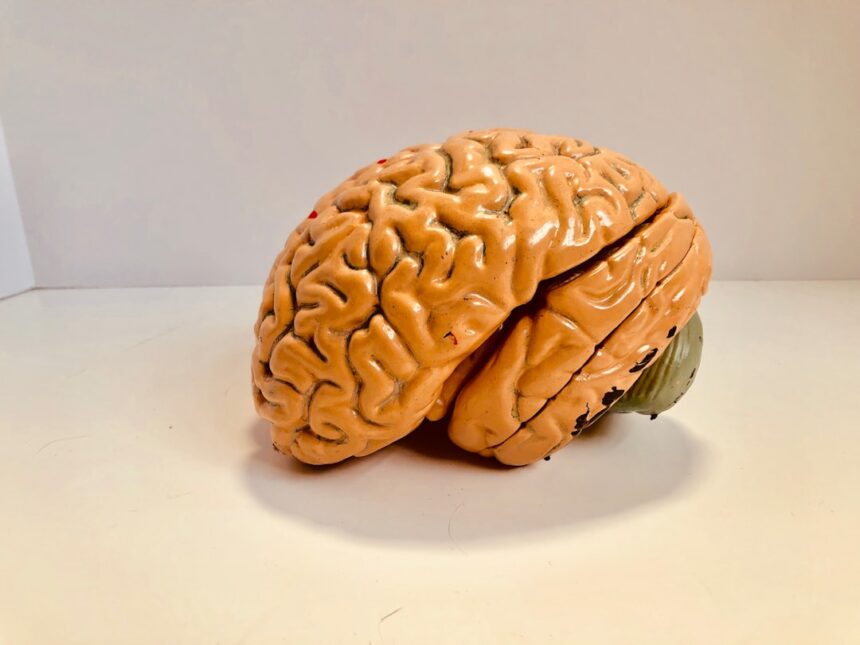
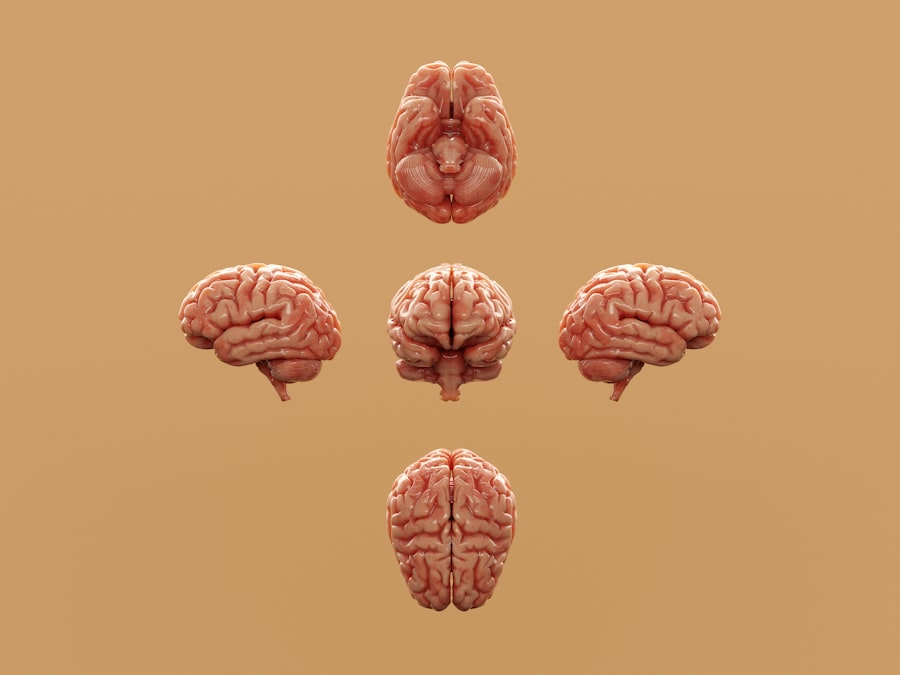
Your brain receives the myriad signals originating from your gut and interprets them. Specialized brain regions are attuned to these visceral communications, and their activity underpins what you perceive as intuition.
The Insula: The Seat of Interoception
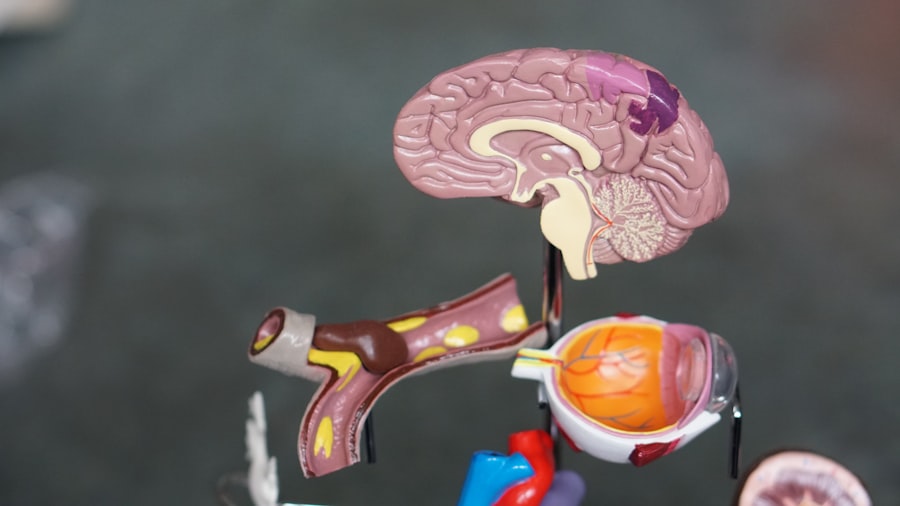
The insula, a region buried deep within the cerebral cortex, is crucial for interoception, the sense of the physiological state of your body. It’s the brain’s internal radar, constantly monitoring and integrating information from your internal organs, including your gut. When your gut communicates distress or satisfaction, the insula is a key area where this information is processed, leading to subjective feelings and bodily sensations.
Amygdala: The Emotion Center’s Gut Connection
The amygdala, the brain’s primary emotion processing center, is also significantly influenced by gut signals. Negative gut sensations, such as discomfort or indigestion, can trigger fear or anxiety responses mediated by the amygdala. Conversely, a calm and healthy gut can contribute to a sense of emotional well-being. This explains why you might feel a knot in your stomach when you’re anxious or a sense of unease that precedes a negative event.
Prefrontal Cortex: Conscious Awareness and Decision-Making
While much of the gut-brain communication happens at a subconscious level, the prefrontal cortex plays a role in bringing these visceral hunches into conscious awareness and integrating them into your decision-making processes. Your prefrontal cortex can then, consciously or unconsciously, weigh these gut-derived signals alongside logical reasoning.
The Microbiome: The Gut’s Unsung Community
Your gut is not an empty vessel; it’s a teeming ecosystem, a miniature universe populated by trillions of microorganisms, collectively known as the gut microbiome. This community of bacteria, fungi, and viruses has a profound impact on your health, and research is increasingly revealing its influence on your brain and, consequently, your intuition.
The Gut Microbiome’s Influence on Neurotransmitters
Your gut microbes are not passive residents; they are active participants in your physiology. They can produce and metabolize neurotransmitters, effectively contributing to the chemical milieu of your gut. For example, certain bacteria can produce short-chain fatty acids (SCFAs) like butyrate, which have been shown to have neuroprotective effects and can influence brain function.
Microbial Metabolites and Inflammation
The metabolic byproducts of gut bacteria can also influence systemic inflammation. An imbalance in the gut microbiome (dysbiosis) can lead to increased gut permeability, allowing inflammatory molecules to enter the bloodstream and reach the brain. Chronic low-grade inflammation has been linked to a range of neurological and psychological disorders, underscoring the importance of a healthy microbiome for optimal brain function.
The Microbiome-Gut-Brain Axis
The microbiome-gut-brain axis is a complex loop where the composition of your gut bacteria influences the gut-brain axis, and in turn, your brain can influence the gut environment. Stress, for instance, can alter the gut microbiome, and changes in the microbiome can, in turn, affect your stress response.
The Embodied Cognition Model: Your Body as a Thinking Tool
The concept of embodied cognition suggests that your cognitive processes, including intuition, are not solely confined to your brain but are deeply intertwined with your bodily experiences and sensations. Your gut feelings are not merely abstract thoughts; they are the result of your body’s visceral feedback being processed by your brain.
Somatic Markers: Gut Feelings as Bodily Signals
Neuroscientist Antonio Damasio’s “somatic marker hypothesis” posits that emotions, often experienced as bodily sensations, act as “somatic markers” that guide decision-making. A positive gut feeling might be a somatic marker of past positive experiences associated with a similar situation, while a negative feeling could signal an impending threat. Your brain learns to associate certain bodily states with potential outcomes, and your intuition is a rapid retrieval of this learned information.
Subconscious Processing: The Power of the Unseen
A significant portion of the information processing that contributes to your intuition occurs at a subconscious level. Your brain is constantly evaluating subtle cues from your environment and your internal state, and your gut plays a vital role in signaling these subtle shifts. When you have a gut feeling, it’s often the culmination of this extensive, subconscious analysis. Imagine your brain as a powerful computer running countless algorithms in the background, with your gut providing crucial data inputs that inform the final output.
Rapid Information Integration: Intuition as Heuristic
Intuition can be understood as a form of heuristic, a mental shortcut that allows for rapid decision-making in complex situations. Your gut feelings are potent heuristics, drawing upon a vast repository of past experiences and embodied knowledge. This allows you to make seemingly instantaneous judgments without conscious deliberation.
Recent research has shed light on the fascinating connection between our gut and our emotions, revealing how the neurobiology of gut feelings can influence our decision-making processes. For those interested in exploring this topic further, a related article discusses the intricate relationship between the gut microbiome and mental health, highlighting how our digestive system can impact our emotional well-being. You can read more about this intriguing connection in the article found here. Understanding these interactions may provide valuable insights into how we can better manage our feelings and improve our overall mental health.
Cultivating and Trusting Your Gut Feelings
| Metric | Description | Typical Values/Range | Relevance to Gut Feelings |
|---|---|---|---|
| Vagus Nerve Activity | Electrical signaling frequency of the vagus nerve connecting gut and brain | 5-20 Hz (resting state) | Conveys sensory information from gut to brain, influencing emotional states |
| Enteric Nervous System Neuron Count | Number of neurons in the gut’s intrinsic nervous system | Approximately 100 million neurons | Processes local gut information, contributing to gut feelings and reflexes |
| Serotonin Levels in Gut | Concentration of serotonin produced in the gastrointestinal tract | About 90% of body’s serotonin found in gut | Modulates gut motility and signals mood-related information to brain |
| Gut Microbiota Diversity Index | Measure of variety of microbial species in the gut | Shannon index typically ranges 3-5 in healthy adults | Influences production of neuroactive compounds affecting brain and mood |
| Brain-Gut Axis Connectivity Strength | Functional connectivity measured by fMRI between gut-related brain regions and gut | Variable; higher connectivity linked to stronger gut feelings | Reflects integration of gut signals into emotional and cognitive processing |
Understanding the neurobiology of gut feelings empowers you to both cultivate and better trust this innate capacity. It’s not about abandoning logic, but about integrating this powerful source of information into your daily life.
Mindfulness and Body Awareness
Practicing mindfulness and paying attention to your bodily sensations can enhance your ability to recognize and interpret gut signals. When you’re present in your body, you become more attuned to the subtle rumblings, tensions, and shifts that your gut communicates. This is like learning to decipher the silent language of your own biology.
Healthy Lifestyle Choices: Fueling Your Gut-Brain Axis
The health of your gut microbiome and the efficiency of your gut-brain axis are directly influenced by your lifestyle. A diet rich in fiber, fermented foods, and lean proteins, coupled with regular exercise and adequate sleep, supports a balanced microbiome and optimal gut-brain communication. Consider this an investment in your internal communication network.
Journaling and Reflection
Keeping a journal where you note your gut feelings and the subsequent outcomes can help you identify patterns and strengthen your trust in your intuition. By reflecting on these experiences, you can better understand how your gut feelings have served you in the past.
Balancing Intuition and Logic
While gut feelings are powerful, they are not infallible. The most effective decision-making often involves a synergy between intuitive insights and logical reasoning. Your brain is designed to process both types of information. Your intuition can be a valuable starting point, a hypothesis to be further tested by critical thinking.
Recognizing the “Why”: Deeper Understanding
By understanding the neurobiological underpinnings of your gut feelings, you move from a place of superstition to one of scientific understanding. This knowledge can demystify intuition, empowering you to utilize it more effectively and with greater confidence. The whispers of your gut are not random; they are the echoes of intricate biological processes at work.

WATCH NOW ▶️ SHOCKING: Why Your “Intuition” Is Actually a Prediction Error
FAQs
What is meant by the term “gut feelings” in neurobiology?
Gut feelings refer to intuitive sensations or emotional responses that arise from the gut, influenced by the complex communication between the brain and the enteric nervous system, often described as the “second brain.”
How does the gut communicate with the brain?
The gut communicates with the brain primarily through the vagus nerve, as well as via hormonal and immune pathways, allowing bidirectional signaling that affects mood, decision-making, and overall brain function.
What role do neurotransmitters in the gut play in gut feelings?
Neurotransmitters such as serotonin, dopamine, and gamma-aminobutyric acid (GABA) are produced in the gut and influence both local gut function and brain activity, contributing to emotional states and the sensation of gut feelings.
Can gut microbiota influence neurobiological processes related to gut feelings?
Yes, gut microbiota produce metabolites and signaling molecules that can affect the nervous system, modulate inflammation, and influence brain chemistry, thereby playing a role in the neurobiology underlying gut feelings.
Are gut feelings considered reliable indicators in decision-making?
While gut feelings can provide rapid, subconscious insights based on accumulated experiences and physiological states, they are not always accurate and should be considered alongside rational analysis in decision-making processes.