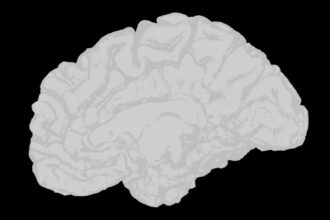
Your brain, a marvel of biological engineering, is a symphony of electrical impulses and chemical messengers, constantly orchestrating your thoughts, feelings, and behaviors. Among the myriad ways it shapes your experience, one particularly pervasive tendency is people-pleasing. You might recognize it in yourself: the urge to say yes when you want to say no, the discomfort when acknowledging conflict, the relentless pursuit of external validation. This article delves into the neuroscience behind why you, and so many others, find yourselves entangled in the web of people-pleasing, exploring the brain structures and neurochemicals that play a starring role.
Your brain, at its core, is a social organ. From the moment of your birth, it’s primed to connect, to form bonds, and to navigate the complex landscape of social interaction. This innate drive for connection is not merely a preference; it’s a fundamental evolutionary advantage. Early humans who fostered strong social ties were more likely to survive, reproduce, and pass on their genes. Your people-pleasing tendencies can be understood as an amplified echo of this ancient programming, a way your brain attempts to maintain and enhance its social capital.
The Amygdala: Your Internal Threat Detector
Central to your brain’s social processing is the amygdala, a pair of almond-shaped structures deep within your temporal lobes. Think of the amygdala as your brain’s alarm system, constantly scanning for potential threats, both physical and social. In the context of people-pleasing, the amygdala becomes hyper-vigilant to signs of disapproval, rejection, or conflict. When you perceive a situation as potentially leading to social ostracism or negative judgment, your amygdala fires up, triggering a cascade of stress responses. This can manifest as a racing heart, sweaty palms, or a churning stomach – your body’s primal reaction to perceived danger.
The Fight-or-Flight Response and Social Rejection
The amygdala’s activation initiates the well-known fight-or-flight response. While this system evolved to help you escape a charging saber-toothed tiger, in the modern social arena, it can be miscalibrated. The possibility of being disliked or rejected, though not physically life-threatening, can still trigger this ancient mechanism. For the people-pleaser, this response is often interpreted as an imperative to de-escalate, to appease, to make the “threat” disappear by conforming to others’ expectations. Your brain, in essence, tells you that avoiding social conflict is paramount to your survival, even when the stakes are far lower.
The Prefrontal Cortex: The Decision-Maker and Social Regulator
While the amygdala acts as the initial alarm, the prefrontal cortex (PFC), located at the front of your brain, is the more sophisticated architect of social behavior. This is the executive control center, responsible for planning, decision-making, impulse control, and, crucially, interpreting and regulating social interactions. For those who people-please, the PFC’s pathways might be habitually routed towards suppressing personal desires and prioritizing the perceived needs of others.
The Orbitofrontal Cortex and Social Rewards
Within the PFC, the orbitofrontal cortex (OFC) plays a vital role in processing rewards and punishments, particularly in social contexts. When you receive positive social feedback – a smile, a compliment, agreement – your OFC is activated, releasing dopamine and creating a sense of pleasure and reinforcement. For people-pleasers, this reward pathway can become overly sensitive to external validation. The fleeting joy of approval can become a powerful motivator, outweighing the long-term discomfort of suppressing your own needs. You become like a plant reaching towards the sun, constantly seeking the light of external affirmation.
Mirror Neurons: The Empathy Engine
Your brain is equipped with a network of mirror neurons, cells that fire both when you perform an action and when you observe someone else performing the same action. These neurons are fundamental to empathy, allowing you to understand and vicariously experience the emotions of others. While essential for prosocial behavior, an overactive or miscalibrated mirror neuron system can contribute to people-pleasing. You might find yourself mirroring others’ emotions so readily that you lose touch with your own, or you might find it intensely uncomfortable to witness someone else’s distress, leading you to readily step in and “fix” it, often at your own expense.
The Automaticity of Empathy
Mirror neurons operate largely unconsciously, meaning that your empathic responses can be automatic. If you see someone frowning, your mirror neurons might activate, and you unconsciously begin to experience a shadow of sadness, prompting you to try and alleviate their discomfort. For the people-pleaser, this automatic empathy can be a double-edged sword. It fuels genuine kindness but can also lead to an inability to set boundaries, as the distress of others becomes a potent internal signal that demands immediate attention and resolution.
In exploring the neuroscience of people pleasing, one can gain valuable insights from the article available at Unplugged Psych, which delves into the psychological mechanisms that drive individuals to seek approval from others. This resource highlights the brain’s reward pathways and how they are activated by social validation, shedding light on the underlying factors that contribute to people pleasing behaviors. Understanding these dynamics can help individuals navigate their relationships more effectively and foster healthier interactions.
The Neurochemistry of Approval: The Dopamine Connection
Dopamine, often dubbed the “feel-good” neurotransmitter, is a key player in your brain’s reward system. It’s released when you experience something pleasurable or anticipate a reward, and it plays a significant role in motivation and learning. In the context of people-pleasing, dopamine acts as a powerful reinforcer, solidifying behaviors that lead to social approval.
The Reinforcement Loop of Social Acceptance
When you perform an action that garners positive social feedback, your brain releases dopamine. This creates a positive association between the behavior and the reward. Over time, this can create a potent reinforcement loop. You learn that saying “yes,” agreeing, or accommodating others leads to a pleasurable surge of dopamine, which your brain then seeks to replicate. This can make it incredibly difficult to break free from people-pleasing patterns, as your brain is actively rewarding you for engaging in them. You’re caught in a cycle where the absence of approval feels like a deprivation of this neurochemical hit.
The Anticipation of Dopamine
Crucially, dopamine is not just released during the reward itself but also in anticipation of it. This means that the mere thought of receiving approval can trigger a dopamine release, further fueling the desire to please. This anticipatory pleasure can be a powerful driver, making you more prone to engaging in people-pleasing behaviors even before a specific situation arises. It’s like an addict anticipating their next fix, the brain already signaling pleasure at the prospect.
The Role of Oxytocin: The Bonding Hormone
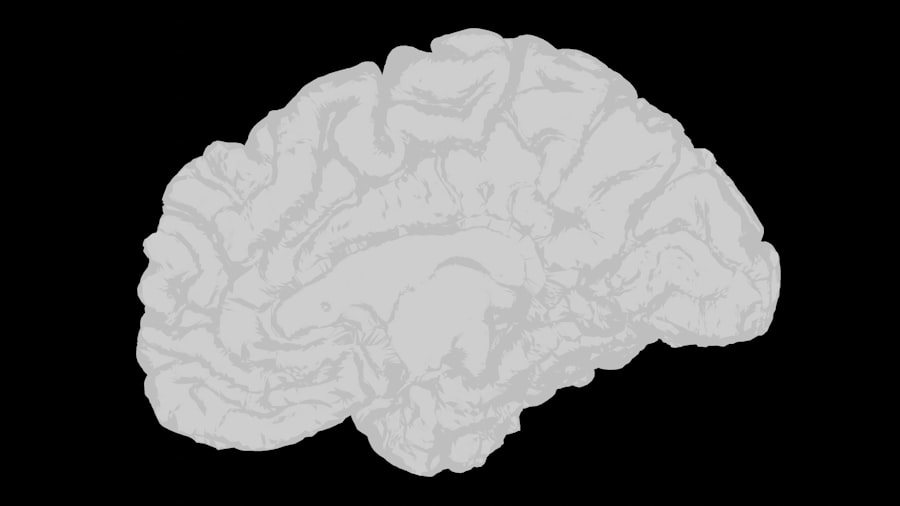
Oxytocin, often referred to as the “love hormone” or “bonding hormone,” is a neuropeptide that plays a crucial role in social bonding, trust, and empathy. It is released during positive social interactions, such as hugging, cuddling, and even eye contact. While oxytocin is essential for fostering healthy relationships, dysregulation in its system can also contribute to people-pleasing.
The Drive for Proximity and Attachment
Oxytocin promotes feelings of closeness and attachment. For individuals who people-please, this can translate into an amplified desire to maintain proximity and strong emotional bonds with others, often by prioritizing their needs and avoiding conflict that might jeopardize those connections. The fear of detachment can be a powerful motivator, and oxytocin’s influence can make the prospect of disapproval feel like a threat to these cherished bonds.
The Vulnerability of Interdependence
Your brain, through oxytocin, is wired for interdependence. However, when this drive for connection becomes an all-consuming imperative, it can lead to unhealthy dependencies. You might become so attuned to the emotional needs of others that you neglect your own, viewing your worth through the lens of your ability to foster harmony and connection, even at your own emotional cost.
The Serotonin System: Mood Regulation and Social Standing

Serotonin is a neurotransmitter that plays a critical role in mood regulation, sleep, appetite, and social behavior. Your serotonin levels can influence how you perceive social cues and how you react to social situations. Imbalances in serotonin can affect your propensity for anxiety, which, in turn, can fuel people-pleasing tendencies.
Anxiety and the Need for Reassurance
When serotonin levels are low, you may experience increased anxiety and a greater susceptibility to negative moods. This heightened anxiety can make you more prone to seeking external reassurance and validation. The fear of judgment or rejection can become magnified, leading you to believe that conforming to others’ expectations is the safest route to emotional stability. Your brain, in this state, becomes a more fertile ground for intrusive thoughts about what others might be thinking of you.
The Comfort of Predictability
For individuals with anxiety, people-pleasing can offer a semblance of control and predictability in social interactions. By anticipating others’ desires and fulfilling them, you can reduce the uncertainty and potential for conflict, which can be a significant source of stress. This can create a self-perpetuating cycle, where the temporary relief from anxiety achieved through pleasing others reinforces the behavior. The anxiety, like a storm cloud, is momentarily dispersed by the sunshine of approval.
In exploring the intricate relationship between neuroscience and the behavior of people pleasing, one can gain valuable insights from a related article on the topic. This article delves into how brain activity influences our tendency to seek approval from others, shedding light on the underlying mechanisms that drive such behaviors. For a deeper understanding of these dynamics, you can read more about it in this insightful piece on Unplugged Psych.
The Impact of Early Life Experiences: Shaping the Neural Landscape
| Metric | Description | Neuroscience Insight | Typical Findings |
|---|---|---|---|
| Activation of the Prefrontal Cortex | Brain region involved in decision making and social behavior regulation | Increased activity when individuals engage in people-pleasing to evaluate social consequences | Heightened prefrontal cortex activity during social approval tasks |
| Reward System Sensitivity (Nucleus Accumbens) | Part of the brain’s reward circuitry linked to pleasure and reinforcement | People pleasers show increased dopamine release when receiving social approval | Greater nucleus accumbens activation in response to positive social feedback |
| Amygdala Reactivity | Brain region associated with emotional processing and fear response | Elevated amygdala response to potential social rejection or disapproval | Higher amygdala activation in people pleasers when anticipating negative social outcomes |
| Oxytocin Levels | Hormone linked to social bonding and trust | Increased oxytocin release may promote affiliative behavior and desire to please | Elevated oxytocin during cooperative social interactions |
| Stress Hormone (Cortisol) Response | Indicator of physiological stress | People pleasers may exhibit higher cortisol levels when fearing social rejection | Increased cortisol during social evaluation or conflict situations |
The foundation of your people-pleasing tendencies is often laid in early childhood. Your brain is highly plastic during these formative years, meaning it is significantly shaped by your experiences. The ways in which your caregivers responded to your needs, the emotional climate of your home, and the social dynamics you were exposed to can all leave indelible marks on your neural pathways.
Attachment Styles and Their Neural Correlates
Your early attachment style, formed in infancy through your interactions with primary caregivers, has profound implications for your adult relationships and your propensity for people-pleasing. Securely attached individuals tend to have a more balanced view of their own needs and the needs of others. However, individuals with insecure attachment styles, such as anxious-preoccupied or fearful-avoidant, may develop neural patterns that make them more vulnerable to people-pleasing.
Anxious Attachment and the Fear of Abandonment
Anxious-preoccupied attachment, often stemming from inconsistent caregiver responsiveness, can lead to a persistent fear of abandonment. Your brain, in this scenario, becomes perpetually on alert for signs of emotional distance or rejection. This fuels a strong drive to maintain connection at all costs, leading you to anxiously seek approval and confirmation that you are loved and accepted. The thought of being left alone can feel like a physical wound, and your brain will work overtime to prevent it.
The Role of Social Learning and Modeling
Children learn by observing and imitating. If you grew up in an environment where parents or significant adults consistently prioritized pleasing others, suppressed their own needs, or exhibited high levels of anxiety around conflict, you likely absorbed these behaviors as normal and adaptive. Your brain, in its capacity for social learning, simply replicated the models it was presented with. You learned that this was how one navigates the social world effectively.
The Internalization of External Expectations
Through social learning, you can internalize the expectations of others. This means that you begin to adopt beliefs about what is acceptable, desirable, and even “right” based on the feedback you receive from your environment. For people-pleasers, this can lead to a blurred sense of self, where your own desires and values become subservient to the perceived expectations of those around you. Your internal compass can become so attuned to external directions that it no longer knows its own true north.
In conclusion, your inclination towards people-pleasing is a complex interplay of biological predispositions, neurochemical processes, and learned behaviors. Understanding the specific roles of your amygdala, prefrontal cortex, mirror neurons, and key neurotransmitters like dopamine and oxytocin provides valuable insight into why you might find yourself habitually seeking external validation, avoiding conflict, and prioritizing the needs of others above your own. Recognize that these neural pathways, while often deeply ingrained, are not immutable. By gaining awareness of the brain’s intricate machinery at play, you can begin to gently re-engineer these patterns, fostering a healthier balance between connection, self-respect, and genuine well-being.

▶️ WARNING: Your “Empathy” Is Actually A Fawn Response
FAQs
What is the neuroscience behind people pleasing?
People pleasing involves brain regions related to social cognition, reward processing, and emotional regulation. The prefrontal cortex, which governs decision-making and self-control, and the limbic system, responsible for emotions, play key roles. Neural circuits linked to reward, such as the release of dopamine, reinforce behaviors that gain social approval.
How does people pleasing affect brain chemistry?
People pleasing can trigger the release of neurotransmitters like dopamine and oxytocin, which promote feelings of pleasure and social bonding. This chemical response can create a feedback loop, encouraging individuals to continue seeking approval to experience these positive sensations.
Are there specific brain areas involved in people pleasing behavior?
Yes, the prefrontal cortex, anterior cingulate cortex, and amygdala are involved. The prefrontal cortex helps with self-regulation and understanding social norms, the anterior cingulate cortex processes social pain and conflict, and the amygdala is involved in emotional responses, including fear of rejection.
Can people pleasing be linked to mental health conditions?
People pleasing behavior is often associated with anxiety, low self-esteem, and sometimes depression. The neural mechanisms underlying these conditions overlap with those involved in social reward and fear of negative evaluation, which can exacerbate people pleasing tendencies.
Is it possible to change people pleasing behavior through brain-based interventions?
Yes, interventions such as cognitive-behavioral therapy (CBT), mindfulness, and social skills training can help rewire neural pathways by promoting healthier self-perception and reducing fear of rejection. Neuroplasticity allows the brain to adapt and change patterns associated with people pleasing.