You’ve emerged from an experience profoundly unlike most others. Perhaps you’ve spent years, or even decades, immersed in a system that dictated your every thought, feeling, and action. Your journey to this point is a testament to immense strength and resilience, a quiet strength forged in circumstances designed to break you. Now, you stand at the precipice of a new, authentic life, but the path ahead, though promising, also presents unique challenges. This guide is for you, a compass for navigating the complex terrain of post-cult recovery.
To truly heal, you must first understand what you’re healing from. Cultic groups, regardless of their specific doctrines or aims, employ sophisticated psychological manipulation. This isn’t a mere difference of opinion; it’s a systemic process designed to dismantle individual identity and cultivate absolute loyalty. You, the individual, became a cog in a larger machine, your personal truths replaced by the group’s narrative.
The Erosion of Personal Autonomy
Imagine yourself as a sturdy oak tree. In a healthy environment, your roots spread deep, drawing nourishment, and your branches reach towards the sun, expressing your unique form. Cultic control, however, is like a slow, deliberate poisoning of the soil around your roots and a relentless pruning of your branches. Your ability to think independently, make decisions, and trust your own judgment was systematically undermined.
- Thought Reform: This isn’t about changing your mind with compelling arguments. It’s about controlling information, isolating you from alternative perspectives, and installing a new, rigid worldview. You were taught what to think, not how to think critically.
- Behavioral Control: From your diet and sleep patterns to your relationships and career choices, every aspect of your life was often dictated. This wasn’t just guidance; it was enforced conformity, limiting your personal space and agency.
- Emotional Manipulation: Guilt, shame, and fear were powerful tools. You might have been made to feel unworthy, selfish, or spiritually deficient if you expressed doubt or desired autonomy. Love and acceptance were often conditional, tied directly to your adherence to group norms.
The Dynamics of Groupthink
Think of a school of fish, moving as one, seemingly without individual thought. While there’s a natural human inclination towards belonging, cults exploit this. They create a powerful ‘us vs. them’ mentality, where the group is considered the sole possessor of truth, virtue, or salvation.
- Isolation and Information Control: Your access to external information and dissenting voices was severely limited, if not entirely eliminated. This created an echo chamber where only the group’s narrative resonated.
- Love Bombing and Devaluation: Initially, you may have been showered with affection and attention, making you feel special and wanted. This “love bombing” often served as a powerful hook, only to be replaced by conditional acceptance and criticism once you were deeply entrenched.
- The Charismatic Leader: Often at the apex of the cult structure is a charismatic figure, perceived as infallible, omniscient, or divinely appointed. This individual serves as the ultimate authority, the direct conduit to truth, and the focal point of the group’s devotion. Your personal experience likely involved navigating this intense, often contradictory, relationship with such a figure.
For those seeking additional resources and insights on the challenges faced by cult survivors, the article available at Unplugged Psych provides valuable information on psychological support and recovery strategies. This resource emphasizes the importance of understanding the unique experiences of individuals who have left high-control groups and offers guidance on navigating the healing process.
Navigating the Immediate Aftermath: The Disorientation Phase
Leaving a cult, whether through your own decision, intervention, or the group’s collapse, is often akin to being jettisoned from a tightly controlled spacecraft into the vast, open expanse of space. The absence of familiar gravity, guiding stars, and internal controls can be profoundly disorienting. This initial phase is characterized by a unique set of challenges.
Feeling Adrift: Re-establishing Your Internal Compass
For so long, your internal compass was calibrated to the cult’s North Star. Now, that star is gone, or perhaps you’ve realized it was never truly there. You are left to recalibrate, to rediscover your own direction.
- Loss of Identity: You may grapple with the question, “Who am I now?” Separating your authentic self from the identity imposed by the group is a monumental task. You might feel like a blank slate, or worse, a mosaic of broken pieces.
- Cognitive Dissonance: The clash between what you believed to be true for so long and the reality you now face can be deeply unsettling. You might experience profound internal conflict as you process contradictory information.
- Grief and Loss: This isn’t just grief for the time lost or the opportunities missed. It’s also grief for the beliefs you held so dear, for the community you were part of (however dysfunctional), and for the future you once envisioned within that context.
Confronting the World Anew: Practical and Emotional Hurdles
The world outside the cult can feel alien and overwhelming. Social norms, informal rules, and basic practicalities may seem baffling.
- Social Reintegration: You may find social interactions challenging. Trust can be difficult to rebuild, and you might struggle with social cues or feel a profound sense of isolation, even when surrounded by others.
- Practical Living Skills: Depending on the duration and intensity of your involvement, you might lack basic life skills, such as managing finances, seeking employment, or navigating bureaucracy.
- Trauma Responses: You might experience symptoms of Post-Traumatic Stress Disorder (PTSD), such as flashbacks, nightmares, hyper-vigilance, and difficulty regulating emotions. The constant stress and psychological abuse inherent in cult environments leave deep imprints.
The Pillars of Healing: Building Your New Foundation

Healing isn’t a linear process; it’s more like cultivating a garden after a long drought. You must replenish the soil, remove weeds, and plant new seeds with patience and care. This process requires a multi-faceted approach, focusing on self-reconstruction and external support.
Reclaiming Your Mind: Cognitive Restructuring
Your mind was a battleground, sculpted by the cult’s narratives. Now, you must become the architect of your own thoughts, carefully dismantling the old structures and building new ones based on truth and personal autonomy.
- Critical Thinking and Information Literacy: Learn to question, to research, to seek multiple perspectives. Develop your “bullshit detector” – a crucial tool for discerning truth from manipulation.
- Challenging Core Beliefs: Identify the core beliefs instilled by the cult and systematically examine them. Are they truly yours? Do they serve your well-being? This is a gradual process of deprogramming.
- Emotional Processing and Validation: Allow yourself to feel the full spectrum of emotions – anger, sadness, fear, confusion, and even joy. Validate your experiences; understand that your reactions are normal responses to abnormal circumstances.
Rekindling Your Emotions: Emotional Regulation and Self-Compassion
After years of having your emotions suppressed, denied, or weaponized, learning to identify, understand, and manage them is paramount. Imagine your emotional landscape as a vast, unexplored territory – you are now the cartographer.
- Mindfulness and Grounding Techniques: Practices like mindfulness can help you stay present, observe your thoughts and feelings without judgment, and anchor yourself in reality, especially during moments of distress.
- Developing Self-Compassion: Recognize that you are a survivor, not a victim. Treat yourself with the same kindness and understanding you would offer a loved one who has endured similar hardship. Forgive yourself for choices made under duress.
- Expressive Therapies: Art, writing, music, and other creative outlets can provide powerful avenues for expressing emotions that words alone cannot capture.
Rebuilding Your World: Identity and Relationships
Healing culminates in the reconstruction of your personal world – your sense of self and your connections with others. This requires intentional effort and often, a willingness to step outside your comfort zone.
- Defining Your Values and Purpose: What truly matters to you? What kind of life do you want to build? This is an opportunity to consciously choose your values and align your actions with them.
- Establishing Healthy Boundaries: Learning to say “no,” to protect your energy, and to define acceptable behavior in relationships is crucial, especially after an environment where boundaries were constantly violated.
- Cultivating Nurturing Relationships: Seek out individuals who embody respect, empathy, and unconditional positive regard. Surround yourself with people who celebrate your authentic self, not who you were expected to be.
Finding Your Support System: A Lifeline in the Storm
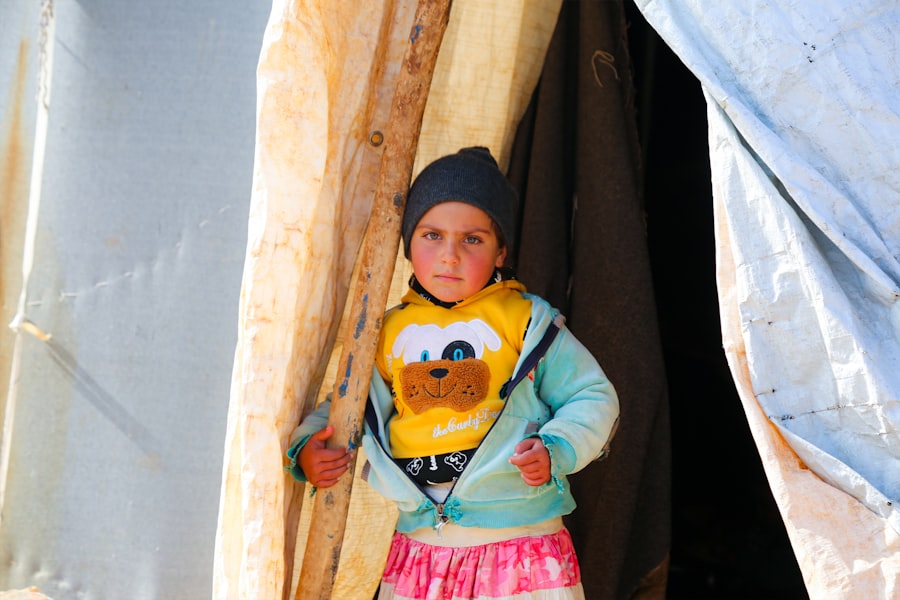
You don’t have to navigate this journey alone. Seeking external support is not a sign of weakness; it’s an act of profound courage and self-care. Think of it as constructing a sturdy bridge, piece by painstaking piece, with the help of skilled engineers and supportive friends.
Professional Guidance: Therapists and Counselors
Mental health professionals, particularly those experienced in trauma and cult recovery, can provide invaluable tools and insights. They are like skilled navigators, helping you chart a course through unfamiliar waters.
- Trauma-Informed Therapy: Therapies such as EMDR (Eye Movement Desensitization and Reprocessing), Cognitive Behavioral Therapy (CBT), and Dialectical Behavior Therapy (DBT) can help you process traumatic memories and develop coping mechanisms.
- Specialized Cult Recovery Counselors: These professionals understand the unique psychological dynamics of cult exposure and can provide targeted support for deprogramming and reintegration.
- Psychiatric Support: If you’re experiencing severe anxiety, depression, or other mental health challenges, a psychiatrist can assess your needs and recommend medication if appropriate.
Peer Support: The Power of Shared Experience
Connecting with others who have walked a similar path can be incredibly validating and empowering. Imagine a lighthouse in a storm – its beacon offers hope and guidance, not just because of its light, but because it stands firm on a solid foundation.
- Support Groups: Online forums and in-person groups for cult survivors offer a safe space to share experiences, receive validation, and learn from others’ journeys. You’ll discover you’re not alone in your struggles or your triumphs.
- Mentorship: Finding a mentor who has successfully navigated post-cult recovery can provide inspiration and practical advice, a living testament to the possibility of a fulfilling life after.
- Building a New Community: Actively seek out communities that align with your new values and interests. This could be a hobby group, a spiritual community (if you choose), or a volunteer organization.
Cult Survivor Support offers invaluable resources for individuals recovering from their experiences, and for those seeking further insights, a related article can be found at Unplugged Psych. This article delves into the psychological impacts of cult involvement and provides practical advice for healing and reintegration into society. By exploring these resources, survivors can find the support they need to navigate their journey toward recovery.
The Journey Ahead: Embracing Your New Future
| Metric | Description | Value | Unit |
|---|---|---|---|
| Number of Survivors Supported | Total individuals receiving support services | 1,250 | People |
| Average Duration of Support | Average length of time survivors receive ongoing assistance | 18 | Months |
| Types of Support Offered | Range of services provided to survivors | Psychological Counseling, Legal Aid, Housing Assistance, Job Training | Services |
| Success Rate | Percentage of survivors reporting improved well-being after support | 85 | Percent |
| Support Staff | Number of trained professionals and volunteers | 45 | People |
| Annual Outreach Events | Number of events aimed at raising awareness and providing resources | 12 | Events |
| Funding Sources | Primary sources of financial support | Grants, Donations, Government Aid | Sources |
Your journey is far from over once you’ve addressed the immediate challenges. Healing is an ongoing process, a continuous act of self-discovery and growth. You are not simply recovering; you are evolving.
Redefining Spirituality (or Not)
Many cults exploit and distort legitimate spiritual needs. As you heal, you may find yourself re-evaluating your relationship with spirituality.
- Reclaiming Your Spiritual Authority: If spirituality is important to you, this is an opportunity to define it on your own terms, free from dogma or coercion. Explore different paths, or create your own, based on genuine interest and intuition.
- Embracing Secularism: For some, the experience may lead to a complete rejection of organized religion or spirituality, and that is a valid and understandable path. Focus on ethical living, personal growth, and human connection.
- Finding Meaning and Purpose: Regardless of your spiritual inclination, discovering personal meaning and purpose beyond the cult’s narrative is a crucial aspect of building a fulfilling life.
Forgiveness and Moving Forward
This is perhaps one of the most challenging, yet ultimately liberating, aspects of recovery. Forgiveness, in this context, is not about condoning the actions of your former group or its leaders. It is about releasing yourself from the burden of anger, resentment, and bitterness.
- Forgiving Yourself: This is often the first and most difficult step. You likely made choices you now regret, but remember the context of coercive control. Forgive the person you were under duress.
- Setting Boundaries, Not Forgetting: Forgiveness does not mean forgetting the harm that was done, nor does it require reconciliation with those who harmed you. It means choosing to no longer allow their actions to dictate your present and future emotional state.
- Embracing Resilience: You are a testament to human resilience. You have walked through fire and emerged. Recognize the incredible strength within you, not just to survive, but to thrive.
You have undertaken an extraordinary journey, a passage from a carefully constructed illusion into the often-messy, yet infinitely richer, reality of self-determinism. The scars may remain, a testament to what you’ve endured, but they do not define you. You are the author of your next chapter, armed with newfound wisdom, strength, and an unwavering spirit. The path of recovery is a testament to the enduring human capacity for resilience, growth, and the profound liberation found in simply being you.

WATCH NOW ▶️ The Secret Psychology Cults Use on Anyone
FAQs
What is cult survivor support?
Cult survivor support refers to the resources, counseling, and assistance provided to individuals who have left or escaped from cults. This support helps survivors recover from psychological trauma, rebuild their lives, and reintegrate into society.
What types of services are typically offered to cult survivors?
Services for cult survivors often include mental health counseling, support groups, legal assistance, educational resources, and help with housing or employment. These services aim to address emotional healing, social reintegration, and practical needs.
How can someone find cult survivor support?
Individuals can find cult survivor support through specialized organizations, mental health professionals experienced in trauma recovery, online support groups, and community resources. Referrals from healthcare providers or advocacy groups can also be helpful.
Why is specialized support important for cult survivors?
Specialized support is important because cult survivors often experience unique psychological effects such as trauma bonding, identity confusion, and social isolation. Tailored support addresses these specific challenges and promotes effective healing and recovery.
Are cult survivor support services confidential?
Yes, reputable cult survivor support services prioritize confidentiality to protect the privacy and safety of individuals seeking help. Confidentiality policies ensure that personal information and participation details are kept secure.