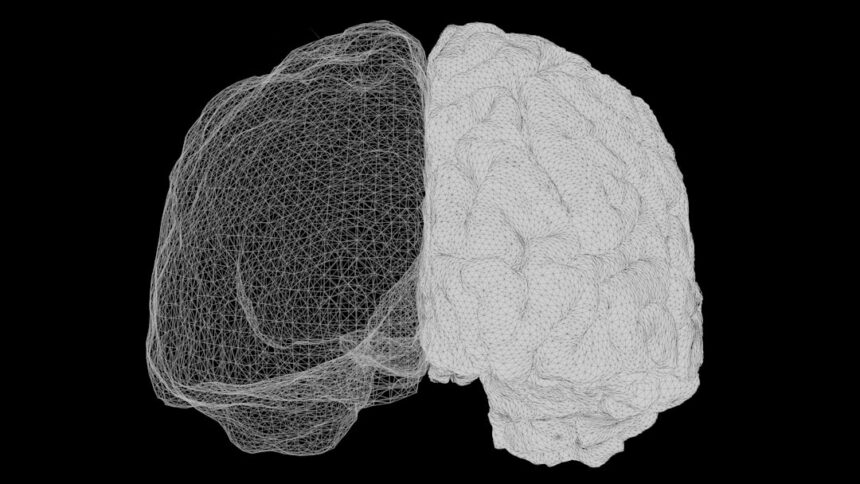
Your brain is an executive manager, constantly evaluating incoming data and making decisions, often without your conscious input. One of its most crucial, albeit often unnoticed, functions is its inherent preference for disengagement over panic in the face of overwhelming or novel threats. This isn’t a sign of weakness, but rather an intricate survival mechanism honed over millennia. You might imagine your brain as a highly sophisticated computer system, designed not for ultimate aggression, but for sustained operation and resource conservation.
To understand why your brain so readily embraces disengagement, you must consider its evolutionary journey. Early hominids faced a stark world filled with immediate, visceral threats. A charging sabretooth tiger demanded an immediate flight or fight response. However, many dangers were ambiguous, protracted, or simply beyond immediate intervention. Imagine a receding food source, or a gradually shifting climate. Panic in such scenarios would be energetically wasteful and strategically counterproductive.
Conserving Cognitive Resources
Your brain is a remarkably power-hungry organ, consuming a disproportionate amount of your body’s energy. A sustained state of panic, characterized by elevated heart rate, heightened sensory awareness, and intense mental processing, is metabolically expensive. Disengagement, by contrast, allows for a more frugal expenditure of resources. When a situation is perceived as intractable or overwhelming, the brain’s “circuit breakers” can trip, redirecting energy away from active problem-solving and towards a more passive, observational state. This is not necessarily apathy, but a strategic retreat of cognitive function from the immediate crisis.
The Freeze Response as a Precursor
Before the more nuanced forms of disengagement, there was the “freeze” response, a foundational element of the instinctual threat repertoire. When confronted with an immediate, inescapable danger, many animals, including humans, exhibit tonic immobility. You might have experienced this yourself: a deer caught in headlights, or the sudden inability to move or speak when overwhelmed by fear. This is not a failure of the fight or flight response, but rather a sophisticated attempt to avoid detection or to signal submission. This primitive form of “disconnecting” paved the way for the more complex neurological pathways that underpin modern disengagement.
In exploring the reasons why the brain often opts for disconnect over panic, it’s fascinating to consider the insights presented in a related article. This piece delves into the neurological mechanisms that drive our responses to stress and anxiety, highlighting how disconnection can serve as a protective strategy. For a deeper understanding of this phenomenon, you can read more in the article found here: Unplugged Psychology.
Neurological Mechanisms of Disengagement
Your brain isn’t simply choosing to “ignore” a problem; a complex interplay of neurochemical and structural processes orchestrates this shift. Think of your brain as a control panel with various switches and dials, and disengagement as a specific configuration that optimizes for a particular type of threat.
The Role of the Prefrontal Cortex
The prefrontal cortex (PFC), particularly the ventromedial prefrontal cortex (vmPFC), plays a critical role in evaluating risk, regulating emotions, and making decisions. When you encounter a threat, the amygdala, your brain’s alarm center, springs into action. However, the PFC acts as a modulator, assessing the nature of the threat and your capacity to respond. If the threat is deemed overwhelming or uncontrollable, the PFC can downregulate the amygdala’s activity, effectively “turning down the volume” on the panic signals. This allows your brain to shift from an agitated state to a more detached one. You are, in essence, being told by your own brain, “This is beyond your immediate control; conserve energy.”
The Opioid System and Dissociation
Your brain possesses an inherent analgesic system, largely mediated by endogenous opioids like endorphins and enkephalins. When faced with extreme stress or trauma, this system can be activated, inducing feelings of detachment, numbness, or even euphoria. This phenomenon, known as dissociation, is a profound form of disengagement. You might perceive events as if they are happening to someone else, or as if you are observing them from a distance. This isn’t a delusion, but a highly effective coping mechanism to shield you from psychological pain that would otherwise be unbearable. It’s like your brain is administering a self-made anesthetic to protect your emotional core.
The Default Mode Network
The Default Mode Network (DMN) is a collection of brain regions that become active when you are not focused on an external task. It’s associated with introspection, mind-wandering, and self-referential thought. While not directly a mechanism for disengagement from external threats, its activity can increase during periods of stress when external problem-solving is deemed futile. In such cases, your brain might retreat into internal processes, perhaps contemplating future scenarios or recollecting past experiences, as a form of mental escape. This can be a subtle but significant way of disconnecting from an Immediate, overwhelming reality.
Disengagement in the Face of Information Overload

In the modern era, where information flows ceaselessly and challenges often manifest as systemic complexities rather than direct physical threats, your brain’s preference for disengagement becomes even more apparent. You are bombarded daily with news of global crises, economic downturns, and complex social issues.
The Paradox of Choice and Cognitive Overload
When presented with an overwhelming array of choices or an abundance of information, your brain can enter a state of “cognitive overload.” Instead of engaging with each piece of data, it might opt for paralysis or disinterest. Imagine trying to choose a single item from a grocery store aisle filled with thousands of identical, yet subtly different, products. The sheer volume can be daunting, leading you to simply defer the decision or walk away from the task. Similarly, when presented with a torrent of disheartening news, your brain might choose to simply “tune out,” protecting itself from the emotional and cognitive burden of processing every negative detail.
Learned Helplessness and Apathy
Repeated exposure to uncontrollable stressors can lead to a phenomenon known as “learned helplessness.” If you consistently encounter situations where your efforts to exert control are met with failure, your brain can learn to generalize this lack of control to other situations. This can manifest as apathy, a profound lack of motivation, and a generalized sense of disengagement. It’s as if your brain concludes, “Why bother? Nothing I do will make a difference.” This isn’t a conscious resignation, but a deep-seated neurological adaptation to perceived powerlessness.
The Spectrum of Disengagement: From Adaptive to Maladaptive

While disengagement is fundamentally a survival mechanism, its manifestations exist on a spectrum, ranging from adaptive coping strategies to maladaptive behaviors that can hinder personal growth and well-being.
Adaptive Disengagement: Strategic Retreat
In many instances, disengagement is a highly adaptive strategy. Consider a soldier in battle, making the discerning choice to momentarily disengage from the immediate horrors to conserve mental fortitude for later, more critical actions. Or a student facing an insurmountable academic task, choosing to take a brief break and clear their mind rather than succumbing to panic. This is strategic retreat, a temporary withdrawal to regroup, re-evaluate, and prevent burnout. It’s a conscious or semi-conscious decision to create mental space for recovery and renewed focus. You are, in essence, hitting the psychological “reset” button.
Maladaptive Disengagement: Avoidance and Procrastination
On the other end of the spectrum lies maladaptive disengagement, characterized by chronic avoidance, procrastination, and emotional numbing. When disengagement becomes a default response to any challenge, it can prevent you from confronting problems, learning from mistakes, and building resilience. If you consistently retreat from difficult conversations, avoid responsibilities, or numb yourself with distractions, you might be engaging in maladaptive disengagement. This can be tempting in the short term, offering immediate relief from stress, but it ultimately undermines your ability to navigate the complexities of life. This is where your brain’s protective instinct, unchecked, can become detrimental.
In exploring the intriguing reasons behind why the brain often opts for disconnect rather than succumbing to panic, one can find valuable insights in a related article on the Unplugged Psych website. This piece delves into the psychological mechanisms that drive our responses to stress and anxiety, shedding light on the importance of mindfulness and self-awareness in managing overwhelming emotions. For a deeper understanding of these concepts, you can read more about it here.
Reconnecting and Building Resilience
| Metric | Description | Value/Insight |
|---|---|---|
| Stress Hormone Levels (Cortisol) | Amount of cortisol released during acute stress | High cortisol triggers fight, flight, or freeze; disconnect reduces cortisol spike |
| Prefrontal Cortex Activity | Brain region responsible for rational thinking and decision-making | Decreased activity during panic; maintained or increased during disconnect |
| Amygdala Activation | Brain area involved in fear and emotional responses | High activation during panic; moderate activation during disconnect |
| Heart Rate Variability (HRV) | Indicator of autonomic nervous system balance | Lower HRV during panic; higher HRV during disconnect indicating calmness |
| Neurotransmitter Release (GABA) | Inhibitory neurotransmitter that reduces neuronal excitability | Increased GABA release during disconnect to calm the brain |
| Behavioral Response | Observable reaction to stress | Disconnect leads to withdrawal and reduced sensory input; panic leads to hyperactivity |
Understanding your brain’s inclination towards disengagement is the first step towards managing it effectively. If you find yourself consistently disconnecting in unhelpful ways, there are strategies you can employ to foster more adaptive responses.
Cultivating Self-Awareness
The ability to recognize when you are disengaging is paramount. Pay attention to your emotional and physical states. Do you feel numb, distant, or unusually unmotivated? Are you consistently avoiding certain thoughts or tasks? Mindfulness practices can help you develop greater awareness of your internal landscape, allowing you to catch disengagement before it becomes entrenched. Think of it as becoming a more attentive observer of your own internal operating system.
Gradual Exposure and Small Wins
If you are prone to disengaging from overwhelming tasks, try breaking them down into smaller, manageable steps. This reduces the perceived threat and allows you to experience “small wins,” which can build momentum and confidence. Just as you wouldn’t try to lift a colossal weight on your first day at the gym, don’t expect your brain to immediately tackle a monumental problem after a period of disengagement. Start small, celebrate progress, and gradually increase the challenge. This methodical approach bypasses the brain’s “overwhelm” trigger.
Seeking Social Support
Humans are social creatures, and connection with others can be a powerful antidote to disengagement. Sharing your struggles with trusted friends, family, or a therapist can provide perspective, emotional validation, and practical support. The act of voicing your concerns can itself be a way of “re-engaging” with a difficult situation, as it forces you to articulate and thus process your thoughts and feelings. Your brain is wired for social interaction, and leveraging this can help you reconnect with challenges you might otherwise have avoided.
Developing Coping Mechanisms
Building a repertoire of healthy coping mechanisms is essential for navigating stress without resorting to maladaptive disengagement. This might include exercise, meditation, creative pursuits, adequate sleep, or spending time in nature. These activities provide constructive outlets for stress and can help regulate your emotional responses, making your brain less likely to resort to a full “system shutdown” in the face of adversity. This is about giving your brain alternative, healthier pathways for dealing with pressure.
Your brain, in its infinite wisdom, often chooses disengagement not out of weakness, but as a sophisticated strategy to conserve resources and protect your psychological well-being. By understanding the evolutionary roots, neurological mechanisms, and the spectrum of its manifestations, you can learn to harness this innate tendency for adaptive advantage, allowing you to confront challenges with greater resilience and intention. You are not a passive recipient of your brain’s actions; you can learn to guide and influence its powerful mechanisms.
FAQs
1. Why does the brain choose to disconnect instead of panicking in stressful situations?
The brain often opts to disconnect as a protective mechanism to prevent overwhelming feelings of panic. This dissociation helps reduce emotional distress by temporarily detaching from the immediate stressor, allowing the individual to maintain some level of functioning.
2. What part of the brain is involved in choosing disconnection over panic?
The prefrontal cortex and the amygdala play key roles. The amygdala processes fear and threat, while the prefrontal cortex helps regulate emotional responses. When overwhelmed, the brain may reduce activity in these areas to avoid panic, leading to a state of disconnection or dissociation.
3. Is disconnecting from reality the same as panicking?
No, disconnecting (or dissociation) is different from panicking. Panicking involves intense fear and heightened physiological responses, whereas disconnecting involves a numbing or detachment from emotions and surroundings to avoid those intense feelings.
4. Can disconnecting be harmful to mental health?
While temporary disconnection can be a useful coping strategy, frequent or prolonged dissociation may interfere with emotional processing and mental health. It can be a symptom of trauma-related disorders and may require professional support if it becomes chronic.
5. How can understanding the brain’s choice to disconnect help in managing stress?
Recognizing that disconnection is a natural response to overwhelming stress can help individuals be more compassionate with themselves. It also highlights the importance of developing healthy coping strategies and seeking support to address underlying stressors before disconnection becomes a habitual response.