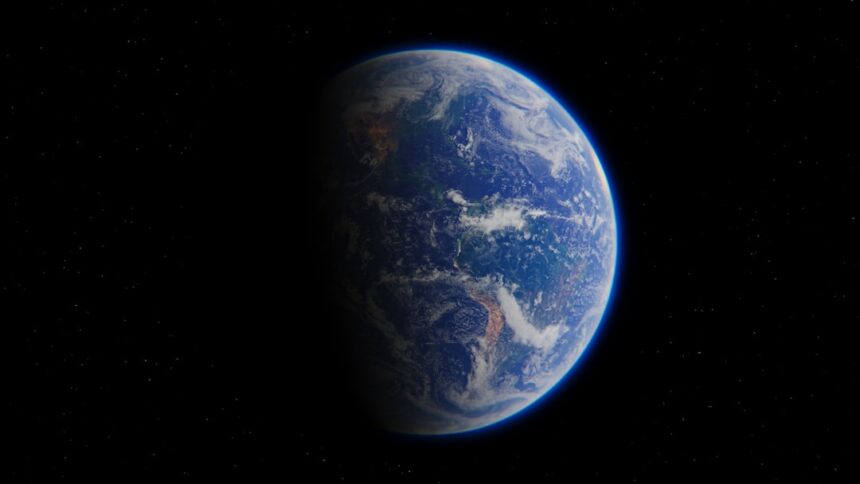
You stand on the precipice of something. It’s not a dramatic cliff edge, but a subtle, almost imperceptible shift in the fabric of your reality. The hum of daily life, once a comforting melody, now sounds distant, like a radio station fading in and out. You’re not alone in this sensation. Millions are experiencing the same creeping detachment, a feeling that the world, with all its bustling activity and interconnectedness, has somehow slipped beyond your reach. This article explores this pervasive feeling of disconnection, dissecting its roots and the multifaceted ways it manifests in your life.
In today’s fast-paced digital age, many people often feel a sense of disconnection from the world around them, leading to a phenomenon where the world feels far away. This feeling can be exacerbated by constant exposure to screens and social media, which can create an illusion of connection while simultaneously fostering isolation. For a deeper understanding of this issue and strategies to reconnect with reality, you can explore the article on this topic at Unplugged Psych.
Erosion of Tangible Connection
The first and perhaps most noticeable symptom of this growing distance is the erosion of tangible connection. Think of it like a sandcastle being slowly washed away by an indifferent tide. The solid foundations upon which you once built your interactions are weakening, replaced by a more ephemeral, less substantial form.
The Digital Mirage
This erosion is often driven by the relentless march of the digital. While technology promises hyper-connectivity, it can paradoxically create a chasm between your physical self and the world. You spend hours scrolling through curated feeds, witnessing snippets of lives that feel both intimate and impossibly remote.
The Illusion of Presence
Social media, for all its benefits, can present an illusion of presence. You might see a friend’s vacation photos, witness the birth of a nephew, or celebrate a colleague’s promotion with a “like.” Yet, these digital affirmations are often a pale imitation of genuine shared experience. You are a specter at the feast, observing but not participating in the true taste of the moment. The laughter, the tears, the shared silences – these vital ingredients of human connection are often lost in translation through screens. You might feel you “know” what your acquaintances are up to, but this knowledge is often superficial, like reading the synopsis of a book rather than devouring its narrative.
The Tyranny of the Notification
The constant barrage of notifications acts like a relentless woodpecker, chipping away at your ability to be fully present. Each alert, be it an email, a text message, or a social media update, pulls your attention away from the immediate environment. You are constantly being nudged, prodded, and stimulated, yet true engagement with the world around you becomes a scarce commodity. You find yourself anticipating the next ping, the next digital breadcrumb, rather than savoring the richness of the analog present. This fragmented attention makes deep engagement with tasks, conversations, and even your own thoughts increasingly challenging.
The Decline of Spontaneous Encounters
Beyond the digital realm, the decline of spontaneous encounters contributes significantly to this feeling of distance. The serendipitous run-ins with neighbors, the casual chats with shopkeepers, the impromptu gatherings – these once commonplace occurrences are increasingly rare.
The Gated Community Effect
Urban planning and the rise of consumerism have, in many ways, created “gated communities” for our social interactions. We drive from our homes to our workplaces, our entertainment venues, and our shopping centers, bypassing the connective tissue of public spaces. The emphasis on efficiency and convenience, while beneficial in some respects, has also sterilized the opportunities for casual human interaction. You might live in a densely populated area, yet feel more isolated than a lighthouse keeper on a remote shore. The shared spaces that once fostered community are now often seen as mere transit points, rather than arenas for organic connection.
The Pre-Programmed Social Calendar
Your social life, once a fluid dance, has become a meticulously planned itinerary. Friendships are sustained through scheduled video calls and pre-arranged meetups. While these efforts are commendable, they lack the effortless charm of bumping into someone and deciding to grab a coffee on the fly. This pre-programmed nature can make social interactions feel like obligations rather than joyous extensions of your life. You might find yourself looking forward to seeing friends, but the anticipation is tinged with the logistics of it all, the coordination of schedules, and the potential for cancellation.
The Amplification of Individualism
Another significant factor contributing to this sense of detachment is the amplification of individualism. While self-reliance and personal achievement are often celebrated, an overemphasis can lead to a form of social atomization, where individuals become isolated islands in a sea of humanity.
The Meritocratic Myth
The pervasive belief in a meritocratic system, where success is solely determined by individual effort, can foster a sense of alienation. When things go wrong, the narrative often shifts to personal failing, even when systemic factors are at play.
The Burden of Self-Reliance
You are told to pull yourself up by your bootstraps, to be the master of your fate. While this can foster resilience, it can also place an immense burden of self-reliance on your shoulders. When you struggle, the cultural narrative often suggests that the fault lies within you, rather than acknowledging the complexities of external circumstances or the need for communal support. This can lead to a reluctance to ask for help, a pride that isolates, and a feeling that you are battling the world single-handedly. The weight of this assumed solitary struggle can make the world feel like an adversary, rather than a partner.
The Competitive Crucible
Modern society often functions as a competitive crucible, where individuals are constantly vying for advancement, recognition, and resources. This relentless competition can breed suspicion and foster a sense of “us versus them.” You may find yourself viewing others as rivals rather than potential allies, further eroding your sense of belonging. The focus on individual achievement can overshadow the human need for collaboration and mutual support, turning potential bridges into barriers. You might be encouraged to “crush the competition,” a mindset that inherently distances you from any sense of shared humanity.
The Cult of Personal Branding
The rise of personal branding, particularly in professional and social contexts, further emphasizes the individual as a product to be marketed and optimized. This can create a performative aspect to your interactions, where authenticity takes a backseat to perceived success.
The Curated Persona
You are encouraged to present a polished, idealized version of yourself to the world. This curated persona, while often necessary for professional advancement or social navigation, can create a disconnect between your inner self and your outward presentation. The fear of revealing imperfections or vulnerabilities can lead to a sense of emotional isolation. You may feel that others only see the carefully constructed facade, and that the real you remains hidden, like a secret garden behind a locked gate. This perpetual performance can be exhausting and contribute to a feeling that you are not truly seen or understood.
The Perpetual Comparison
The constant visibility of others’ curated lives, amplified by social media, fuels a perpetual cycle of comparison. You are bombarded with images of seemingly perfect lives, leading to feelings of inadequacy and dissatisfaction. This comparison culture distracts you from appreciating your own journey and fosters a sense of being perpetually “less than.” The grass always appears greener on the other side of the digital fence, leading to a constant state of disquiet and a feeling that you are falling behind, even if you are on your own unique and valuable path.
The Fading Echo of Shared Experience
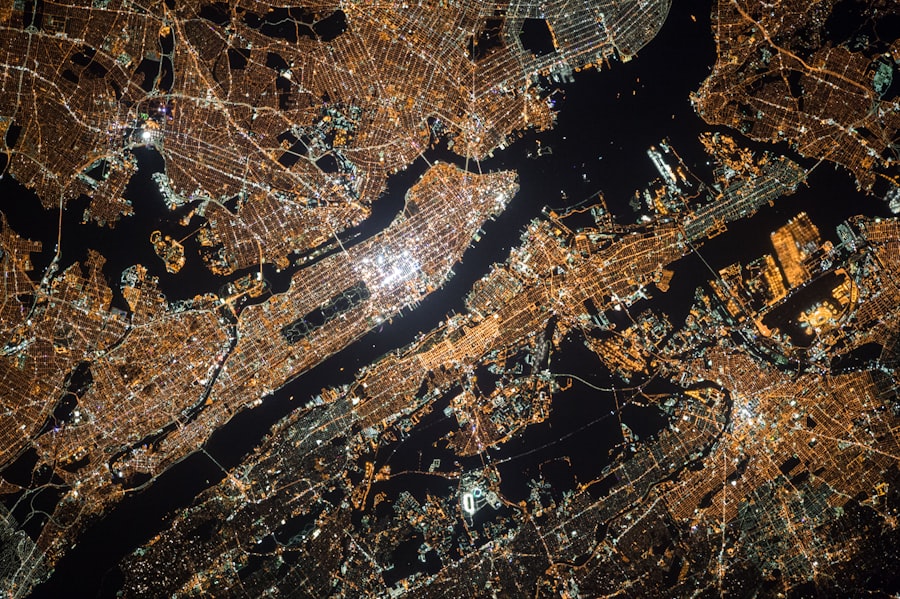
As the threads of connection fray, so too does the resonance of shared experience. The collective narratives that once bound communities, the cultural touchstones that united generations, are becoming fainter, replaced by a fragmented mosaic of individual preferences.
The Fragmentation of Culture
The sheer volume of content available has led to a fragmentation of culture. What was once a shared meal of television programming and popular music has splintered into countless niche interests and online communities.
The Echo Chamber Effect
Algorithm-driven content delivery systems are designed to show you more of what you already like, creating echo chambers that reinforce existing beliefs and limit exposure to diverse perspectives. This can lead to a sense of being disconnected from broader societal conversations and a misunderstanding of those with different viewpoints. You can become so immersed in your own filtered reality that the common ground upon which shared experiences are built begins to disappear. The world outside your personalized bubble can feel alien and even threatening.
The Decline of Collective Rituals
Traditional collective rituals, from religious services to local festivals, have seen declining participation in many societies. These gatherings provided a powerful sense of belonging and shared identity. Their erosion leaves a void that is difficult to fill with purely digital or individualized forms of engagement. Without these shared experiences, the collective memory of a community weakens, and the sense of being part of something larger than oneself diminishes. The silent pew can feel like a much larger canyon than mere physical distance.
The Loss of Local Identity
The increasing globalization and the homogenization of consumer culture can lead to a loss of local identity. Unique traditions, regional dialects, and distinctive community characteristics can be diluted, leaving places feeling interchangeable.
The Allure of the Global, the Neglect of the Local
The globalized marketplace offers a seemingly endless array of products and experiences, often overshadowing the value of local artisans, businesses, and cultural expressions. This allure of the familiar and the readily available can lead to a neglect of that which is unique to your immediate surroundings. You might find yourself more familiar with the offerings of a multinational corporation than the history of your own town. This can lead to a feeling of being disconnected from the very place you call home.
The Fading Sense of Place
A strong sense of place is often built on intimate knowledge of a locale and its inhabitants. When that knowledge is replaced by fleeting digital impressions or standardized global offerings, the emotional connection to place can weaken. You might be physically present in a location, but your heart and mind may feel a world away. The familiar landmarks may lose their meaning, and the faces around you may become indistinct.
In today’s fast-paced digital age, many people often feel a sense of disconnection from the world around them, leading to a perception that it feels far away. This phenomenon can be attributed to various factors, including the overwhelming presence of technology and social media, which can create a barrier between individuals and their immediate environments. For a deeper understanding of this topic, you might find it interesting to explore a related article that discusses the impact of modern life on our sense of connection. You can read more about it here.
The Strain on Social Fabric
| Factor | Description | Impact on Feeling of Distance | Example Metrics |
|---|---|---|---|
| Globalization | Increased interconnectedness through trade, communication, and travel | Can both reduce and increase the feeling of distance depending on access and inclusion | Number of international flights per year, internet penetration rate (%) |
| Digital Communication | Use of social media, messaging apps, and video calls to connect | Reduces physical distance but may increase emotional distance | Average daily time spent on social media (hours), number of active users globally (billions) |
| Political Barriers | Visa restrictions, travel bans, and geopolitical tensions | Increase the feeling of separation and limit physical access | Number of countries with visa-free access, number of travel bans in place |
| Economic Inequality | Disparities in wealth and resources between regions | Creates gaps in access to technology and mobility, increasing distance | Gini coefficient by country, internet access disparity (%) |
| Cultural Differences | Language, traditions, and social norms that vary globally | Can create barriers to understanding and connection | Number of languages spoken worldwide, percentage of population speaking a second language |
| Environmental Factors | Geographical isolation, climate change impacts | Physical barriers and displacement can increase feelings of remoteness | Number of remote communities, frequency of climate-related disasters |
These various forms of disconnection do not exist in a vacuum. They exert a tangible strain on the social fabric, impacting relationships, community cohesion, and individual well-being.
The Isolation Epidemic
The growing sense of disconnect is a significant contributing factor to what many are calling an “isolation epidemic.” Loneliness is no longer a personal failing but a public health concern.
The Pandemic’s Lingering Shadow
The COVID-19 pandemic, while forging some new forms of connection, also exacerbated existing trends of isolation. Lockdowns and social distancing measures, while necessary, had a profound impact on social interaction and may have left a lasting imprint on our desire and ability to connect. The prolonged separation can make re-entry into social spaces feel daunting, like stepping back into a foreign land after a long absence.
The Erosion of Trust
When connections are shallow and interactions are increasingly mediated, a foundational element of social cohesion – trust – begins to erode. It becomes harder to believe in the good intentions of strangers when you rarely encounter them in person or when interactions are predominantly transactional. This distrust can create a more guarded and fearful society.
The Breakdown of Community Support
A strong community provides a vital safety net, offering emotional, practical, and financial support during times of need. As connections weaken and individualism is amplified, this crucial support system is increasingly strained.
The Weakening of Neighborhood Bonds
The casual conversations and informal networks that once characterized neighborhood life have largely dissipated. This means that when you face a personal crisis, the immediate circle of support you can rely on may be significantly smaller, or even non-existent. The idea of a neighbor stepping in to help in a time of need can feel like a relic of the past.
The Rise of Individualized Solutions
In the absence of robust community support, individuals are often left to cobble together their own solutions to personal challenges. This can be an exhausting and overwhelming undertaking, further reinforcing the feeling of being adrift and disconnected. The “do it yourself” ethos, when applied to fundamental human needs for support, can be profoundly isolating.
Rebuilding the Bridges
Recognizing the extent of this disconnection is the first step towards rebuilding the bridges. It is a formidable task, but not an insurmountable one. The journey back to feeling truly connected to the world, and to each other, requires intentionality and a conscious effort to counteract the forces that pull us apart.
Cultivating Intentional Connection
In a world that often encourages passive consumption of connection, intentionality becomes paramount. This means actively seeking out and nurturing genuine human interaction.
Prioritizing Face-to-Face Engagement
Make a conscious effort to prioritize face-to-face interactions whenever possible. Even small gestures, like striking up a conversation with a cashier or making eye contact with passersby, can begin to chip away at the wall of detachment. The warmth of a shared smile, the nuance of body language – these are elements that screens can never fully replicate.
Deepening Existing Relationships
Invest time and energy in deepening your existing relationships. Move beyond superficial check-ins and engage in meaningful conversations. Ask open-ended questions, actively listen, and share your own vulnerabilities. True connection is built on shared intimacy and mutual understanding, not just shared proximity.
Re-Embracing the Local and Tangible
The antidote to the desensitizing effects of the global and the digital often lies in re-embracing the local and the tangible.
Supporting Local Communities
Actively support local businesses, community events, and cultural initiatives. These enterprises are the lifeblood of your immediate environment and provide opportunities for authentic connection with your neighbors. Shopping at a local bakery offers more than just a loaf of bread; it offers an interaction, a sense of place.
Engaging with the Physical World
Make time for activities that engage you with the physical world. Spend time in nature, pursue hobbies that require hands-on engagement, and participate in activities that connect you to the tangible realities of life. The feel of soil in your hands, the scent of rain on pavement, the effort of physical exertion – these ground you in the present moment.
The Ongoing Journey
The feeling that the world feels far away is not a fleeting anomaly; it is a complex symptom of a society undergoing significant transformation. The path to reconnecting is not a destination but an ongoing journey. It requires constant vigilance, a willingness to challenge the status quo, and a profound appreciation for the simple, yet powerful, act of genuine human connection. It is a journey of rebuilding the frayed threads of our social tapestry, one intentional interaction, one heartfelt conversation, one shared moment at a time. And in that ongoing endeavor lies the promise of a world that feels, once again, within reach.
FAQs
What does the phrase “why the world feels far away” mean?
The phrase “why the world feels far away” typically refers to a sense of disconnection or isolation from the surrounding environment, society, or global events. It can describe feelings of emotional distance, loneliness, or detachment from everyday life or the broader world.
What are common reasons people might feel that the world is far away?
Common reasons include social isolation, mental health issues such as depression or anxiety, physical distance from loved ones, overwhelming global events, or excessive use of technology that reduces face-to-face interactions. These factors can contribute to a perception that the world is distant or inaccessible.
How can technology influence the feeling that the world is far away?
While technology connects people across distances, excessive reliance on digital communication can sometimes lead to feelings of isolation or detachment. Social media and virtual interactions may not fully replace in-person connections, potentially making individuals feel more disconnected from the real world.
Are there psychological effects associated with feeling that the world is far away?
Yes, feelings of disconnection or detachment can lead to psychological effects such as loneliness, anxiety, depression, and decreased motivation. These feelings can impact overall mental health and well-being if not addressed.
What are some ways to overcome the feeling that the world is far away?
To overcome this feeling, individuals can engage in social activities, seek support from friends, family, or mental health professionals, practice mindfulness, limit excessive screen time, and participate in community events. Building meaningful connections and staying engaged with the world can help reduce feelings of distance and isolation.