
You find yourself at a precipice, not of a mountain, but of your internal landscape. The once clear paths of your self-understanding have blurred, and the familiar contours of your identity have dissolved into an unsettling void. This is not a fleeting mood; it is an immersive, often prolonged, psychological and spiritual phenomenon traditionally known as the “Dark Night of the Soul.” While its origins are often traced to mystical and religious texts, particularly the writings of Saint John of the Cross, modern neuroscience offers a compelling lens through which to understand its intricate biological underpinnings. You are embarking on a journey into the neuroscience of this profound experience, seeking to illuminate the cerebral mechanisms that contribute to its agonizing depths and, ultimately, its transformative potential.
When you are deeply entrenched in the Dark Night, your brain is not merely experiencing a “bad mood.” Instead, it is undergoing significant neurochemical shifts that profoundly impact your perception, emotional regulation, and cognitive function. This is a period of intense internal renegotiation, often accompanied by a pervasive sense of anhedonia, existential angst, and a crushing feeling of spiritual emptiness.
The Dopamine Labyrinth
You may notice a profound lack of motivation and an inability to find pleasure in activities that once brought you joy. This isn’t a mere disinterest; it is a symptom of altered dopamine signaling. Dopamine, often dubbed the “reward chemical,” plays a crucial role in your brain’s reward system, motivation, and the experience of pleasure. During the Dark Night, evidence suggests a potential downregulation of dopamine receptors or a disruption in its synthesis and release. Imagine your everyday life as a vibrant garden, with dopamine acting as the rain nurturing the flowers of joy and motivation. During this period, the rain diminishes, and the garden withers, leaving you with a barren landscape where former pleasures hold no appeal. This sustained hypodopaminergic state contributes to the pervasive anhedonia and lack of drive you experience, making even simple tasks feel insurmountable. The brain, in its attempt to process this internal crisis, appears to become less responsive to external stimuli that would typically trigger dopamine release, thereby further entrenching you in a state of emotional flatness.
Serotonin’s Shadow Play
Beyond dopamine, serotonin, another pivotal neurotransmitter, also appears to be heavily implicated. Serotonin is integral to mood regulation, sleep, appetite, and social behavior. During the Dark Night, you might experience persistent sadness, pervasive anxiety, sleep disturbances (insomnia or hypersomnia), and disruptions in your appetite. These symptoms align with a dysregulation of serotonin pathways. Consider serotonin as the conductor of your emotional orchestra; during this period, the conductor has stepped away, leaving the instruments in disarray, playing discordant notes. The precise nature of this dysregulation—whether it’s reduced production, impaired receptor function, or altered reuptake—is still an active area of research. However, the symptomatic overlap with major depressive disorder, characterized by pervasive serotonin imbalances, suggests a strong correlation. You are essentially experiencing an extended period of internal dissonance, where the brain’s ability to maintain emotional homeostasis is severely compromised.
The Cortisol Cascade: Stress and Survival
The Dark Night is inherently a stressful experience. The constant internal struggle, the feeling of being untethered, and the loss of meaning trigger your body’s stress response system. You might feel a persistent sense of unease, even panic, and experience physical symptoms like muscle tension, digestive issues, and fatigue. This is the handiwork of your hypothalamic-pituitary-adrenal (HPA) axis, your body’s central stress response system. Prolonged activation of the HPA axis leads to increased secretion of cortisol, the primary stress hormone. High levels of cortisol, sustained over time, can have deleterious effects on your brain, particularly on areas involved in memory, mood, and emotional regulation. Think of cortisol as a raging river, normally confined within its banks. During the Dark Night, the river overflows, flooding the delicate neural pathways and disrupting their normal function. This chronic stress can lead to hippocampal atrophy, negatively impacting memory formation and emotional modulation, further contributing to feelings of cognitive fog and emotional dysregulation. Your body, perceiving an internal crisis, remains in a perpetual state of alert, diverting resources and preparing for a threat that is internal and elusive.
The concept of the “dark night of the soul” has intrigued many, especially in the context of personal transformation and psychological growth. A related article that delves into the neuroscience behind this profound experience can be found at Unplugged Psych. This resource explores how the brain processes emotional turmoil and the stages individuals may go through during such transformative periods, providing valuable insights into the interplay between neuroscience and spiritual awakening.
The Brain’s Restructuring: Neural Circuitry in Flux
The observable shifts in neurochemistry are not isolated events; they are part of a larger neurobiological re-patterning within your brain’s intricate neural networks. The Dark Night represents a period of significant neural plasticity, where existing connections are weakened or broken, and new ones are, often painfully, forged.
Default Mode Network (DMN) Disruption
You may find yourself excessively ruminating, caught in a loop of self-referential thought, often negative and self-critical. This hyper-activity of the Default Mode Network (DMN) is a hallmark of many psychological distress states, including the Dark Night. The DMN is a network of interacting brain regions that is most active when you are not focused on the outside world, such as when you are daydreaming, thinking about the past or future, or contemplating your sense of self. During the Dark Night, this network can become overactive and disengaged from executive control, leading to a constant, internal monologue that reinforces feelings of despair and meaninglessness. Imagine the DMN as a self-sustaining echo chamber. In a healthy state, you can step out of it and engage with the external world. During the Dark Night, the walls thicken, and the echoes become deafening, trapping you within its confines. This exaggerated self-focus, often painful and unproductive, is a critical component of the Dark Night’s introspective, often isolating, nature. Your attention becomes profoundly introverted, dissecting your internal experience with relentless scrutiny.
The Amygdala’s Overdrive: Fear and Anxiety
The pervasive sense of fear, anxiety, and dread you may experience is directly linked to an overactive amygdala. The amygdala, often called the “fear center” of the brain, is crucial for processing emotions, particularly fear, and plays a significant role in your fight-or-flight response. During the Dark Night, the amygdala appears to be in a state of heightened arousal, interpreting even neutral stimuli as potentially threatening. This hypervigilance contributes to the pervasive sense of unease and the difficulty in experiencing peace. Think of the amygdala as an alarm system. Under normal circumstances, it sounds only when there is a genuine threat. During the Dark Night, the alarm is constantly blaring, even in the absence of external danger, keeping you in a state of perpetual apprehension. This constant state of physiological readiness for threat, even an internal one, can be utterly exhausting and contribute significantly to the perceived psychological burden.
Prefrontal Cortex Impairment: The Loss of Executive Function
You might struggle with decision-making, problem-solving, and maintaining focus. Your rational mind, your ability to plan and execute, seems diminished. This suggests an impairment in the function of the prefrontal cortex (PFC), the brain region responsible for executive functions, working memory, attention, and regulating emotional responses. During the Dark Night, the PFC’s ability to exert top-down control over emotional responses originating in areas like the amygdala appears to be compromised. Imagine the PFC as the conductor of your cognitive orchestra, maintaining harmony and direction. During this period, the conductor is struggling, leading to a chaotic and disorganized internal experience. This weakened executive function contributes to the feeling of being overwhelmed and unable to cope with the challenges of the internal landscape. You frequently feel as if you are navigating a ship without a rudder, at the mercy of internal currents.
The Meditative State: A Pathway to Integration
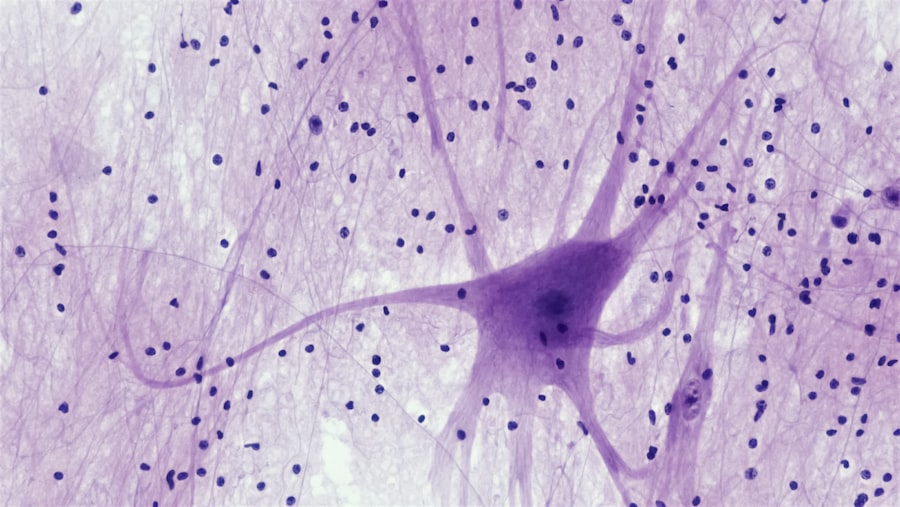
While the Dark Night is undoubtedly a period of profound distress, it is also frequently associated with a transformative potential, often facilitated by practices akin to deep meditation, even if not consciously undertaken as such. The brain, in its struggle, is also engaging in processes that can lead to re-organization and growth.
Alpha and Theta Waves: The Brain’s Restructuring Rhythms
You may experience altered states of consciousness, where typical waking thought patterns are disrupted. During periods of deep introspection and intense internal processing, your brain waves might shift. Studies on experienced meditators show an increase in alpha waves, associated with relaxed wakefulness and inward-focused attention, and theta waves, characteristic of deep relaxation, meditation, and during the transition between wakefulness and sleep. While you may not be consciously meditating, the prolonged inward focus and disengagement from external stimuli during the Dark Night can induce similar brain wave patterns. Imagine your brain as a radio receiver. Normally, it’s tuned to the bustling frequencies of beta waves (active thinking). During the Dark Night, it shifts to the calmer, more introspective frequencies of alpha and theta, allowing for a different kind of internal processing. This shift may be a neurological mechanism for allowing the brain to engage in deeper, less inhibited forms of processing, essential for the eventual integration of difficult experiences.
Neuroplasticity: The Brain That Reforms Itself
The brain is not static; it is remarkably plastic, constantly adapting and changing in response to your experiences. The intense internal pressure of the Dark Night appears to be a potent catalyst for neuroplasticity. While initially disruptive, this reorganization can ultimately lead to a more resilient and integrated neural architecture. Think of neuroplasticity as the brain’s ability to rewire itself. The old, familiar pathways may be dismantled, but in their place, new, more robust connections can form, leading to new perspectives and a deeper understanding of yourself. This is not a comfortable process; it is akin to demolishing an old, insecure structure to build a stronger one in its place. The discomfort you experience is a sign that your brain is actively reshaping itself. This period is a prime opportunity for genuine self-discovery and the forging of new, healthier neural pathways.
The Role of the Insula: Interoception and Self-Awareness
As your internal world becomes the primary focus, your interoceptive awareness – your sense of the physiological condition of your body – may become heightened, albeit often in a negative way. This is largely mediated by the insula, a brain region crucial for integrating internal bodily states with emotional and cognitive processes.
Connecting Body and Mind: The Insula’s Influence
You might notice an intensified awareness of your bodily sensations – a racing heart, a knot in your stomach, a pervasive fatigue. The insula acts as a central hub for processing these interoceptive signals, contributing to your subjective experience of emotions and your sense of self. During the Dark Night, the insula appears to play a crucial role in integrating the distressing physiological sensations with the overriding emotional and existential angst. Imagine the insula as a sensitive internal barometer, constantly reading your body’s physical state. During this period, the barometer is acutely attuned to every tremor, every shift in your internal equilibrium, making you intensely aware of your discomfort. This heightened awareness, while challenging, can also be a pathway to deeper self-understanding, as it forces you to confront the intricate connection between your physical and emotional states. The insula’s role in this process is not merely to report discomfort but also, eventually, to facilitate the integration of these disquieting bodily signals into a more coherent and resilient sense of self.
Empathy and Theory of Mind: Reconnecting with Others
While often isolating, the transformative potential of the Dark Night can also lead to a renewed capacity for empathy and social connection. The insula, along with other brain regions, contributes to your ability to understand and relate to the emotional states of others (theory of mind). As you navigate and perhaps eventually emerge from this profound internal struggle, your own experience of suffering can forge a deeper understanding of the human condition, making you more compassionate and empathetic. You emerge with a profound knowledge of the depths of human suffering, which cultivates a more robust capacity for compassion.
The concept of the “dark night of the soul” has intrigued many, especially when exploring its stages through the lens of neuroscience. Understanding how our brain processes profound emotional experiences can shed light on this transformative journey. For those interested in delving deeper into the intersection of psychology and neuroscience, a related article can be found at Unplugged Psych, which offers insights into how these stages can impact mental health and personal growth.
Navigating the Aftermath: Integration and Growth
| Stage | Description | Neuroscientific Correlates | Common Emotional/Mental States | Potential Brain Regions Involved |
|---|---|---|---|---|
| 1. Initial Crisis | Onset of existential questioning and emotional turmoil | Increased activity in the amygdala and anterior cingulate cortex (ACC) indicating heightened emotional processing | Anxiety, confusion, emotional pain | Amygdala, ACC, prefrontal cortex (PFC) |
| 2. Deep Despair | Profound feelings of loss, isolation, and meaninglessness | Reduced activity in the default mode network (DMN) and dysregulation of serotonin pathways | Depression, hopelessness, withdrawal | Default mode network, raphe nuclei (serotonin system) |
| 3. Inner Reflection | Turning inward for self-examination and insight | Increased connectivity between medial prefrontal cortex and posterior cingulate cortex facilitating self-referential thought | Introspection, mindfulness, cognitive restructuring | Medial PFC, posterior cingulate cortex |
| 4. Transformation | Emergence of new perspectives and emotional regulation | Enhanced prefrontal cortex regulation over limbic system, increased neuroplasticity markers | Acceptance, emotional resilience, clarity | Prefrontal cortex, hippocampus, amygdala |
| 5. Integration | Incorporation of new insights into daily life and identity | Stabilization of neural networks supporting self-concept and emotional balance | Peace, purpose, renewed motivation | Default mode network, prefrontal cortex |
The Dark Night, while agonizing, is not an endpoint but a transformative passage. The neuroscience suggests that this period, while profoundly challenging, primes your brain for significant reorganization, potentially leading to lasting changes in your personality, perspectives, and overall well-being.
Post-Traumatic Growth at a Neural Level
You may eventually notice a profound shift in your values, priorities, and your understanding of life itself. This aligns with the concept of post-traumatic growth, where individuals experience positive psychological changes following a highly challenging life event. The brain, having undergone a period of intense stress and restructuring, emerges with new neural pathways and a more robust capacity for resilience. Think of your brain after the Dark Night as a landscape that has been reshaped by a seismic event. While the old terrain may be gone, new mountains and valleys have formed, offering new vantage points and new opportunities for growth. This is not a return to your old self, but an evolution into a more complex, resilient, and perhaps wiser individual. The neural rewiring that has occurred strengthens your ability to cope with future stressors and navigate life’s inevitable challenges with a deeper sense of self-awareness and equanimity.
A Renewed Sense of Purpose and Meaning
Many who traverse the Dark Night report emerging with a newfound sense of purpose and meaning, often rooted in a deeper understanding of their own vulnerability and interconnectivity with others. This renewed sense of meaning can ignite a profound drive for personal growth and contribute to a more profound engagement with life. The brain, having been stripped of its former attachments and illusions, is now primed to construct new narratives and forge new pathways towards a more authentic and meaningful existence. This is a journey of deconstruction and reconstruction, where the old self is willingly, or unwillingly, dismantled to allow for the emergence of a more integrated and expansive consciousness. You are not merely recovering; you are evolving, and your brain is the silent, spectacular architect of this ongoing transformation. The experience, though harrowing, recalibrates your internal compass, allowing you to navigate the world with a clarity and depth that was previously unattainable.

WATCH NOW ▶️ SHOCKING: Why Your World Suddenly Feels Like a Set
FAQs
What is the “dark night of the soul” in psychological terms?
The “dark night of the soul” refers to a period of intense inner turmoil, confusion, and existential crisis. It is often described as a spiritual or psychological struggle where an individual feels lost, disconnected, or overwhelmed by negative emotions, leading to profound personal transformation.
How many stages are typically involved in the dark night of the soul?
While interpretations vary, the dark night of the soul is commonly understood to involve several stages, including initial awakening or crisis, deep despair or confusion, surrender and acceptance, and eventual renewal or enlightenment. These stages reflect a process of psychological and spiritual growth.
What does neuroscience say about the dark night of the soul?
Neuroscience suggests that the dark night of the soul may involve changes in brain activity related to emotional regulation, stress response, and self-awareness. Areas such as the prefrontal cortex and limbic system can be affected during intense emotional experiences, influencing mood, cognition, and perception.
Can the dark night of the soul have positive outcomes?
Yes, despite its challenging nature, the dark night of the soul can lead to positive outcomes such as increased self-awareness, emotional resilience, and personal growth. It often serves as a catalyst for deeper understanding of oneself and a renewed sense of purpose.
Are there any recommended approaches to cope with the dark night of the soul?
Coping strategies include seeking professional psychological support, practicing mindfulness and meditation, engaging in reflective journaling, and connecting with supportive communities. These approaches can help individuals navigate the emotional intensity and facilitate healing and transformation.