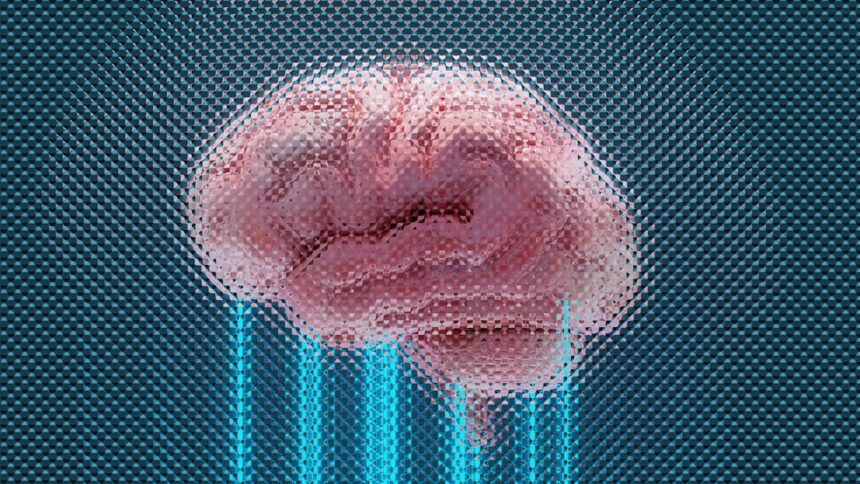
Your shadow self is the part of you that you prefer to keep hidden, the aspects you deem unacceptable or undesirable. It’s the raw material of your unconscious, a deep well of experiences, emotions, and impulses that haven’t been fully integrated into your conscious awareness. Understanding the neuroscience behind this hidden realm offers a fascinating lens through which to view your own internal landscape. This article will guide you through the biological underpinnings of your shadow self, exploring how your brain constructs, stores, and expresses these often-unseen facets of your being.
Your brain, a three-pound universe of neurons and synapses, is not a monolithic entity. It’s a complex interplay of interconnected regions, each with its own evolutionary history and functional specialization. The shadow self, in this neurological context, is not a single located entity but rather an emergent property of the intricate network dynamics. Think of your brain as a vast, bustling city. The conscious self is the well-lit downtown, the organized streets, the public buildings where transactions and interactions are overt. The shadow self, conversely, resides in the less explored districts – the alleyways, the abandoned warehouses, the subterranean tunnels. These areas are not inherently sinister; they are simply less frequented, less mapped, and therefore less understood by the daytime inhabitants.
The Primal Roots: Amygdala and the Fight-or-Flight Response
At the core of your brain’s survival mechanisms lies the amygdala, a pair of almond-shaped structures crucial for processing emotions, particularly fear and threat detection. When confronted with a perceived danger, the amygdala triggers the fight-or-flight response, a cascade of physiological and psychological reactions designed to protect you. These primal reactions, the instinctual urge to flee, to lash out, or to freeze, form a vital part of your early developing self. However, societal norms and personal conditioning often dictate that these raw, uninhibited responses are to be suppressed. The emotions that fuel these responses, the anger, the aggression, the intense fear, can become dissociated, pushed into the shadow.
Emotional Tagging and Memory Consolidation
The amygdala plays a critical role in emotional memory. It acts like a highlighter pen, imprinting significant emotional experiences onto your hippocampus, the brain’s memory center. This ensures that you learn from potentially dangerous situations. However, when these experiences are overwhelmingly negative or associated with deep shame or trauma, the memories and the emotions attached to them can be relegated to less accessible neural pathways. The amygdala, in this case, doesn’t erase the memory but facilitates its sequestration, making it a potent force within your shadow.
The Architects of Defense: Prefrontal Cortex and Inhibition
The prefrontal cortex (PFC), the executive control center of your brain, is responsible for higher-order cognitive functions like decision-making, impulse control, and social behavior. It acts as the city planner of your brain, laying down rules and regulations for the inhabitants of your inner city. The PFC works in concert with the amygdala, modulating its more extreme reactions. When impulses or emotions deemed socially unacceptable arise from regions like the amygdala, the PFC attempts to inhibit them. This inhibitory process is essential for navigating the complexities of social life, but it also creates the fertile ground for repression. The impulses and feelings that your PFC deems incompatible with your presented self become candidates for the shadow wardrobe.
The Reptilian Brain and Instinctual Drives
Deep within your brainstem lies the reptilian brain, the oldest part of your nervous system, responsible for fundamental survival instincts such as breathing, heart rate, and territoriality. This is the bedrock of your being, the ancient code that dictates your most basic needs and urges. These instincts, being so primitive and automatic, can be sources of potent, undifferentiated energies that may not align with your more developed social persona. Think of it as the raw, untamed wilderness that existed before civilization was built upon it. The drive for self-preservation, for dominance, for procreation, all stem from this ancient core, and if not consciously integrated, can manifest as shadow aspects.
Unconscious Motivations and Biological Imperatives
Your reptilian brain operates largely on unconscious motivations, driven by biological imperatives that precede conscious thought. These are not necessarily malicious, but their raw power can be perceived as such if they clash with your conscious values or your presented self. For instance, a deep-seated need for security might manifest in the shadow as possessiveness or suspicion. The underlying biological imperative remains, but its expression is distorted by a lack of conscious awareness and integration.
The exploration of the shadow self in the context of neuroscience offers fascinating insights into how our unconscious mind influences behavior and emotional responses. A related article that delves deeper into this topic can be found on Unplugged Psych, which discusses the interplay between our hidden aspects and brain function. For more information, you can read the article here: Unplugged Psych. This resource provides valuable perspectives on understanding the shadow self through a scientific lens, enhancing our awareness of the complexities of human psychology.
The Neural Underpinnings of Repression and Dissociation
Repression is the unconscious act of pushing unwanted thoughts, memories, or desires out of conscious awareness. Dissociation, a more extreme defense mechanism, involves a disconnection from one’s thoughts, feelings, memories, or sense of self. Both are crucial in forming the shadow. Imagine your conscious awareness as a spotlight. The shadow self is everything that falls outside that beam of light, not because it doesn’t exist, but because the spotlight isn’t directed there.
The Hippocampus and Memory Suppression
While the hippocampus is essential for forming explicit memories, its role in the shadow self is more nuanced. When memories are deeply traumatic or conflict with your sense of self, the connections between the amygdala (which tags the emotion) and the hippocampus can be disrupted. This doesn’t necessarily erase the memory, but it can make it difficult to access consciously. These “underground archives” of your brain hold the unspoken stories and feelings that contribute to your shadow.
Emotional Dysregulation and its Neural Correlates
The anterior cingulate cortex (ACC), a region involved in conflict monitoring and error detection, plays a role in emotional regulation. When the ACC functions optimally, it helps you to self-correct and adapt your emotional responses. In individuals with a more pronounced shadow, there can be underlying patterns of emotional dysregulation, where the neural circuits responsible for processing and managing emotions are not functioning cohesively. This can lead to the uncontrolled eruption of shadow material.
The Insula and Interoception
The insula is a brain region crucial for interoception – your awareness of your internal bodily states, including emotions. It’s the internal compass that tells you when you’re hungry, anxious, or excited. When the shadow self is strong, there can be a disconnect between your emotional signals and your conscious awareness of them. You might feel a vague sense of unease or a sudden surge of inexplicable anger without understanding its source. This is akin to having a faulty internal messaging system where the signals are garbled or not reaching their intended destination.
Somatic Manifestations of Unconscious Content
The insula’s connections to other brain regions, including those involved in pain perception and motor control, mean that repressed emotions can manifest physically. Headaches, digestive issues, or muscle tension can be somatic expressions of underlying psychological distress that is contained within the shadow. Your body, in this sense, becomes a script for unspoken narratives.
The Role of the Default Mode Network (DMN) in Shadow Formation

The Default Mode Network (DMN) is a network of brain regions that is most active when you are not focused on the outside world and your mind is allowed to wander. It’s associated with self-referential thought, rumination, and mind-wandering. While the DMN is crucial for self-reflection and creativity, it can also be a breeding ground for shadow material. When your mind drifts, it’s often to the less consciously curated aspects of your experience.
Rumination and the Replay of Repressed Content
The DMN’s tendency to engage in rumination means it can inadvertently revisit repressed memories or emotional patterns. These are not necessarily conscious repetitions but rather neural circuits activating in a familiar, albeit unacknowledged, pattern. Imagine the DMN as a projector in a dark room, occasionally flashing images from a film reel that has been stored away, unedited and unbound by conscious intention.
Self-Referential Processing and Ego Defense Mechanisms
The DMN is heavily involved in self-referential processing, how you think about yourself. To maintain a coherent and positive sense of self, your brain employs ego defense mechanisms, as described by psychoanalytic theory. These mechanisms, when working excessively or unconsciously, contribute to the formation and maintenance of the shadow by pushing aspects of yourself that threaten your ego into the unconscious. The DMN, in its self-referential loop, can become a participant in these defensive maneuvers.
Neuroplasticity and the Integration of the Shadow
The remarkable capacity of your brain to change and adapt, known as neuroplasticity, offers a powerful avenue for integrating your shadow self. This means that while your shadow may be formed by certain lifelong neural patterns, these patterns are not immutable. You have the capacity to rewire your brain. Think of neuroplasticity as the ability to build new pathways or reinforce existing ones in your internal city. You can bring light to the darker districts and integrate them into the overall urban plan.
Mindfulness and Focused Attention
Mindfulness practices, such as meditation, engage brain regions like the prefrontal cortex and the anterior cingulate cortex, strengthening their ability to regulate emotions and focus attention. By intentionally directing your attention to your internal experiences without judgment, you can begin to observe the subtle manifestations of your shadow instead of being overwhelmed by them. This is akin to systematically exploring those less-trafficked city districts with a guide, learning their layout and understanding their inhabitants.
Emotional Regulation Training and its Neural Impact
Therapeutic interventions that focus on emotional regulation training can lead to demonstrable changes in brain activity. Techniques like Dialectical Behavior Therapy (DBT) and Cognitive Behavioral Therapy (CBT) help individuals identify and modify maladaptive thought and emotional patterns. These therapies can literally reshape the neural circuits involved in emotional processing, making it easier to integrate shadow material rather than repress it.
Trauma-Informed Therapies and Neural Reorganization
For individuals with a shadow significantly shaped by trauma, trauma-informed therapies are crucial. These approaches, often incorporating somatic experiencing and EMDR (Eye Movement Desensitization and Reprocessing), aim to help the brain reprocess traumatic memories without re-traumatizing the individual. This can lead to a reorganization of neural pathways, particularly in the amygdala and hippocampus, allowing for the safe integration of previously terrifying or overwhelming experiences. It’s like repairing and rebuilding damaged infrastructure within your city to allow for safe passage and integration of previously inaccessible areas.
In exploring the intricate relationship between neuroscience and the concept of the shadow self, one can gain valuable insights into how our unconscious mind influences behavior and emotions. A fascinating article on this topic can be found at Unplugged Psych, which delves into the psychological mechanisms that shape our hidden aspects and their neurological underpinnings. Understanding these connections can lead to greater self-awareness and personal growth, shedding light on the complexities of human nature.
The Neurochemical Symphony of the Shadow Self
| Metric | Description | Neuroscientific Relevance | Typical Findings |
|---|---|---|---|
| Activation of the Amygdala | Measures emotional response to unconscious or repressed content | Increased amygdala activity indicates heightened emotional processing related to shadow aspects | Elevated during exposure to personally threatening or repressed stimuli |
| Prefrontal Cortex (PFC) Regulation | Involves conscious control and integration of unconscious material | Greater PFC activity correlates with better regulation and integration of shadow traits | Higher PFC activation during reflective tasks involving self-awareness |
| Default Mode Network (DMN) Connectivity | Associated with self-referential thought and introspection | Altered DMN connectivity may reflect engagement with shadow self processing | Increased DMN activity during meditation or shadow work exercises |
| Implicit Association Test (IAT) Scores | Measures unconscious biases and hidden aspects of self | Higher IAT scores indicate stronger unconscious associations with shadow traits | Varies depending on individual shadow content and awareness |
| Electroencephalography (EEG) Alpha Waves | Linked to relaxed, introspective states conducive to shadow integration | Increased alpha wave activity during shadow self reflection tasks | Alpha power rises during guided introspection and shadow work |
Beyond the structural and functional aspects of your brain, neurochemistry plays a vital role in shaping and expressing your shadow. Hormones and neurotransmitters are the chemical messengers that orchestrate the complex symphony of your brain.
Cortisol and the Stress Response
Chronic stress, mediated by the hormone cortisol, can significantly impact brain function and contribute to the entrenchment of shadow aspects. Elevated cortisol levels can impair frontal lobe function, making it harder to regulate emotions and impulses, thus exacerbating the tendency to repress or lash out. Think of chronic stress as flooding certain areas of your city with a disruptive element, making normal operations difficult.
Serotonin, Dopamine, and Mood Regulation
Neurotransmitters like serotonin and dopamine are critical for mood regulation, motivation, and pleasure. Imbalances in these systems can contribute to conditions like depression and anxiety, which often have strong shadow components. The feeling of being overwhelmed by negative emotions or a pervasive lack of motivation can be linked to these neurochemical fluctuations.
Norepinephrine and the Fight-or-Flight Readiness
Norepinephrine, a neurotransmitter and hormone, is central to the fight-or-flight response. Persistent activation of this system, often triggered by unresolved shadow material, can lead to a state of constant hypervigilance or emotional reactivity. Your internal alarm system is perpetually on high alert, subtly influencing your perceptions and interactions.
The Gut-Brain Axis and Emotional Experience
The gut-brain axis, a bidirectional communication system between your digestive system and your brain, is increasingly recognized for its influence on mood and emotional well-being. The bacteria in your gut can influence the production of neurotransmitters, impacting your overall neurological state. Disrupted gut health can, in turn, contribute to emotional dysregulation and the amplification of shadow material, further illustrating the interconnectedness of your internal systems.
Understanding the neuroscience of your shadow self is not about diagnosing or pathologizing these hidden aspects. Instead, it offers a scientific framework for appreciating the intricate biological mechanisms that contribute to the complexity of human experience. By understanding how your brain constructs, stores, and expresses its less conscious elements, you gain a more profound insight into yourself. This knowledge is not an end in itself, but a powerful tool for self-awareness, leading to greater emotional intelligence and the possibility of a more integrated and whole self. The journey into your shadow is, in essence, a journey into the deepest, most intricate workings of your own biological being.

WATCH NOW ▶️ SHOCKING: Why Your World Suddenly Feels Like a Set
FAQs
What is the “shadow self” in neuroscience?
The “shadow self” refers to the unconscious aspects of the personality that the conscious mind does not recognize or accept. In neuroscience, it involves brain processes related to self-awareness, repression, and emotional regulation.
How does the brain process the shadow self?
The brain processes the shadow self through regions involved in emotion and self-reflection, such as the prefrontal cortex, amygdala, and the default mode network. These areas help manage unconscious thoughts and feelings that influence behavior.
Can neuroscience explain why people have a shadow self?
Yes, neuroscience suggests that the shadow self arises from the brain’s mechanisms for coping with conflicting emotions, social norms, and personal experiences. It helps individuals manage undesirable traits or impulses by relegating them to the unconscious mind.
Is it possible to integrate the shadow self through neuroscience?
Neuroscience supports the idea that through practices like mindfulness, therapy, and self-reflection, individuals can increase awareness of their shadow self. This integration can lead to improved emotional regulation and psychological well-being.
What role does the unconscious mind play in the shadow self?
The unconscious mind stores repressed memories, desires, and emotions that constitute the shadow self. Neuroscientific research shows that unconscious processes influence decision-making and behavior without conscious awareness.