You, as an observer of the contemporary world, might have already perceived a subtle, yet profound, change in the way you experience colors. This isn’t merely a subjective shift in personal preference; it represents a global phenomenon we can call “The Desaturated World.” This article will delve into the multifaceted aspects of this ongoing transformation in color perception, examining its causes, manifestations, and potential implications for human psychology, culture, and our understanding of reality.
You are no longer living in a world brimming with the vibrant hues your ancestors might have encountered. Instead, you are increasingly enveloped in an environment where colors appear muted, less intense, and at times, almost monochromatic. This isn’t to suggest a literal absence of color, but rather a discernible decrease in its saturation across various domains.
Deciphering the Desaturation Effect
Think of it this way: imagine a spectrum of colors. Historically, the average experience would cluster around the middle to higher saturation levels. Today, this cluster is incrementally shifting towards the lower end of that spectrum. This is not a pathology of your vision, but an observable trend with quantifiable features.
Quantifying the Fading Palette
Researchers, utilizing techniques such as colorimetric analysis of visual media, have begun to quantify this shift. Studies analyzing a vast corpus of digital images and films from different decades consistently reveal a statistically significant decrease in average color saturation over time. This isn’t an artifact of a single artistic movement; it’s a cross-cultural, cross-stylistic trend.
The phenomenon of a desaturated world can often be attributed to various psychological and environmental factors that affect our perception of color and vibrancy in our surroundings. For a deeper understanding of this topic, you might find the article on Unplugged Psych insightful, as it explores the impact of modern life on our mental state and how it influences our perception of reality. You can read more about it here: Unplugged Psych.
The Digital Catalyst: How Technology Reshapes Your Visual Reality
The ubiquitous presence of digital technology plays a paramount role in shaping your current perception of color. From the screens you interact with daily to the algorithms that curate your visual content, technology acts as a powerful, albeit often unnoticed, desaturating agent.
The Screen’s Pale Glow
Consider the screens that dominate your waking hours: smartphones, tablets, computer monitors, and televisions. While capable of displaying a wide gamut of colors, the default settings and typical content consumption often favor a subdued aesthetic.
The Rise of “Neutral” and “Cool” Tones
You will notice, upon closer inspection, that many modern user interfaces and website designs lean heavily on shades of grey, muted blues, and understated pastels. This aesthetic is often justified by principles of user-friendliness and minimizing eye strain, yet it invariably contributes to a less vibrant visual landscape.
Algorithmic Desaturation and Content Curation
Social media platforms and streaming services employ complex algorithms that influence the visual content you consume. These algorithms, often optimized for engagement and broad appeal, may inadvertently favor images and videos that adhere to a more desaturated aesthetic. This could be due to a perceived “cleaner” or “more sophisticated” look, or simply a byproduct of compression techniques.
The Influence of Digital Photography and Filters
The advent of digital photography and the proliferation of editing tools and filters have also played a significant role. You, or someone you know, likely uses these tools to alter the appearance of photographs.
The “Film Look” and Vintage Resurgence
A popular trend in digital photography is the emulation of “film look” aesthetics. This often involves reducing saturation, increasing contrast, and introducing subtle color shifts that mimic the characteristics of older photographic processes. While aesthetically pleasing to many, it systematically contributes to a perception of less saturated imagery.
The Ubiquity of Desaturated Filters
Consider the sheer volume of images uploaded daily to social media platforms, many of which have been passed through filters designed to desaturate or mute existing colors. This creates a feedback loop: you consume desaturated content, and you, in turn, produce it, further normalizing this aesthetic.
The Psychological Undercurrents: How Desaturation Affects Your Mind
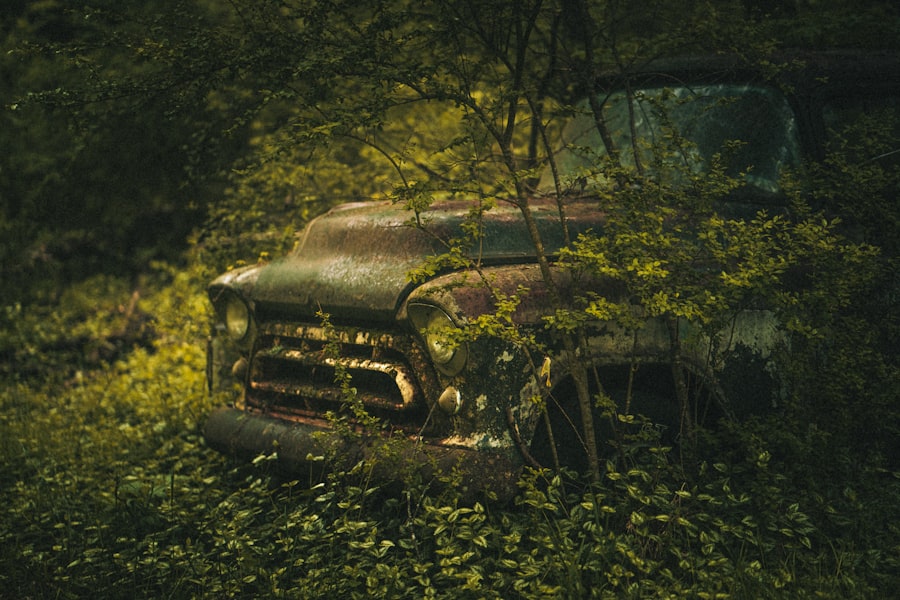
The shift in color perception is not merely an aesthetic observation; it has profound psychological implications that are subtly influencing your emotional states, cognitive processes, and even your philosophical outlook.
The Emotional Impact of Muted Tones
Colors are intrinsically linked to human emotions. Vivacious, saturated colors are often associated with joy, excitement, and energy, while muted, desaturated tones can evoke feelings of calm, sophistication, or even melancholy.
The Pursuit of Serenity and Minimalism
You might find yourself drawn to desaturated aesthetics in interior design, fashion, and branding. This often correlates with a desire for simplicity, order, and a sense of calm in an increasingly chaotic world. The absence of vibrant color can be perceived as less stimulating and more conducive to focus and introspection.
A Reflection of Contemporary Moods
It is plausible that the global desaturation of color perception is, to some extent, a reflection of the prevailing societal mood. In an era marked by complex global challenges, anxiety, and a pervasive sense of uncertainty, a more muted visual language might resonate with a collective undercurrent of introspection or even subdued solemnity.
Cognitive Processing and Attention
The way you perceive and process information is also influenced by color saturation.
The “Less is More” Principle in Visual Information
In an era of information overload, your brain is constantly filtering out extraneous stimuli. Desaturated visuals, by reducing the intensity of color, might be perceived as less demanding on your cognitive resources, allowing you to focus on form and composition rather than being overwhelmed by a cacophony of hues.
The Role of Saliency and Contrast
While highly saturated colors can initially grab your attention, their constant presence can lead to sensory fatigue. Desaturation, paradoxically, can enhance saliency by allowing subtle variations in tone and contrast to become more prominent. You might find yourself appreciating the nuanced textures and forms in a monochromatic image more acutely than in a brightly colored one.
Cultural Echoes: Desaturation in Art, Fashion, and Branding

The phenomenon of global desaturation is not confined to your personal perceptions; it is deeply embedded within contemporary cultural expressions, manifest in art, fashion, and the strategic choices made by global brands.
The Art World’s Embrace of Subtlety
You can observe a clear inclination towards desaturated palettes in many forms of modern art.
From Bold Strokes to Nuanced Tones
Contemporary painting, photography, and digital art often explore a reduced color palette, focusing on the interplay of light, shadow, and texture rather than vibrant chromatic explosions. This can be seen as a continuation of artistic traditions that value subtlety and atmospheric effects.
The Post-Modern Aesthetic
The desaturated aesthetic aligns with certain post-modern sensibilities, which often question grand narratives and embrace ambiguity. A muted palette can evoke introspection, a sense of quiet observation, or a deliberate rejection of overt emotionality, allowing for a more cerebral engagement with the artwork.
Fashion’s Chic Restraint
The runways and retail spaces you encounter also reflect this desaturated shift.
The Dominance of Neutrals and Earth Tones
You will notice a pervasive presence of neutral colors – grays, blacks, whites, and various shades of beige and brown – in contemporary fashion. These tones are often paired with subtly desaturated blues, greens, and pinks. This is driven by both aesthetic preferences and practical considerations, such as versatility and timelessness.
The “Quiet Luxury” Trend
The rise of “quiet luxury” in fashion, characterized by understated elegance and high-quality materials rather than overt branding, perfectly encapsulates the desaturated trend. This style values sophistication and subtlety over ostentatious displays of color or branding. You are encouraged to appreciate the quality of fabric and cut, rather than being dazzled by a vibrant hue.
Branding and Marketing: The Sophistication of Subdued Hues
Global brands are increasingly leveraging desaturated aesthetics in their marketing and branding strategies to convey specific messages to you, the consumer.
Conveying Trust and Professionalism
Many corporations and luxury brands opt for desaturated color schemes in their logos, websites, and advertising. This choice often aims to project an image of professionalism, trustworthiness, and sophistication, in contrast to the more vibrant, sometimes perceived as “loud,” palettes used by mass-market brands.
Creating a Sense of Exclusivity and Aspiration
The subdued nature of desaturated branding can also create a sense of exclusivity. You are implicitly invited to join a discerning group that appreciates subtle elegance rather than overt flashiness. This strategy plays on your desire for refinement and belonging.
The world often appears desaturated, a phenomenon that can be attributed to various factors including environmental changes and psychological influences. Many people have noticed this shift, leading to discussions about how our perception of color is affected by modern life. For a deeper understanding of this topic, you might find it interesting to read a related article that explores the psychological aspects of color perception and its impact on our daily experiences. You can check it out here: related article.
The Future of Vision: Navigating a Desaturated Landscape
| Factor | Description | Impact on Perception | Example or Metric |
|---|---|---|---|
| Atmospheric Conditions | Presence of haze, fog, or pollution scatters light and reduces color saturation. | Colors appear muted and less vibrant. | PM2.5 levels above 100 µg/m³ can cause noticeable desaturation. |
| Lighting Quality | Overcast or diffused lighting reduces contrast and color intensity. | Colors look duller compared to direct sunlight. | Cloud cover above 80% reduces color saturation by up to 30%. |
| Human Vision Adaptation | Eye adjusts to low light or monotone environments, reducing color sensitivity. | Perceived colors become less vivid. | In twilight, cone cell activity drops by 50%, lowering color perception. |
| Camera or Display Settings | Low saturation settings or poor calibration can cause images to look desaturated. | Colors appear washed out or grayish. | Standard sRGB saturation ranges from 70-90%; lower values reduce vibrancy. |
| Environmental Changes | Seasonal changes like winter reduce natural color diversity in landscapes. | Scenes appear more monochromatic or muted. | Leaf chlorophyll content drops by 60% in autumn, reducing green hues. |
As you move forward, the implications of this global shift in color perception will continue to unfold, impacting not just what you see, but how you interpret and interact with your world.
Adapting to a New Visual Baseline
Your visual system is remarkably adaptable. Over time, your perception of “normal” color saturation is likely to recalibrate, with a lower baseline becoming the new standard. This means that what once appeared vibrant might now seem aggressively saturated, and what was once considered muted might become the new definition of balanced.
The Potential for Sensory Deprivation (Hypothetical)
While speculative, it is worth considering if an extreme, prolonged exposure to universally desaturated environments could lead to a form of mild sensory deprivation, potentially impacting mood or cognitive vibrancy. However, the human brain typically seeks and creates stimulation, so this is a less likely outcome than adaptation.
The Renewed Appreciation for Saturation
Paradoxically, as desaturation becomes the norm, genuine bursts of saturated color may hold even greater power and impact. You might find yourself more deeply appreciating those moments where vibrant hues break through the muted tapestry, experiencing them as particularly striking and memorable.
The Philosophical Weight of Color
The way you perceive color is fundamental to how you construct your reality. The shift towards desaturation carries with it a subtle philosophical weight.
A More Nuanced Understanding of Reality
A desaturated world could encourage a more nuanced understanding of reality, where subtle variations and underlying structures become more apparent. You might be compelled to look beyond the superficial brilliance of color to appreciate the intrinsic qualities of objects and environments.
Reflecting on the “Authenticity” of Perception
This phenomenon also prompts you to consider the “authenticity” of your perception. Is what you see truly how it is, or is your visual reality increasingly mediated and curated by technology and cultural trends? It invites introspection into the very nature of visual experience and its malleability.
In conclusion, you are an active participant in “The Desaturated World.” This global shift in color perception, driven by technological advancements, psychological predilections, and cultural trends, is reshaping your visual landscape. It is not merely a fleeting fad but a fundamental alteration in how you encounter and interpret the world around you. By understanding its mechanics and implications, you can gain a deeper appreciation for the intricate relationship between technology, culture, and the very fabric of your sensory experience.
WATCH NOW ▶️ SHOCKING: Why Your World Suddenly Feels Like a Set
FAQs
Why does the world sometimes appear desaturated to human eyes?
The world can appear desaturated due to various factors such as lighting conditions, atmospheric effects, and the way our eyes perceive color. For example, overcast skies or fog can reduce the intensity of colors, making the environment look muted or washed out.
How does lighting affect the perception of color saturation?
Lighting plays a crucial role in color perception. Bright, direct sunlight enhances color saturation, while dim or diffuse lighting, like on cloudy days, reduces the vibrancy of colors, causing the world to look more desaturated.
Can atmospheric conditions cause the world to look less colorful?
Yes, atmospheric conditions such as fog, haze, pollution, or dust can scatter light and reduce contrast and color intensity, leading to a desaturated appearance of the environment.
Does human vision change to make the world look desaturated?
Human vision can be influenced by factors like fatigue, aging, or certain medical conditions, which may reduce color sensitivity and make the world appear less vibrant. However, under normal healthy conditions, the eyes adapt to different lighting to maintain color perception.
Are there psychological reasons why the world might seem desaturated?
Psychological factors such as mood, stress, or mental health conditions like depression can affect how individuals perceive colors, sometimes making the world seem duller or less colorful than it objectively is.