
You often encounter terms like “spiritual awakening” or “enlightenment” within various philosophical and religious traditions. Yet, a less frequently discussed, but equally profound, experience is the “Dark Night of the Soul.” This metaphor, originally coined by the 16th-century Spanish mystic Saint John of the Cross, describes a period of intense spiritual desolation, a feeling of abandonment by God, or a profound existential crisis. While inherently spiritual, this state also has discernible correlates within your neurobiological framework. Understanding these neurological underpinnings can provide not only validation for your experience but also practical insights into navigating this challenging terrain.
When you undergo a Dark Night of the Soul, your subjective experience is characterized by a pervasive sense of emptiness, a loss of meaning, and often, an overwhelming feeling of spiritual stagnation. From a neuroscientific perspective, these sensations are not arbitrary; they reflect significant shifts in your brain’s activity and chemistry.
The Default Mode Network (DMN) and Self-Referential Processing
Your brain’s Default Mode Network (DMN) is a collection of interconnected regions that becomes active when you are not focused on an external task. It is intrinsically linked to self-referential thought, introspection, and your sense of self. During periods of existential crisis, the DMN frequently exhibits altered activity. You might find yourself locked in rumination, endlessly questioning your purpose and identity. This hyper-activity, or sometimes dysregulation, within the DMN can contribute to the pervasive self-focused distress you experience. Simultaneously, your sense of personal significance, often bolstered by familiar routines and beliefs, may diminish, causing a disconnect between your internal narrative and perceived external reality.
The Amygdala and the Experience of Threat and Fear
The amygdala, a pair of almond-shaped nuclei deep within your temporal lobes, plays a crucial role in processing emotions, particularly fear and anxiety. In the midst of a Dark Night, you may experience heightened anxiety, a pervasive sense of dread, or even panic attacks. Your amygdala’s heightened state of alert can lead to an exaggerated perception of threat, even in the absence of objective danger. This continuous state of internal alarm can be incredibly draining, maintaining a chronic stress response within your body. The threat is often existential, a perceived loss of your very being or purpose, which the amygdala registers with the same intensity as a physical danger.
The Prefrontal Cortex: Executive Function and Cognitive Control
The prefrontal cortex (PFC) is the brain’s executive control center, responsible for decision-making, planning, and regulating emotions. During a Dark Night, you might notice a significant decline in your cognitive functions. Difficulty concentrating, impaired decision-making, and a general lack of motivation are common. This can be attributed to a disruption in the optimal functioning of your PFC. The overwhelming emotional distress and rumination can consume cognitive resources, making it arduous for your PFC to execute its regulatory functions effectively. This is analogous to a computer program hogging all your processing power, leaving little left for other essential operations.
The concept of the “dark night of the soul” often intersects with various aspects of neuroscience, particularly in understanding how profound emotional and psychological experiences can affect brain function and mental health. For a deeper exploration of this topic, you can refer to the article on the neuroscience behind emotional struggles and their impact on well-being at Unplugged Psych. This resource delves into how the brain processes intense emotional states and the potential pathways for healing and growth that can emerge from such challenging experiences.
Neurochemical Shifts: The Invisible Hand of Your Internal Pharmacy
Beyond localized brain activity, the Dark Night of the Soul is also characterized by significant fluctuations in your neurotransmitter levels, effectively altering your internal chemical landscape. These changes are not merely symptomatic; they are integral to the experience itself.
Serotonin: The Mood Regulator Under Strain
Serotonin is a monoamine neurotransmitter widely known for its role in regulating mood, sleep, appetite, and social behavior. During a Dark Night, many individuals report symptoms akin to clinical depression, such as anhedonia (inability to experience pleasure), persistent sadness, and low energy. This often correlates with reduced serotonin activity, particularly in areas of the brain associated with emotional processing and reward pathways. Your brain’s “feel-good” chemicals appear to be in short supply, creating a pervasive sense of emotional flatness or despair.
Dopamine: The Motivation and Reward Pathway Diminished
Dopamine is another crucial neurotransmitter involved in motivation, pleasure, and reward. When you are experiencing a Dark Night, the absence of joy, the lack of interest in previously engaging activities, and a general feeling of apathy can be linked to a decrease in dopaminergic activity. The reward pathways in your brain seem to be under-stimulated, making it difficult for you to find satisfaction or motivation in daily life. This can create a vicious cycle where lack of motivation leads to inactivity, further reinforcing the sense of meaninglessness. The usual drivers of your engagement with the world – anticipation of reward, the pleasure of accomplishment – seem to evaporate.
Norepinephrine: The Fight-or-Flight System on High Alert
Norepinephrine, also known as noradrenaline, is both a hormone and a neurotransmitter involved in your body’s “fight-or-flight” response, alertness, and arousal. While you might experience general sluggishness during a Dark Night, you can also experience periods of heightened anxiety and panic. This paradoxical state can be partially explained by dysregulation in norepinephrine levels. While overall drive may be low, episodic surges in norepinephrine can contribute to feelings of agitation, restlessness, and a constant sense of being on edge, even without a clear external threat. Your nervous system is oscillating between states of profound fatigue and hyper-vigilance.
The Brain’s Plasticity: Reshaping Through Adversity
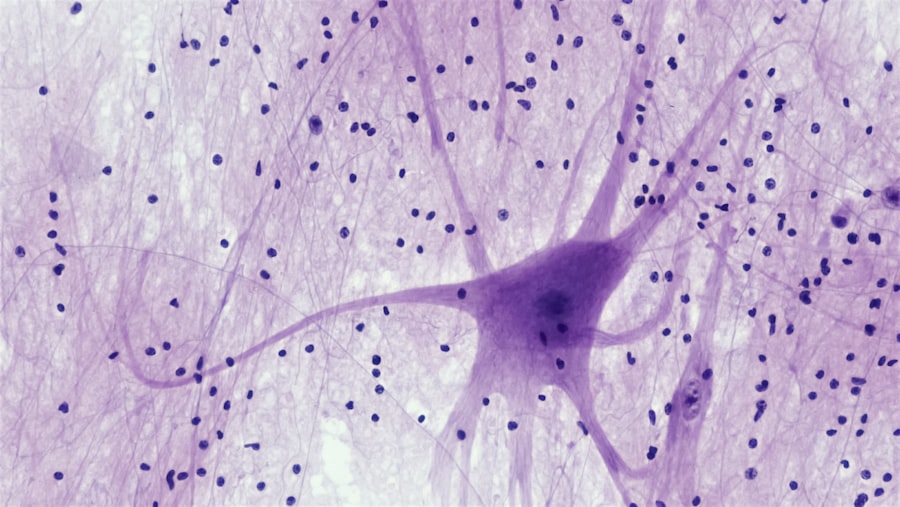
Despite the intense psychological and neurochemical upheaval, your brain possesses an extraordinary capacity for plasticity – its ability to reorganize itself by forming new neural connections throughout life. This inherent adaptability offers a profound glimmer of hope during a Dark Night of the Soul.
Neurogenesis and Synaptic Pruning: Redevelopment Under Duress
During extended periods of stress and emotional distress, there can be a decrease in neurogenesis, the creation of new neurons, particularly in the hippocampus, a region vital for memory and emotion regulation. However, the subsequent processing and integration of the Dark Night experience can also trigger periods of remarkable neuroplasticity. The intense introspection and grappling with existential questions can lead to reorganization within your neural networks. Think of it as a forced, albeit painful, pruning process. Old, maladaptive pathways may weaken as new, more resilient connections are forged. This is not a passive process; actively engaging with the experience, even if reluctantly, contributes to this neural remodeling.
The Role of Mindfulness and Self-Compassion in Neural Rewiring
Practices like mindfulness help you to observe your thoughts and emotions without judgment, which can reduce the intensity of DMN rumination and amygdala hyperactivity. By consciously shifting your attention and cultivating self-compassion, you can begin to dampen the negative feedback loops that perpetuate distress. These practices, over time, can lead to measurable changes in brain structure and function, including increased gray matter in areas associated with emotional regulation and improved connectivity between the PFC and the amygdala. This allows your rational mind to exert greater control over primitive emotional responses, offering a pathway toward emotional equilibrium.
Navigating the Neurological Labyrinth: Strategies for Support
Acknowledging the neurobiological basis of the Dark Night of the Soul is not meant to reduce a profound spiritual experience to mere material processes. Rather, it offers a framework for understanding and, crucially, for developing strategies to support yourself through this arduous journey.
Prioritizing Sleep: The Brain’s Reset Button
Sleep is not merely a period of rest; it is an active state crucial for neuronal repair, memory consolidation, and neurotransmitter balance. During a Dark Night, sleep disturbances are common, exacerbating emotional dysregulation and cognitive impairment. Prioritizing consistent, quality sleep can be a powerful intervention. Ensuring a conducive sleep environment, establishing a regular sleep schedule, and avoiding stimulants before bed are practical steps. Adequate sleep allows your brain to process emotional information more effectively, leading to a reduction in stress hormones and an improved capacity for emotional resilience. You are, in essence, giving your internal pharmacy a chance to restock and rebalance.
Nutrition and Exercise: Fueling Your Biological Foundation
Your brain requires a consistent supply of nutrients to function optimally. A diet rich in omega-3 fatty acids, antioxidants, and B vitamins supports brain health and neurotransmitter production. Conversely, processed foods and excessive sugar can contribute to inflammation and exacerbate mood disturbances. Regular physical exercise, even gentle forms, has profound neurobiological benefits. It promotes neurogenesis, increases levels of beneficial neurotransmitters like serotonin and dopamine, and reduces stress hormones. Moreover, exercise can provide a sense of accomplishment and agency, counteracting the pervasive feelings of helplessness often associated with the Dark Night. Engaging your body can often help to ground your mind.
Seeking Professional Guidance: A Compass for the Internal Storm
While the Dark Night of the Soul is a spiritual journey, its neurobiological manifestations can be profoundly debilitating. It is crucial to distinguish between a spiritual crisis and clinical depression or anxiety disorders, which may require specific medical or therapeutic interventions. A qualified therapist or psychiatrist can help you navigate the complex interplay of psychological, spiritual, and neurobiological factors. Cognitive Behavioral Therapy (CBT) can assist in identifying and challenging negative thought patterns, while other therapeutic approaches can help in processing trauma or underlying psychological vulnerabilities that may be triggered by the Dark Night. Medications, when appropriate, can offer crucial support in rebalancing neurotransmitter systems, providing a foundation upon which spiritual and psychological work can be more effectively undertaken. Think of it as recalibrating your internal compass when it’s spinning wildly.
Connecting with Community: The Social Brain’s Antidote to Isolation
Humans are inherently social creatures, and social connection is a fundamental need for optimal brain health. During a Dark Night, you might feel an intense urge to withdraw, leading to isolation. However, this isolation can further exacerbate feelings of loneliness and despair. Engaging with supportive communities, whether spiritual, therapeutic, or social, can provide a vital buffer against these negative feelings. Social interaction stimulates the release of oxytocin, a hormone associated with bonding and trust, which can counteract stress and promote feelings of well-being. Even if you don’t explicitly discuss your spiritual struggles, the mere act of connecting with others can provide neural benefits, countering the brain’s tendency toward isolation during distress. Shared human experience, even when unspoken, provides a balm to the agitated brain.
The experience often referred to as the “dark night of the soul” can be profoundly transformative, and recent research in neuroscience sheds light on the brain’s response during such periods of deep emotional turmoil. Understanding how our neural pathways are affected during these challenging times can provide valuable insights into the healing process. For those interested in exploring this connection further, a related article discusses the neuroscience behind emotional suffering and recovery, which can be found here. This exploration not only highlights the brain’s resilience but also emphasizes the importance of psychological support during these critical moments.
The Integration: Beyond the Darkness
| Metric | Description | Neuroscientific Insight | Relevant Brain Regions | Typical Measurement Methods |
|---|---|---|---|---|
| Emotional Distress Level | Intensity of negative emotions experienced during the dark night of the soul | Increased amygdala activation linked to heightened emotional processing | Amygdala, Insula | fMRI, PET scans, Self-report scales (e.g., PANAS) |
| Default Mode Network (DMN) Activity | Brain network involved in self-referential thought and rumination | Altered DMN connectivity associated with introspection and existential questioning | Medial prefrontal cortex, Posterior cingulate cortex, Precuneus | Resting-state fMRI |
| Neurotransmitter Levels | Changes in serotonin, dopamine, and norepinephrine during spiritual crisis | Reduced serotonin linked to mood disturbances; dopamine fluctuations affect motivation | Raphe nuclei, Ventral tegmental area | CSF analysis, PET imaging |
| Stress Hormone Concentration | Cortisol levels indicating physiological stress response | Elevated cortisol correlates with prolonged stress and emotional upheaval | Hypothalamus, Pituitary gland, Adrenal glands | Saliva or blood cortisol assays |
| Neuroplasticity Markers | Indicators of brain adaptability during transformative experiences | Increased BDNF levels suggest potential for psychological growth post-crisis | Hippocampus, Prefrontal cortex | Blood serum BDNF measurement, MRI volumetry |
Ultimately, the Dark Night of the Soul, viewed through a neuroscientific lens, is not merely a period of suffering but a profound period of neurobiological and psychological transformation. While the initial experience can feel like a complete shattering of your internal world, your brain’s inherent plasticity
and capacity for change offer pathways toward integration. The insights gained, the old patterns shed, and the new neural pathways forged during this challenging period can lead to a deeper understanding of yourself, a more resilient emotional landscape, and a more profound connection to existence. You emerge, not merely recovered, but fundamentally rewired, having navigated a treacherous yet ultimately transformative internal landscape. This isn’t about eradicating the darkness, but understanding its structure and emerging with a more luminous internal experience.

WATCH NOW ▶️ SHOCKING: Why Your World Suddenly Feels Like a Set
FAQs
What is the “dark night of the soul” in neuroscience?
The “dark night of the soul” refers to a profound psychological and spiritual crisis characterized by feelings of despair, confusion, and existential questioning. Neuroscience explores how this experience affects brain function, emotional regulation, and neural pathways related to stress and self-perception.
How does the brain respond during a dark night of the soul?
During a dark night of the soul, brain regions involved in emotional processing, such as the amygdala and prefrontal cortex, may show altered activity. This can lead to heightened emotional sensitivity, increased rumination, and changes in mood regulation, reflecting the intense inner turmoil experienced.
Can the dark night of the soul lead to long-term changes in the brain?
Yes, prolonged periods of intense emotional distress can lead to neuroplastic changes in the brain. These changes might affect neural circuits related to stress response, emotional regulation, and cognitive processing, potentially resulting in either vulnerability to mental health issues or personal growth and resilience.
Is the dark night of the soul considered a mental health disorder?
No, the dark night of the soul is not classified as a mental health disorder. It is often viewed as a spiritual or existential crisis that can overlap with symptoms of depression or anxiety but is distinct in its focus on meaning, purpose, and self-identity.
How can understanding neuroscience help individuals experiencing a dark night of the soul?
Understanding the neuroscience behind the dark night of the soul can help individuals recognize that their experiences have a biological basis and are part of a natural process. This knowledge can reduce stigma, encourage seeking support, and inform therapeutic approaches that promote healing and personal transformation.