
Neuroplasticity, also known as brain plasticity, refers to the brain’s remarkable ability to reorganize itself by forming new neural connections throughout life. This intrinsic capacity allows neurons to compensate for injury and disease and adjust their activities in response to new situations or changes in their environment. Historically, it was widely believed that the adult brain, particularly after the age of 25-30, became largely static, a fixed landscape resistant to significant change. This perspective, however, has been increasingly challenged by modern neuroscience, which unequivocally demonstrates that your brain retains its plastic potential well into old age. Understanding and harnessing this continuous adaptability is crucial for anyone seeking to overcome perceived limitations and optimize cognitive function past their third decade.
For decades, the prevailing scientific dogma held that after a certain developmental stage, typically around young adulthood, your brain’s architecture was largely set in stone. This deterministic view suggested that you were effectively “stuck” with the cognitive predispositions and neural pathways established in your youth. Injury, disease, or even simple aging were believed to lead to irreversible decline, with limited capacity for recovery or improvement. This perspective often fostered a sense of resignation, implicitly suggesting that a decline in learning ability, memory, or adaptability was an inevitable consequence of aging.
However, contemporary research has fundamentally reshaped this understanding. Your brain is not a static edifice but a dynamic, ever-changing supercomputer, constantly rewiring itself based on your experiences, thoughts, and actions. This ongoing process of neural modification is not limited to childhood or adolescence; it persists throughout your entire lifespan. You are, therefore, not bound by the neural connections forged in your twenties. Instead, every new skill you acquire, every new piece of information you learn, and even every nuanced emotional response you experience contributes to the remodeling of your neural circuitry. This realization empowers you to actively engage in shaping your cognitive trajectory, fostering continuous growth and resilience.
Unpacking Synaptic Plasticity
At the heart of neuroplasticity lies synaptic plasticity, the ability of synapses – the junctions between neurons – to strengthen or weaken over time in response to activity. When you learn something new, for instance, the relevant neural pathways are activated, leading to a strengthening of the synaptic connections involved. Conversely, unused pathways can weaken or even be pruned away, a process known as synaptic pruning, which enhances efficiency by eliminating redundant connections.
Cortical Reorganization: Your Brain’s Adaptability
Beyond individual synapses, neuroplasticity also manifests as cortical reorganization. This means that areas of your brain dedicated to specific functions can expand or shrink, or even take over new functions, in response to experience or injury. A classic example is the phenomenon observed in musicians, where the cortical areas representing their fingers are demonstrably larger due to the extensive fine motor skill demands of their craft. This capacity for remapping illustrates your brain’s remarkable flexibility.
Neuroplasticity, the brain’s ability to reorganize itself by forming new neural connections, is a fascinating topic, especially for individuals over the age of 30. As we age, understanding how neuroplasticity can enhance cognitive function and emotional resilience becomes increasingly important. For more insights on this subject, you can explore the article on neuroplasticity and its implications for adults at this link: Unplugged Psych. This resource provides valuable information on how engaging in various activities can promote brain health and adaptability throughout life.
Harnessing Neuroplasticity Through Deliberate Practice
If your brain is constantly changing, then you possess the agency to direct that change. Deliberate practice is not merely repeating an action; it involves focused, intentional effort aimed at improving specific skills, often pushing you slightly beyond your current comfort zone. This targeted approach is a powerful catalyst for neuroplastic change, irrespective of your age.
The Power of Novelty and Challenge
Your brain thrives on novelty and challenge. When you engage in activities that are new, complex, and require focused attention, you stimulate the formation of new neural connections. Conversely, repetitive, monotonous tasks generate less significant plastic changes. Consider learning a new language, mastering a musical instrument, solving complex puzzles, or engaging in cognitively demanding hobbies. These activities act as potent stimuli for your brain’s rewiring processes.
Spaced Repetition and Active Recall
To solidify new learning and promote lasting neural changes, you must move beyond passive consumption of information. Spaced repetition, where you revisit learned material at increasing intervals, exploits your brain’s natural forgetting curve, forcing it to actively retrieve information and strengthen those critical synaptic connections. Active recall, such as testing yourself without referring to notes, further reinforces learning by engaging retrieval pathways. These techniques are far more effective than simply rereading material.
The Role of Feedback
Effective deliberate practice requires feedback. Whether it’s the immediate auditory feedback from a musical instrument, the corrective guidance from an instructor, or the self-assessment gained from reviewing your work, feedback mechanisms are crucial for identifying areas for improvement and guiding your brain’s plastic changes in the right direction. Without feedback, your practice risks becoming repetitive rather than transformative.
Lifestyle Factors: Fueling Your Brain’s Resilience

Your daily habits and lifestyle choices are not merely background noise; they are active determinants of your brain’s neuroplastic potential. Think of your brain as a finely tuned engine; it requires the right fuel, maintenance, and environment to perform optimally and facilitate continuous adaptation.
The Undeniable Impact of Physical Activity
Regular physical activity is one of the most potent neuroplasticity enhancers you can employ. Exercise, particularly cardiovascular activity, increases blood flow to your brain, delivering essential oxygen and nutrients. It also stimulates the production of neurotrophic factors, such as Brain-Derived Neurotrophic Factor (BDNF), often referred to as “Miracle-Gro for the brain.” BDNF promotes the growth of new neurons (neurogenesis) and strengthens existing synapses, enhancing memory, learning, and overall cognitive function. You don’t need to be an Olympic athlete; even moderate, consistent exercise like brisk walking, jogging, or cycling can yield significant benefits.
Nutrition: The Building Blocks of Your Brain
What you consume directly impacts your brain’s health and its capacity for change. A diet rich in omega-3 fatty acids (found in fish, nuts, and seeds), antioxidants (berries, dark leafy greens), and flavonoids (cocoa, green tea) provides the necessary building blocks and protective compounds for optimal brain function. Conversely, diets high in processed foods, unhealthy fats, and sugars can lead to inflammation and oxidative stress, hindering neuroplastic processes and even contributing to cognitive decline. You are, quite literally, what you eat, and your brain is a hungry consumer of high-quality nutrients.
Sleep: The Brain’s Critical Maintenance Cycle
Sleep is not merely a period of inactivity; it’s a highly active and critical period for your brain’s repair, consolidation of memories, and waste removal. During deep sleep, the brain consolidates information learned during the day, strengthening synaptic connections crucial for long-term memory. It also undergoes a “wash cycle,” clearing out metabolic waste products that accumulate during wakefulness. Chronic sleep deprivation severely impairs your cognitive abilities, reduces your capacity for learning, and hinders neuroplastic changes. Prioritizing consistent, high-quality sleep (7-9 hours for most adults) is non-negotiable for maintaining and enhancing your brain’s plasticity.
Stress Management: Taming the Overclocked System
Chronic stress is a formidable enemy of neuroplasticity. Prolonged exposure to cortisol, the primary stress hormone, can damage neurons in critical brain regions like the hippocampus, vital for learning and memory. It can also suppress neurogenesis and impair synaptic plasticity. Therefore, actively managing stress through techniques like mindfulness meditation, yoga, spending time in nature, or engaging in hobbies is crucial. By reducing chronic stress, you create a more hospitable environment for your brain to thrive and adapt.
Overcoming Cognitive Roadblocks After 30
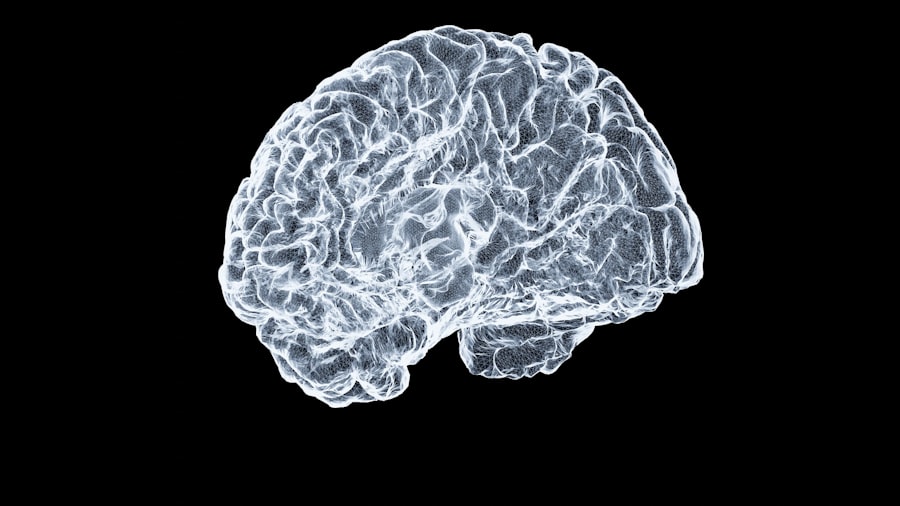
The perception that cognitive decline is an inevitable part of aging after 30 is a limiting belief. While certain aspects of processing speed might subtly shift, your capacity for learning, wisdom, and complex problem-solving can actually improve. The key lies in actively engaging your brain and combating common roadblocks.
Challenging Cognitive Rigidity
One challenge you might face as you age is increased cognitive rigidity, a tendency to stick with familiar patterns of thought and behavior. This can stem from years of solidified neural pathways. To counteract this, actively seek out new experiences, perspectives, and information that challenge your existing beliefs. Engage in critical thinking, debate ideas, and expose yourself to diverse viewpoints. This “mental stretching” keeps your cognitive pathways flexible and open to new configurations.
Combating the “Use It Or Lose It” Principle
Your brain adheres to the “use it or lose it” principle. If you cease to engage in intellectually stimulating activities, the neural networks associated with those functions can weaken. This doesn’t mean irreversible loss, but rather a diminished capacity that can often be reactivated. Therefore, continuous learning, problem-solving, and intellectual engagement are paramount to maintaining cognitive sharpness and fostering neuroplasticity.
Leveraging Experience and Accumulated Knowledge
While younger brains might exhibit faster processing speeds in novel tasks, your brain, post-30, benefits from a vast reservoir of accumulated experience and knowledge. This allows for pattern recognition, deeper contextual understanding, and more nuanced problem-solving. You can leverage this “crystallized intelligence” to your advantage, applying wisdom gained over years to new challenges – a form of neuroplasticity in itself, as existing knowledge frameworks adapt and integrate new information.
Neuroplasticity after 30 is a fascinating topic that explores how the brain continues to adapt and change throughout adulthood. For those interested in understanding the implications of this phenomenon on learning and personal development, a related article can provide valuable insights. You can read more about this intriguing subject in the article found here. This resource delves into the ways in which our brains remain flexible and capable of growth, even as we age, highlighting the importance of lifelong learning and mental engagement.
Practical Strategies for Lifelong Brain Optimization
| Metric | Value/Description | Notes |
|---|---|---|
| Neurogenesis Rate | Decreases by ~50% after age 30 | Primarily in the hippocampus; can be stimulated by exercise |
| Synaptic Plasticity | Moderate decline with age | Long-term potentiation (LTP) efficiency reduces but remains functional |
| Myelin Remodeling | Slows down after 30 | Impacts speed of neural transmission |
| Brain-Derived Neurotrophic Factor (BDNF) Levels | Declines by ~25% after 30 | Exercise and cognitive training can increase BDNF |
| Cognitive Flexibility | Gradual decline but remains adaptable | Improved with mental challenges and learning |
| White Matter Integrity | Decreases by ~1% per year after 30 | Associated with slower processing speed |
| Effect of Physical Exercise | Increases neuroplasticity markers by up to 30% | Includes increased BDNF and neurogenesis |
| Effect of Cognitive Training | Enhances synaptic strength and connectivity | Can partially offset age-related decline |
You don’t need a radical overhaul to start unlocking your brain’s potential. Small, consistent efforts can cumulatively lead to significant neuroplastic changes.
Embrace Lifelong Learning
Make learning a continuous journey, not just a phase. This could mean anything from formally pursuing a new degree, taking an online course, reading non-fiction books, learning a new hobby, or even just engaging in daily intellectual challenges like puzzles or strategic games. The key is to consistently expose your brain to novelty and complexity.
Cultivate a Growth Mindset
Your mindset plays a significant role in your brain’s capacity for change. A growth mindset, the belief that your abilities can be developed through dedication and hard work, aligns perfectly with the principles of neuroplasticity. Conversely, a fixed mindset, which posits that your abilities are static, can limit your willingness to engage in challenging activities that promote brain growth. Believe in your brain’s capacity to change, and it will be more likely to do so.
Social Engagement and Connection
Humans are social beings, and social interaction is a powerful stimulant for your brain. Engaging in meaningful conversations, participating in community activities, and maintaining strong social ties can promote cognitive health, reduce stress, and provide opportunities for new learning and perspective-taking. Think of social interaction as a complex cognitive exercise, engaging multiple brain regions simultaneously.
Mind-Body Practices
Integrating practices like mindfulness meditation or tai chi into your routine can offer dual benefits. These activities not only reduce stress but also enhance attention, focus, and emotional regulation, all of which contribute to a more optimized brain state conducive to neuroplasticity. Mindfulness, in particular, has been shown to induce structural changes in brain regions associated with attention and self-awareness.
In conclusion, the age of 30 is not a cognitive finish line but merely another bend in the road. Your brain is a dynamic, adaptable organ, capable of continuous reorganization and growth throughout your entire life. By embracing deliberate practice, optimizing your lifestyle, actively challenging cognitive rigidity, and cultivating a growth mindset, you can unlock profound neuroplastic potential, overcome previous limitations, and chart a course for lifelong cognitive vitality and resilience. The power to reshape your mind truly lies within your grasp.
FAQs
What is neuroplasticity?
Neuroplasticity refers to the brain’s ability to reorganize itself by forming new neural connections throughout life. This adaptability allows the brain to compensate for injury, adjust to new experiences, and learn new information.
Does neuroplasticity continue after the age of 30?
Yes, neuroplasticity continues well beyond the age of 30. While the brain’s plasticity may decrease with age, it remains capable of change and adaptation throughout adulthood.
What factors influence neuroplasticity in adults over 30?
Several factors influence neuroplasticity after 30, including physical exercise, mental stimulation, learning new skills, social interactions, and overall health. A healthy lifestyle can enhance the brain’s ability to adapt and reorganize.
Can neuroplasticity help recover from brain injuries in adults over 30?
Yes, neuroplasticity plays a crucial role in recovery from brain injuries at any age. The brain can rewire itself to compensate for damaged areas, especially with targeted rehabilitation and therapy.
How can adults over 30 promote neuroplasticity?
Adults can promote neuroplasticity by engaging in regular physical activity, challenging their brains with new learning experiences, maintaining social connections, managing stress, and ensuring proper nutrition and sleep. These activities support brain health and cognitive flexibility.