
You stand at a crossroads, sensing echoes from the past that subtly shape your present. These are not merely memories; they are imprints, a collective inheritance woven into the fabric of your being. You are embarking on a journey into understanding ancestral trauma, a profound field that acknowledges the intergenerational transmission of psychological and emotional wounds. This journey requires you to become an archaeologist of the soul, carefully unearthing the sediment of generations to reveal the foundations of your current experience.
Ancestral trauma refers to the psychological and physiological residue of traumatic experiences that are passed down through generations, affecting individuals who may not have directly experienced the original event. You might encounter this concept and initially dismiss it as abstract, yet its manifestations can be surprisingly concrete in your life. It suggests that significant distress, violence, loss, or displacement experienced by your ancestors can create a “blueprint of suffering” that influences subsequent generations. You may observe recurring patterns, unexplained anxieties, phobias, or even physical ailments that seem to lack a clear personal origin.
Beyond Personal Experience: The Collective Shadow
You might be familiar with the idea of personal trauma, where a directly experienced event leaves a lasting impact. Ancestral trauma extends this understanding, proposing a collective shadow that can persist for centuries. This is not about blaming your ancestors, but rather about recognizing the ripple effect of their experiences. When an ancestor endured profound hardship—war, famine, persecution, forced migration, slavery, or systemic oppression—their nervous systems likely entered a state of chronic activation. This physiological response, alongside the psychological scars, can leave a discernible mark.
The Mechanism of Transmission: How Does it Pass Down?
The mechanisms through which ancestral trauma is transmitted are multifaceted and are an active area of research. You may find yourself wondering how something so seemingly intangible can cross generations. Current understanding points to a combination of epigenetic changes, psychological conditioning, and cultural narratives.
Epigenetics: The Biological Imprint
Epigenetics offers a fascinating biological explanation. You possess a genome, your genetic blueprint, but epigenetics studies how gene expression can be altered without changing the underlying DNA sequence. Traumatic experiences can lead to epigenetic modifications—like tiny chemical tags on your DNA—that can then be passed down. For example, studies on the descendants of Holocaust survivors and individuals exposed to famine have shown alterations in gene expression related to stress response. You might inherit these epigenetic markers, predisposing you to certain stress reactions or vulnerabilities. This is not destiny, but rather a predisposition, like a house built on slightly shaky ground.
Psychological Conditioning: Learned Responses
Beyond biology, psychological conditioning plays a crucial role. You learn from your family system. If your ancestors lived with chronic fear or hypervigilance due to their traumatic experiences, they might have parented from that place. You, as their descendant, might have absorbed these survival strategies and emotional patterns. For instance, a persistent scarcity mindset, even when resources are plentiful, could be a learned response from ancestors who experienced profound lack. You learn to navigate the world through the lens of those who raised you, and their lens was shaped by their past.
Cultural Narratives and Silence: The Unspoken Story
You also inherit stories—both explicit and implicit. Cultural narratives and family mythologies, even unsaid truths and silences, contribute to the transmission of ancestral trauma. If certain traumatic events were never processed or spoken about due to shame, fear, or the sheer inability to articulate the horror, these “ghosts in the attic” can exert a powerful influence. The very act of not speaking about something can create a vacuum that is filled by unspoken anxiety or unidentified unease within the family system. You might feel a sense of something missing, an inexplicable gap in your personal history.
Healing ancestral trauma is a profound journey that many individuals embark on to address the emotional and psychological wounds passed down through generations. A related article that delves deeper into this topic can be found on Unplugged Psych, which explores various therapeutic approaches and personal stories of transformation. For more insights, you can read the article here: Unplugged Psych. This resource offers valuable perspectives on how understanding our lineage can aid in healing and personal growth.
Recognizing the Cracks: Identifying Generational Wounds in Your Life
The first step in healing is recognizing that a problem exists. You might be experiencing symptoms of ancestral trauma without ever having named it. Consider your recurring patterns, your inexplicable reactions, and the themes that seem to echo through your family line.
Recurring Patterns and Themes: The Ancestral Echo
Do you notice recurring patterns in your family history—patterns of specific illnesses, relationship dynamics, financial struggles, or emotional extremes? For example, a persistent pattern of abandonment in relationships across several generations might point to an ancestral wound related to loss or forced separation. You are looking for the common threads that weave through your lineage, like a tapestry with a repeating, though sometimes subtle, motif.
Unexplained Fears and Anxieties: The Shadow Companion
You might experience intense fears or anxieties that seem disproportionate to your current circumstances. Perhaps you have an unshakeable fear of scarcity despite financial stability, or an intense phobia that has no clear origin in your personal experience. These can be echoes of ancestral experiences. Your nervous system might be reacting to an “inherited memory” of threat, even if the present environment is safe. You might feel a primal sense of danger without being able to pinpoint its source.
Physical Manifestations: The Body Remembers
The body keeps the score, and ancestral trauma can manifest physically. You might experience chronic unexplained pain, autoimmune conditions, digestive issues, or other physical ailments that seem resistant to conventional treatment. Research suggests a link between unresolved trauma and physical health. Your body, in its wisdom, might be signaling unresolved stress or carrying the burden of past generations.
Relationship Dynamics: The Intergenerational Mirror
Examine your relationships. Do you find yourself repeating dysfunctional patterns of relating that you observed in your family? Perhaps you struggle with trust, intimacy, or communication in ways that mirror your parents’ or grandparents’ struggles. These relationship dynamics can be a powerful indicator of how ancestral wounds are playing out in your personal life. You are, in a sense, re-enacting certain scripts that have been passed down.
Digging in the Archives: Researching Your Family History

To heal ancestral trauma, you must first understand it. This often involves becoming a detective of your family’s past. You are not just building a family tree; you are creating a narrative landscape.
Genealogical Exploration: Mapping Your Roots
Begin by researching your genealogy. You can use online resources, family archives, and speak to older family members. Look beyond names and dates; seek out stories, places of origin, and significant events. Were there periods of migration, war, famine, or societal upheaval that impacted your ancestors? These historical periods are often fertile ground for understanding collective trauma. You are piecing together a puzzle, and each piece offers a clue.
Family Interviews: Uncovering the Unsaid
Speak to living relatives, especially elders. They hold invaluable oral histories. Ask open-ended questions about their lives, their parents’ lives, and their memories of significant family events. Pay attention not only to what is said but also to what is not said, to the silences, the shifts in tone, and the stories that are glossed over. These silences can be as revealing as the explicit narratives. You are listening for the undertones, the unspoken grief or triumph.
Historical Context: Understanding the Landscape
Once you have gathered personal family stories, contextualize them within broader historical events. What was happening in the world during your ancestors’ lifetimes? Understanding the historical landscape can help you comprehend the challenges and traumas they may have faced. For example, if your ancestors lived through the Great Depression, their values around money and security might be profoundly shaped by that experience, and those values could still be influencing your own.
The Path to Repair: Healing and Integration
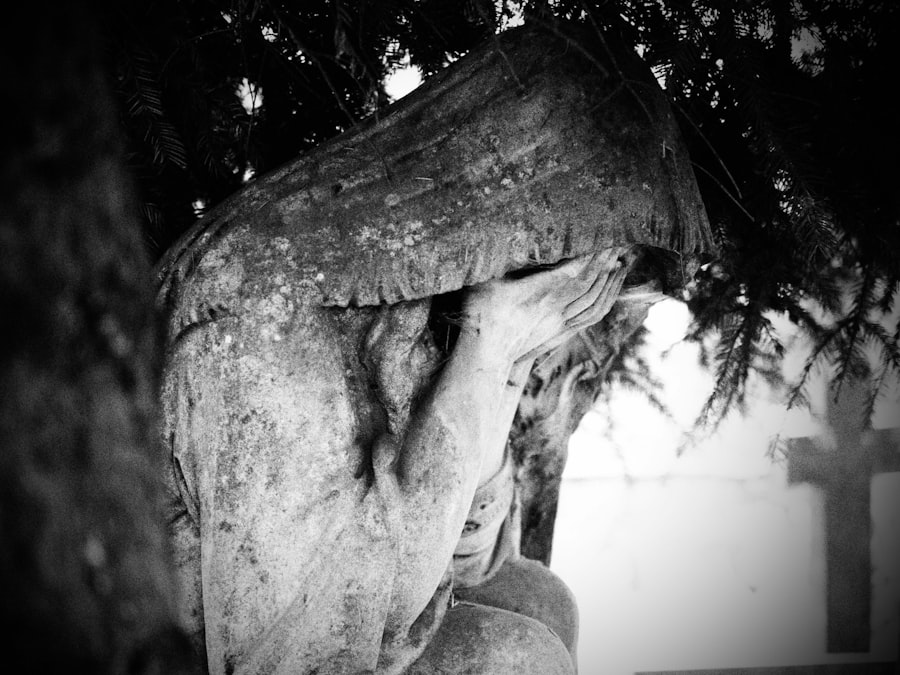
Once you have identified potential ancestral wounds, the real work of healing begins. This is not about erasing the past but about integrating it into a more conscious and resilient present. You are not burdened by your ancestors’ traumas, but you can learn from them and transform their legacy.
Acknowledgment and Validation: Naming the Unnamed
The first crucial step is acknowledgment. You must validate the experiences of your ancestors and the impact those experiences have had on you. Simply naming the trauma, whether it’s the trauma of migration, war, or systemic oppression, can be incredibly liberating. This is not about dwelling in the past but about creating space for understanding. You are saying, “I see you, and I acknowledge the hardship that shaped you, and by extension, me.”
Grieving and Releasing: Processing the Inherited Sorrow
Allow yourself to grieve for the losses and suffering of your ancestors. You might experience a delayed grief for events you didn’t personally witness. This can involve engaging in rituals, writing letters to ancestors, or simply allowing yourself to feel the emotions that arise. Releasing these inherited burdens is not disrespectful; it is an act of liberation, both for you and for your lineage. You are not required to carry the sorrow indefinitely.
Boundary Setting: Differentiating Your Story
One of the most important aspects of healing is to differentiate your own story and identity from that of your ancestors. You are part of a lineage, but you are not defined solely by its wounds. You can consciously choose to break cycles of dysfunction and create new, healthier patterns. This involves setting boundaries with inherited patterns, identifying where ancestral wounds might be influencing your choices, and consciously making different ones. You are drawing a line, saying, “This far and no further will this pattern define me.”
Therapeutic Approaches: Guided Exploration
Working with a therapist who specializes in intergenerational trauma or somatic experiencing can be incredibly beneficial. These professionals can provide tools and guidance to help you process the emotional and physiological residue of ancestral wounds. Techniques like EMDR (Eye Movement Desensitization and Reprocessing), family systems therapy, and narrative therapy can offer pathways to healing and integration. You are not alone in this journey; skilled guides can illuminate the path.
Conscious Choice and Resilience: Forging a New Legacy
Ultimately, healing ancestral trauma is an act of conscious choice and resilience. You have the power to transform inherited burdens into sources of strength. By understanding your lineage, you gain a deeper understanding of yourself. You can choose to break cycles of suffering, cultivate new patterns of well-being, and create a healthier legacy for future generations. You are not just a recipient of your past; you are an active creator of your future. You are a living bridge, connecting the past to a more conscious and integrated future.
FAQs
What is ancestral trauma?
Ancestral trauma refers to the psychological and emotional wounds passed down through generations due to traumatic experiences faced by ancestors. These can include events such as war, slavery, colonization, genocide, or systemic oppression.
How can ancestral trauma affect individuals today?
Ancestral trauma can manifest in current generations as mental health issues, behavioral patterns, or emotional challenges. It may influence identity, relationships, and coping mechanisms, even if individuals are unaware of the original trauma.
What are common methods used to heal ancestral trauma?
Healing ancestral trauma often involves therapeutic approaches such as psychotherapy, family therapy, cultural reconnection, mindfulness practices, and rituals that honor ancestors. Education and awareness about family history also play a crucial role.
Is it possible to completely heal from ancestral trauma?
While ancestral trauma may not be entirely erased, individuals can significantly reduce its impact through healing practices. The goal is often to break negative cycles, foster resilience, and promote emotional well-being across generations.
Can understanding ancestral trauma improve mental health?
Yes, recognizing and addressing ancestral trauma can lead to greater self-awareness, emotional healing, and improved mental health. It helps individuals understand the root causes of certain behaviors or feelings and empowers them to create healthier patterns.