
You are a complex organism, a symphony of interconnected systems, and at the heart of this symphony lies your brain. For millennia, humanity has sought ways to understand and influence this intricate organ, and meditation has emerged as a potent tool in that pursuit. Far from being a purely spiritual or mystical practice, meditation is now being illuminated by the lens of neuroscience, revealing its profound impact on your brain and, by extension, your entire being. This exploration will delve into how your mind and body communicate, and how the deliberate focus of meditation can sculpt and refine this vital connection.
When you meditate, you’re not just sitting still; you’re actively engaging in a process that reshapes the physical structure and functional pathways of your brain. Imagine your brain as a vast, interconnected city. Neurons are the electrical wires, synapses are the junctions where information flows, and the way these pathways are used and strengthened determines the efficiency and nature of your thoughts, emotions, and behaviors. Meditation, in essence, is like rerouting traffic, building new superhighways, and clearing out old, congested routes.
Neuroplasticity: Your Brain’s Adaptable Blueprint
The most remarkable aspect of meditation’s influence is its ability to harness neuroplasticity. This is your brain’s inherent capacity to reorganize itself by forming new neural connections throughout life. It’s not a static entity; it’s a dynamic, ever-changing landscape. Meditation provides a consistent stimulus, a repeated mental exercise that acts as a sculptor, chiseling away at old patterns and building new structures.
The Prefrontal Cortex: The Command Center in Focus
Your prefrontal cortex, located at the front of your brain, is your executive control center. It’s responsible for higher-level cognitive functions like planning, decision-making, working memory, and impulse control. Studies using fMRI (functional Magnetic Resonance Imaging) have consistently shown increased activation and even thickening in areas of the prefrontal cortex in regular meditators. This suggests that meditation strengthens your capacity for focused attention and self-awareness, allowing you to better regulate your thoughts and emotions, rather than being swept away by them.
The Amygdala: Taming the Emotional Storm
The amygdala, a small almond-shaped structure deep within your temporal lobe, is your brain’s alarm system, responsible for processing fear and threat. It’s the seat of your fight-or-flight response. Chronic stress can lead to an overactive amygdala, making you more prone to anxiety and reactivity. Research indicates that meditation can lead to a reduction in amygdala size and activity. This doesn’t mean you become devoid of emotion, but rather that your amygdala becomes less reactive to perceived threats, allowing for a calmer, more measured response to stressful situations. Think of it as turning down the volume on the alarm system, making it a tool for protection rather than constant disruption.
The Hippocampus: Expanding Your Memory and Learning Center
The hippocampus plays a crucial role in learning and memory formation, as well as emotional regulation. Studies have observed increased gray matter density in the hippocampus of meditators. This suggests that meditation can enhance your ability to form new memories, consolidate existing ones, and even help regulate your emotional responses. It’s as if meditation provides fertile ground for your learning and memory functions to flourish.
Recent studies in the neuroscience of meditation have revealed fascinating insights into how mindfulness practices can reshape brain structure and function. For a deeper understanding of these findings, you can explore a related article that discusses the impact of meditation on mental health and cognitive performance. This article provides a comprehensive overview of the latest research and its implications for enhancing well-being. To read more, visit this link.
The Interplay of Mind and Body: A Unified System
The concept of the mind-body connection is not merely philosophical; it is deeply rooted in your neurobiology. Your brain and body are in constant dialogue, influencing each other in intricate ways. Meditation acts as a powerful facilitator of this communication, bringing your internal systems into greater harmony.
The Autonomic Nervous System: Balancing the Extremes
Your autonomic nervous system (ANS) operates largely outside of your conscious control, regulating essential bodily functions like heart rate, digestion, and breathing. It has two main branches: the sympathetic nervous system (SNS), which mobilizes your body for action (the ‘fight or flight’ response), and the parasympathetic nervous system (PNS), which promotes relaxation and restoration (the ‘rest and digest’ response). Meditation, particularly practices that focus on breath awareness, can significantly shift the balance towards the PNS.
Shifting the Scales: From Sympathetic Dominance to Parasympathetic Calm
When you practice meditation, your heart rate often slows, your blood pressure decreases, and your breathing becomes deeper and more regular. These are all indicators of increased parasympathetic activity. Over time, this sustained shift can help mitigate the detrimental effects of chronic stress, which often keeps your SNS in overdrive. This isn’t about suppressing your natural responses, but rather about regaining control and choosing when to engage your stress response rather than being constantly dictated by it.
The Gut-Brain Axis: A Two-Way Street of Communication
The gut-brain axis refers to the bidirectional communication pathway between your digestive system and your brain. Your gut is teeming with trillions of microorganisms, known as the gut microbiome, which produce neurotransmitters and influence your mood and cognitive functions. Research is beginning to reveal that meditation can positively impact the gut microbiome, leading to a more diverse and balanced community of bacteria. This, in turn, can further influence your mental well-being, creating a virtuous cycle of improved mind-body harmony.
Hormonal Regulation: The Orchestra of Your Internal Chemistry
Your endocrine system, a network of glands that produce hormones, is intimately linked to your brain. Hormones are the chemical messengers that orchestrate a vast array of bodily functions, from stress response to mood regulation. Meditation can influence the levels of key hormones, bringing them into a more balanced state.
Cortisol: The Stress Hormone’s Decline
Cortisol is often referred to as the ‘stress hormone’ because its levels rise in response to stressful situations. While a certain amount of cortisol is necessary, chronically elevated levels can have negative consequences for your physical and mental health. Studies have shown that regular meditation practice can lead to a reduction in circulating cortisol levels. This indicates that meditation can help your body manage stress more effectively.
Serotonin and Dopamine: Neurotransmitters for Well-being
Serotonin and dopamine are neurotransmitters often associated with feelings of happiness, motivation, and reward. While the direct causal link between meditation and increased production of these neurotransmitters is still an active area of research, some studies suggest that meditation may influence their activity. This could contribute to the enhanced mood and sense of well-being often reported by meditators.
The Cognitive Benefits: Sharpening Your Mental Acuity

Beyond its calming effects, meditation demonstrably enhances a range of cognitive abilities, making you more adept at navigating the complexities of daily life. Think of your brain as a muscle; meditation is a rigorous workout that strengthens its capacity for focus, clarity, and resilience.
Attention and Focus: The Power of Sustained Concentration
In our hyper-connected world, your attention is constantly besieged by distractions. Meditation, particularly focused attention meditation, trains your brain to remain on a chosen object of focus, such as your breath. This repeated practice strengthens the neural networks associated with attention and vigilance.
The Stroop Test: Measuring the Impact on Selective Attention
The Stroop test is a classic psychological experiment that measures selective attention and cognitive interference. Participants are asked to name the color of the ink in which a word is printed, even if the word itself is a color name (e.g., the word “blue” printed in red ink). Studies have shown that meditators perform better on the Stroop test, demonstrating improved ability to inhibit distracting information and maintain focus.
Mind-Wandering: Reining in the Erratic Thoughts
Mind-wandering, the tendency for your thoughts to drift away from the present moment, is a common human experience. While not always detrimental, excessive mind-wandering can lead to decreased productivity and increased rumination. Meditation helps you become more aware of your mind-wandering and cultivate the ability to gently redirect your attention back to your chosen anchor.
Working Memory and Cognitive Flexibility: Enhancing Your Mental Agility
Working memory is your ability to hold and manipulate information in your mind for short periods, essential for tasks like problem-solving and learning. Cognitive flexibility refers to your ability to switch between different tasks and adapt to changing circumstances. Meditation has been shown to improve both of these crucial cognitive functions.
The N-Back Task: Assessing Working Memory Capacity
The N-back task is another common cognitive assessment that measures working memory capacity. Participants are presented with a series of stimuli and must indicate whether the current stimulus matches the one presented N trials back. Regular meditators often show improved performance on N-back tasks, suggesting enhanced working memory.
Navigating Novelty: Adapting with Ease
By fostering cognitive flexibility, meditation equips you to better handle unexpected situations and adapt to new information or challenges. It allows you to step back from rigid patterns of thinking and approach problems with greater creativity and open-mindedness.
The Emotional Landscape: Cultivating Inner Peace and Resilience
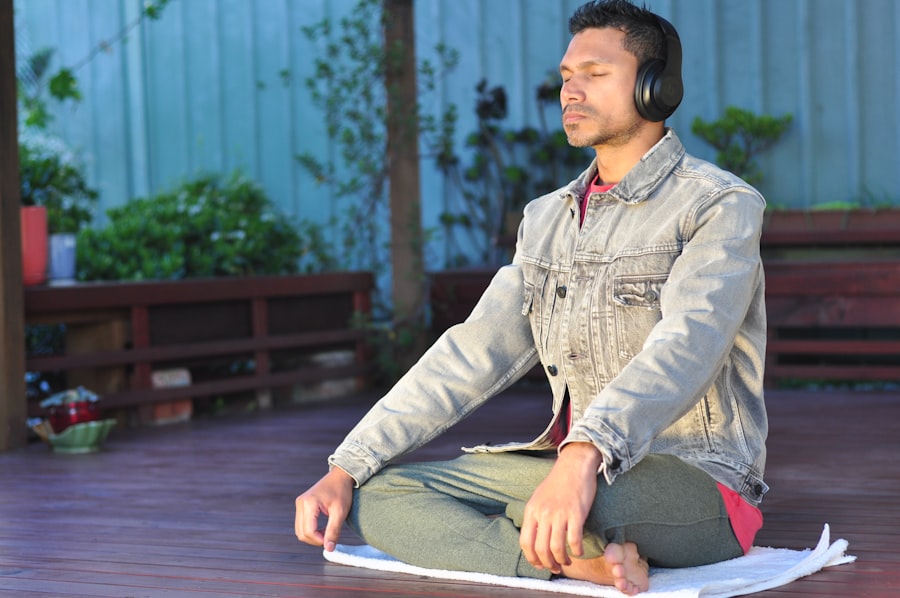
Meditation’s impact extends deeply into your emotional realm, offering a pathway to greater emotional regulation, reduced stress, and enhanced overall well-being. It’s like learning to navigate the often turbulent seas of your emotions with a steady hand on the rudder.
Emotional Regulation: Mastering Your Inner Climate
Emotional regulation is your ability to manage and respond to emotional experiences in a healthy and adaptive way. Meditation cultivates this by increasing your awareness of your emotions without judgment, allowing you to observe them as transient states rather than being consumed by them.
The Art of Non-Judgmental Observation
A core principle of many meditation practices is to observe your thoughts and feelings without labeling them as “good” or “bad.” This non-judgmental stance allows you to detach yourself from potentially overwhelming emotions, providing space for a more considered response.
Responding, Not Reacting: The Power of Pause
When you encounter an emotionally charged situation, meditation helps create a ‘pause’ between stimulus and response. Instead of automatically reacting with anger, fear, or frustration, you gain the capacity to consciously choose your response, leading to more constructive interactions and internal states.
Stress and Anxiety Reduction: Building Your Inner Fortress
Chronic stress and anxiety are pervasive issues in modern life, impacting your health and happiness. Meditation has proven to be a powerful antidote, by directly influencing the physiological pathways associated with stress.
The Relaxation Response: A Physiologic Shift
Meditation can trigger what Herbert Benson termed the ‘relaxation response,’ a physiological state counteracting the stress response. This involves a decrease in heart rate, blood pressure, and respiratory rate, accompanied by a reduction in stress hormones like cortisol.
Mitigating Rumination: Breaking the Cycle of Worry
Rumination, the persistent dwelling on negative thoughts, is a hallmark of anxiety and depression. Meditation, by fostering present-moment awareness and detachment from thoughts, can significantly disrupt these rumination cycles, offering a reprieve from constant worry.
Recent studies in the neuroscience of meditation have revealed fascinating insights into how mindfulness practices can alter brain structure and function. For those interested in exploring this topic further, a related article can be found at Unplugged Psychology, which delves into the cognitive benefits of meditation and its impact on emotional regulation. This research highlights the profound effects meditation can have on mental health, making it a valuable practice for enhancing overall well-being.
The Neurobiological Basis of Well-being: A Holistic View
| Metric | Description | Typical Findings | Measurement Method |
|---|---|---|---|
| Gray Matter Density | Volume of gray matter in specific brain regions | Increased density in hippocampus, prefrontal cortex, and insula | Structural MRI (Voxel-Based Morphometry) |
| Default Mode Network (DMN) Activity | Brain network active during rest and mind-wandering | Reduced activity and connectivity during meditation | Functional MRI (fMRI) |
| Alpha Wave Power | Brainwave frequency associated with relaxation | Increased alpha power during meditation | Electroencephalography (EEG) |
| Gamma Wave Synchronization | High-frequency brainwaves linked to attention and memory | Enhanced gamma synchrony in experienced meditators | EEG |
| Cortisol Levels | Stress hormone concentration in the body | Decreased cortisol after regular meditation practice | Saliva or blood assay |
| Heart Rate Variability (HRV) | Variation in time interval between heartbeats | Increased HRV indicating improved autonomic regulation | Electrocardiogram (ECG) |
| Attention Span | Duration of sustained focus on a task | Improved attention and reduced mind-wandering | Behavioral tests (e.g., Stroop test) |
Ultimately, the neuroscience of meditation reveals a holistic picture of how this practice profoundly impacts your entire being, enhancing your overall sense of well-being by fostering a more integrated and resilient mind-body system. It’s not about achieving a transient state of bliss, but about cultivating a robust and sustainable foundation for a healthy and fulfilling life.
The Default Mode Network (DMN): Quieting the Inner Chatter
The Default Mode Network (DMN) is a network of brain regions that is most active when your mind is not focused on the outside world, often associated with mind-wandering, self-referential thought, and rumination. While the DMN plays a role in self-reflection and future planning, an overactive DMN can contribute to anxiety and depression. Research suggests that meditation can lead to a decrease in DMN activity, allowing for a calmer, less self-absorbed mental state.
Interoception: Amplifying Your Internal Awareness
Interoception is your internal sense of the physiological condition of your body. It’s the awareness of your heartbeat, your hunger, your breathing, and your emotional states. Meditation, particularly practices that bring attention to bodily sensations, can enhance interoceptive awareness. This heightened sensitivity to your internal signals allows you to better understand your body’s needs and emotional states, fostering a deeper connection and more effective self-regulation.
The Vagus Nerve: The Master Regulator of Calm
The vagus nerve is the longest cranial nerve and plays a critical role in the parasympathetic nervous system, helping to regulate heart rate, digestion, and inflammation. It’s a key player in the gut-brain axis and is strongly associated with feelings of calmness and social connection. Many meditation techniques, especially those involving deep diaphragmatic breathing, can stimulate the vagus nerve, promoting relaxation and enhancing the mind-body connection. This stimulation can be likened to a gentle, rhythmic message from your brain to your body, signaling safety and encouraging a state of equilibrium.
In conclusion, you are not merely a passenger on the train of your thoughts and emotions. Through the practice of meditation, illuminated by the insights of neuroscience, you can learn to become the conductor, skillfully guiding your internal landscape towards greater peace, clarity, and resilience. The choices you make to engage in these practices are, in essence, an investment in the intricate, beautiful machinery of your own being, sculpting a more harmonious and empowered you.
FAQs
What is the neuroscience of meditation?
The neuroscience of meditation is the study of how meditation practices affect the brain’s structure and function. It involves using brain imaging and other scientific methods to understand the neural mechanisms behind meditation’s effects on cognition, emotion, and overall mental health.
How does meditation impact brain structure?
Research shows that regular meditation can lead to changes in brain structure, such as increased gray matter density in areas related to attention, emotional regulation, and memory. These structural changes are often observed in the prefrontal cortex, hippocampus, and anterior cingulate cortex.
What brain functions are influenced by meditation?
Meditation has been found to enhance functions such as attention control, emotional regulation, stress reduction, and self-awareness. It can also improve connectivity between different brain regions, leading to better cognitive flexibility and resilience.
Are there different types of meditation studied in neuroscience?
Yes, neuroscience research has examined various meditation types, including mindfulness meditation, focused attention meditation, loving-kindness meditation, and transcendental meditation. Each type may engage different neural circuits and produce distinct effects on the brain.
Can meditation be used as a therapeutic tool based on neuroscience findings?
Yes, neuroscience supports the use of meditation as a complementary therapy for conditions like anxiety, depression, chronic pain, and stress-related disorders. Meditation-based interventions, such as mindfulness-based stress reduction (MBSR), have been shown to produce beneficial changes in brain function and improve mental health outcomes.