
You sit at your desk, a mountain of tasks looming before you. The clock ticks, each second a tiny hammer blow against your dwindling focus. You feel the familiar tug of distraction, the siren song of your phone, the insistent whisper of less urgent matters demanding attention. You know you should be productive, but the engine of your mind seems stuck in neutral, or worse, reverse. This is a common predicament, and it’s one you can overcome. The key lies not in sheer willpower, which can be a fickle ally, but in understanding and subtly influencing the intricate machinery of your own brain. This is where brain hacking comes in – not as some elaborate technological hack, but as a series of scientifically-backed strategies to optimize your cognitive function and unlock your productive potential.
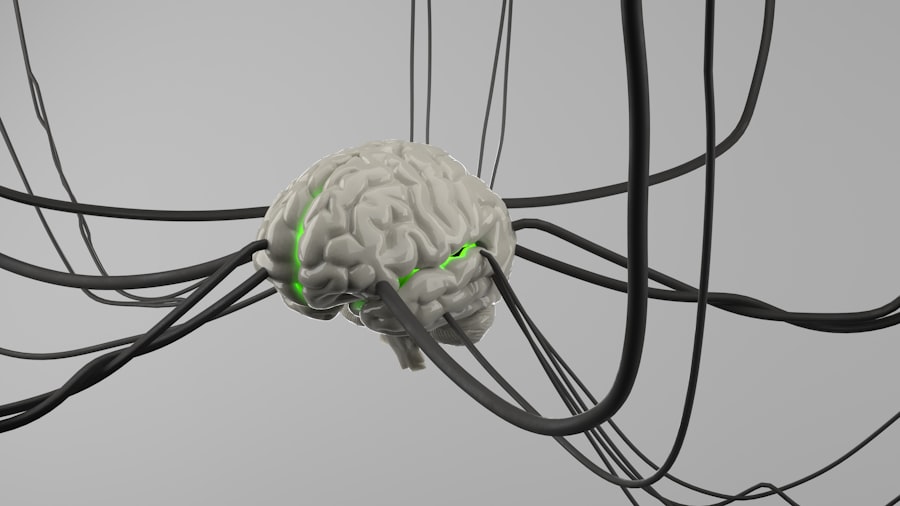
Imagine your brain as a highly complex and powerful computer. It has an operating system, a set of built-in programs, and various hardware components, each with its own strengths and limitations. Brain hacking, in this context, is akin to learning how to optimize that operating system, fine-tune its programs, and leverage its hardware for peak performance. It’s about shifting from a brute-force approach to productivity to a more nuanced, informed one. This involves delving into the principles of neuroscience, psychology, and behavioral economics to identify the levers that can be gently pulled to encourage focus, deepen concentration, and enhance your output.
The Neurochemical Cocktail of Focus
Your brain is a dynamic chemical landscape, and certain neurochemicals play a crucial role in dictating your ability to concentrate. Dopamine, often mislabeled as solely a pleasure chemical, is also a key player in motivation and goal-directed behavior. When you anticipate a reward, or even engage in a task you find mildly stimulating, dopamine levels can rise, enhancing your focus. Conversely, a lack of dopamine can lead to lethargy and an inability to engage with tasks.
- Dopamine and Reward Pathways: Understanding how your brain releases dopamine is fundamental. It’s not just about grand rewards; even small victories and positive feedback loops can trigger dopamine release. This suggests that breaking down large tasks into smaller, manageable chunks, and acknowledging each completed step, can create a subtle but effective dopamine drip, keeping your motivation and focus elevated. Consider it like a low-level fuel injection system for your cognitive engine.
- Serotonin and Mood Regulation: Serotonin, another critical neurotransmitter, influences mood, sleep, and appetite. When your serotonin levels are balanced, you’re more likely to feel calm and content, which are conducive to sustained focus. Disruptions in serotonin can lead to anxiety or depression, making concentration a Herculean effort.
- Norepinephrine and Alertness: Norepinephrine is your brain’s internal alert system. It enhances attention, alertness, and the ability to respond to stimuli. Moderate levels are beneficial for focus, but excessive amounts can lead to anxiety and overstimulation, paradoxically hindering productivity.
The Power of Neural Plasticity
The very architecture of your brain is not fixed. Neuroplasticity, your brain’s ability to reorganize itself by forming new neural connections throughout life, is a cornerstone of brain hacking. This means your habits, your learning, and even your environment can physically alter the structure and function of your brain.
- Repetition and Habit Formation: Every time you perform a task, you are essentially reinforcing specific neural pathways. The more you repeat an action, the stronger and more efficient that pathway becomes. This is why establishing productive routines can be so powerful. It’s like forging a well-trodden path through a dense forest – the more you use it, the easier it is to navigate.
- Learning and Skill Acquisition: When you learn something new, your brain creates new connections or strengthens existing ones. This process is the essence of neuroplasticity. By actively engaging in learning and skill development, you are literally making your brain more adaptable and capable.
- Environment as a Sculptor: Your surroundings play a significant role in shaping your neural pathways. A chaotic and distracting environment can foster scattered thinking, while a structured and organized space can promote clarity and focus. Pay attention to how your environment influences your cognitive state.
If you’re interested in exploring the concept of brain hacking for productivity, you might find the article on Unplugged Psychology particularly insightful. It delves into various techniques and strategies that can help enhance focus and efficiency in our daily tasks. To read more about these innovative approaches, you can visit the article here: Unplugged Psychology.
Engineering Your Focus Environment
Your physical and digital environments are not passive backdrops to your work; they are active participants in shaping your cognitive output. Just as a musician tunes their instrument to produce the optimal sound, you can curate your surroundings to foster peak focus. This involves a deliberate and often minimalist approach to eliminating distractions and cultivating an atmosphere conducive to deep work.
Minimizing External Distractions
The modern world bombards you with potential interruptions. Your phone vibrates, emails ping, social media notifications flash. These are tiny thieves of your attention, capable of derailing even the most determined mind. Consciously designing your environment to minimize these intrusions is paramount.
- The Digital Detox Zone: Designate specific times and physical spaces where technology is strictly controlled. Turn off notifications on your phone and computer. Consider using website blockers or productivity apps that limit access to distracting sites during work periods. Treat these zones as sanctuaries for your focus.
- Creating a Physical Sanctuary: Your workspace should be a place of order and intentionality. Declutter your desk, ensuring only essential items are within reach. Consider ambient noise levels – some people find white noise or instrumental music beneficial, while others prefer complete silence. Experiment to find what silences the mental chatter.
- Communicating Boundaries: Inform colleagues or family members about your focused work periods. Let them know when you are unavailable and when you can be reached. This simple act of communication can prevent well-intentioned but disruptive interruptions.
Optimizing Your Workspace for Cognitive Flow
The physical arrangement of your workspace can have a profound impact on your mental state. Think of it as a carefully orchestrated stage for your brain’s performance.
- Ergonomics and Comfort: Ensure your chair and desk are ergonomically sound. Discomfort can be a constant, low-level distraction. Investing in proper posture support can free up cognitive resources that would otherwise be spent battling physical fatigue.
- Lighting and Air Quality: Natural light is often considered superior for mood and alertness. If natural light is limited, opt for full-spectrum bulbs. Good ventilation and air quality are also essential for cognitive function. Stale air can lead to sluggishness.
- Visual Stimuli: The visual elements of your workspace matter. Avoid overly cluttered or visually jarring decor. A clean, organized space with perhaps one or two inspiring, minimalist pieces can be more conducive to focus than a visually chaotic one.
Leveraging Time as a Strategic Resource
Time is not an inexhaustible commodity. It is a finite resource that demands careful management and strategic allocation. Brain hacking involves understanding your personal temporal rhythms and designing your workflow to align with them. This is about working smarter, not necessarily harder, by honoring your brain’s natural cycles of energy and fatigue.
Understanding Your Circadian Rhythms and Ultradian Rhythms
Your body and brain have natural cycles that influence your energy levels and cognitive abilities throughout the day. Recognizing and working with these rhythms is a fundamental aspect of time management.
- Peak Performance Windows: Most individuals experience peaks in alertness and focus at certain times of the day. For many, this is in the morning, but for others, it might be in the afternoon or even evening. Identify your personal peak performance windows and schedule your most demanding tasks during these times. Treat these periods as golden hours for deep work.
- The Power of the Pomodoro Technique: This popular time management method leverages ultradian rhythms – natural cycles of approximately 90-120 minutes where focus peaks, followed by a natural dip. The Pomodoro Technique involves working in focused bursts (typically 25 minutes) followed by short breaks (5 minutes). After several bursts, a longer break is taken. This structured approach prevents burnout and maintains sustained focus. It’s like a well-timed pit stop on a long race track.
- Strategic Breaks: Breaks are not a sign of weakness; they are essential for recovery and sustained performance. They allow your brain to consolidate information and prevent mental fatigue. Short, active breaks, such as a brief walk or stretching, can be more beneficial than passive ones like scrolling through social media.
Batching Similar Tasks for Efficiency
The human brain excels at focused execution but struggles with frequent context switching. Constantly jumping between emails, reports, and phone calls taxes your cognitive resources. Batching similar tasks together can drastically improve efficiency.
- Email and Communication Block: Dedicate specific blocks of time for checking and responding to emails and other communications. This prevents constant interruptions throughout the day and allows you to process information more methodically.
- Project-Specific Work Blocks: If you have multiple projects, allocate concentrated blocks of time to work on a single project. This allows you to immerse yourself in its requirements and avoid the mental overhead of switching between different project paradigms.
- Administrative Task Consolidation: Group together administrative tasks like scheduling, filing, or expense reporting. Tackling these in one go is generally more efficient than scattering them throughout your workday.
Harnessing the Power of Sleep and Nutrition

The conventional wisdom often separates productivity from seemingly unrelated lifestyle factors like sleep and nutrition. However, from a brain hacking perspective, these are not optional extras; they are foundational pillars upon which all cognitive function rests. Neglecting them is akin to trying to run a high-performance car on low-grade fuel and without regular maintenance.
The Underrated Role of Sleep in Cognitive Function
Sleep is not a luxury; it is a biological imperative that underpins virtually every aspect of cognitive performance, from memory consolidation to problem-solving abilities.
- Memory Consolidation and Learning: During sleep, particularly in its various stages, your brain actively processes and consolidates memories acquired during the day. This is crucial for effective learning and retention. Poor sleep directly impairs your capacity to learn and recall information.
- Restoration and Repair: Sleep allows your brain to remove metabolic waste products that accumulate during waking hours. This “cleansing” process is vital for maintaining optimal brain health and function. Think of it as your brain’s nightly deep cleaning cycle.
- Focus and Decision-Making: Sleep deprivation significantly impairs your attention span, concentration, and decision-making abilities. You become more prone to errors, less able to filter distractions, and your judgment can become compromised. Aim for 7-9 hours of quality sleep per night.
Fueling Your Brain for Optimal Performance
What you eat directly impacts the neurotransmitters and energy substrates available to your brain. Think of your diet as the fuel that powers your cognitive engine.
- Balanced Macronutrients: Ensure your diet includes a balance of proteins, healthy fats, and complex carbohydrates. Proteins are the building blocks of neurotransmitters, healthy fats are crucial for brain cell structure, and complex carbohydrates provide sustained energy.
- Hydration is Key: Dehydration, even mild, can lead to fatigue, headaches, and impaired cognitive function. Make water your primary beverage throughout the day.
- The Impact of Sugar and Processed Foods: Excessive consumption of sugar and highly processed foods can lead to energy crashes and inflammation, negatively impacting cognitive function and focus. Opt for whole, unprocessed foods whenever possible.
- Brain-Boosting Foods: Certain foods are particularly beneficial for brain health. This includes fatty fish rich in omega-3 fatty acids, berries high in antioxidants, leafy green vegetables, nuts, and seeds. These can act as metaphorical vitamins for your cognitive system.
In the quest for enhanced productivity, many individuals are turning to innovative techniques often referred to as brain hacking. This approach focuses on optimizing mental processes to achieve better results in less time. For those interested in exploring this topic further, a related article offers valuable insights into various strategies and methods that can be employed to boost cognitive function and efficiency. You can read more about these techniques in the article on brain hacking for productivity. By implementing these strategies, you may find yourself achieving your goals with greater ease and effectiveness.
Cultivating a Growth Mindset for Continuous Improvement
| Brain Hacking Technique | Metric/Effect | Typical Improvement | Time to Notice Effect | Notes |
|---|---|---|---|---|
| Pomodoro Technique | Focus Duration | 25% increase in sustained attention | Immediate (within first session) | 25-minute work intervals with 5-minute breaks |
| Mindfulness Meditation | Working Memory Capacity | 10-15% improvement | 2-4 weeks of daily practice | Enhances cognitive control and reduces stress |
| Intermittent Fasting | Cognitive Clarity & Alertness | Moderate improvement in mental clarity | 1-2 weeks | May increase BDNF levels, supporting brain function |
| Blue Light Exposure Management | Sleep Quality & Daytime Alertness | Improved sleep efficiency by 15-20% | Within days of reducing blue light at night | Use of blue light filters or glasses recommended |
| Nootropic Supplements (e.g., L-Theanine + Caffeine) | Reaction Time & Focus | 10-20% faster reaction times | Within 30-60 minutes of intake | Effects vary; consult healthcare provider before use |
| Regular Physical Exercise | Executive Function & Memory | 20-30% improvement over baseline | 4-6 weeks of consistent exercise | Boosts neurogenesis and brain plasticity |
| Cold Exposure (e.g., cold showers) | Alertness & Mood | Short-term increase in alertness | Immediately after exposure | May stimulate norepinephrine release |
Brain hacking is not a one-time fix; it is an ongoing process of self-experimentation and adaptation. A crucial element of this process is adopting a growth mindset – the belief that your abilities and intelligence can be developed through dedication and hard work. This mindset is the fertile soil in which all other brain hacking strategies can flourish.
Embracing Challenges and Learning from Failure
A growth mindset views challenges not as insurmountable obstacles but as opportunities for learning and development. Failure is not a reflection of your inherent limitations but a valuable source of feedback.
- Reframing Setbacks: Instead of dwelling on what went wrong, ask yourself what you learned from the experience. Each setback is a chance to refine your approach and strengthen your resilience. This is akin to a scientist meticulously documenting experimental failures to inform future, more successful hypotheses.
- Seeking Out Difficult Tasks: Actively seek out tasks that push your boundaries. These are the tasks that foster the greatest growth and learning. Don’t shy away from complexity; lean into it.
- Persistence as a Virtue: Understand that mastery takes time and consistent effort. Embrace the process of incremental improvement rather than expecting overnight transformations.
The Importance of Reflection and Self-Awareness
Regular reflection is essential for understanding what strategies are working for you and what needs adjustment. Self-awareness allows you to identify your personal triggers for distraction and your peak productivity periods.
- Journaling and Tracking: Keep a journal to record your productivity levels, the strategies you employ, and how you feel. This data can provide invaluable insights into your personal patterns and help you identify effective interventions.
- Mindfulness and Meditation: Practices like mindfulness and meditation can significantly enhance self-awareness, improve focus, and reduce stress. They offer a way to quiet the internal noise and become more attuned to your own mental state.
- Seeking Feedback: Don’t hesitate to ask for feedback from trusted colleagues or mentors. An external perspective can often highlight blind spots and offer valuable suggestions for improvement.
By understanding the intricate workings of your brain and applying these scientifically grounded strategies, you can move from feeling overwhelmed by your tasks to proactively engineering your own productivity. Brain hacking is not about becoming a different person; it’s about becoming a more optimized, more effective version of yourself, capable of navigating the demands of modern life with clarity, focus, and sustained accomplishment. The power to boost your productivity lies not in external forces, but within the remarkable architecture of your own mind.
FAQs
What is brain hacking for productivity?
Brain hacking for productivity refers to using various techniques and strategies to optimize brain function, improve focus, enhance memory, and increase overall efficiency in completing tasks.
Are there scientifically proven methods for brain hacking?
Yes, several methods such as mindfulness meditation, regular physical exercise, adequate sleep, and proper nutrition have been scientifically shown to improve cognitive function and productivity.
Can technology be used for brain hacking?
Yes, technologies like neurofeedback devices, brain stimulation tools, and productivity apps can assist in monitoring and enhancing brain performance, though their effectiveness varies and should be used responsibly.
Is brain hacking safe?
Most brain hacking techniques involving lifestyle changes and mental exercises are safe. However, invasive methods or unregulated supplements should be approached with caution and ideally under professional supervision.
How quickly can one expect results from brain hacking techniques?
Results vary depending on the method and individual. Some techniques like mindfulness can show benefits within weeks, while others, such as improving sleep habits, may take longer to significantly impact productivity.