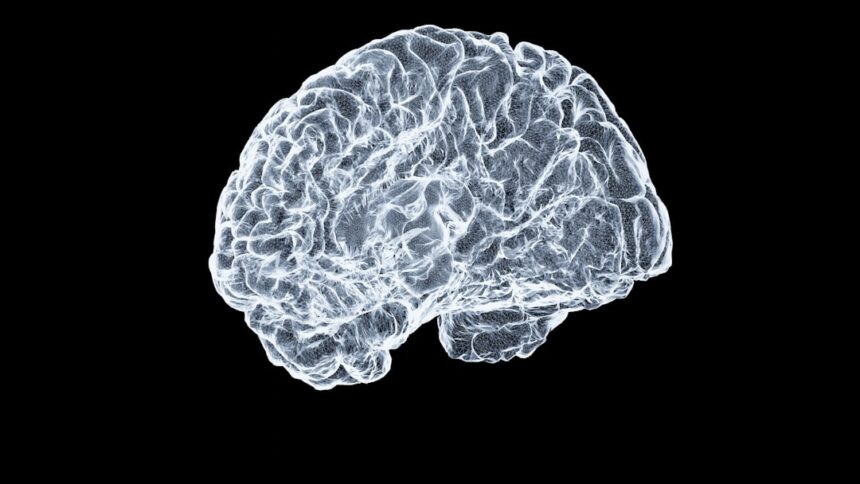
You often ponder what makes you, well, you. This intricate tapestry of thoughts, behaviors, and emotions, consistent across diverse situations, forms your personality. While psychology has long grappled with its abstract definitions, modern neuroscience offers a tangible lens through which to explore this fascinating construct. You are not merely a collection of learned responses; your personality is deeply rooted in the very architecture and function of your brain. To truly understand yourself and others, you must delve into the neural underpinnings of these enduring traits.
Your brain is not a monolithic entity; it is a complex network of specialized regions, each contributing to your overall psychological makeup. The distinct anatomical features and connectivity patterns within your brain play a crucial role in shaping your personality.
The Frontal Lobe: Executive Control and Conscientiousness
Consider your capacity for planning, your impulse control, and your ability to weigh consequences. These executive functions are largely governed by your prefrontal cortex (PFC), particularly its dorsolateral and ventromedial subdivisions. If you consistently exhibit high conscientiousness – marked by organization, dutifulness, and self-discipline – your PFC is likely highly active and well-integrated with other brain regions.
- Dorsolateral Prefrontal Cortex (dlPFC): This area is instrumental in working memory, planning, and goal-directed behavior. Think of it as the architect of your future actions. Variations in its grey matter volume or functional connectivity are associated with individual differences in cognitive control, a cornerstone of conscientiousness.
- Ventromedial Prefrontal Cortex (vmPFC): This region is deeply involved in integrating emotion and cognition, particularly in moral decision-making and value-based judgments. Damage to the vmPFC can lead to impulsive behavior and a diminished capacity for guilt, often manifesting as a decrease in agreeableness and conscientiousness. Your ability to empathize and consider others’ feelings is intricately linked to the integrity of this area.
The Amygdala: Emotion, Fear, and Neuroticism
Now, reflect on your emotional responses, particularly to stressful or threatening situations. The amygdala, a pair of almond-shaped nuclei deep within your temporal lobes, acts as your brain’s alarm system. Its sensitivity and reactivity are strongly correlated with your level of neuroticism – your predisposition to experience negative emotions like anxiety, fear, and sadness.
- Amygdala Hyperactivity: If you tend to be highly neurotic, your amygdala might exhibit greater baseline activity or be more reactive to ambiguous stimuli. Studies utilizing functional magnetic resonance imaging (fMRI) often show increased activation in the amygdala in individuals with high neuroticism when presented with fearful faces or emotionally charged scenarios. This isn’t a flaw; it’s simply a more vigilant alarm system.
- Connectivity with Medial Prefrontal Cortex (mPFC): The mPFC plays a crucial role in regulating amygdala activity. A robust and efficient connection here allows you to ‘talk down’ your amygdala, modulating your emotional responses. If this connection is weak, or if the mPFC’s inhibitory control is compromised, you might find yourself more prone to emotional dysregulation, a hallmark of high neuroticism.
The Hippocampus: Memory, Context, and Openness to Experience
Consider your capacity to learn new things, form memories, and appreciate novel experiences. Your hippocampus, a seahorse-shaped structure adjacent to the amygdala, is vital for forming new declarative memories – memories of facts and events. Its function also extends to spatial navigation and contextual processing, aspects that subtly influence your openness to experience.
- Memory Consolidation and Learning: A healthy, well-functioning hippocampus allows you to integrate new information and experiences into your existing knowledge base effectively. If you are high in openness, you likely seek out and embrace novel stimuli, and your hippocampus is constantly working to assimilate these new inputs.
- Contextual Processing: The hippocampus helps you understand the context of events, differentiating between similar but distinct situations. This ability to discern nuanced information and appreciate complexity might contribute to your intellectual curiosity and aesthetic sensitivity, key components of openness to experience.
Recent advancements in the neuroscience of personality have shed light on how our brain structures and functions influence our individual traits and behaviors. For a deeper understanding of this fascinating intersection between neuroscience and personality psychology, you can explore the article available at Unplugged Psychology. This resource delves into the latest research findings and theories that explain the biological underpinnings of personality, offering valuable insights for both professionals and enthusiasts in the field.
Neurotransmitters: The Chemical Messengers of Personality
Beyond the macroscopic structures, your personality is also profoundly influenced by the microscopic world of neurotransmitters, the chemical messengers that transmit signals between neurons. These biochemical orchestra conductors modulate everything from your mood to your motivation.
Dopamine: Reward, Motivation, and Extraversion/Openness
Think about what drives you, what gives you pleasure, and your general level of enthusiasm. Dopamine, often dubbed the “reward neurotransmitter,” plays a pivotal role in motivation, pleasure, and goal-directed behavior. You’ll find its fingerprints all over traits like extraversion and openness.
- Reward Sensitivity: Individuals high in extraversion often display a more sensitive and active mesolimbic dopamine pathway, commonly known as the “reward pathway.” This increased sensitivity to reward cues – social interaction, novel experiences, achievements – drives you to seek out these stimuli, explaining your gregariousness and adventurous spirit.
- Exploration and Novelty Seeking: Dopamine also fuels your drive for exploration and novelty. If you possess a high degree of openness to experience, your brain’s dopamine system might be particularly primed to engage with new ideas, abstract concepts, and unfamiliar environments. This isn’t just about seeking pleasure; it’s about the intrinsic reward of learning and discovery.
Serotonin: Mood Regulation and Neuroticism/Agreeableness
Now, consider your emotional stability, your tendency towards empathy, and your general disposition. Serotonin is a key player in regulating mood, sleep, appetite, and social behavior. Its balance is intimately linked to your levels of neuroticism and agreeableness.
- Serotonin Dysregulation and Neuroticism: Imbalances in serotonin levels or receptor sensitivity are frequently implicated in mood disorders like depression and anxiety. If you are highly neurotic, you might have a more vulnerable serotonergic system, making you more susceptible to negative emotional states. Pharmacological interventions for anxiety and depression often target serotonin pathways.
- Social Behavior and Agreeableness: Serotonin also influences your prosocial behaviors. Higher levels of serotonin or greater receptor sensitivity are associated with greater empathy, trust, and a reduction in impulsive aggression. If you are high in agreeableness, you likely exhibit behaviors that promote social harmony, and your serotonin system is a critical contributor to this disposition.
Norepinephrine: Arousal, Vigilance, and Conscientiousness
Reflect on your level of alertness, your ability to focus, and your physiological response to stress. Norepinephrine, both a neurotransmitter and a hormone, plays a critical role in attention, arousal, and the “fight or flight” response. It indirectly influences your conscientiousness and emotional reactivity.
- Sustained Attention and Effort: A well-regulated norepinephrine system supports your ability to maintain focus and exert sustained effort, traits crucial for conscientiousness. Optimal levels promote vigilance and attentiveness, allowing you to complete tasks effectively and adhere to responsibilities.
- Stress Response Modulation: Norepinephrine is also involved in your physiological response to stressors. While excessive levels can contribute to anxiety and impulsivity (impacting neuroticism), a balanced system helps you respond appropriately without becoming overwhelmed, supporting your ability to cope with demanding situations.
Brain Circuits: The Interconnected Network of Self
Your personality isn’t dictated by isolated brain regions or individual neurotransmitters; it emerges from the dynamic interplay within complex neural circuits. Think of these as highways connecting various brain cities, facilitating the flow of information that ultimately defines who you are.
The Default Mode Network (DMN): Introspection and Self-Referential Processing
When your mind isn’t actively engaged in a task, it defaults to a state of self-reflection and internal mentation. This is your Default Mode Network (DMN), a collection of interconnected brain regions comprising the medial prefrontal cortex, posterior cingulate cortex, and angular gyrus. Your DMN is strongly implicated in self-awareness, introspection, and the processing of social information.
- Self-Referential Thought: The DMN is highly active when you contemplate your own beliefs, memories, and future plans. Variations in DMN activity and connectivity might contribute to individual differences in self-consciousness, rumination, and the degree to which you engage in self-reflection, potentially influencing aspects of neuroticism and openness.
- Social Cognition: Your DMN also plays a role in understanding others’ perspectives and mental states (theory of mind). A well-tuned DMN facilitates your ability to empathize and predict social interactions, contributing to your levels of agreeableness.
The Salience Network (SN): Attention and Emotional Prioritization
Imagine your brain as a filter, constantly sifting through a deluge of sensory information. The Salience Network (SN), primarily involving the anterior insula and anterior cingulate cortex, acts as this filter, identifying and prioritizing emotionally significant and internally relevant stimuli. It’s crucial for shifting your attention and initiating appropriate responses.
- Emotional Responsiveness: The SN works in tandem with the amygdala to detect and respond to emotionally salient cues. If you are highly neurotic, your SN might be more attuned to threat-related stimuli, leading to heightened anxiety and vigilance.
- Cognitive Flexibility: A well-modulated SN allows you to flexibly switch between internally focused thought (DMN) and externally focused tasks (Central Executive Network). Impairments in SN function can contribute to difficulties in attentional control and perseverance, affecting conscientiousness.
The Central Executive Network (CEN): Goal-Directed Cognition
When you’re actively focusing on a task, planning a strategy, or solving a problem, your Central Executive Network (CEN) takes the lead. This network, encompassing the dorsolateral prefrontal cortex and posterior parietal cortex, is responsible for your working memory, decision-making, and goal-directed behavior.
- Task Performance and Conscientiousness: A highly efficient and robust CEN is a hallmark of individuals high in conscientiousness. It allows you to maintain focus, inhibit distractions, and strategically work towards your objectives.
- Cognitive Control: The interplay between the CEN, DMN, and SN is critical. For instance, the CEN must modulate the DMN’s self-referential activity when you need to focus on an external task. Dysregulation in this interaction can manifest as difficulty concentrating or excessive rumination.
Genetic Predisposition vs. Environmental Influence: Nature and Nurture

You are not simply born with a predetermined personality. While genetic factors undoubtedly provide a foundational blueprint, your environment profoundly shapes how those genes are expressed and how your brain develops. This is the intricate dance of nature and nurture.
Heritability of Personality Traits
Twin studies and family studies consistently demonstrate that personality traits are moderately heritable, meaning a significant portion of the variance in traits can be attributed to genetic factors. For instance, you might share certain temperamental predispositions with your biological parents or siblings.
- Specific Gene Candidates: Researchers are actively identifying specific genes and genetic polymorphisms associated with personality traits. For example, variations in genes related to dopamine and serotonin pathways (e.g., DRD4 for novelty-seeking, 5-HTTLPR for neuroticism) are under investigation. However, personality is polygenic, meaning many genes with small effects contribute, rather than a single “personality gene.”
- Gene-Environment Correlations: Your genetic predispositions can also influence the environments you seek out or create (active gene-environment correlation) or how others react to you (evocative gene-environment correlation). For example, if you are genetically predisposed to extraversion, you might actively seek out social gatherings, thereby reinforcing and strengthening your extraverted tendencies.
Epigenetics and Experience-Dependent Plasticity
Beyond the static DNA sequence, your experiences can alter gene expression through epigenetic modifications – changes that turn genes “on” or “off” without altering the underlying DNA. Furthermore, your brain exhibits remarkable plasticity, its ability to change and reorganize itself throughout your life in response to learning and experience.
- Early Life Experiences: Traumatic or enriched early life experiences can profoundly impact brain development and subsequent personality traits. For example, chronic stress in childhood can alter the amygdala’s sensitivity and the prefrontal cortex’s regulatory capacity, potentially increasing your susceptibility to neuroticism later in life.
- Learning and Habit Formation: Every skill you acquire, every habit you form, leaves a physical trace in your brain, strengthening specific neural connections. If you regularly practice self-control, your PFC-related pathways become more efficient, making conscientious behaviors more automatic. Personality is not fixed; it is a dynamic interplay of your inherent makeup and your life experiences.
Recent research in the neuroscience of personality has shed light on how our brain structures influence our individual traits and behaviors. For those interested in exploring this fascinating topic further, a related article can be found at Unplugged Psych, which delves into the connections between neural pathways and personality development. This resource provides valuable insights into how our unique characteristics may be shaped by both biological and environmental factors.
The Future of Personality Neuroscience: Unraveling Complexity
| Metric | Description | Typical Measurement Method | Relevance to Personality |
|---|---|---|---|
| Gray Matter Volume | Amount of neuronal cell bodies in specific brain regions | Structural MRI | Correlates with traits like conscientiousness and neuroticism |
| Functional Connectivity | Synchronization between brain regions during rest or tasks | Resting-state fMRI | Linked to extraversion and openness to experience |
| Neurotransmitter Levels | Concentration of chemicals like dopamine and serotonin | Positron Emission Tomography (PET), CSF analysis | Influences reward sensitivity and mood regulation |
| Brain Activation Patterns | Regions activated during emotional or cognitive tasks | Task-based fMRI | Associated with traits such as agreeableness and openness |
| White Matter Integrity | Quality of myelinated axon tracts connecting brain regions | Diffusion Tensor Imaging (DTI) | Related to cognitive control and impulsivity |
| Genetic Markers | Variants in genes affecting brain function | Genome-wide association studies (GWAS) | Contributes to heritability of personality traits |
As you consider the complexities discussed, you realize that the field of personality neuroscience is still in its nascent stages. The brain is an extraordinarily complex organ, and personality is a multi-faceted construct.
Advanced Neuroimaging Techniques
The continued development of advanced neuroimaging techniques promises to deepen your understanding. Techniques like ultra-high field MRI, advanced diffusion tensor imaging (DTI) for white matter connectivity, and magnetoencephalography (MEG) offer ever-finer spatial and temporal resolution, allowing researchers to observe brain activity and connectivity with unprecedented detail.
- Connectomics: The study of the brain’s “connectome” – a comprehensive map of its neural connections – will provide a holistic view of how different brain regions communicate to give rise to personality. Understanding these individual connectivity patterns might offer unique insights into your unique psychological profile.
- Real-time Neurofeedback: As technology advances, you might one day participate in real-time neurofeedback interventions to train specific brain regions or optimize neural networks associated with desired personality traits, such as increasing prefrontal control or modulating amygdala reactivity.
Integration with Psychological Models
The future lies in a seamless integration of neuroscientific findings with established psychological models of personality. This means moving beyond simple correlations to develop mechanistically rich accounts of how brain systems give rise to traits like the Big Five.
- Computational Psychiatry and Pharmacology: Combining neuroimaging with computational models and pharmacological challenges will allow researchers to test causal hypotheses about the roles of specific neurotransmitter systems and brain circuits in shaping personality. This might lead to personalized interventions for personality-related challenges.
- Longitudinal Studies: Following individuals over extended periods, tracking both brain changes and personality development, will be crucial. These longitudinal studies will allow researchers to understand how your brain evolves with age and experience, and how these changes ripple through your personality.
In conclusion, your personality is not an ethereal concept; it is a tangible manifestation of your brain’s intricate structure, chemical balance, and dynamic activity. By exploring the anatomical blueprints, the chemical messengers, and the interconnected circuits of your brain, you gain a deeper understanding of what makes you uniquely you. The journey to unraveling the neuroscience of personality is ongoing, offering fascinating insights into the very essence of human individuality.
FAQs
What is the neuroscience of personality?
The neuroscience of personality is the study of how brain structures, functions, and neural processes influence individual differences in personality traits and behaviors.
Which brain areas are most involved in personality traits?
Key brain areas involved in personality include the prefrontal cortex, amygdala, hippocampus, and anterior cingulate cortex, as these regions regulate emotions, decision-making, and social behavior.
How do neurotransmitters affect personality?
Neurotransmitters such as dopamine, serotonin, and norepinephrine play significant roles in shaping personality by influencing mood, reward processing, impulsivity, and stress responses.
Can brain imaging techniques help understand personality?
Yes, brain imaging methods like fMRI and PET scans allow researchers to observe brain activity and connectivity patterns associated with different personality traits.
Is personality fixed or can it change based on brain function?
Personality is relatively stable but can change over time due to brain plasticity, life experiences, and environmental factors that affect neural pathways and brain function.